
-
Read 260
-
0
-
Part 15
Completed, First published Mar 02, 2026
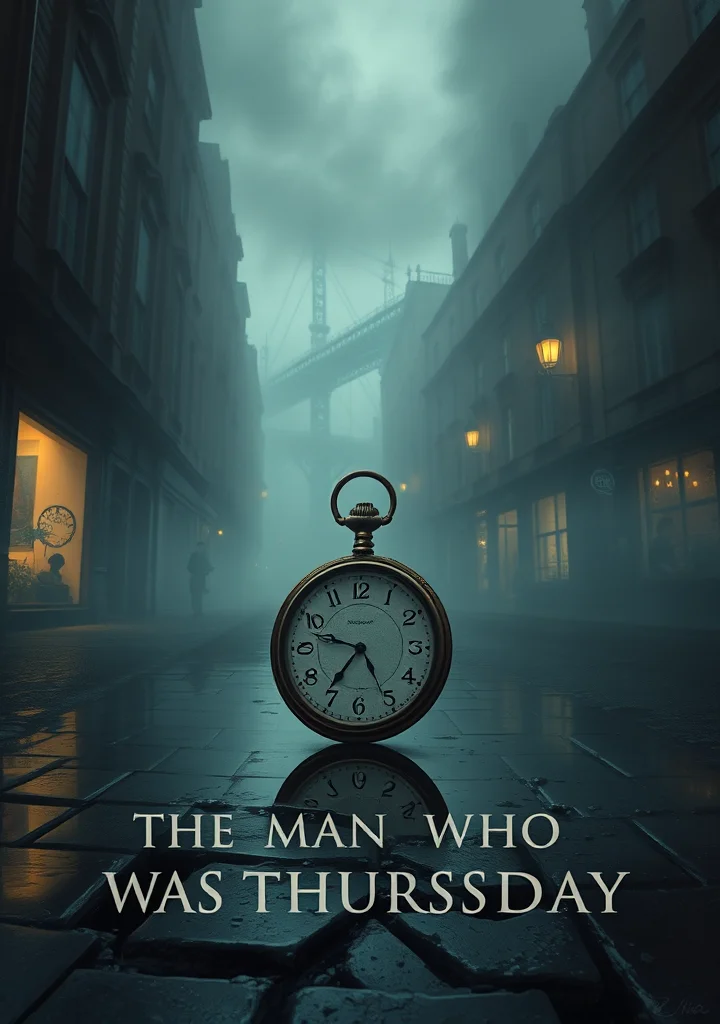
A London choked by fog and shadowed by suspicion. The narrative unravels not as a pursuit of a single villain, but a descent into a labyrinth of mirrored identities, each detective a phantom reflecting another’s doubt. Every cobbled street, every gas-lit alleyway breathes with a creeping paranoia where the mundane becomes monstrous and the ordinary, utterly terrifying. The architecture of the plot is a crumbling edifice of logic, built on shifting foundations of interrogation and unreliable narrators. It’s a world where sanity is a fragile construct, easily shattered by the echoing question: who *is* Thursday? The prose is a velvet darkness, laced with a dry, brittle humour that underscores the encroaching dread. The story doesn't merely unfold; it *infects*—a slow, creeping corruption of perception, leaving the reader questioning not just the motives of the characters, but the very nature of reality itself. The true horror isn't in what is revealed, but in the unsettling possibility that the world is already consumed by madness, and only the elaborate charade of order prevents its final collapse.
Copyright: Public Domain
This license allows anyone to use your story for any purpose, including printing, selling, or adapting it into a film freely.
This license allows anyone to use your story for any purpose, including printing, selling, or adapting it into a film freely.
Recommended for you