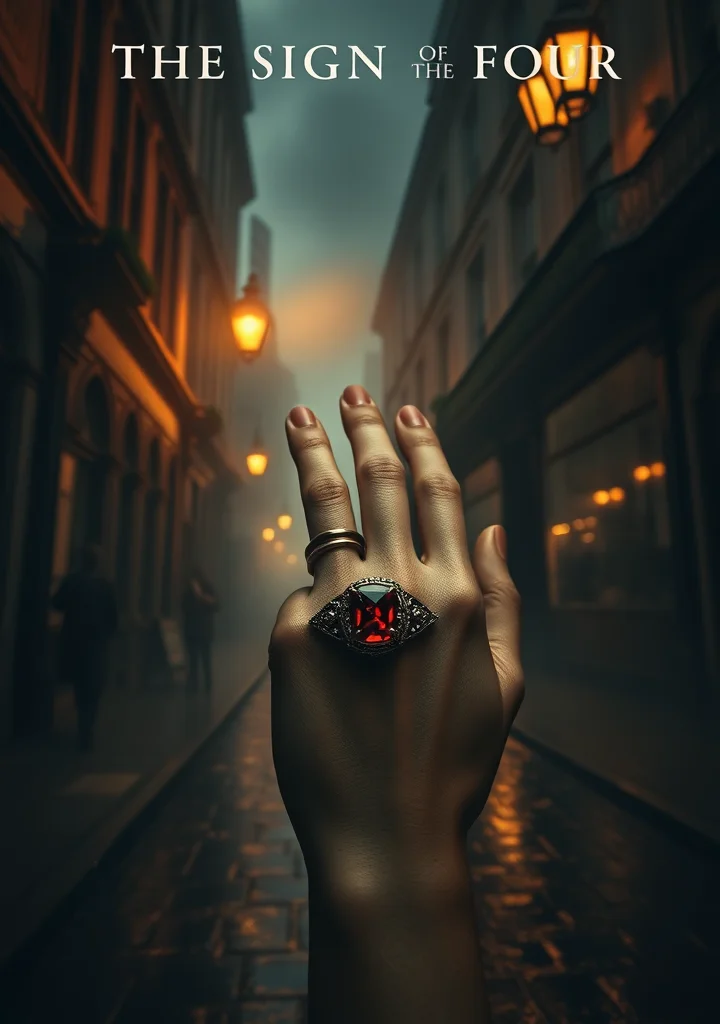

The Sign of the Four
  • 249
  • 0
  • 13
  • Read 249
  • 0
  • Part 13
Completed, First published Mar 02, 2026

London breathes a suffocating fog, stained ochre by the gas lamps that flicker against the encroaching darkness. A scent of brine and decay clings to the docks, mirroring the rot that festers within the city’s shadowed heart. The narrative unfolds not as a simple pursuit, but as a descent into the labyrinthine alleys of a forgotten past—a past haunted by whispers of betrayal, vengeance born of empire, and a treasure stained crimson with greed. The very air thickens with suspicion, each cobbled street echoing with the muffled tread of those who seek to conceal monstrous deeds. A crippled sea captain’s spectral obsession pulls at the threads of London society, revealing a conspiracy woven with opium dreams and the glint of gold. Every room is a suffocating box, every conversation a calculated deception. The hunt for the Sign of the Four is less a solving of a crime, and more a peeling back of layers of grime, revealing the skeletal structure of a city built on secrets. The narrative chills with the realization that the true horrors are not found in the exotic origins of the treasure, but in the depravity that flourishes in the familiar darkness of Victorian London.
Copyright: Public Domain
This license allows anyone to use your story for any purpose, including printing, selling, or adapting it into a film freely.
Recommended for you
28 Part
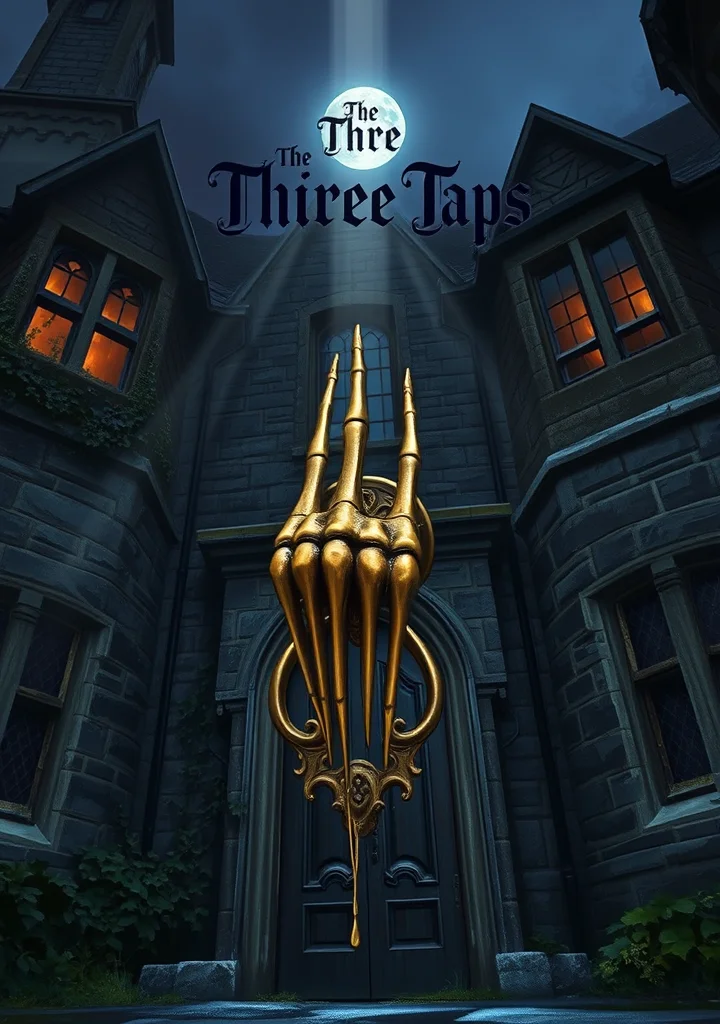
A creeping dread settles over the manor of Blackwood Grange with each echoing tap. The rhythm isn’t of nails against wood, but something colder, something resonating from *within* the stone itself. Old Man Hemlock, caretaker for generations, claims the taps are the rhythm of the house remembering its dead – the Blackwood line extinguished by scandal and rot. But young Alistair, summoned to settle the estate, finds the taps follow *him*. They begin subtly, a phantom knock on the bedroom door at midnight, then escalate to the insistent pulse against the hearthstone, the icy brush against his collar as he descends the shadowed stairs. The Grange is a labyrinth of dust-choked corridors and portraits with eyes that seem to judge, the scent of decay clinging to velvet hangings and worm-eaten beams. Rain lashes against the leaded windows, mirroring the frantic beat of Alistair’s heart as he uncovers fragments of the Blackwood’s past – whispered accusations of witchcraft, a bride vanishing into the peat bogs, a legacy of madness woven into the very foundation. Each tap feels less like a haunting, and more like a summons—a beckoning from something ancient and hungry, buried beneath the Grange’s suffocating silence. It isn’t a ghost that haunts Blackwood Grange, but the house itself, and Alistair is being drawn into its stone embrace, to become another echo in its dreadful, rhythmic pulse. The three taps are not a warning, but an invitation.
10 Part
A suffocating heat clings to the decks of the *Narcissus*, a heat mirroring the festering discontent within its crew. The ship, a coffin adrift on a sun-blistered sea, carries not just cargo, but a contagion of the soul. A single, enigmatic figure – a lascar, branded with a venomous nickname – becomes the crucible for their simmering prejudices, their buried anxieties. The narrative doesn’t offer escape, but a slow, deliberate descent into the claustrophobia of shared confinement, where the boundaries of sanity blur with the shimmering mirages of the tropics. The air hangs thick with the weight of unspoken desires and simmering resentments, each wave a whispered threat against the rotting timbers. The sea itself feels less a vast expanse than a tightening noose. The lascar’s presence isn't merely a disruption; it’s an unraveling. As the ship lurches through storm-wracked nights and sun-drenched days, the crew’s descent into madness isn’t a burst of violence, but a creeping rot, a quiet fracturing of their own humanity. The *Narcissus* isn’t just sailing *to* darkness, it *is* darkness, breeding within its hold, seeping into the very wood and bone of those aboard. It is a descent into a delirium where the line between man and beast, sanity and delirium, dissolves into the salt-soaked horizon. The true horror isn’t found in what is seen, but in what festers unseen, within the shadowed corners of the human heart.