
The Country Wife
  • 391
  • 0
  • 24
  • Read 391
  • 0
  • Part 24
Completed, First published Mar 02, 2026

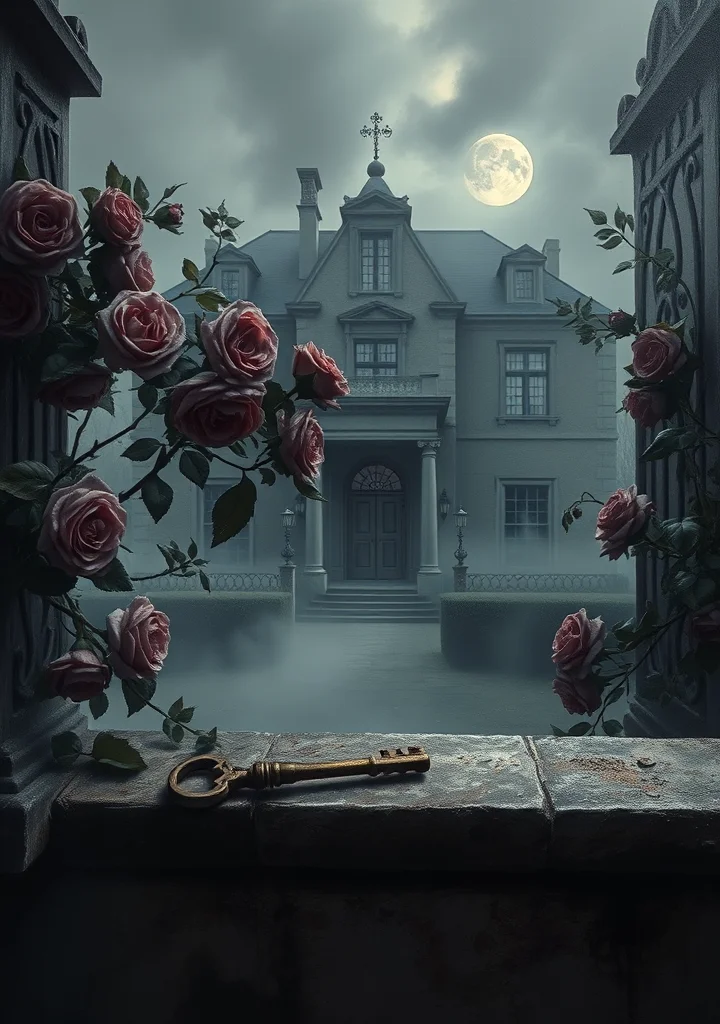
A creeping dread clings to the shadowed halls of Blackwood Manor, where whispers of lust and deceit coil tighter than the ivy choking its stone walls. The air hangs thick with the scent of dying roses and the sour tang of ambition. Here, in a rural cage gilded with brittle charm, a woman—young, naive, and recently wed—finds herself not mistress of her home but a pawn in a cruel game of rural predation. The husband, a man of vapid consequence, is content to lease his wife's bloom to the highest bidder, while the countryside’s gentry—men warped by boredom and entitlement—circle like carrion birds. Each stolen glance, each whispered promise, breeds a suffocating claustrophobia, a sense of being watched by unseen eyes. The very gardens, once promised as havens, become labyrinths of shadowed temptation. A suffocating politeness masks the rot beneath, the desperate hunger that will consume all those caught within its orbit. The narrative unfurls with the languid pace of decay, each act of betrayal blooming like a noxious flower in the stifled air of provincial desire. The country air, once meant to heal, now carries the weight of unspoken sins, and the final reckoning promises not liberation, but a descent into the mire of ruined reputations and broken hearts.
Copyright: Public Domain
This license allows anyone to use your story for any purpose, including printing, selling, or adapting it into a film freely.
Recommended for you

51 Part
A suffocating heat clings to the pages, thick with the dust of forgotten gods and the scent of brine. Kuprin’s *Yama* doesn’t offer a narrative of simple prisons, but of a slow, deliberate drowning in the stagnant pools of human desperation. The barracks, a festering wound in the heart of a decaying empire, breathe with a life of their own—a malignant sentience born of brutality and boredom. Each man within, a fractured shard of a broken world, is bound not by iron and stone, but by the weight of their own failures, each transgression a silent, festering rot. The prose itself is a mire, pulling you down into the rankness of the guardhouse’s perpetual twilight. There’s no escape, not even in the fevered dreams of the condemned. The air vibrates with the low hum of simmering violence, the casual cruelty a constant, gnawing ache. It isn’t a story of *what* happens, but *how* it feels—the slick, metallic taste of fear on the tongue, the way the shadows stretch and contort into mocking faces. The faces themselves are ghosts, hollowed by regret and the gnawing certainty of oblivion. This isn't a tale of justice, or even injustice, but of a surrender to the inevitable, the slow dissolution of self within the suffocating geometry of the barracks. The walls weep with the stories of men swallowed whole by their own despair, and the stench of their decay lingers long after the last page is turned. The novel doesn't merely show you the darkness; it forces you to breathe it.
62 Part
Dust motes dance in the fading light of provincial chateaux, mirroring the slow decay of ambition and the brittle fragility of hope. These letters, unearthed from forgotten bureaux and damp attics, whisper of two women bound by circumstance and the suffocating weight of societal expectation. One, a bride purchased for lineage, haunted by the spectral echoes of a loveless marriage. The other, a bride of convenience, her youth traded for the preservation of a crumbling estate. The narrative unfolds not in grand pronouncements, but in the tremor of a penned word, the bleed of ink mirroring the slow erosion of their spirits. Each missive is a fragment of a fractured life, stained with the bitter residue of betrayal, the chill of isolation, and the gnawing desperation for a love that exists only in the shadowed corners of their dreams. A pervasive melancholy clings to the pages, thick as the fog that shrouds the ancestral homes. The air hangs heavy with the scent of dying roses and the unspoken resentments that fester beneath layers of silk and lace. The landscapes—bleak vineyards, crumbling manors, and the oppressive silence of shadowed forests—become extensions of the women's internal landscapes: barren, desolate, and haunted by the ghosts of promises broken. The letters themselves are not merely communication, but desperate pleas cast into a void, each echoing with the chilling realization that they are trapped within a labyrinth of obligation and despair, their fates inextricably intertwined with the decaying grandeur of a bygone era.
8 Part
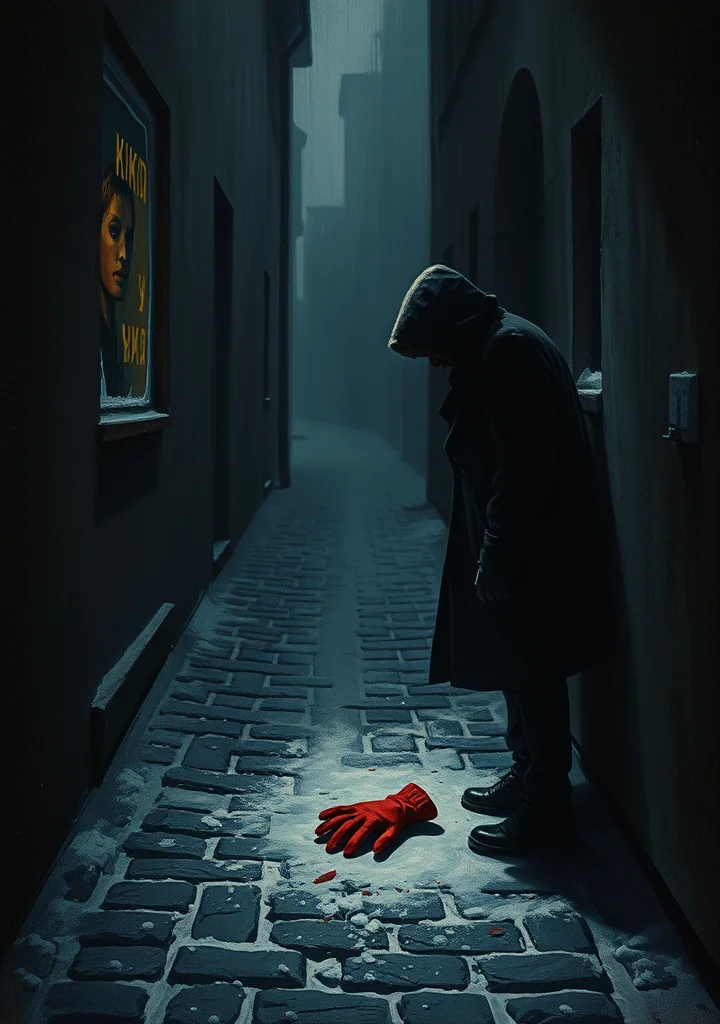
A suffocating dread clings to the cobbled streets of Saint Petersburg, mirrored in the hollowed eyes of Nikolai Semyonov, a man publicly branded a fool and stripped of his name. Andreyev doesn’t offer melodrama, but a slow, creeping asphyxiation of the spirit. Each calculated insult, each jeering dismissal isn’t simply humiliation, but a surgical carving of Semyonov’s identity. The narrative coils like a winter fog, obscuring the boundaries between sanity and delusion as Semyonov descends into a self-imposed exile, drawn to the dark magnetism of a circus performer, Diana. The circus itself is a charnel house of fractured souls, a stage for the macabre dance of obsession. Here, the air is thick with the scent of decay and the metallic tang of desperation. Diana, a goddess of broken glass and whispered promises, offers Semyonov not solace, but a reflection of his own fractured existence. His pursuit of her is a descent into a labyrinth of warped mirrors, where love and madness bleed into one another. The prose is less concerned with plot than with the erosion of the self. The city is a predator, the snow a shroud, and Semyonov, already marked for oblivion, willingly walks into the waiting shadows. It’s a story not of revenge, but of the beautiful, terrible grace of annihilation, a haunting testament to the power of societal cruelty to hollow a man until he is nothing but an echoing shell, eager to be shattered. The final act doesn't explode in violence, but implodes with a quiet, agonizing surrender.
51 Part
A creeping dampness clings to the stone of Norland Park, mirroring the chill that settles upon the hearts of the Dashwood sisters as they are cast adrift by a callous inheritance. The shadows lengthen with each diminishing fortune, twisting the familiar landscapes of Devonshire into a labyrinth of unspoken anxieties. Though outwardly composed, Elinor’s measured restraint barely conceals a grief that blooms like winter roses—pale and thorn-sharp. Marianne’s passions, unrestrained and fever-bright, find echo in the brooding woods and the melancholy sighs of a decaying estate. The air itself is thick with the scent of decaying leaves and unshed tears. Every polite conversation, every carefully worded letter, carries the weight of unacknowledged desires and simmering resentments. A spectral silence hangs between the sisters, broken only by the rustling of secrets in the darkened corridors. The very gardens, once vibrant with summer blooms, now seem haunted by the ghosts of promises broken and futures stolen. A subtle rot pervades the narrative—not of decay in the physical world, but in the very fabric of social grace. The polite smiles mask a desperate hunger for security, a fragile vulnerability masked by lace and propriety. The whispers of scandal, the stifled accusations, weave through the manor houses like tendrils of ivy, threatening to strangle the fragile hopes of these women in a world where sensibility is a weakness, and sense, a carefully constructed fortress against ruin. The fog-laden moors become a mirror for the fractured souls trapped within, their destinies shrouded in an atmospheric gloom that clings long after the final, desperate reckoning.