
Stage Lights and Tequila
  • 50
  • 0
  • 6
  • Read 50
  • 0
  • Part 6
Completed, First published May 07, 2026

The narrative traces a restless evening for one narrator as he waits for a friend, Niall, at a crowded bar. A shift in the bar’s atmosphere – a soulful band taking the stage – unexpectedly draws him in, though an awkward connection with the lead singer leaves him flustered. As Niall arrives, their evening unfolds with playful banter and tequila shots, fueled by a growing attraction. Louis’s anxiety mounts as Niall pushes him to pursue the singer, Harry, culminating in a nervous encounter and an offer of a drink. These chapters hint at a story navigating friendship, attraction, and the anxieties of a night out.
Copyright: All Rights Reserved
No person is allowed to use, redistribute, or modify your work in any form without your explicit permission.
Recommended for you
13 Part
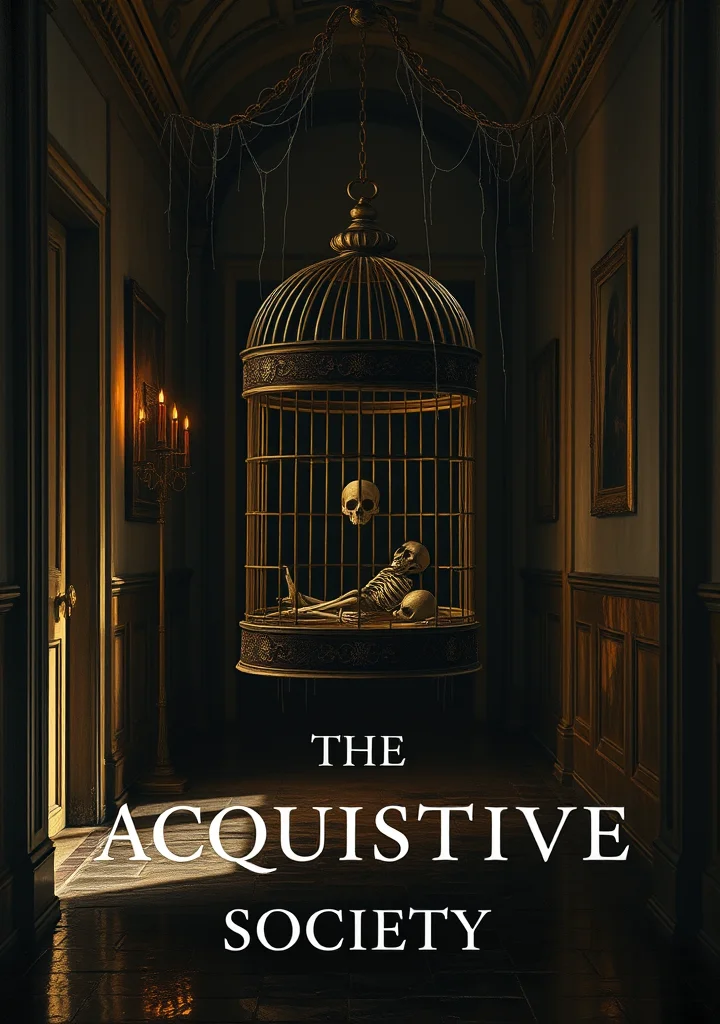
A creeping dampness clings to the cobblestones of Harrowgate, mirroring the rot within the gilded cages of its elite. Tawney’s narrative exhumes a city suffocated not by plague, but by insatiable appetite—a hunger for legacy, for possessions, for the very husks of lives consumed by ambition. Each manor house exhales secrets in the draughty hallways, whispers of fortunes built on shadowed deals and the slow, deliberate erasure of inconvenient kin. The air is thick with the scent of beeswax polish masking decay, of velvet drapes concealing dust-motes dancing in the perpetual twilight. A brittle elegance permeates everything, a performance of refinement barely masking the desperation beneath. The protagonist, a scholar of inherited debts, is drawn into a labyrinth of estates where the acquisition of wealth has birthed a monstrous lineage, each heir a parasite feeding on the dwindling inheritance of their predecessors. Shadows stretch long from the gas lamps, revealing not merely figures in the gloom, but the spectral remnants of those whose possessions were claimed—their faces etched into the very wallpaper, their voices woven into the fabric of the antique furniture. The true horror isn’t the taking of things, but the hollowness that remains when everything has been bought and sold, leaving only the echoing emptiness of a soul willingly traded for another’s gain. A creeping dread permeates every room, a sense of being watched by the objects themselves, each piece of furniture a silent judge, each portrait a veiled accusation.