Bajo el Lobo
  • 30
  • 0
  • 5
  • Read 30
  • 0
  • Part 5
Ongoing, First published May 20, 2026

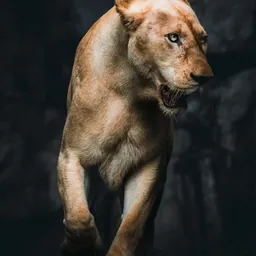
En un mundo asfixiado por el poder y la obediencia, Eliana sobrevive al abuso constante dentro de una estructura de manada implacable. Cada tarea cotidiana desencadena violencia y aislamiento. Mientras el alfa Noah investiga una amenaza latente, la sospecha se intensifica. Una visita inesperada desata una confrontación que revela una conexión oculta, amenazando con destruir las defensas de Eliana. La tensión crece mientras los secretos se desvelan y la lucha por la supervivencia se convierte en una danza peligrosa entre la oscuridad y la esperanza. ¿Podrá Eliana romper las cadenas que la aprisionan?
Copyright: All Rights Reserved
No person is allowed to use, redistribute, or modify your work in any form without your explicit permission.
Recommended for you
22 Part
Dust motes dance in perpetual twilight within the shadowed halls of Misselton House, a boarding school steeped in the chill of London fog and the whispers of forgotten childhoods. Young Sara Crewe arrives, gilded in privilege, yet swiftly descends into a labyrinth of grey routine and stifled grief. Her father’s disappearance casts a pall over her days, mirroring the encroaching damp that clings to the stone walls and seeps into the very marrow of her bones. The narrative isn’t one of grand horrors, but of a slow, creeping despair, a brittle beauty blooming within a landscape of neglect. The grandeur of Sara’s past becomes a phantom limb, haunting her every waking moment. Each stolen moment of imagination, each ragged scrap of kindness offered in the attic, is lit by a flickering candle against the encroaching darkness. The air thickens with the scent of coal smoke and the stifled cries of lonely children, their stories swallowed by the vast, indifferent house. It’s a story not of monsters under the bed, but of the monstrous indifference of the world, and the fragile, tenacious flame of hope flickering against the wind. The very silence of the house feels alive with unspoken sorrows, and the gardens, glimpsed through frost-rimed windows, feel less like escape than extensions of a creeping, melancholic embrace. Even the smallest acts of cruelty feel like shards of glass in a winter wind, leaving Sara bleeding not with wounds, but with a chilling awareness of her own vulnerability. The world narrows to the dimensions of a forgotten room, and the narrative breathes with the same slow, suffocating rhythm as a heart breaking in the shadows.
34 Part
A creeping dampness clings to the shadowed corners of the Winslow household, a chill not of the season but of a grief-worn legacy. The very stones seem to exhale sorrow with each rustle of the overgrown gardens. Pollyanna, a fragile bloom thrust into this withered estate, doesn’t merely enter, but *infests* the space with a light that feels less divine and more… insistent. It’s a warmth that doesn’t thaw, but *reveals* what was always lurking beneath the frost: the brittle bones of forgotten resentments, the choked whispers of lost hopes. Her ‘Glad Game’ isn’t joy, but an excavation. Each forced optimism feels like a splintering of something ancient and unyielding within the walls. The house itself becomes a labyrinth of unearthed wounds, each room a mausoleum holding a fragment of the Winslows’ decaying souls. The scent of potpourri and beeswax isn’t sweetness, but the cloying perfume of decay masked with desperate floral pleas. The shadows lengthen with each perceived blessing, twisting into shapes of accusation and regret. Even the children, pale moths drawn to Pollyanna’s flame, carry the weight of generations trapped within the Winslow’s suffocating embrace. It isn’t a story of finding happiness, but of witnessing a slow, beautiful unraveling, as Pollyanna doesn't heal the house, but *becomes* its haunting echo. The final revelation isn't of joy found, but of the monstrous, beautiful thing that blooms in the darkness when hope is stretched too thin.
12 Part
A creeping dread clings to the Scottish Highlands, a suffocating weight born not of stone and shadow, but of ambition and icy calculation. Buchan doesn’t offer roaring castles or spectral apparitions, but a far more insidious haunting – the slow, deliberate erosion of a man’s soul within the brutal architecture of his own making. The estate of Aird’s Glen isn’t merely a house, but a fortress of will, built upon a foundation of stolen secrets and shadowed deeds. The air within its walls is thick with the scent of peat smoke and the ghosts of fortunes won and lives broken. It’s a place where the very landscape seems to conspire to conceal, and the silence holds a tremor of violence barely contained. Every polished surface, every perfectly aligned stone, reflects a ruthlessness that chills the bone. The narrative doesn’t rush towards a climax, but coils like a viper in the darkness, tightening with each whispered conversation, each carefully placed rumour. The true horror isn’t what is *in* the Powerhouse, but what it *becomes* – a monument to the terrifying elegance of a man who dares to play God amongst the heather and the rain. The oppressive isolation isn't merely geographical, but a suffocating imprisonment within a mind determined to conquer not just land, but the very spirit of the glen itself. It’s a story where the landscape itself is a witness to sin, and the wind carries the lament of those consumed by its ambition.