
Promessas de aniversário
  • 15
  • 0
  • 4
  • Read 15
  • 0
  • Part 4
Ongoing, First published May 23, 2026

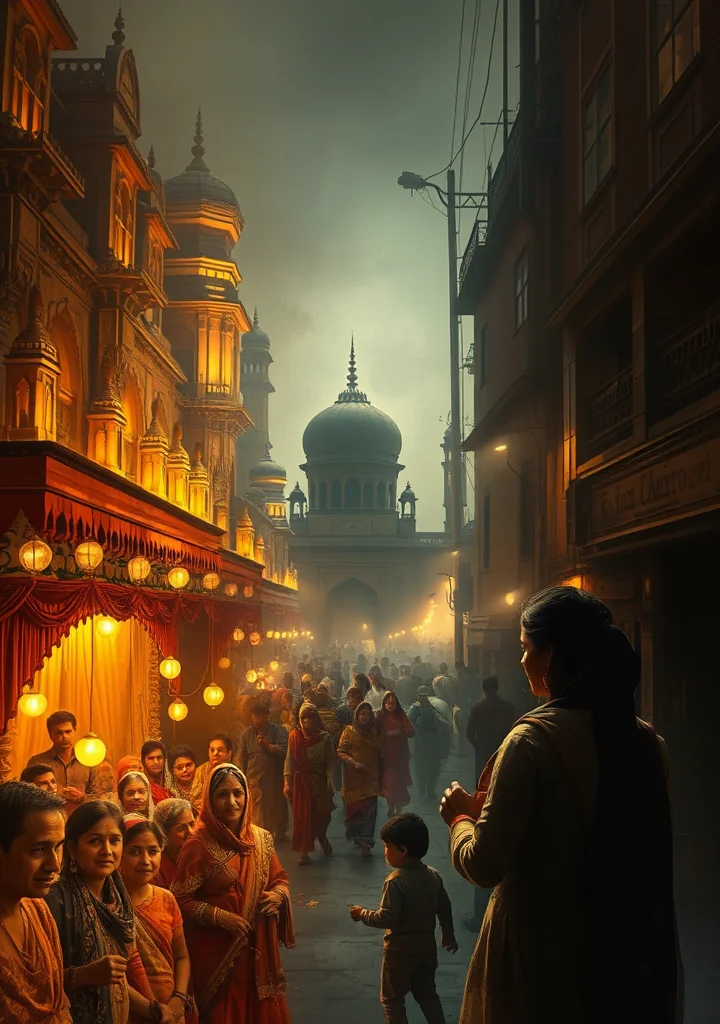
A narrativa traça duas famílias se preparando para celebrações de aniversário, revelando uma história repleta de promessas mantidas e cargas não ditas. Em Nova Délhi, a dedicação de um pai para cumprir um voto de aniversário é vividamente retratada, enquanto no sul de Délhi, uma mãe silenciosamente instila bondade em seu filho através de um ato pensativo de serviço. Esses capítulos sugerem histórias complexas e o peso de traumas passados carregados por Vikram e Akira. Embora cheio de carinho, a atual história melancólica.
Copyright: All Rights Reserved
No person is allowed to use, redistribute, or modify your work in any form without your explicit permission.
Recommended for you
9 Part
A pall descends from the shadowed Cambridge rooms, a creeping fog of intellectual rigor and suppressed grief. Mill’s life, laid bare not as triumph but as a slow, exquisite unraveling. The scent of stale ink and decaying liberalism clings to every page, mirroring the stifled passions that choked within his father’s utilitarian gaze. This is not a chronicle of progress, but a meticulous dissection of a mind forged in the crucible of paternal expectation, haunted by the ghost of Bentham’s cold logic. Each chapter is a darkened corridor, echoing with the precise footsteps of a man striving to define himself against the suffocating weight of inherited thought. The narrative breathes with the chill of early mourning, the suffocating weight of a childhood spent mastering logic whilst denying the unruly currents of the heart. Later, the light flickers and fails amidst the bureaucratic labyrinths of the East India Company, a spectral empire built on the dust of forgotten lives. The prose itself is a mausoleum of measured restraint, each sentence a carefully placed stone concealing the raw, bleeding wounds beneath. It is a testament to the art of internalizing agony, of building a fortress of reason around a core of aching vulnerability. A study in grey, in the precise geometry of despair, this autobiography is not merely read, but *felt* - a slow, deliberate descent into the labyrinth of a life lived in the shadows of its own formidable intellect. The silence within the text is as deafening as the clamor of London streets, a testament to the unacknowledged voids at the heart of a life relentlessly dedicated to thought.
16 Part
From shadowed fjords and ice-haunted coasts rises a tale of kings and sorcery steeped in the ancient North. Eddison’s *Styrbiorn the Strong* breathes with the chill of forgotten gods and the clang of steel on frost-rimed shields. A land gripped by the creeping dread of the Nerathi—a race of spectral warriors born from the blackest winters—awaits a champion. Styrbiorn, a giant of a man, forged in the crucible of brutal winters and haunted by ancestral echoes, is that answer. But this is not a simple saga of heroism. The very stones of the North weep with the weight of a dying age, and Eddison’s prose weaves a tapestry of decaying grandeur. Palaces crumble beneath the weight of encroaching ice, while the halls of kings echo with the whispers of ambition and betrayal. A creeping darkness seeps from the desolate bogs, a sickness of the soul mirroring the decay of the land. The air is thick with the scent of brine, woodsmoke, and something older—something woven from the runes carved into glacial ice. Each clash of arms, each whispered curse, feels etched in the very bedrock of the world. *Styrbiorn* is a descent into a twilight world where honor is measured in blood and shadows hold the keys to both salvation and oblivion. It is a world where the line between the living and the dead is blurred by the perpetual twilight of the North, and where even victory tastes of ash and regret. A slow, deliberate unraveling of light, consumed by the encroaching darkness.
18 Part
Dust motes dance in perpetual twilight, clinging to the scent of woodsmoke and forgotten lace. A chill, not of winter but of absence, permeates the Darling nursery, where shadows stretch long and the air hums with the memory of vanished laughter. This is a story woven from the threads of loss – not death, but the slow unraveling of childhood's grip. Peter arrives not as a savior, but as a fracture, a beautiful, glittering shard of defiance against the inevitable march of time. Neverland isn’t paradise, but a gilded cage of perpetual youth, stained with the bitter tang of regret for what *must* be left behind. The boys are brittle things, fueled by recklessness and the echoing emptiness of being chosen. Wendy’s heart, though offered as a mother to them all, is perpetually bruised, haunted by the knowledge of what she’s traded for a glimpse of eternal play. Every victory is shadowed by the creeping realization that joy born of stolen moments is built on the ruins of a world she can no longer fully inhabit. The darkness isn’t found in Captain Hook’s malice, but in the suffocating silence that descends when the lost boys finally look into the hollows of their own prolonged childhoods. The island breathes with a mournful sigh, a testament to the impossibility of holding onto the fading light, and the unbearable weight of a future forged from the echoes of yesterday’s dreams. It is a place where the most potent magic is not creation, but remembrance. And every return to the world of mothers and clocks is a slow, agonizing descent into the very grief Neverland was meant to outrun.
58 Part
Dust motes dance in the perpetual twilight of Palazzo Rucce, mirroring the slow decay of innocence within its shadowed halls. The air hangs thick with the scent of dying roses and the hushed whispers of Venetian canals, a city built on secrets and submerged desires. A young American, emboldened by naive ambition and a thirst for European refinement, finds herself drawn into the orbit of a charismatic expatriate, a master of veiled intentions. But beneath the polished veneer of Italian society, a predatory elegance unfolds. The palazzo itself breathes with a suffocating beauty, its marble floors cold beneath bare feet, its gilded mirrors reflecting not truth, but distorted fragments of a soul unraveling. A creeping sense of enclosure permeates every gilded room, a gilded cage for a heart ensnared by its own longing. The narrative isn't one of grand gestures, but of insidious erosion—the slow leaching of vitality from a spirit starved for passion, yet fed only with polite deceits. Each encounter is a tightening coil, a subtle shift in the balance of power, veiled in courteous conversation. The weight of unacknowledged expectation, the sting of unfulfilled promises, settles like a frost upon the bones. It is a portrait not of a lady’s triumph, but of her exquisite, agonizing unraveling—a descent into a gilded ruin where ambition is measured in the currency of lost futures and the only escape lies in the hollow echo of what might have been. The pallid light of waning hope casts long shadows on the marble busts, silent witnesses to a tragedy unfolding with the languid grace of a dying swan.