
Loira Streaks & Parque Jimin
  • 9
  • 0
  • 4
  • Read 9
  • 0
  • Part 4
Ongoing, First published May 24, 2026

A narrativa traça a dinâmica complexa que se desenrola dentro das paredes do Kyungnam High. Como um novo ano letivo começa, Mr. Park, um jovem professor, navega sussurros sobre sua idade e aparência, enquanto desenha a curiosidade tranquila do estudante rebelde Y / n. Enquanto isso, Taehyung, um estudante popular com uma borda cruel, observa os dois, fixado em Y / n. Estes capítulos revelam um mundo de atração fervilhante e comportamento disruptivo, onde uma súbita mudança de cenário..
Copyright: All Rights Reserved
No person is allowed to use, redistribute, or modify your work in any form without your explicit permission.
Recommended for you
40 Part
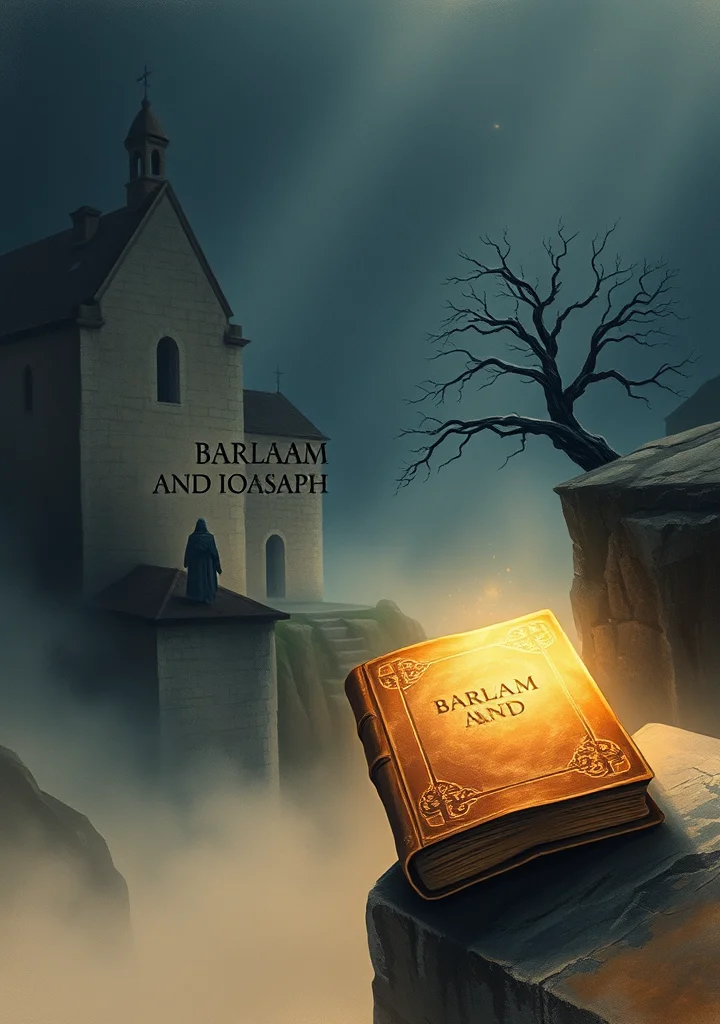
Dust motes dance in the perpetual twilight of a forgotten monastery clinging to the precipice of the Eastern mountains. The air hangs thick with the scent of incense and decay, a miasma of regret clinging to the stone walls. This is a tale not of heroes, but of shadows—the creeping doubt that gnaws at the heart of a hermit saint, Barlaam, and the restless yearning of Ioasaph, a prince turned penitent. The narrative unfolds as a slow unraveling, a descent into the labyrinth of the soul. Each chapter is a stone rolled away from a crypt, revealing not flesh and bone, but the fragile architecture of belief. Sunlight feels like a violation here, exposing the rot beneath the gilded icons. The prose is a whisper of wind through skeletal branches, laced with the chill of unyielding stone. It breathes with the claustrophobia of caves carved into the living rock, where the echoes of Ioasaph’s questions—questions that fracture faith—reverberate for centuries. This is a story steeped in the melancholy of conversion, the weight of renunciation. It's a landscape of barren faith where the only true company is the gnawing emptiness that blooms within the hollowed shell of a life surrendered to the void. The narrative isn’t driven by plot, but by the insidious erosion of certainty, leaving behind a landscape of bone-white despair. The final revelation, like the last breath of a dying candle, offers not light, but the chilling realization of a darkness that dwells within us all.
48 Part
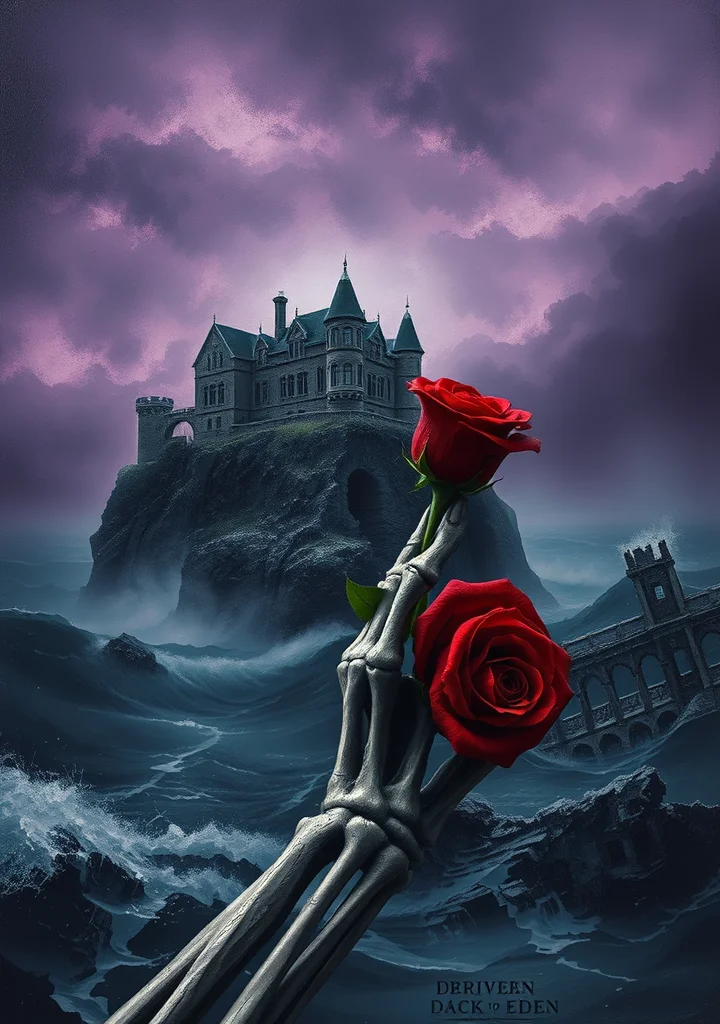
The salt-laced wind carries whispers of decay from the crumbling manor, Blackwood, where the remnants of a forgotten Eden cling to the cliffs. A creeping dread permeates the estate, a legacy of shadowed inheritances and the fevered dreams of its last, fractured master. Old Man Silas, driven mad by a grief that blooms in the choked gardens, stalks the halls, haunted by visions of a paradise lost – and a daughter claimed by the sea. The narrative coils tight around the suffocating weight of Blackwood’s history, a relentless tide of obsession that pulls the new ward, young Elias, into Silas’s fractured world. Sunken paths lead to grottoes filled with brine-stained carvings, where the scent of rot mingles with the phantom fragrance of jasmine. Every stone breathes with a sorrowful resonance, a stifled scream locked within the stone. The fog rolls in, thick as gravecloths, obscuring not only the jagged coastline but the fragile boundaries of Elias’s sanity. He finds himself drawn to the dark heart of the estate, to the ruined chapel where the echoes of a desperate faith still linger. The narrative isn’t merely a haunting; it *is* the haunting itself—a slow, inevitable descent into the shadowed embrace of a man consumed by loss, where the line between salvation and damnation dissolves in the salt-stained twilight. The very air seems to weep with the weight of Blackwood’s sorrow, a constant, chilling reminder that Eden, once a promise, is now a tomb.
33 Part
Dust motes dance in the cavernous halls of the Charterhouse, mirroring the fractured ambitions of the Lombard nobility within. Parma, a city choked by political machinations and simmering resentments, breathes a stifling air of decay. This is a story steeped in the scent of old stone and the rustle of silk concealing daggers. A young nobleman, torn between the fervor of revolutionary ideals and the suffocating grip of aristocratic expectation, finds himself adrift in a labyrinth of inherited debts, simmering passions, and the ghosts of a forgotten war. The narrative unfolds not as a burst of action, but as a slow erosion – a creeping dampness that seeps into the foundations of fortune and love. Each betrayal is a chipped tile in a mosaic of regret, each alliance forged in the shadows casts a lengthening pall over the characters’ fates. A feverish, almost claustrophobic obsession with gambling and ambition drives men to gamble away their lives, their legacies, their very souls. The air hangs heavy with the weight of unfulfilled desires, the stifled cries of a generation caught between the ancien régime and the storm of modernity. It is a world where the grandest gestures of heroism are undercut by the petty squabbles of ego, where the most ardent love is poisoned by the insidious tendrils of social constraint. The Charterhouse itself becomes a character – a decaying monument to ambition, a tomb for wasted potential, a haunting echo of a world on the brink of collapse. The reader is not merely told a story, but drawn into the suffocating, perfumed darkness of a city and a man consumed by his own self-destruction.