
Partidas e febre
  • 17
  • 0
  • 4
  • Read 17
  • 0
  • Part 4
Ongoing, First published May 24, 2026

Este romance traça uma teia complexa de relacionamentos sombreados por traumas e crises do passado. Os detalhes narrativos envolvem as ansiedades em torno da automutilação, abuso e distúrbios alimentares revelados para aqueles mais próximos a ela. Ao lado dessas tensões, a história se desenrola através de uma série de saídas - despedidas íntimas cheias de amor e a dor da separação. Esses momentos são pontuados por episódios de doença, onde o cuidado e o apoio são oferecidos pela rede..
Copyright: All Rights Reserved
No person is allowed to use, redistribute, or modify your work in any form without your explicit permission.
Recommended for you
15 Part
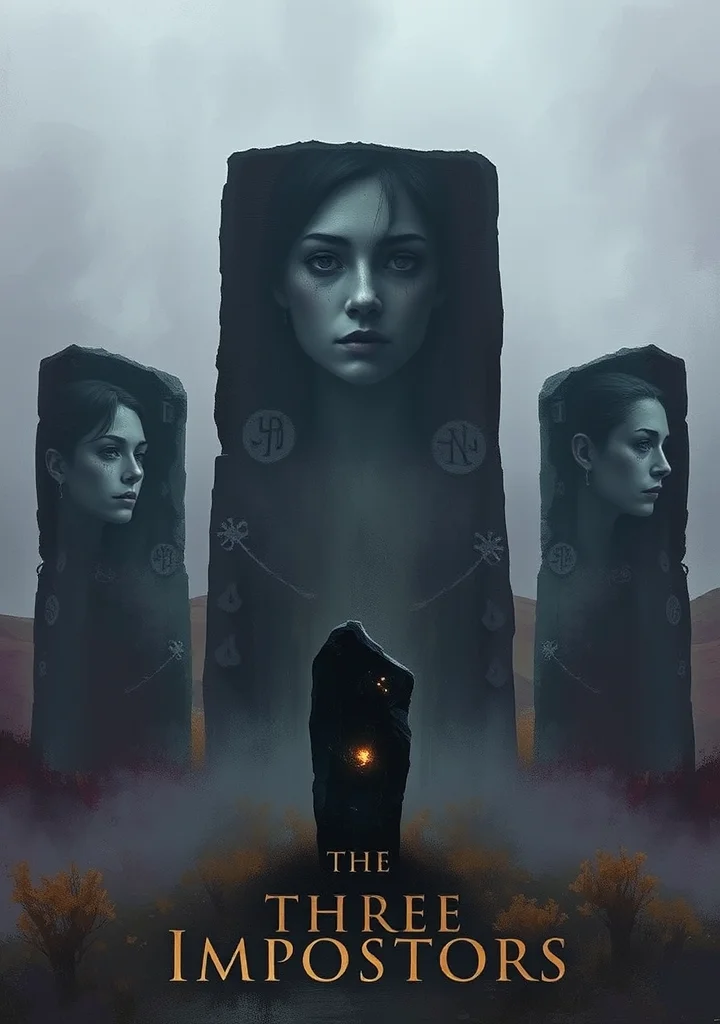
A creeping dread clings to the Welsh hills, a miasma rising from ancient stones and shadowed valleys. Machen weaves a tale not of what is seen, but of what *becomes* visible – the fracturing of reality itself. Three men, each subtly, terrifyingly *wrong*, infiltrate a quiet village, their presence a slow corruption of the familiar. They are not demons in disguise, nor madmen escaped from asylums, but something far stranger: echoes of forgotten gods, slivers of nightmares given flesh. The narrative unfolds like a fever dream, blurring the line between the mundane and the monstrous. A suffocating claustrophobia settles over the reader as the impostors’ influence spreads – a chilling stillness in the eyes of livestock, the unnerving precision of their smiles, the scent of decay clinging to their clothes. The air itself thickens with an unspoken terror, a sense of being watched by something vast and uncaring. The true horror lies not in their deeds, but in the subtle unraveling of the world around them. Stone circles become gateways, ancient rituals awaken, and the very foundations of the village begin to crumble under the weight of their alien scrutiny. It is a story of slow, insidious possession, where sanity is peeled away like layers of skin, leaving only the raw, screaming nerve of primal fear. The darkness doesn’t *come* – it *is*, woven into the very fabric of existence, and these three impostors are merely the stitches pulling it taut.
12 Part
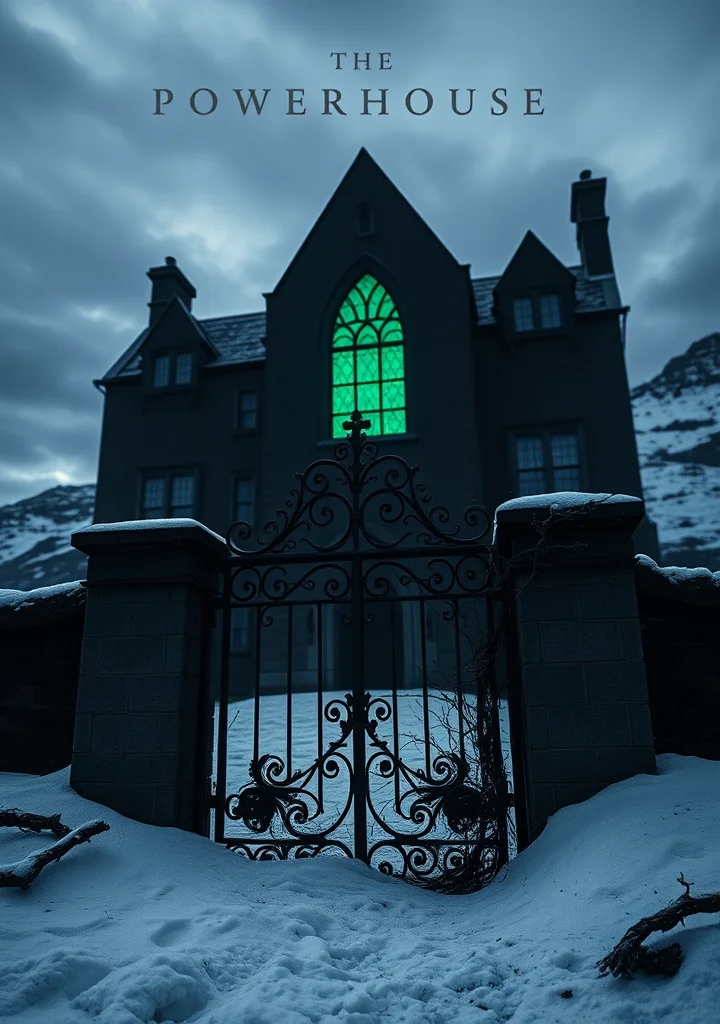
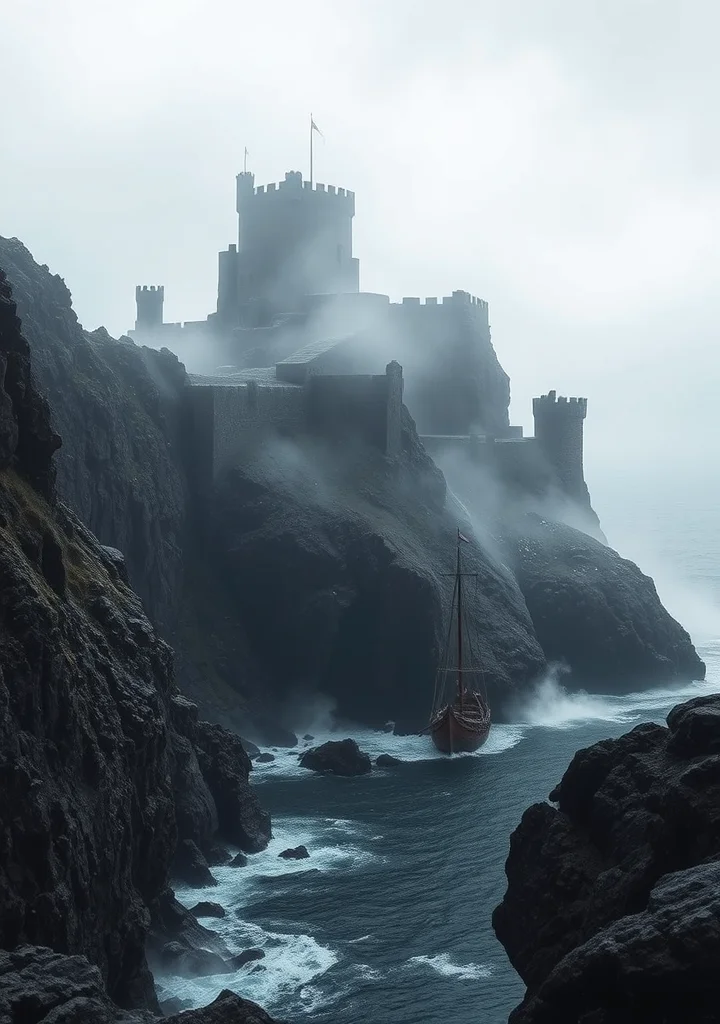
A creeping dread clings to the Scottish Highlands, a suffocating weight born not of stone and shadow, but of ambition and icy calculation. Buchan doesn’t offer roaring castles or spectral apparitions, but a far more insidious haunting – the slow, deliberate erosion of a man’s soul within the brutal architecture of his own making. The estate of Aird’s Glen isn’t merely a house, but a fortress of will, built upon a foundation of stolen secrets and shadowed deeds. The air within its walls is thick with the scent of peat smoke and the ghosts of fortunes won and lives broken. It’s a place where the very landscape seems to conspire to conceal, and the silence holds a tremor of violence barely contained. Every polished surface, every perfectly aligned stone, reflects a ruthlessness that chills the bone. The narrative doesn’t rush towards a climax, but coils like a viper in the darkness, tightening with each whispered conversation, each carefully placed rumour. The true horror isn’t what is *in* the Powerhouse, but what it *becomes* – a monument to the terrifying elegance of a man who dares to play God amongst the heather and the rain. The oppressive isolation isn't merely geographical, but a suffocating imprisonment within a mind determined to conquer not just land, but the very spirit of the glen itself. It’s a story where the landscape itself is a witness to sin, and the wind carries the lament of those consumed by its ambition.
13 Part
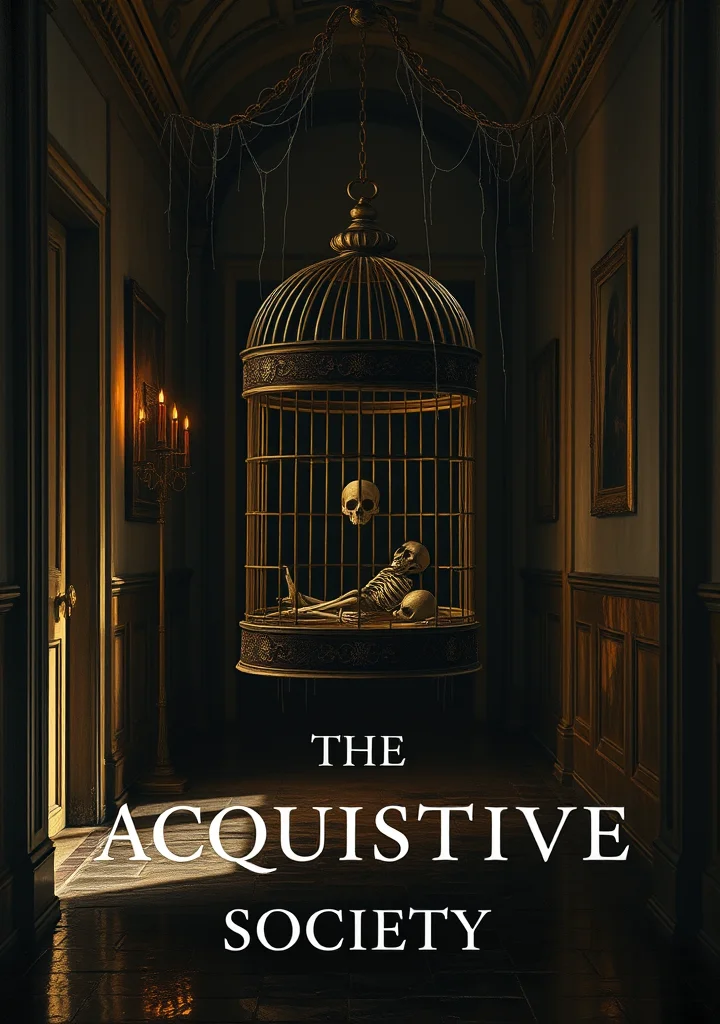
A creeping dampness clings to the cobblestones of Harrowgate, mirroring the rot within the gilded cages of its elite. Tawney’s narrative exhumes a city suffocated not by plague, but by insatiable appetite—a hunger for legacy, for possessions, for the very husks of lives consumed by ambition. Each manor house exhales secrets in the draughty hallways, whispers of fortunes built on shadowed deals and the slow, deliberate erasure of inconvenient kin. The air is thick with the scent of beeswax polish masking decay, of velvet drapes concealing dust-motes dancing in the perpetual twilight. A brittle elegance permeates everything, a performance of refinement barely masking the desperation beneath. The protagonist, a scholar of inherited debts, is drawn into a labyrinth of estates where the acquisition of wealth has birthed a monstrous lineage, each heir a parasite feeding on the dwindling inheritance of their predecessors. Shadows stretch long from the gas lamps, revealing not merely figures in the gloom, but the spectral remnants of those whose possessions were claimed—their faces etched into the very wallpaper, their voices woven into the fabric of the antique furniture. The true horror isn’t the taking of things, but the hollowness that remains when everything has been bought and sold, leaving only the echoing emptiness of a soul willingly traded for another’s gain. A creeping dread permeates every room, a sense of being watched by the objects themselves, each piece of furniture a silent judge, each portrait a veiled accusation.