
The Man in Lower Ten
  • 539
  • 0
  • 32
  • Read 539
  • 0
  • Part 32
Completed, First published Mar 02, 2026

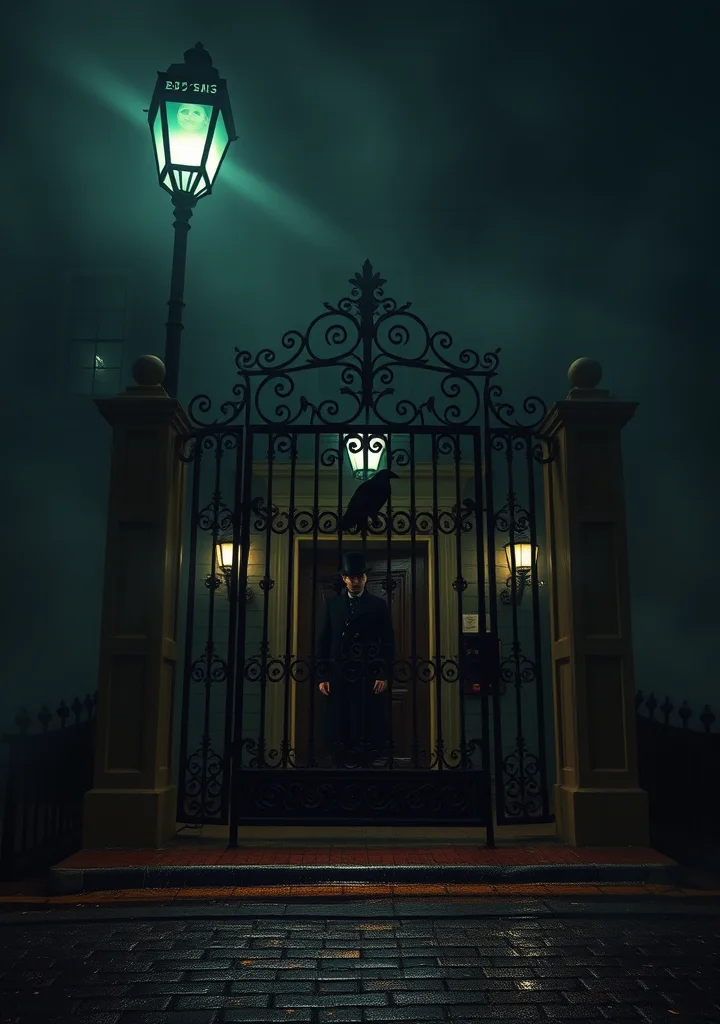
A fog-choked, gaslit Philadelphia descends into shadow as a phantom inheritance unravels. The stately, decaying mansion on the lower end of town breathes secrets into the damp night air, each room a mausoleum of forgotten fortunes and broken promises. A gentleman of dubious origin – the Man in Lower Ten – insinuates himself into the lives of those touched by the dead man’s will, a slow, insidious creep of influence that chills the bone more than the November wind. Whispers follow him through the darkened parlors, tales of a past steeped in gambling dens and opium dreams. The scent of jasmine and decay clings to the velvet drapes, mirroring the rot that festers beneath the polished veneer of respectable society. Every flicker of candlelight casts elongated, skeletal shadows, and the city’s pulse quickens with the fear that something ancient and predatory has been awakened. The narrative weaves a labyrinth of shadowed corridors and veiled identities, where loyalty is bought with silence and every kindness masks a hidden blade. A suffocating dread settles over the reader, mirroring the claustrophobic elegance of a world on the brink of unraveling, haunted by the specter of a man who isn’t what he seems, and a legacy stained with blood and desperation.
Copyright: Public Domain
This license allows anyone to use your story for any purpose, including printing, selling, or adapting it into a film freely.
Recommended for you

20 Part
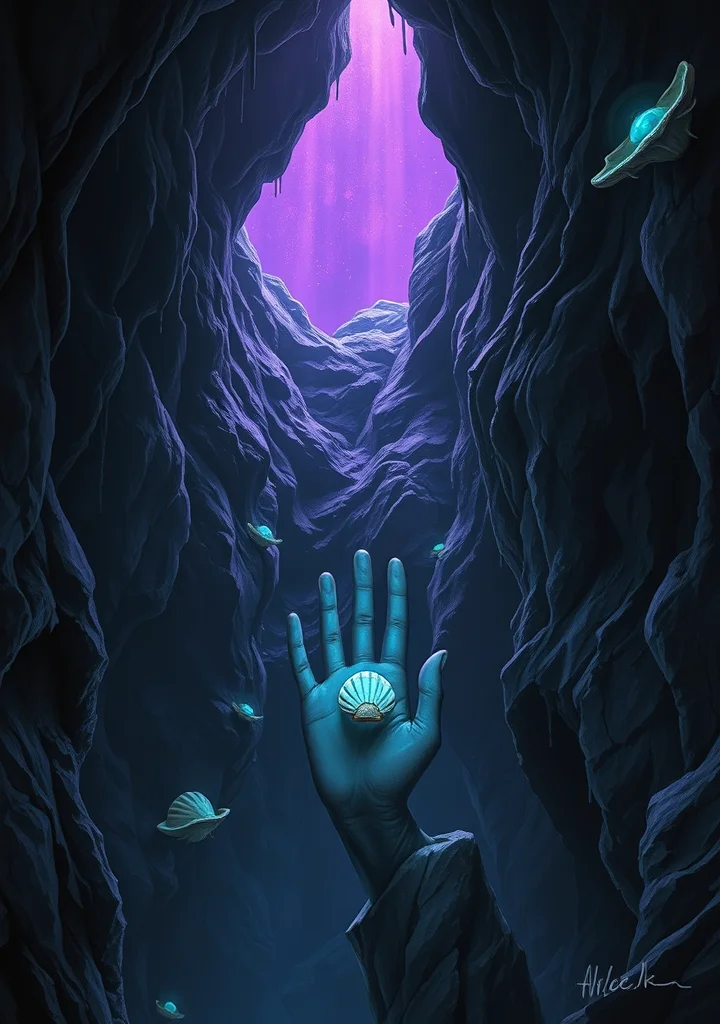
Beneath a bruised and perpetual twilight, where the sea gnaws at the cliffs like a starving beast, a child is born not of flesh and blood, but of shadow and stone. Verne’s narrative descends into a labyrinth of echoing tunnels carved into the heart of a forgotten coast, a place where the tide’s rhythm mimics the beat of a decaying heart. The air hangs thick with brine and the scent of something ancient, something *grown* in darkness. The child, salvaged from a shipwreck’s wreckage, is raised by a recluse haunted by the sea’s wreckage—a man who has traded sunlight for the phosphorescent glow of subterranean life. This is not a tale of rescue, but of a gradual submergence. The cavern itself breathes, its walls weeping with mineral salts that cling to skin like frost. Each chapter unfurls like a slow unraveling, revealing a world built on the bones of drowned things and the whispers of forgotten gods. The boy’s growth is mirrored by the cavern’s expansion, a perverse symbiosis that twists him into something both feral and ethereal. He learns to navigate the tunnels not with sight, but with the tremor of the rock against his bare feet, the taste of salt on his tongue, the echo of his own heart beating against the cavern’s core. A creeping dread settles in as the narrative progresses. It isn’t the monsters lurking in the black depths that haunt, but the realization that the cavern is not merely a shelter, but a womb. A womb for something ancient and hungry, and the child is not being *raised* within it, but *prepared*. The sea is not merely a backdrop to this story, it is a hungry god, and the cavern, its festering wound. The air grows colder, the darkness more complete, and the child’s fate—a chilling descent into the cavern's unyielding heart—becomes a slow, inevitable drowning in stone.