
-
Read 274
-
0
-
Part 14
Completed, First published Mar 02, 2026
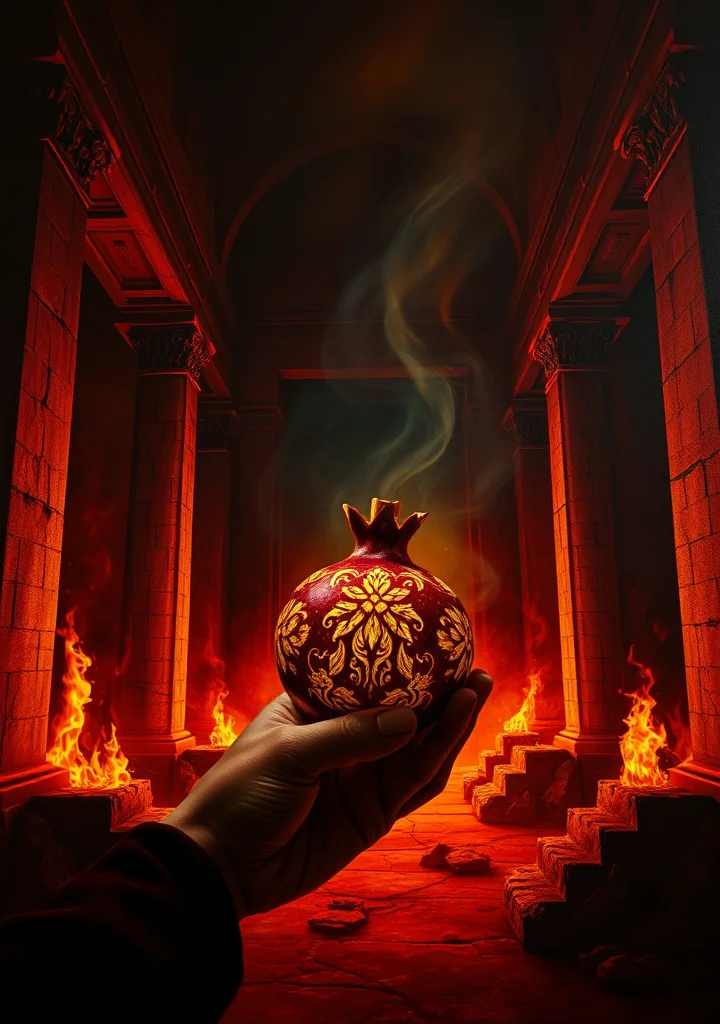
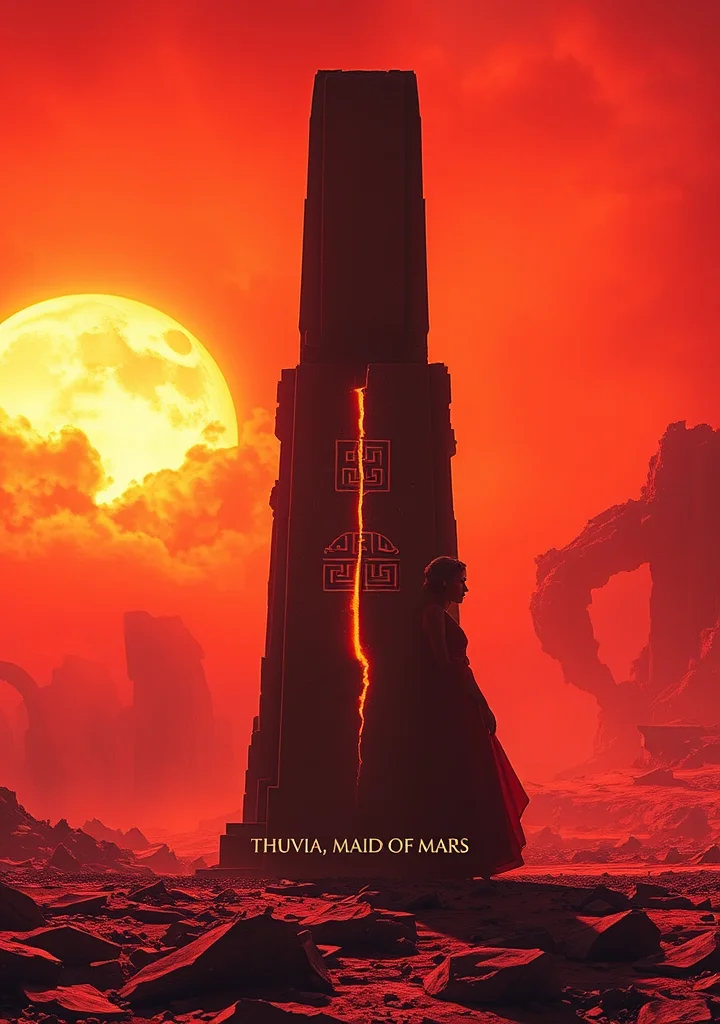
Crimson dust storms swirl around the crumbling cities of Barsoom, haunted by echoes of a forgotten, god-king’s reign. Thuvia, a captive princess of the scarlet desert, is a creature born of both beauty and brutal survival. Her prison isn’t stone and steel, but the gilded cage of a warlord’s desire, a life measured in stolen glances and the slow, creeping decay of hope. Burroughs paints a world where honor is a cracked veneer over savagery, where the air itself tastes of ancient betrayals. The narrative clings to Thuvia like the clinging dust, detailing her desperate bargains with shadowy figures in moonlit canyons, her escape fueled by cunning and the simmering resentment of those she’s wronged. Shadows lengthen with each whispered alliance, each stolen moment of defiance. The story unfolds amidst decaying grandeur, a melancholic dance of power and submission beneath the gaze of two moons. It is a descent into a fractured kingdom where love is a currency of desperation, and freedom is found only in the hollows of a decaying world, haunted by the ghosts of Martian ancestors. Every victory is stained with the ochre of the desert, a reminder that even salvation on Barsoom comes at a terrible cost.
Copyright: Public Domain
This license allows anyone to use your story for any purpose, including printing, selling, or adapting it into a film freely.
This license allows anyone to use your story for any purpose, including printing, selling, or adapting it into a film freely.
Recommended for you