
Departures and Fever
  • 59
  • 0
  • 19
  • Read 59
  • 0
  • Part 19
Completed, First published May 09, 2026

This novel traces a complex web of relationships shadowed by past trauma and crisis. The narrative details fraught exchanges as the protagonist navigates anxieties surrounding self-harm, abuse, and eating disorders revealed to those closest to her. Alongside these tensions, the story unfolds through a series of departures—intimate farewells filled with both love and the ache of separation. These moments are punctuated by episodes of illness, where care and support are offered by a network of partners. The excerpts reveal a world of intense emotional connection and vulnerability, exploring the delicate balance of trust and revelation.
Copyright: All Rights Reserved
No person is allowed to use, redistribute, or modify your work in any form without your explicit permission.
Recommended for you
38 Part
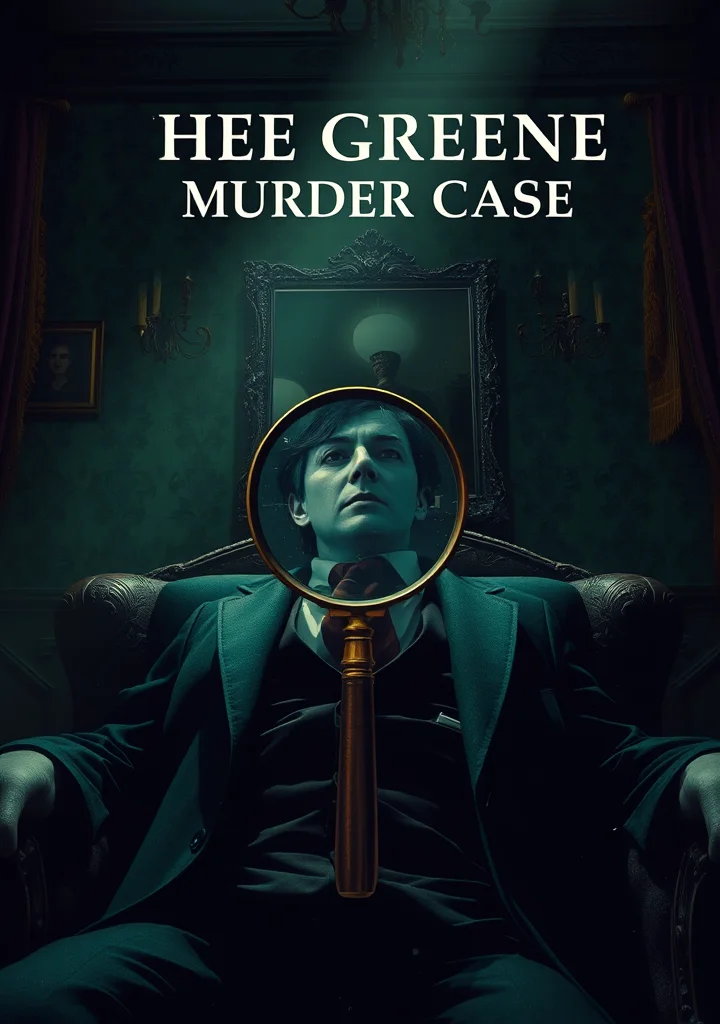
A suffocating fog clings to the opulent, yet decaying, mansions of post-war New York, mirroring the secrets festering within the Greene family. Within the suffocatingly ornate parlor, a labyrinth of shadowed furniture and dust-motes dancing in weak lamplight, lies the cold, rigid form of the millionaire, Simon Greene. The air itself tastes of old money, bitter regret, and the metallic tang of recent violence. Every polished surface reflects a fractured glimpse of the household—a brittle matriarch draped in mourning silks, a volatile son haunted by gambling debts, a niece with eyes like chipped emeralds, and a devoted secretary who whispers too softly to be believed. The investigation unravels not as a hunt for a killer, but as an excavation of a family’s rot. Each room breathes with suppressed resentments, each object—a misplaced letter, a chipped porcelain doll, a forgotten scent—becomes a morbid clue in a danse macabre of deceit. The narrative clings to the shadows like a creeping vine, thickening with the weight of unspoken accusations and the suffocating pressure of societal expectations. A relentless, almost clinical unraveling of alibis occurs, but the true horror isn't the method of murder, but the chilling realization that every member of this gilded cage possessed both motive and opportunity, their lives woven into a tapestry of suffocating desperation. The Greene house itself is a silent witness, its very architecture seeming to conspire to keep its secrets buried beneath layers of privilege and decay.
10 Part
A creeping dread clings to the cobbled streets of early 20th century Paris, where whispers follow the phantom touch of a surgeon’s steel. The air hangs thick with the scent of ether and decay, a perfume clinging to the shadowed alleys surrounding the Hôtel-Dieu. Leblanc weaves a narrative steeped in the city’s underbelly, charting the descent of Dr. Moreau, a man haunted by his own skill. His ‘cure’ for the melancholic elite is not one of scalpel and suture, but of exquisite, hollowed-out instruments – needles designed to bleed away not blood, but *feeling*. Each patient, willingly subjected to Moreau’s morbid artistry, leaves behind a fragment of their soul, meticulously extracted and preserved in glass ampoules. The doctor’s apartment, a labyrinth of anatomical charts and gleaming tools, becomes a reliquary for stolen grief. But the echoes of their lost passions begin to bleed into Moreau’s own life, manifesting as phantom pains, spectral visions, and a gnawing hunger for the very emptiness he inflicts. The novel unfolds in a suffocating claustrophobia, a slow unraveling of sanity within the gilded cages of Parisian high society. The gas lamps flicker, casting elongated shadows that dance with the ghosts of Moreau’s victims. The hollow needle doesn’t merely pierce flesh; it unlocks a void within, a darkness that threatens to consume not just the patients, but the very heart of the city itself. It’s a tale of obsession, of the grotesque beauty of sacrifice, and the terrifying weight of a soul stripped bare.