
Quiet Hours
  • 72
  • 0
  • 13
  • Read 72
  • 0
  • Part 13
Completed, First published May 09, 2026

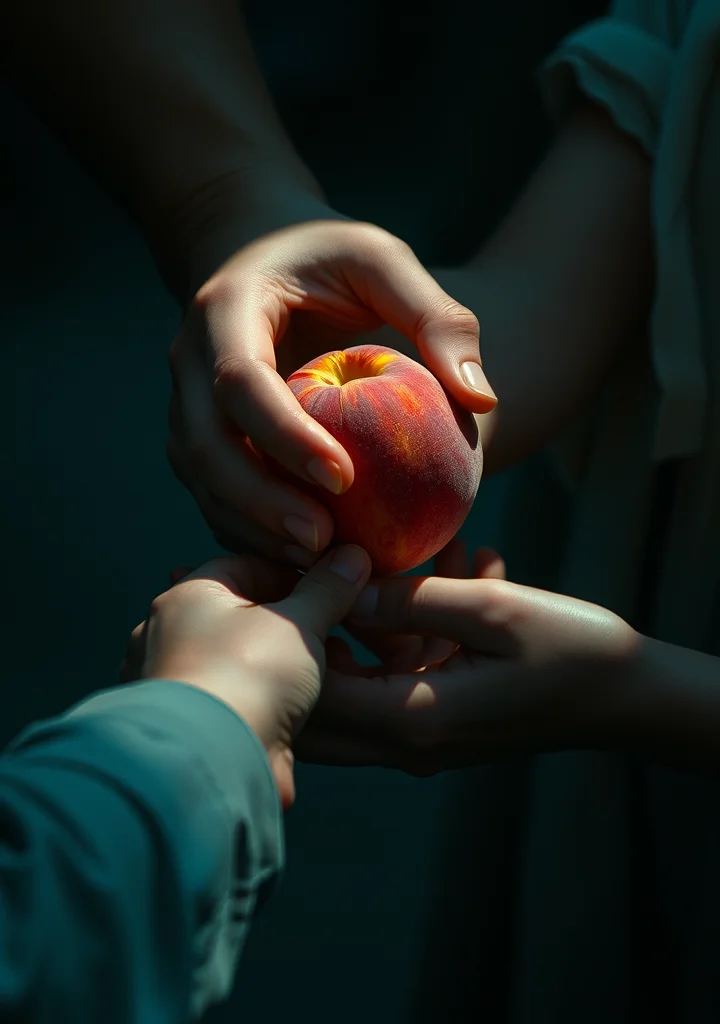
Quiet Hours unfolds through moments of quiet connection and subtle gestures. The narrative traces the lives of men navigating creative pressures and intense isolation, as Jungkook quietly supports Yoongi’s dedication to his music with a simple offering. Elsewhere, oppressive heat yields unexpected intimacy as Hoseok and Jungkook find solace in shared quiet moments. A fleeting encounter in a café reveals a man captivated by a young guitarist’s performance, highlighting the beauty found in brief, peaceful connections. These chapters suggest a story deeply attuned to the unspoken bonds between men and the solace found in quiet hours.
Copyright: All Rights Reserved
No person is allowed to use, redistribute, or modify your work in any form without your explicit permission.
Recommended for you
27 Part
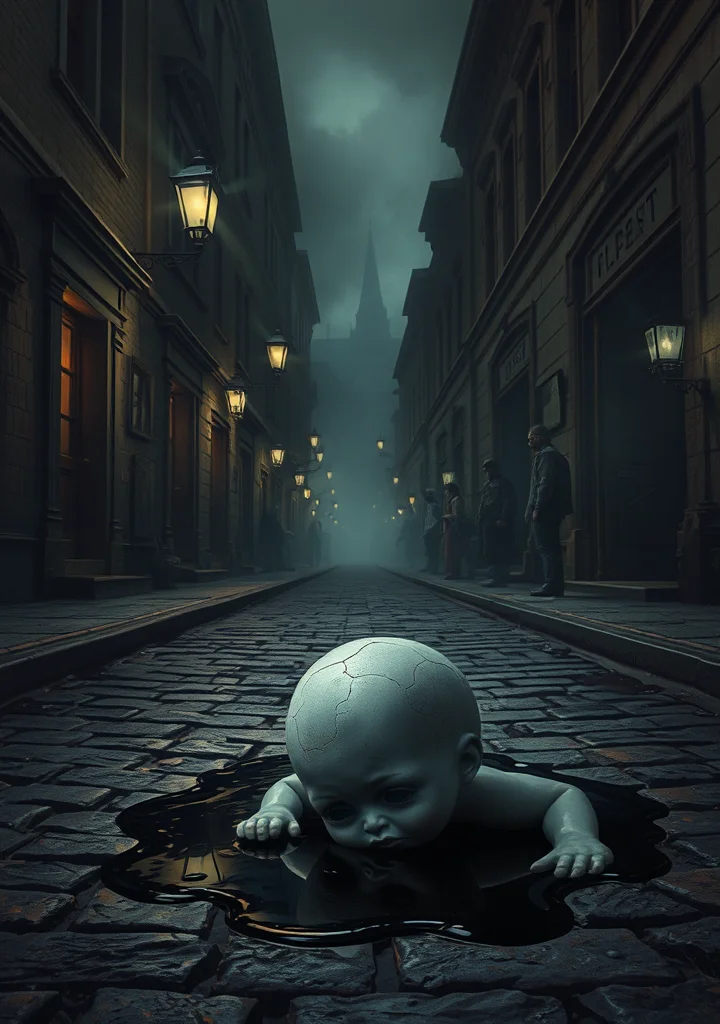
A creeping rot clings to the cobblestones of this unnamed city, where shadows stretch from gas lamps to strangle the last embers of hope. Jean Grave doesn't offer grand narratives of rebellion, but rather a descent into the marrow of decay, a slow unraveling witnessed through the eyes of those already half-consumed by the void. The air itself is thick with the stench of burnt ambition and the whispered anxieties of a populace fractured not by class, but by a creeping nihilism. Every alleyway breathes with the weight of forgotten gods and the hollow laughter of those who’ve traded their souls for fleeting moments of control. There’s no explosive uprising here, only the insidious bloom of apathy, a willing surrender to the encroaching darkness. Characters drift through decaying salons and labyrinthine sewers, their faces gaunt, their desires reduced to a desperate scramble for warmth and oblivion. The prose is less a story and more a haunting echo of fractured consciousness. It's a suffocating claustrophobia of crumbling brick, the metallic tang of blood on the tongue, and the chilling realization that the true anarchy isn't *against* society, but *within* it—a silent, internal crumbling of the will to resist the inevitable. This is not a revolution; it’s a slow, deliberate drowning in the silt of despair, where the last flickering embers of humanity are extinguished one by one, swallowed by the yawning maw of nothingness. The city *is* the monster, and it feeds on the ghosts of its own making.
48 Part
A creeping dread clings to the Scottish Highlands, mirroring the chill that settles over Alistair Grant as he returns to his ancestral estate. Not a homecoming, but a summons – a veiled plea from a crumbling manor steeped in generations of shadowed secrets. The air itself tastes of decay and whispered accusations, the stone walls breathing with the ghosts of those who vanished within its labyrinthine halls. Each sunrise feels less a dawn of hope and more a slow exposure of rot, revealing fissures not just in the stone, but within the very fabric of Grant’s family. The moorland stretches like a bruised landscape, mirroring the bruising of Alistair’s spirit as he unravels a legacy of ambition, betrayal, and the cold calculus of inheritance. The estate isn’t merely a place; it's a predator, drawing in those desperate to claim its fractured power. The narrative unfolds as a slow bleed of suspicion, each character a silhouette against a dying fire, their motives obscured by the encroaching fog. The narrative isn’t about what’s *seen*, but what lingers in the periphery - the scent of damp earth, the rustle of unseen wings, the weight of eyes watching from darkened windows. A sense of being watched permeates every page, a growing unease that settles like frost on the heather. It is a story of men consumed by their own histories, bound to a land that demands a reckoning for sins long buried. The Courts of the Morning aren’t merely a place of judgment, but a stage for a final, desperate act of penance – or revenge.