
Package and Threats
  • 8
  • 0
  • 1
  • Read 8
  • 0
  • Part 1
Completed, First published Jun 07, 2026

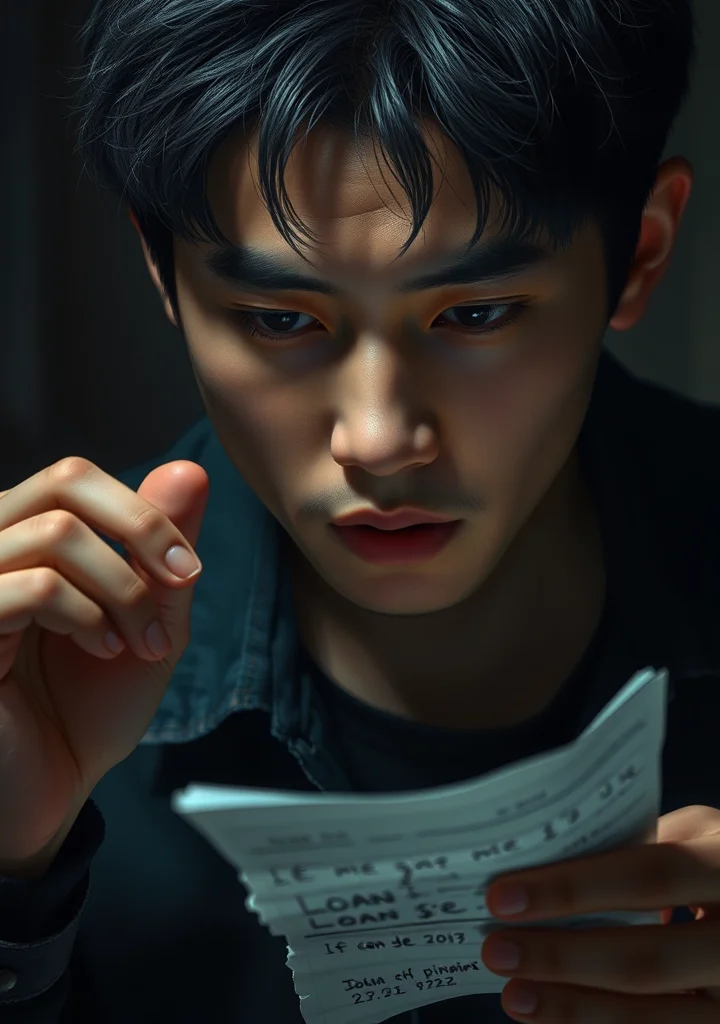
The narrative traces a complex web of interconnected lives, shadowed by financial strain and veiled threats. In this novel, Cass finds herself drawn into a dangerous request from a woman from her past, a favor involving a mysterious ‘package’ and a secretive operation. Meanwhile, Kim Taehyung navigates the pressures of his struggling corporation, Kim Cooperation, while a college freshman, Jungkook, faces brutal bullying alongside a family crisis potentially linked to Taehyung’s company. These chapters reveal a story unfolding across tense encounters and simmering anxieties, hinting at escalating stakes and deeply rooted conflicts.
Copyright: All Rights Reserved
No person is allowed to use, redistribute, or modify your work in any form without your explicit permission.
Recommended for you
25 Part
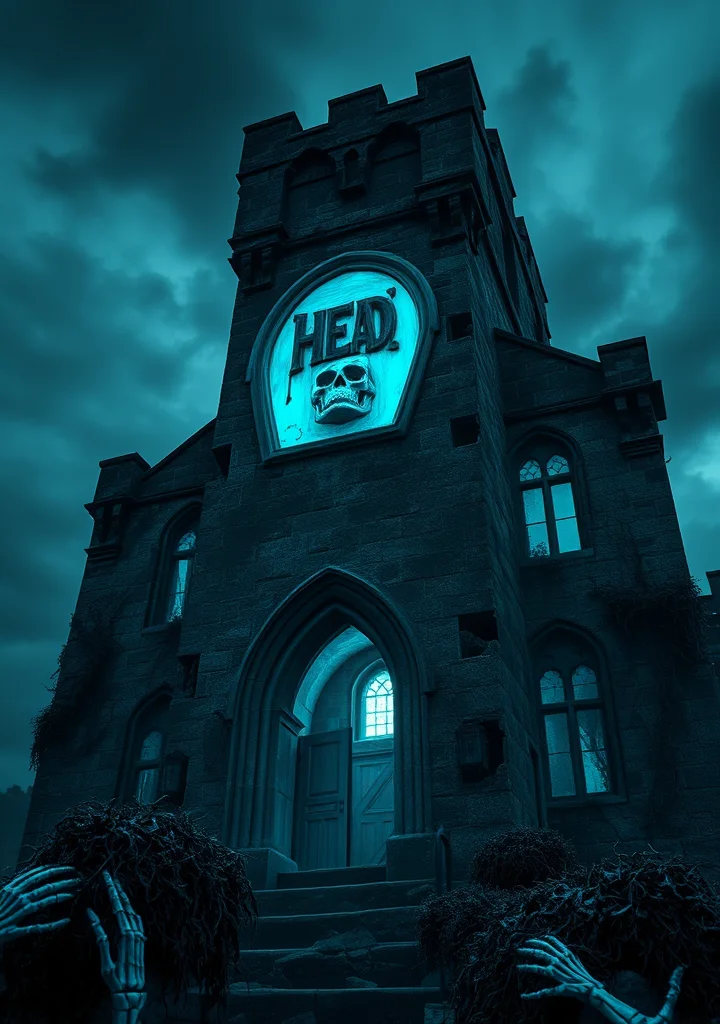
A creeping dread clings to the shadowed corners of Kay’s, a crumbling manor house where the scent of brine and decay mingle with the brittle laughter of forgotten things. Not the boisterous, sun-drenched world Wodehouse usually paints, but one submerged in perpetual twilight, where the sea gnaws at the foundations of sanity. The head, you see, is not a person, but a relic – a grotesque carving found wedged within the manor’s oldest tower, radiating a cold, insidious influence. The narrative unravels like seaweed on a corpse, choked with whispers of familial curses and the slow, suffocating weight of generations past. A young man, drawn to Kay’s by a dubious inheritance, finds himself trapped not by obligation, but by the house itself, its stone heart beating with a rhythm of madness. Fog rolls in with the tide, bringing with it fragmented memories, the ghosts of those who came before, and a chilling conviction that the head isn’t merely *found*, but *called* – summoned by a ritual of desperation, a pact made with something ancient and hungry in the depths. The rooms breathe with a suffocating stillness, each antique object a witness to a slow, unraveling horror. The air itself tastes of salt and regret. Even the sunlight, when it dares to pierce the gloom, feels tainted, reflecting off polished wood like the glint of teeth. A subtle rot pervades everything, a sense that the manor is not simply decaying, but actively *consuming* those who dare to linger within its walls, drawing them down into the suffocating darkness at the heart of Kay’s. The story is one of unraveling sanity, of a lineage haunted by its own desperate acts, and a growing, unbearable fear that the head isn't merely an object, but a gateway to something utterly, irrevocably lost.
40 Part
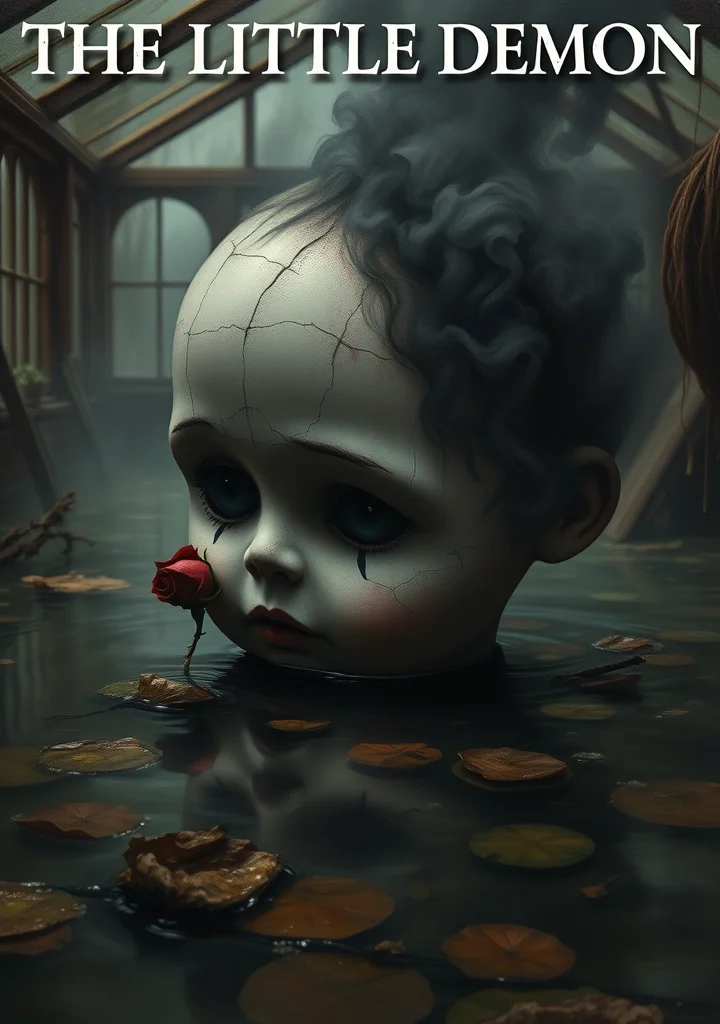
A creeping dread permeates the provincial air of this forgotten corner of Russia. The narrative clings to the suffocating heat of summer, to the stifling interiors of decaying estates, and the feverish imaginings of a boy named Mitya. He is not merely mischievous, but possessed—a vessel for something ancient and malevolent that stirs within the stagnant pools of his family’s decline. The story unfolds through the distorted lens of a local schoolmaster, obsessed with cataloging Mitya’s every transgression, every whispered blasphemy. But it is not Mitya's actions that haunt, but the suffocating weight of his inevitability. The boy’s ‘demonism’ isn't a mere childish outburst; it's a rot blooming from the heart of the land itself. Each chapter descends further into a mire of suspicion, where the boundary between reality and hallucination dissolves in the oppressive humidity. Whispers of pagan rites, the stench of decaying flowers, and the echoing silences of abandoned churches weave a tapestry of decay. The true horror isn't the boy’s monstrous acts, but the realization that the rot is not contained within him—it’s woven into the very fabric of their lives, a slow, insidious possession of the soul. The narrative is suffocated by the scent of dust, the weight of unsaid things, and the suffocating knowledge that something terrible has been unleashed, not upon the world, but *within* it. The atmosphere is one of unbearable, creeping stagnation—a world where even sunlight feels like a suffocating weight.
12 Part
A fever dream stitched from memory and the shadowed corners of the mind. This is not a tale of simple addiction, but a descent into a labyrinth of spectral gardens and opium-hued reveries. The prose itself breathes with a melancholic cadence, mirroring the author's fractured recollections. London fog clings to every sentence, obscuring the boundaries between waking and dreaming. Here, the weight of sorrow is not merely felt, but *seen* – vast, ruined castles built from regret loom in the distance, their spires piercing a sky perpetually stained with twilight. The narrative unravels like a silk shroud, revealing a childhood both idyllic and haunted. Each chapter is a fragment of a shattered looking-glass, reflecting distorted images of lost innocence and the corrosive power of secret desires. There's a pervasive sense of isolation, a man adrift in a sea of his own making, his memories both solace and torment. Expect not a linear progression, but a spiraling vortex of sensation, where the mundane becomes monstrous and the ethereal feels terrifyingly real. The author’s confessions are less about the drug itself, and more about the landscapes it unlocks – landscapes populated by phantom mothers, shimmering Arabian visions, and the insidious whisper of a soul consumed by longing. This is a book to be read by candlelight, with the windows shuttered, and a heart braced for the cold touch of remembrance. It is a descent into the architecture of grief, rendered in the shimmering, hallucinatory light of opium’s embrace.