
Scar and Ash
  • 11
  • 0
  • 1
  • Read 11
  • 0
  • Part 1
Completed, First published Jun 07, 2026

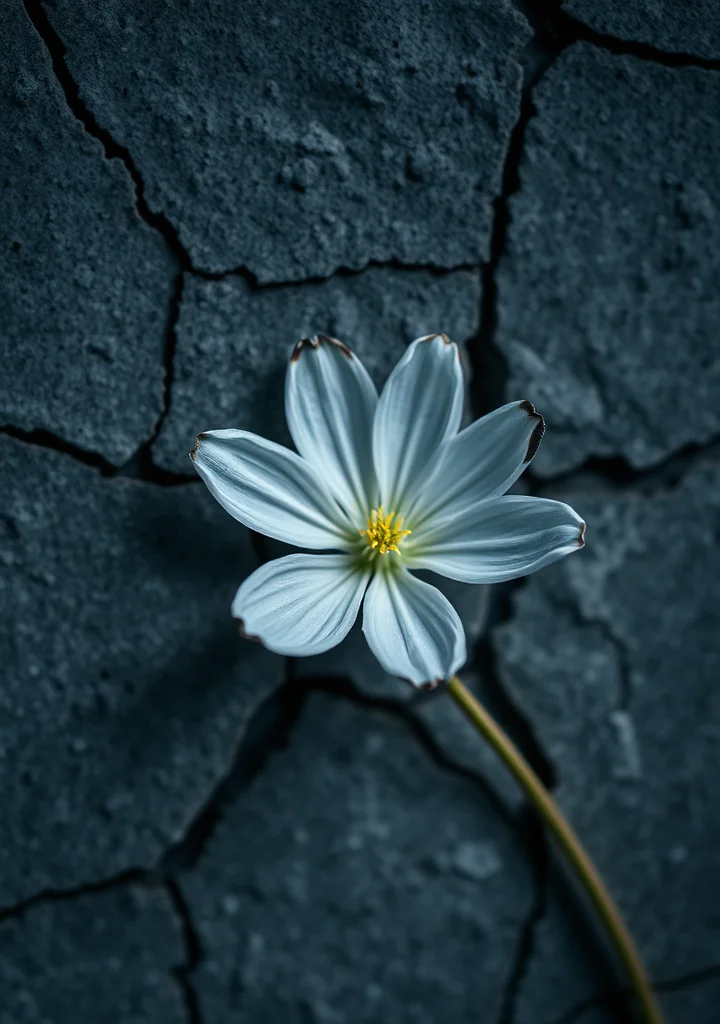
Scar and Ash traces a story steeped in resilience and shadowed by loss. The narrative opens with a poetic meditation on the delicate strength of an edelweiss flower, a symbol of youthful fearlessness. Later chapters reveal a woman haunted by a past trauma, marked by a scar and the memory of a boy named Leo. She seeks control through a desperate act of repetition—shooting—attempting to extinguish an internal fire. Meanwhile, a tight-knit trio navigates the anxieties of war, facing the grim reality of deployment and the foreboding sense that fate is closing in. These chapters hint at a story bound by friendship, loyalty, and the weight of resignation.
Copyright: All Rights Reserved
No person is allowed to use, redistribute, or modify your work in any form without your explicit permission.
Recommended for you
10 Part
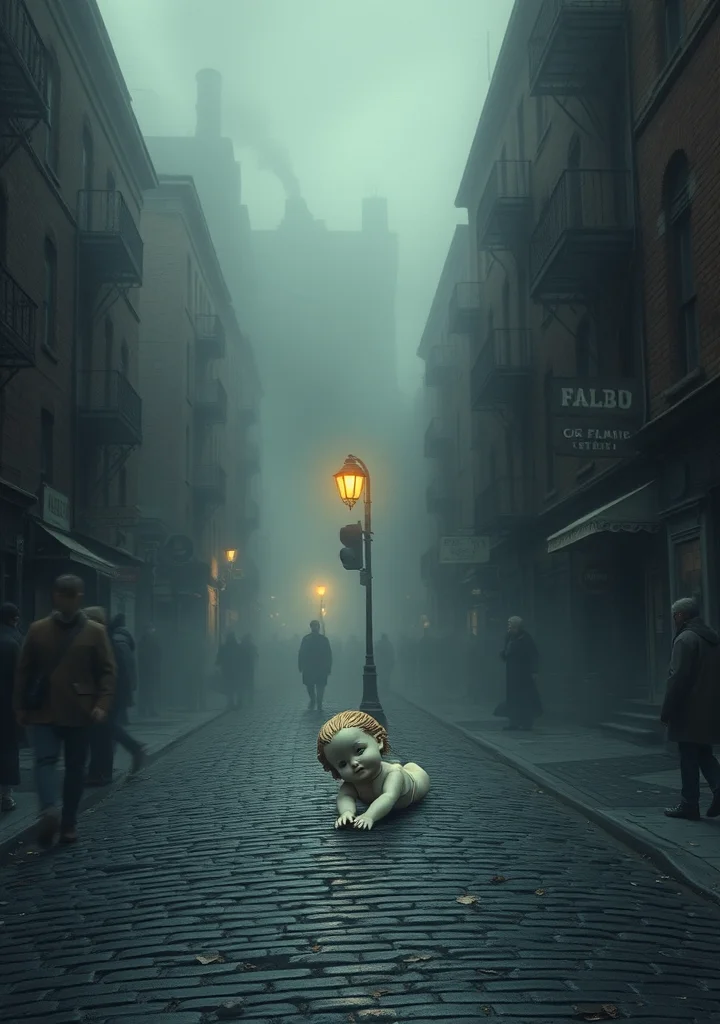
A creeping fog clings to the crumbling tenements of industrial cities, mirroring the stagnation within the minds of their inhabitants. This is not a tale of spectral hauntings, but of a more insidious decay—the erosion of connection, the calcification of habit. Within the labyrinthine streets, shadowed by factory smoke, faces blur, indistinguishable in their compliance. A suffocating sense of isolation permeates each brick edifice, each cobbled lane, a despair born not of malice, but of apathy. The narrative unfolds as a slow, suffocating descent into a world where individual will has been subsumed by the cold logic of the machine. Every transaction, every gesture, is a repetition of the meaningless. The weight of expectation, a leaden shroud, smothers any spark of genuine exchange. Voices, once vibrant with dissent, are reduced to murmurs, swallowed by the echoing chambers of a society built on pretense. A pervasive melancholy settles upon the reader, as they witness the quiet disintegration of shared purpose. The architecture itself seems to mourn, its decaying grandeur reflecting the decay of the civic spirit. A sense of dread permeates the very air—not a sudden, violent horror, but the chilling realization that the rot has taken root, and the edifice of public life is crumbling from within, leaving only hollow shells of expectation and regret. The silence is the loudest terror, a testament to the problem’s insidious, irreversible grip.
34 Part
Dust motes dance in the perpetual twilight of Dutch drawing rooms, mirroring the spectral procession of memory. A grand tour, ostensibly undertaken for convalescence, unravels instead into a slow, suffocating unraveling of the soul. The air hangs thick with the scent of decaying grandeur, of inherited melancholia clinging to velvet curtains and polished mahogany. Each meticulously described city – Rome, Florence, Naples – isn’t a destination, but a layer of gauze drawn over a festering wound. The protagonist, adrift amongst Roman ruins and Venetian canals, isn’t discovering Italy, but the hollowness at the core of his own existence. A creeping unease permeates every encounter, a sense of being observed by ghosts of past desires and unspoken betrayals. Sunlight feels less like illumination and more like a cruel exposure of fragility. The narrative breathes with the damp chill of catacombs, the suffocating opulence of decaying palazzi. It’s a tour not of places, but of the exquisite, agonizing precision with which one man’s spirit is disassembled, leaving only the echoing emptiness of rooms once filled with laughter and now haunted by the ghosts of a lost aristocracy. The silence between conversations is more potent than any confession, the weight of unspoken truths pressing down like the stone archways of forgotten chapels. It is a journey into the labyrinth of a heart, paved with regret and lit by the flickering flame of a dying ember.