
Beijo roubado, indesejado
  • 13
  • 0
  • 5
  • Read 13
  • 0
  • Part 5
Ongoing, First published May 23, 2026

Este romance segue uma jovem mulher navegando pressões acadêmicas e solidão como sua mãe parte em uma viagem de negócios, deixando um tutor, Jungkook, para agir como caseiro. Inesperadamente, a presença de Jungkook rapidamente se torna inquietante. A narrativa traça a tensão crescente como ele repetidamente cruza fronteiras, iniciando contato físico indesejado e exigindo um nível de intimidade que ela não está disposta a dar. Estes capítulos revelam uma dinâmica perturbadora de coerção e violação, levantando questões sobre os desequilíbrios de poder doméstico 'centros..
Copyright: All Rights Reserved
No person is allowed to use, redistribute, or modify your work in any form without your explicit permission.
Recommended for you
65 Part
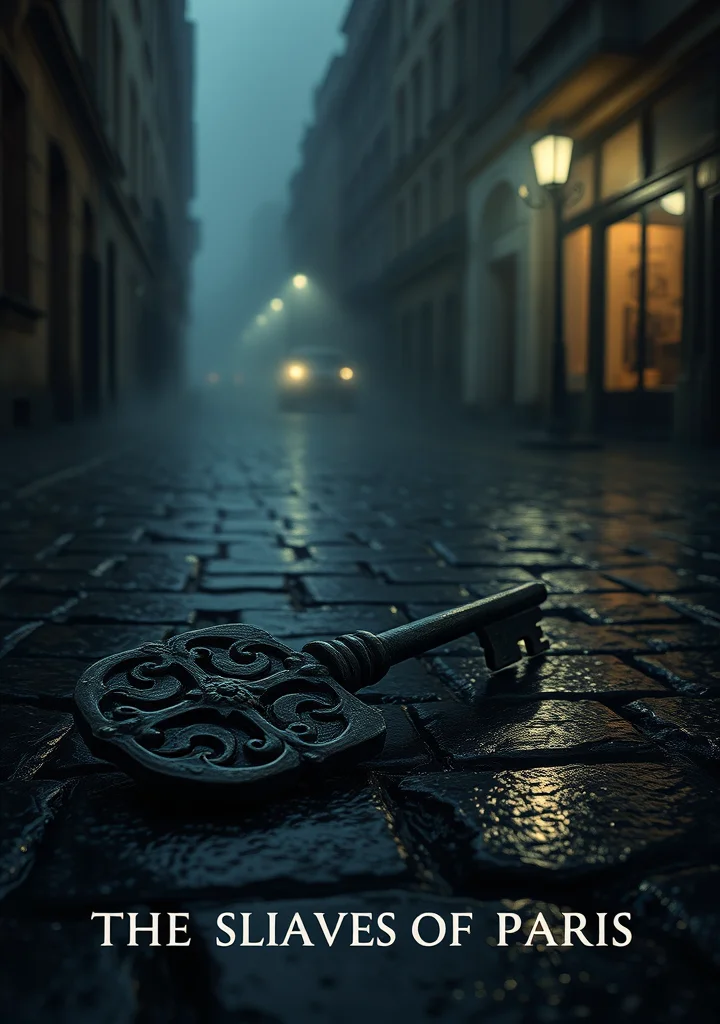
A suffocating fog clings to the cobblestones of Paris, mirroring the miasma of dread that seeps from the shadowed alleys and the decaying grandeur of the city’s heart. Gaboriau doesn’t offer a mere crime to unravel, but a descent into a labyrinthine underworld where the desperate are bound by debts of flesh and spirit to a cabal of silent, unseen masters. The air is thick with the scent of rot—not just of corpses discovered in the Seine, but of lives systematically broken down, of wills surrendered to a creeping, insidious control. Each chapter feels like a stolen glance through a keyhole, revealing glimpses of shadowed figures flitting between pawn shops and opium dens. The narrative winds through a decaying aristocracy, haunted by past sins and complicit in present ones, and a brutalized underworld of forgers, thieves, and the discarded. It’s a Paris where every whispered confidence is a transaction, every act of kindness a snare, and the boundaries between victim and predator blur into a sickening grey. The novel doesn't build to a climactic reveal, but rather unravels like a unraveling shroud, revealing not *who* commits the crimes, but *how* the very fabric of Parisian society is woven with corruption. A sense of helplessness pervades, a suffocating weight that descends with the Parisian rain. The reader is not merely observing a mystery; they’re being submerged in the moral decay of a city on the brink of collapse, where the only true currency is silence, and the price of freedom is paid in stolen breaths.
19 Part
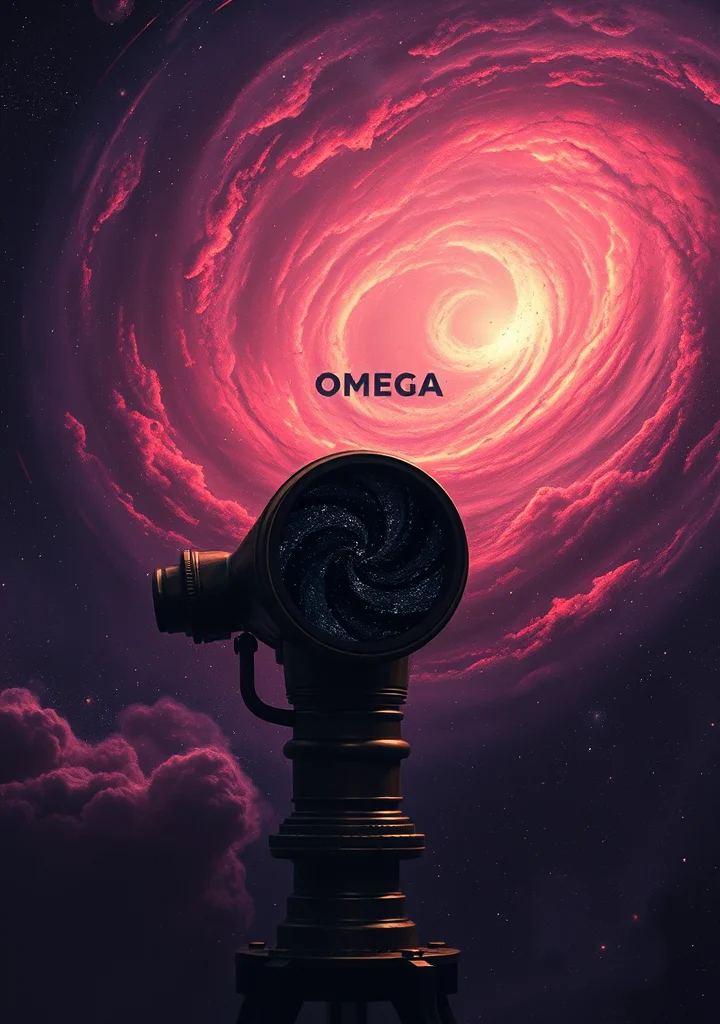
Dust motes dance in the perpetual twilight of the observatory, mirroring the spiraling descent into madness that consumes Dr. Elias Thorne. Flammarion’s *Omega* isn’t merely a tale of scientific obsession, but a slow erosion of sanity witnessed through the lens of a dying star. Thorne, charting the final collapse of a celestial body, finds his own reality fracturing—the boundaries between observation and hallucination, the known universe and the abyss, blurring with each passing night. The estate itself, a gothic monolith clinging to a windswept promontory, breathes with the same decaying rhythm as Thorne’s mind. Shadows lengthen, not from the setting sun, but from the encroaching void within. His journals, filled with frantic sketches and increasingly illegible equations, bleed into feverish pronouncements about a cosmic convergence—a point of ultimate dissolution where all things, including the self, return to the primal darkness. The air chills with the scent of ozone and decay, thick with the weight of unseen presences drawn to the observatory’s singular focus. A creeping dread seeps from the stone walls, mirroring the encroaching entropy of Thorne’s soul as he descends, not into the mysteries of the cosmos, but into the suffocating silence at its heart. The final pages, scrawled in a trembling hand, speak of a ritual—a desperate attempt to commune with the collapsing star, to *become* Omega, to embrace the oblivion that awaits all creation. It’s a descent not into hell, but into the echoing emptiness *beyond* it.