
A batida de Seul
  • 17
  • 0
  • 4
  • Read 17
  • 0
  • Part 4
Ongoing, First published May 24, 2026

A narrativa traça o caminho inesperado de uma jovem dançarina em direção ao estrelato idol. Inicialmente reconhecida por sua habilidade, a protagonista, Y / N, recebe uma oferta de mudança de vida da Big Hit Entertainment. Esses capítulos exigem sua excitação enquanto ela se prepara para o treinamento, embora surjam dicas de desafios futuros. Chegando às instalações de treinamento, Y / N rapidamente confronta uma realidade gritante: condições de vida apertadas e uma recepção menos do que acolhedora de colegas estagiários. Os trechos revelam uma dinâmica sala de treinamento..
Copyright: All Rights Reserved
No person is allowed to use, redistribute, or modify your work in any form without your explicit permission.
Recommended for you
23 Part
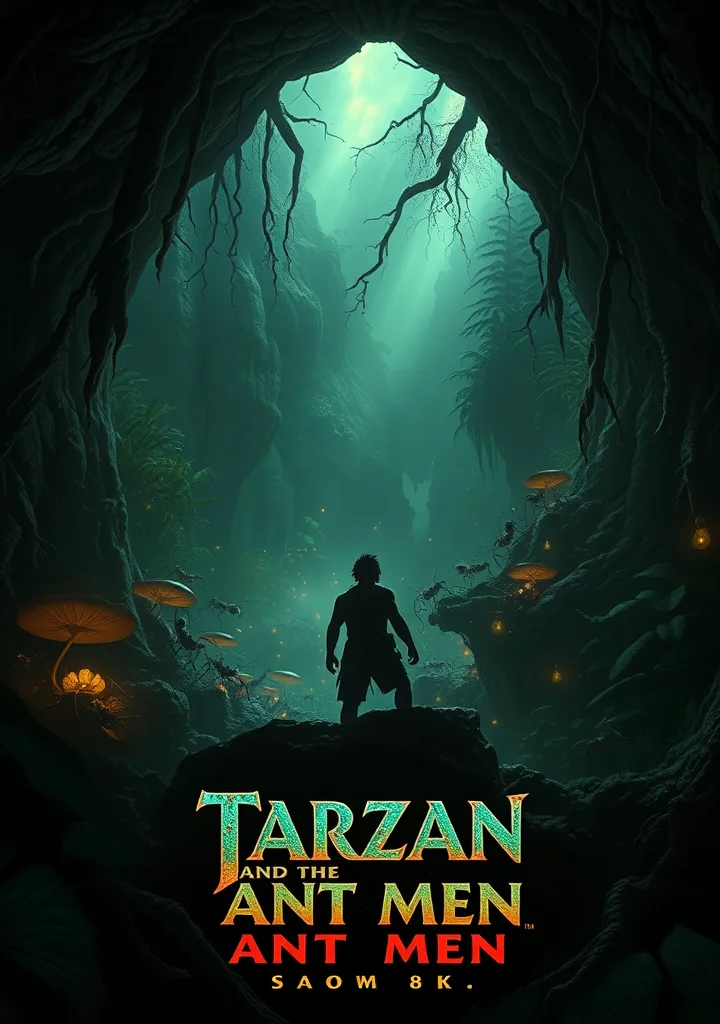
Beneath a bruised, equatorial sky, where the jungle breathes with suffocating humidity, this is not the Tarzan of legend, but a descent into a fever-dream of forgotten civilizations. The familiar echoes of his apanage are warped by the discovery of a subterranean world—a hive of chitinous bodies and clicking mandibles, a kingdom carved from the earth’s decaying heart. Here, amidst phosphorescent fungi and the drip of unseen waters, the line between man and insect blurs, and the savage grace of Tarzan is tested against a horror older than the jungle itself. The air hangs thick with the scent of decay and something acridly sweet, a perfume of living rot. Ancient, cyclopean structures rise from the darkness, their surfaces crawling with a silent, insidious life. This is a realm of perpetual twilight, where shadows twist into monstrous shapes and the whispers of the ant-men carry on currents of suffocating dread. Tarzan’s strength is not enough to conquer, only to survive, as he unravels a lineage of monstrous royalty and discovers that the apes of his youth were but a pale imitation of the true masters of this green hell. A creeping paranoia blooms within him, fueled by the knowledge that every grain of sand, every drop of water, holds the potential for a million biting, stinging deaths. It is a descent into a darkness where the very soil seems to conspire against him, and where the screams of the jungle are drowned out by the relentless, chitinous chorus of the underworld.
26 Part
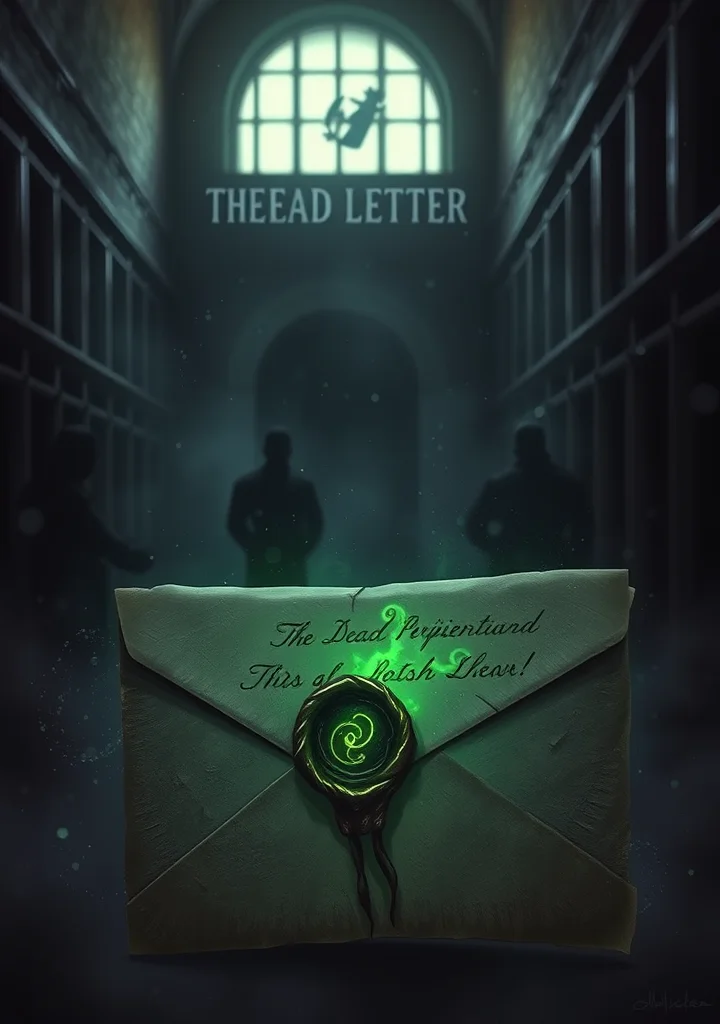
Dust motes dance in the perpetual twilight of Blackwood Penitentiary, where Elias Thorne, a cartographer of forgotten grief, meticulously charts the unraveling minds of the condemned. He doesn’t map territories of land, but the labyrinthine landscapes of despair etched onto the letters of the dead – missives intercepted from beyond the veil, penned by those who’ve tasted oblivion. Each spectral script is a fragment of a final reckoning, a whispered confession bleeding through the paper like ichor. The prison itself breathes with a cold, damp sorrow, the stones weeping with the memories of generations swallowed by its maw. Thorne believes the letters aren’t simply *about* death, but *from* it – echoes of fractured souls attempting to rebuild themselves from the wreckage of their final moments. But as he deciphers their chilling prose, a pattern emerges: a recurring symbol, a name whispered in every fractured script, and a creeping realization that Blackwood isn’t merely holding the dead, but *creating* them. The air thickens with the scent of decay and regret. Shadows cling to the corners of Thorne’s workshop, mirroring the shapes of his own unraveling sanity. He’s not just reading the dead’s last words; he’s becoming possessed by their final, suffocating breaths. The prison isn’t just a place of confinement; it's a crucible where the boundaries between the living and the dead dissolve, and the letters become keys to a descent into a darkness that consumes all who dare to decipher its secrets. The silence isn’t empty, but pregnant with the screams of those lost within the stone, waiting to be reborn from the ink of forgotten letters.
38 Part
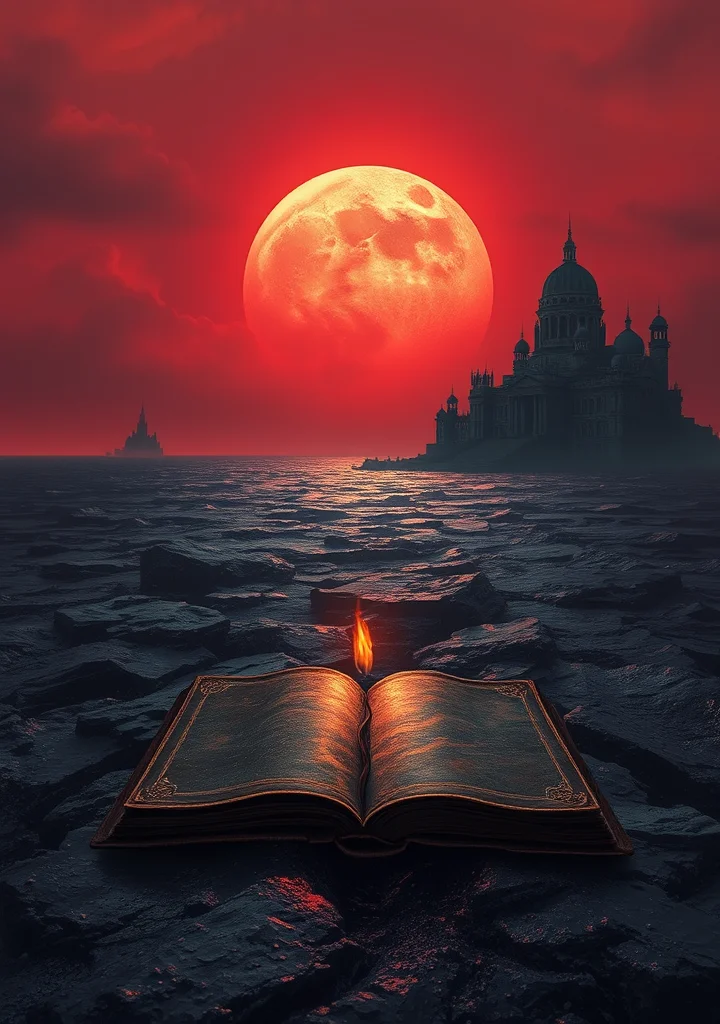
A creeping dread clings to the shores of a dying world. The sun bleeds crimson into a sea choked with silence, where the last echoes of humanity drift amongst the ruins of a forgotten paradise. This is not a tale of monstrous creation, but of monstrous *extinction*. A plague, born not of fever or rot, but of a profound and suffocating ennui, has withered the passions of men and women, leaving them listless, hollowed by a grief they cannot name. The narrative unfolds through journals discovered within a desolate, abandoned fortress – fragmented accounts of a scholar, Lionel, who watches the last vestiges of civilization crumble into dust. His observations are steeped in a melancholic beauty, documenting the slow, insidious unraveling of desire, ambition, even the will to *remember*. The air is thick with the scent of decay, not just of bodies, but of ideals. Every stone whispers of loss, every shadow holds the weight of a forgotten generation. Lionel’s desperate attempts to preserve memory – to catalogue the last songs, the last stories, the last faces – are rendered all the more agonizing by the realization that even *he* is fading, becoming a ghost amongst ghosts. The sea, a constant, mournful presence, mirrors the encroaching nothingness. It is a world adrift, haunted by the ghosts of its own futility, where the final act is not a dramatic struggle, but a quiet surrender to the encroaching darkness, a slow, deliberate letting go of everything that once made life worth living. The final man is not a hero, but a witness, documenting the last, shuddering breaths of a species consumed by its own emptiness.