
-
Read 366
-
0
-
Part 24
Completed, First published Mar 02, 2026
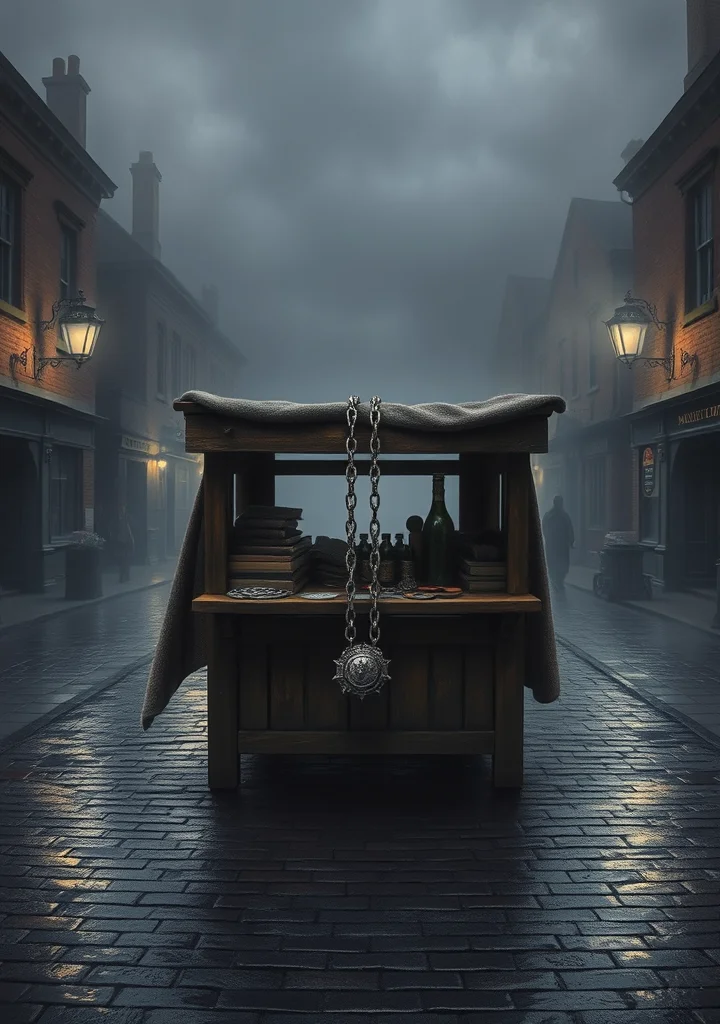
Dust motes dance in the long, shadowed halls of memory, each meticulously cataloged observation a chipped tile in the edifice of a life laid bare. Though ostensibly a chronicle of industry and civic virtue, Franklin’s self-portrait is haunted by the chill of ambition, the scent of printer’s ink mingling with the subtle rot of moral compromise. Philadelphia itself breathes as a suffocating labyrinth of cobbled streets and whispered deals, its prosperity built on the quiet corrosion of human need. The very prose, so polished and pragmatic, feels less a record of achievement than a carefully constructed bulwark against the encroaching darkness of regret.
A meticulous cataloging of virtues becomes, under scrutiny, a ledger of calculated omissions. Each anecdote, each carefully calibrated act of benevolence, casts a lengthening shadow of self-interest. The portrait is not of a man ascending, but of one building his own gilded cage, brick by painstaking brick, fueled by the cold embers of a calculating mind. The narrative exhales a perpetual twilight, a sense of things unsaid, of bargains struck in dimly lit rooms where the true cost of progress remains stubbornly, beautifully obscured. It is a confession, not of sin, but of the exquisite art of self-deception.
Copyright: Public Domain
This license allows anyone to use your story for any purpose, including printing, selling, or adapting it into a film freely.
This license allows anyone to use your story for any purpose, including printing, selling, or adapting it into a film freely.
Chapter List
-
« The Autobiography of Benjamin Franklin »📖 Continue Reading
-
« Introduction »
-
« The Story of the Autobiography »
-
« Chapter_5 »
-
« The Autobiography of Benjamin Franklin »
-
« I »
-
« II »
-
« III »
-
« IV »
-
« V »
-
« VI »
-
« VII »
-
« VIII »
-
« IX »
-
« X »
-
« XI »
-
« XII »
-
« XIII »
-
« XIV »
-
« XV »
-
« XVI »
-
« XVII »
-
« XVIII »
-
« XIX »
More like this