
-
Read 496
-
0
-
Part 30
Completed, First published Mar 02, 2026
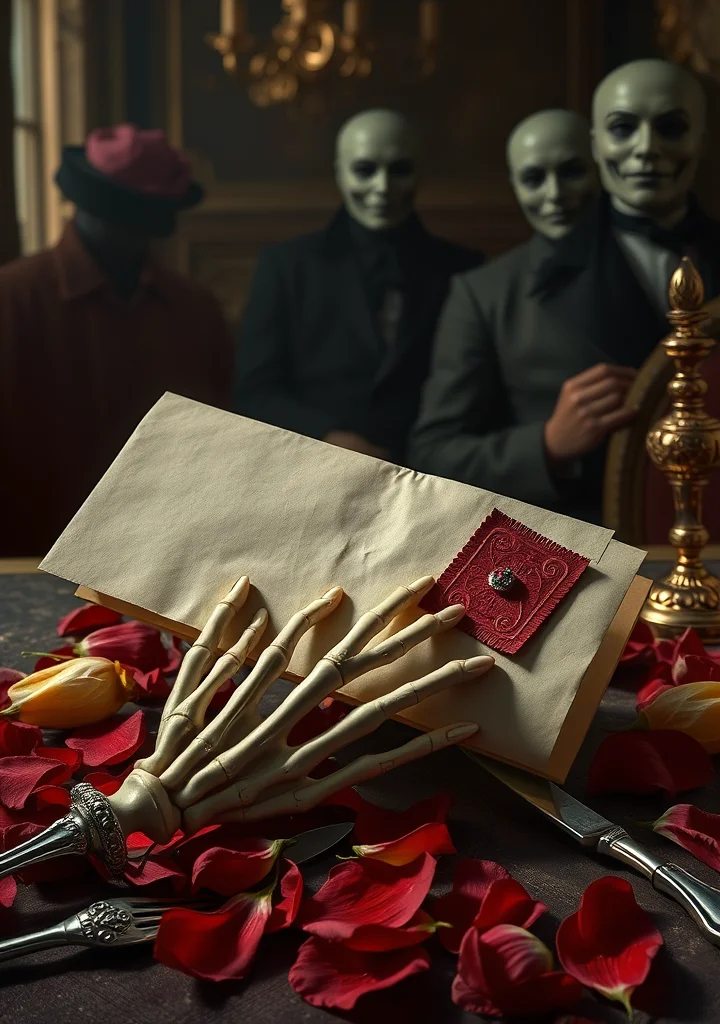
A suffocating fog clings to the cobbled streets of late Victorian London, mirroring the moral decay that festers within its gilded drawing rooms. The Gadfly, Caradoc James, is a phantom of righteous fury, a man deliberately constructed as a thorn in the side of a complacent society. He doesn’t preach revolution; he *becomes* its sting, whispering dissent into the ears of the disillusioned, the betrayed, and the quietly desperate. His touch is one of icy precision, dissecting the hypocrisy of the powerful with surgical precision, leaving behind only the echoing chill of exposed wounds.
The narrative unfolds in shadowed parlours and suffocatingly opulent estates, steeped in the scent of decaying lilies and regret. Voynich doesn’t focus on grand political machinations, but on the insidious erosion of individual spirit under the weight of societal expectation. Each act of defiance, each carefully placed revelation, is less a triumph and more a haunting lament—a slow, deliberate unraveling of faith and innocence.
The air is thick with secrets, with the stifled cries of women trapped within gilded cages, with the silent bargains struck in darkened corridors. A creeping sense of claustrophobia pervades, not from physical confinement, but from the suffocating weight of unspoken truths. The Gadfly himself is less a man than a contagion, spreading his unsettling influence through a network of whispers and shadowed glances. His legacy isn’t liberation, but a pervasive unease—a realization that the foundations of this meticulously constructed world are built on a bedrock of lies. It is a darkness that doesn't merely threaten to consume, but to quietly, irrevocably *transform*.
Copyright: Public Domain
This license allows anyone to use your story for any purpose, including printing, selling, or adapting it into a film freely.
This license allows anyone to use your story for any purpose, including printing, selling, or adapting it into a film freely.
More like this