
-
Read 317
-
0
-
Part 14
Completed, First published Mar 02, 2026
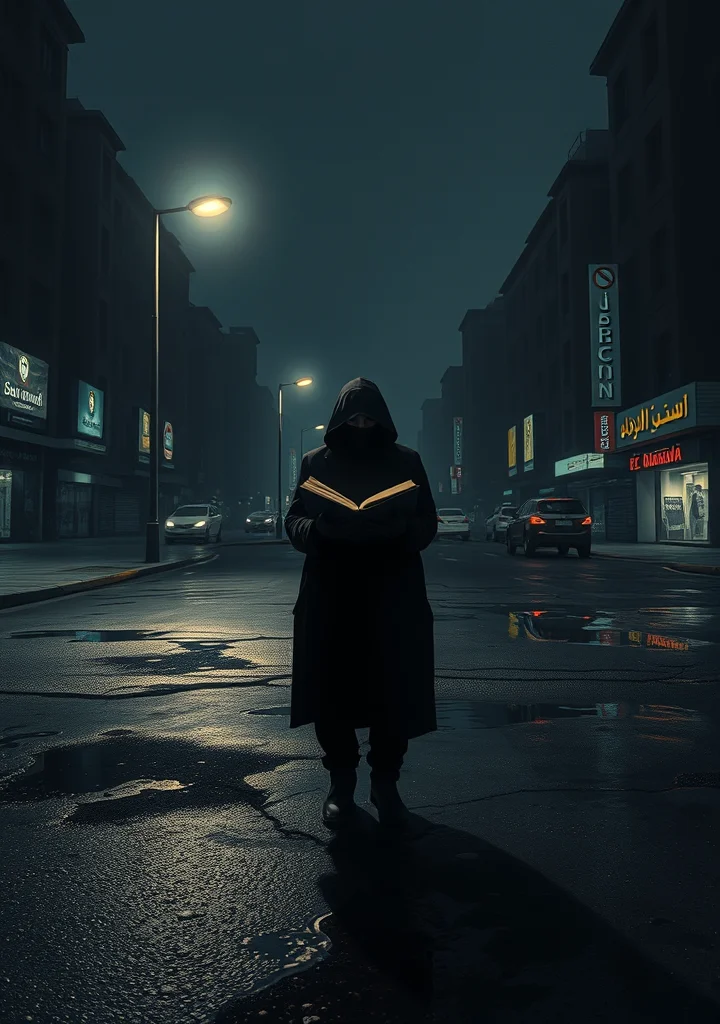
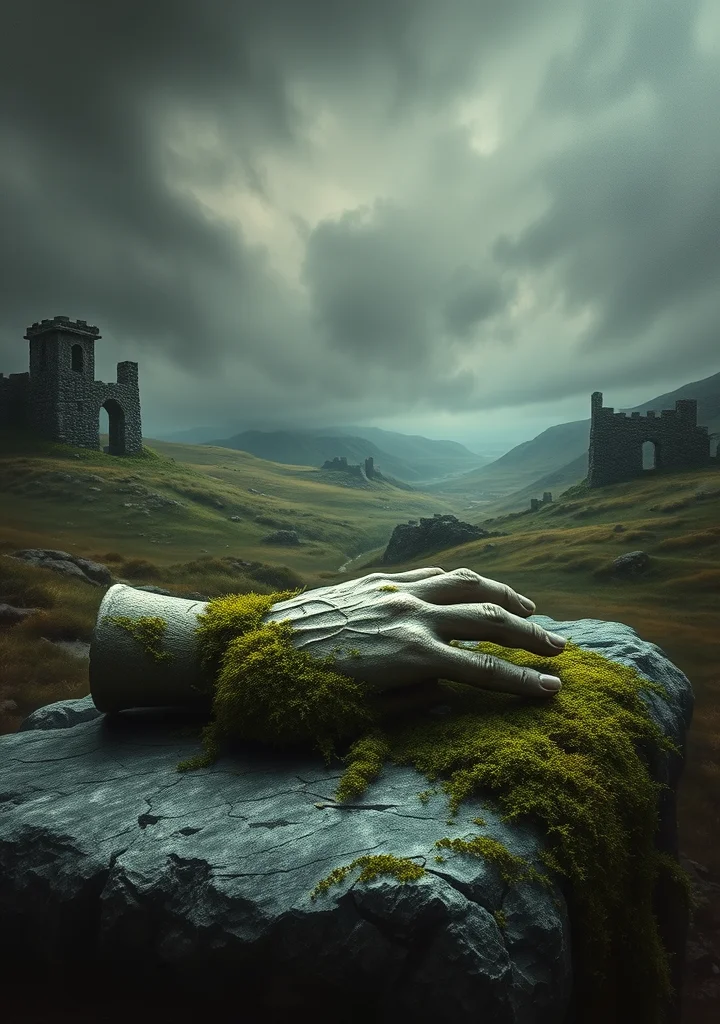
A creeping dread clings to the moorland air, thick with the scent of damp earth and decaying stone. This is a valley steeped in shadow, where ancient grudges fester and the very soil seems to remember violence. A severed hand delivered to a London detective sparks a descent into a remote, isolated corner of England – a place where the echoes of a forgotten American tragedy reverberate through generations. The narrative unfolds with the suffocating weight of isolation, the oppressive silence punctuated only by the howl of the wind and the whispers of fear-haunted locals. Within the shadowed confines of a decaying manor house, a web of suspicion tightens around a handful of desperate men, each haunted by secrets and driven to the brink of madness. The valley itself is a character – a brooding presence that breeds paranoia, where the line between sanity and terror blurs with every encroaching dusk. A palpable sense of doom permeates the atmosphere, a premonition of violence that hangs heavy in the air, promising a final, brutal reckoning amidst the crumbling ruins and the desolate, unforgiving landscape. It’s a story not of deduction alone, but of a descent into primal fear, where the darkness within men mirrors the darkness of the valley they inhabit.
Copyright: Public Domain
This license allows anyone to use your story for any purpose, including printing, selling, or adapting it into a film freely.
This license allows anyone to use your story for any purpose, including printing, selling, or adapting it into a film freely.
Recommended for you