
-
Read 597
-
0
-
Part 40
Completed, First published Mar 02, 2026
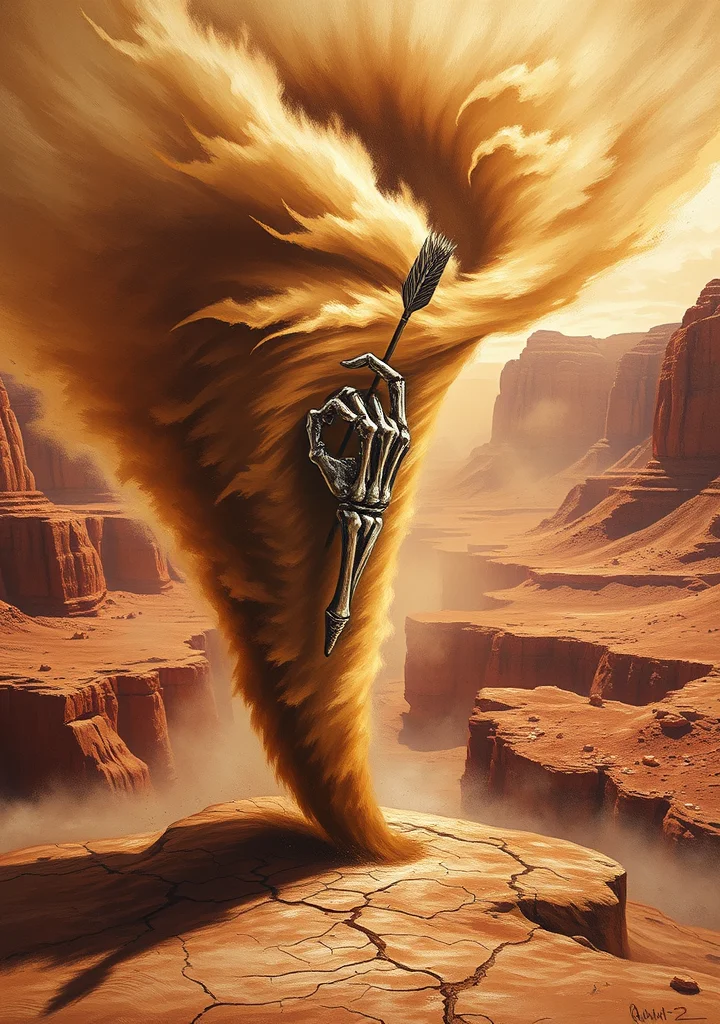
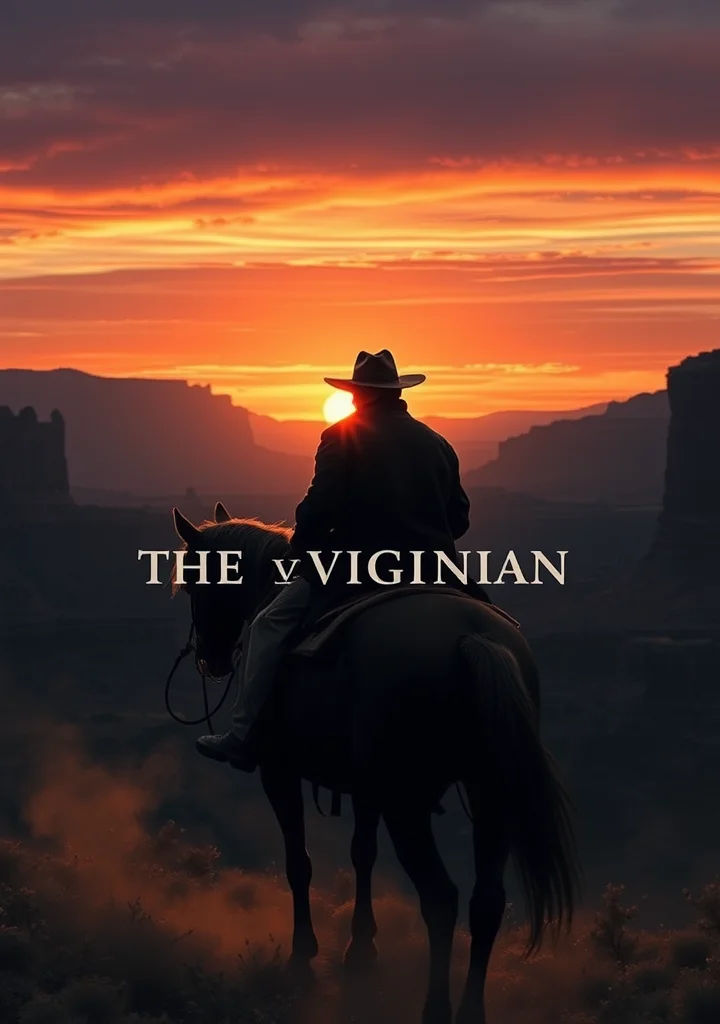
Dust hangs heavy in the shadowed canyons of Wyoming, clinging to the sparse scrub and the weathered hides of cattle. This is a land bled dry of sentiment, where a man’s worth is measured by the steel in his hand and the silence he keeps. The Virginian, a phantom riding the ragged edges of civilization, embodies that harsh code. But beneath the stoicism, a current of longing twists through the narrative, a desperate ache for a gentler world that can never truly be grasped. The story unfolds like a slow burn beneath a relentless sun, steeped in the melancholic beauty of a dying West. It's a tale of honor tested against the brutal realities of frontier justice, where the lines between righteousness and revenge blur in the vast, unforgiving landscape. A creeping loneliness permeates the tale, a sense of isolation that mirrors the barren plains themselves. The Virginian’s very virtue feels like a burden, a fragile bloom destined to wither in the arid air. The shadow of the outlaw, the weight of unspoken desires, and the haunting echoes of a lost innocence—these are the specters that ride alongside him, woven into the very fabric of the land. It’s not merely a story of cowboys and cattle, but a haunting elegy for a way of life swallowed by the encroaching darkness of progress.
Copyright: Public Domain
This license allows anyone to use your story for any purpose, including printing, selling, or adapting it into a film freely.
This license allows anyone to use your story for any purpose, including printing, selling, or adapting it into a film freely.
Chapter List
-
« The Virginian »📖 Continue Reading
-
« Chapter_3 »
-
« To the Reader »
-
« The Virginian »
-
« I »
-
« II »
-
« III »
-
« IV »
-
« V »
-
« VI »
-
« VII »
-
« VIII »
-
« IX »
-
« X »
-
« XI »
-
« XII »
-
« XIII »
-
« XIV »
-
« XV »
-
« XVI »
-
« XVII »
-
« XVIII »
-
« XIX »
-
« XX »
-
« XXI »
-
« XXII »
-
« XXIII »
-
« XXIV »
-
« XXV »
-
« XXVI »
-
« XXVII »
-
« XXVIII »
-
« XXIX »
-
« XXX »
-
« XXXI »
-
« XXXII »
-
« XXXIII »
-
« XXXIV »
-
« XXXV »
-
« XXXVI »
40
-
« The Virginian »
-
« Chapter_3 »
-
« To the Reader »
-
« The Virginian »
-
« I »
-
« II »
-
« III »
-
« IV »
-
« V »
-
« VI »
-
« VII »
-
« VIII »
-
« IX »
-
« X »
-
« XI »
-
« XII »
-
« XIII »
-
« XIV »
-
« XV »
-
« XVI »
-
« XVII »
-
« XVIII »
-
« XIX »
-
« XX »
-
« XXI »
-
« XXII »
-
« XXIII »
-
« XXIV »
-
« XXV »
-
« XXVI »
-
« XXVII »
-
« XXVIII »
-
« XXIX »
-
« XXX »
-
« XXXI »
-
« XXXII »
-
« XXXIII »
-
« XXXIV »
-
« XXXV »
-
« XXXVI »
More like this