
-
Read 859
-
0
-
Part 89
Completed, First published Mar 02, 2026
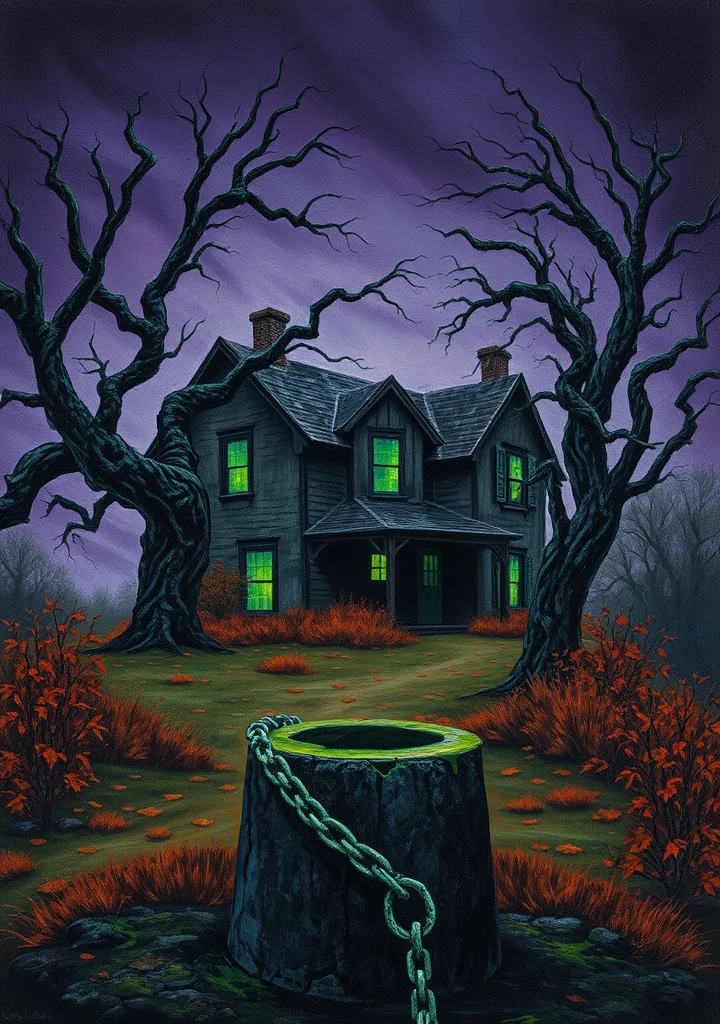
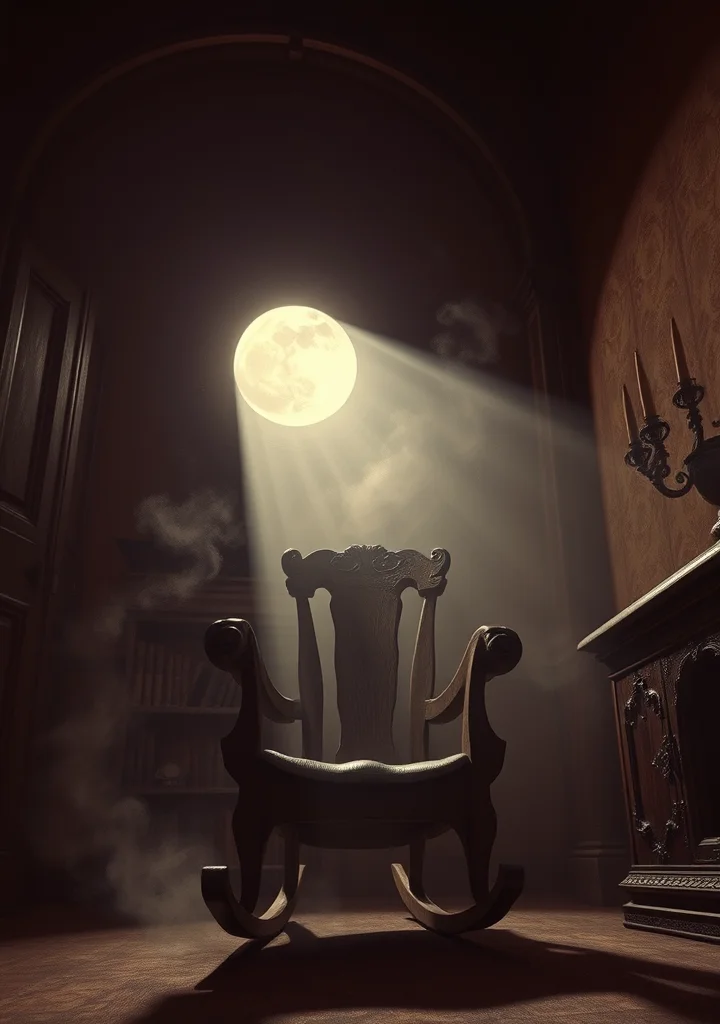
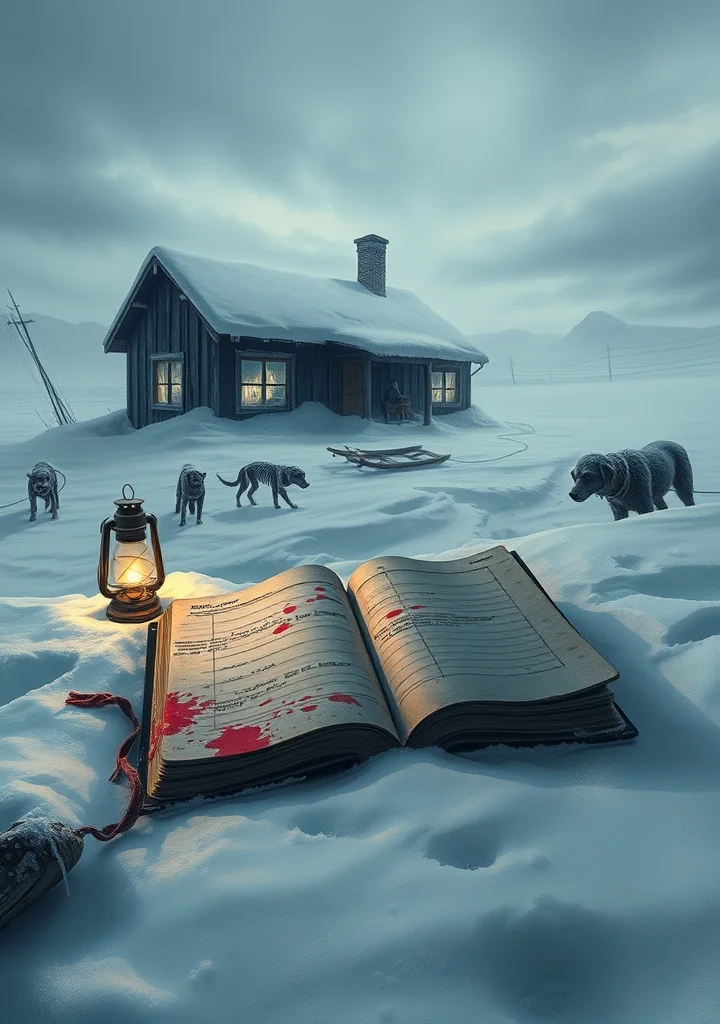
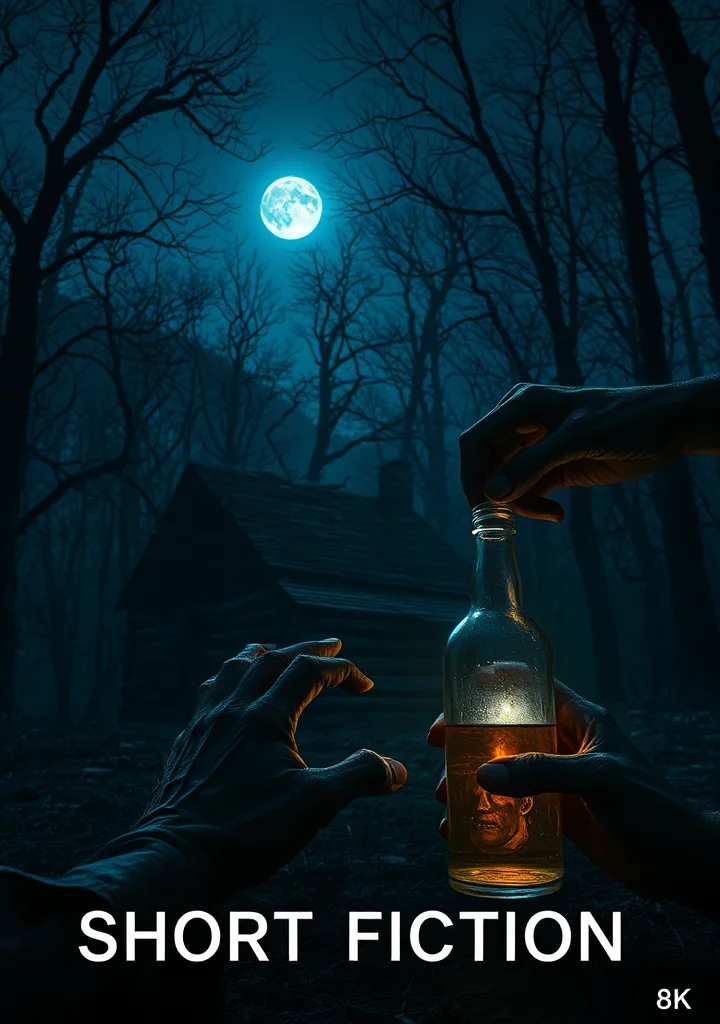
Dust motes dance in the perpetual twilight of the Appalachian hollows, clinging to the damp rot of forgotten cabins and the spectral shimmer of moonshine stills. Here, the mountains breathe with an ancient, watchful silence, broken only by the mournful howl of hounds or the rustle of something unseen in the laurel thickets. Wellman’s stories aren’t tales of monsters *in* the woods, but of the woods *becoming* monstrous – twisting familiar faces into grotesque masks of need and greed. Each narrative clings like Spanish moss to decaying timber, weaving a slow, creeping dread born not of supernatural horrors, but of the quiet desperation of men driven to the edge of reason by isolation and want. The air hangs thick with the scent of pine needles and decay, mirroring the moral rot that festers within the mountain folk. These aren't jump-scare frights; they are the slow, suffocating weight of loneliness, the unsettling realization that the darkness isn't just *around* you, but *within* you, mirroring the hollow ache of a life lived too long in the shadow of the peaks. A single, flickering lamp against a vast, indifferent wilderness; that is the heart of these stories, and the chilling breath of something ancient stirring in the shadowed gullies.
Copyright: Public Domain
This license allows anyone to use your story for any purpose, including printing, selling, or adapting it into a film freely.
This license allows anyone to use your story for any purpose, including printing, selling, or adapting it into a film freely.
Chapter List
-
« Short Fiction »📖 Continue Reading
-
« Back to the Beast »
-
« Chapter_4 »
-
« Chapter_5 »
-
« Chapter_6 »
-
« Chapter_7 »
-
« The Invading Asteroid »
-
« I »
-
« II »
-
« III »
-
« IV »
-
« The Golgotha Dancers »
-
« The Hairy Ones Shall Dance »
-
« Foreword »
-
« I »
-
« II »
-
« III »
-
« IV »
-
« V »
-
« VI »
-
« VII »
-
« VIII »
-
« IX »
-
« X »
-
« XI »
-
« XII »
-
« XIII »
-
« XIV »
-
« XV »
-
« Foreword »
-
« Foreword »
-
« I »
-
« II »
-
« III »
-
« IV »
-
« V »
-
« VI »
-
« VII »
-
« VIII »
-
« IX »
-
« X »
-
« XI »
-
« XII »
-
« XIII »
-
« XIV »
-
« XV »
-
« Fearful Rock »
-
« I »
-
« II »
-
« III »
-
« IV »
-
« V »
-
« VI »
-
« VII »
-
« VIII »
-
« IX »
-
« X »
-
« XI »
-
« XII »
-
« XIII »
-
« XIV »
-
« XV »
-
« The Valley Was Still »
-
« The Witch’s Cat »
-
« The Song of the Slaves »
-
« Chapter_67 »
-
« Bratton’s Idea »
-
« The Devil’s Asteroid »
-
« Chapter_70 »
-
« Chapter_71 »
-
« Chapter_72 »
-
« Venus Enslaved »
-
« I »
-
« I »
-
« II »
-
« III »
-
« IV »
-
« V »
-
« VI »
-
« VII »
-
« Warrior of Two Worlds »
-
« I »
-
« II »
-
« III »
-
« IV »
-
« V »
-
« VI »
-
« All Were Monsters »
-
« Half Around Pluto »
89
-
« Short Fiction »
-
« Back to the Beast »
-
« Chapter_4 »
-
« Chapter_5 »
-
« Chapter_6 »
-
« Chapter_7 »
-
« The Invading Asteroid »
-
« I »
-
« II »
-
« III »
-
« IV »
-
« The Golgotha Dancers »
-
« The Hairy Ones Shall Dance »
-
« Foreword »
-
« I »
-
« II »
-
« III »
-
« IV »
-
« V »
-
« VI »
-
« VII »
-
« VIII »
-
« IX »
-
« X »
-
« XI »
-
« XII »
-
« XIII »
-
« XIV »
-
« XV »
-
« Foreword »
-
« Foreword »
-
« I »
-
« II »
-
« III »
-
« IV »
-
« V »
-
« VI »
-
« VII »
-
« VIII »
-
« IX »
-
« X »
-
« XI »
-
« XII »
-
« XIII »
-
« XIV »
-
« XV »
-
« Fearful Rock »
-
« I »
-
« II »
-
« III »
-
« IV »
-
« V »
-
« VI »
-
« VII »
-
« VIII »
-
« IX »
-
« X »
-
« XI »
-
« XII »
-
« XIII »
-
« XIV »
-
« XV »
-
« The Valley Was Still »
-
« The Witch’s Cat »
-
« The Song of the Slaves »
-
« Chapter_67 »
-
« Bratton’s Idea »
-
« The Devil’s Asteroid »
-
« Chapter_70 »
-
« Chapter_71 »
-
« Chapter_72 »
-
« Venus Enslaved »
-
« I »
-
« I »
-
« II »
-
« III »
-
« IV »
-
« V »
-
« VI »
-
« VII »
-
« Warrior of Two Worlds »
-
« I »
-
« II »
-
« III »
-
« IV »
-
« V »
-
« VI »
-
« All Were Monsters »
-
« Half Around Pluto »
More like this