
-
Read 579
-
0
-
Part 41
Completed, First published Mar 02, 2026
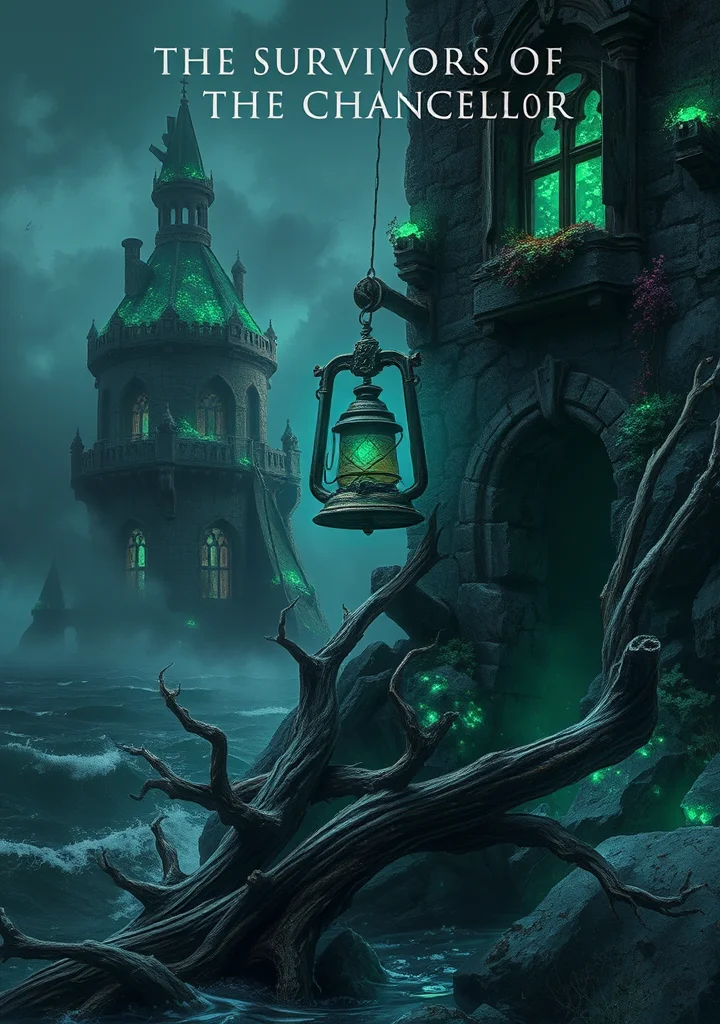
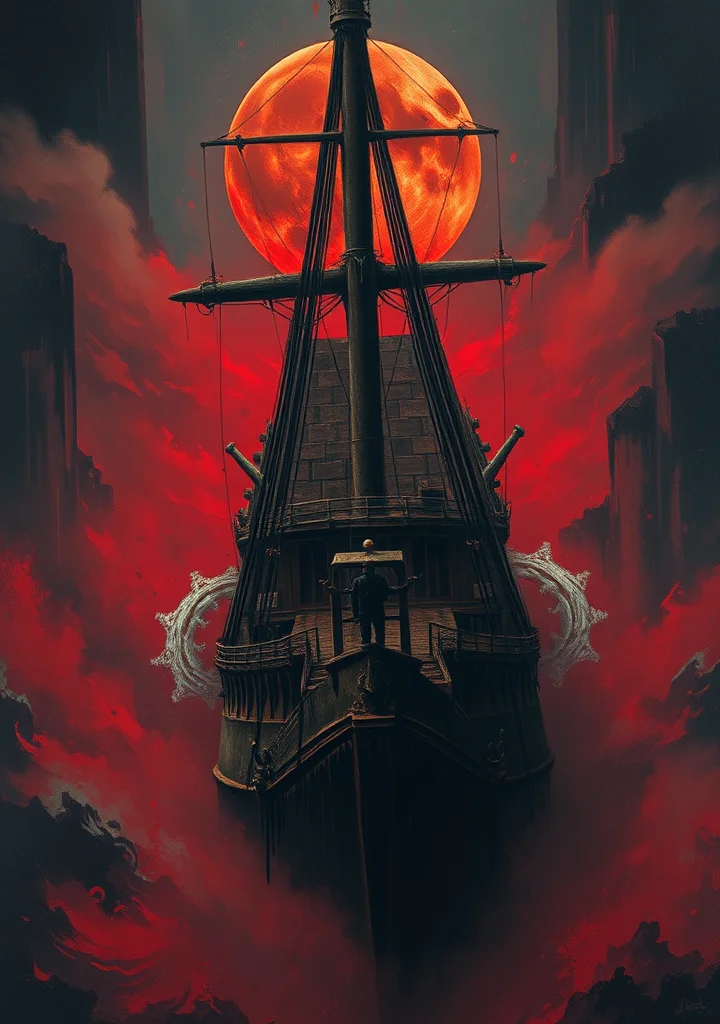
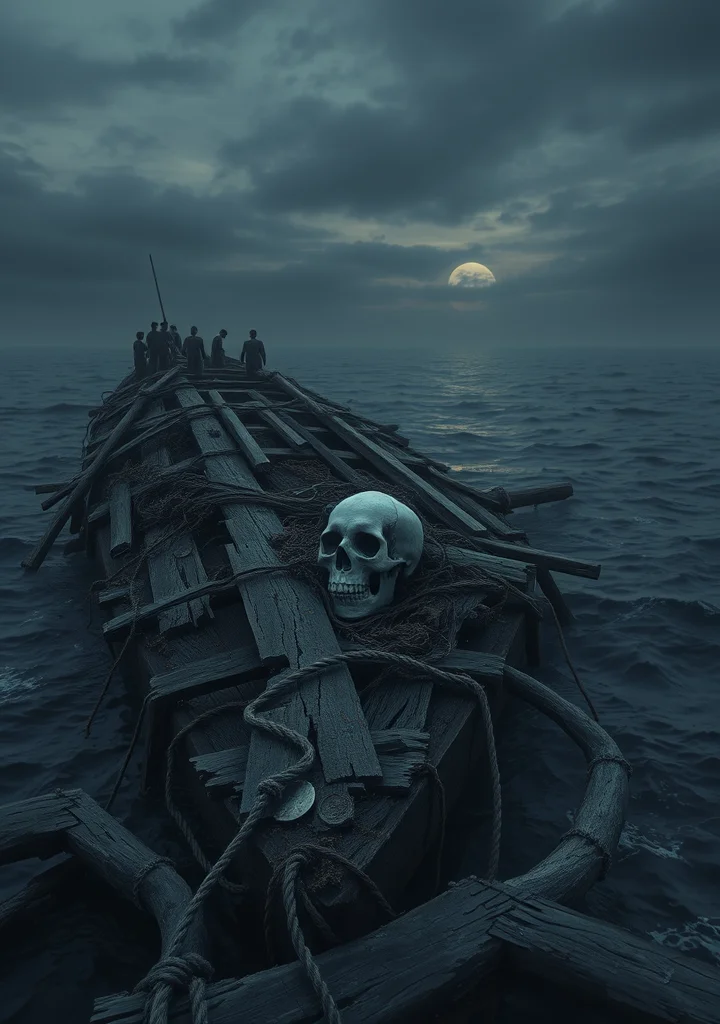
The salt-laced air hangs thick with despair, a perpetual twilight clinging to splintered wood and the hollowed eyes of men adrift. Not upon a sea of sapphire, but a bruised expanse of grey mirroring the storm within each soul. The raft itself—a monstrous, skeletal frame lashed together with desperation—becomes a character, groaning under the weight of broken promises and the gnawing hunger of both body and spirit. Days bleed into weeks, measured not by sunrises but by the slow unraveling of sanity. The narrative is one of creeping dread, not from monstrous waves or phantom ships, but from the insidious rot of hope abandoned. Every splintered plank whispers of mutiny, of starvation’s icy grip, of the terrible beauty of surrender to the vast, indifferent ocean. The stench of decay—of flesh, of dreams, of the very notion of rescue—permeates every line, clinging to the reader like brine. It is a claustrophobic expanse, where the horizon is a mocking promise and the only true companion is the relentless, grey-watered gaze of oblivion. The raft isn’t merely floating *on* the ocean; it’s being *consumed* by it, drawn into a silent, suffocating embrace with the abyss.
Copyright: Public Domain
This license allows anyone to use your story for any purpose, including printing, selling, or adapting it into a film freely.
This license allows anyone to use your story for any purpose, including printing, selling, or adapting it into a film freely.
Chapter List
-
« The Giant Raft »📖 Continue Reading
-
« I »
-
« II »
-
« III »
-
« IV »
-
« V »
-
« VI »
-
« VII »
-
« VIII »
-
« IX »
-
« X »
-
« XI »
-
« XII »
-
« XIII »
-
« XIV »
-
« XV »
-
« XVI »
-
« XVII »
-
« XVIII »
-
« XIX »
-
« XX »
-
« I »
-
« II »
-
« III »
-
« IV »
-
« V »
-
« VI »
-
« VII »
-
« VIII »
-
« IX »
-
« X »
-
« XI »
-
« XII »
-
« XIII »
-
« XIV »
-
« XV »
-
« XVI »
-
« XVII »
-
« XVIII »
-
« XIX »
-
« XX »
41
-
« The Giant Raft »
-
« I »
-
« II »
-
« III »
-
« IV »
-
« V »
-
« VI »
-
« VII »
-
« VIII »
-
« IX »
-
« X »
-
« XI »
-
« XII »
-
« XIII »
-
« XIV »
-
« XV »
-
« XVI »
-
« XVII »
-
« XVIII »
-
« XIX »
-
« XX »
-
« I »
-
« II »
-
« III »
-
« IV »
-
« V »
-
« VI »
-
« VII »
-
« VIII »
-
« IX »
-
« X »
-
« XI »
-
« XII »
-
« XIII »
-
« XIV »
-
« XV »
-
« XVI »
-
« XVII »
-
« XVIII »
-
« XIX »
-
« XX »
More like this