
A Day at a Time
  • 256
  • 0
  • 35
  • Reads 256
  • 0
  • Part 35
Completed, First published Mar 02, 2026

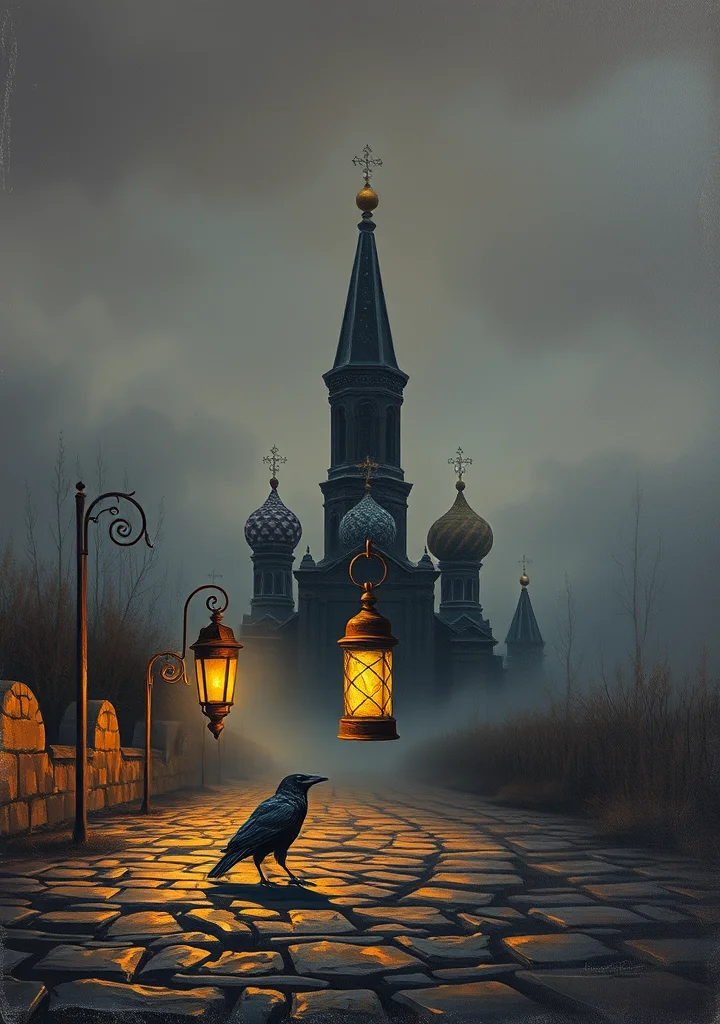
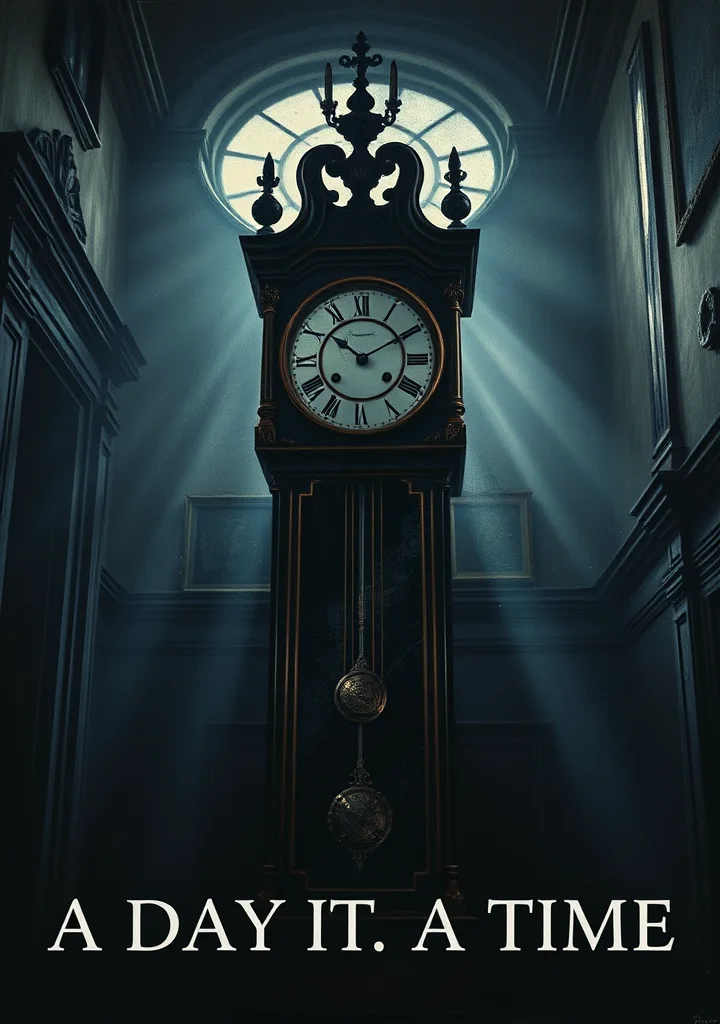
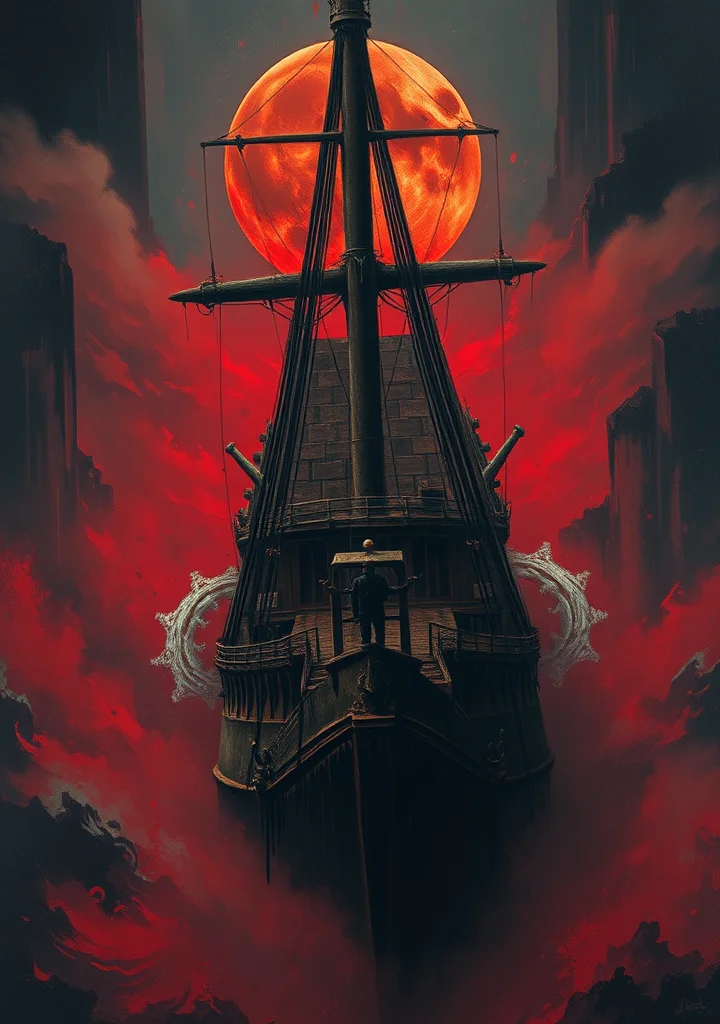
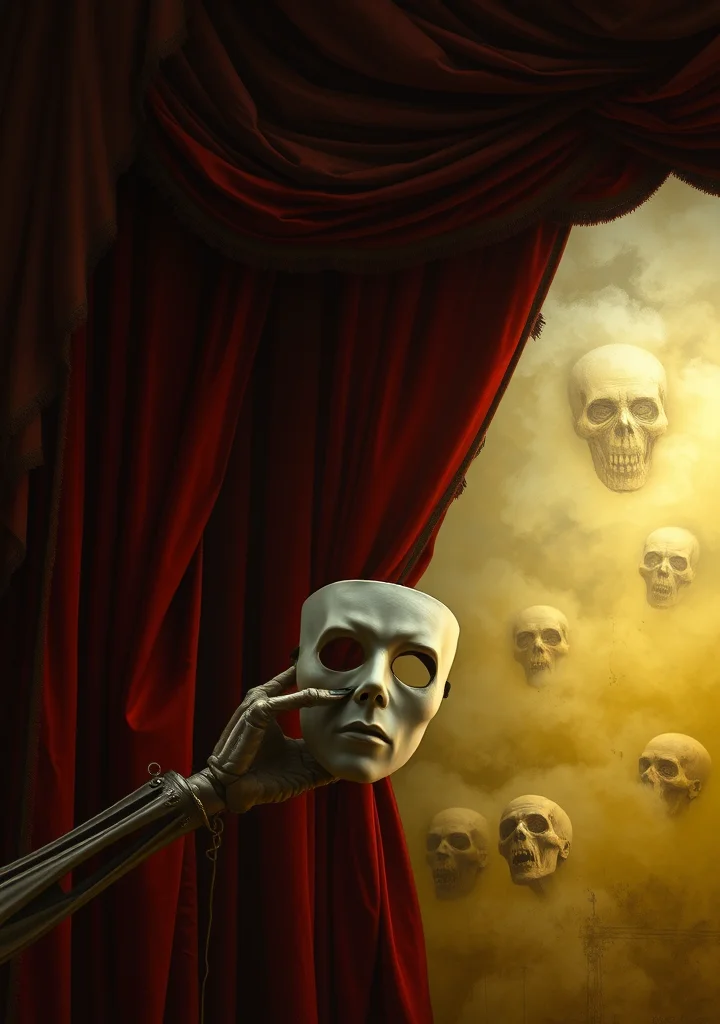
Dust motes dance in the perpetual twilight of Harrowgate Manor, each a phantom memory clinging to the decaying grandeur. The narrative unfolds not as a story *told*, but as one *felt* – a slow, suffocating descent into the fractured consciousness of Elias Thorne. Days bleed into one another, indistinguishable save for the shifting patterns of mold blooming on the velvet draperies and the ever-present chill seeping from the stone walls. Alexander doesn’t offer plot, he offers immersion. We witness Elias’s unraveling, his perception of time fractured like shattered glass, mirroring the crumbling estate. The house itself breathes with a mournful sentience, its shadowed corridors echoing with whispers of forgotten griefs. A pervasive dread doesn’t stem from *what* happened at Harrowgate, but from the certainty that something *is happening now*, eroding Elias’s sanity with each passing hour. The air thickens with the scent of damp earth, decaying roses, and the lingering scent of a grief so profound it’s become part of the manor’s very structure. It's a narrative of attrition, of a mind slowly dissolving into the darkness of its own making, where the boundaries between reality and hallucination blur until only the oppressive weight of the present moment remains. The reader doesn’t observe Elias’s decline; they *become* it.

Copyright: Public Domain
This license allows anyone to use your story for any purpose, including printing, selling, or adapting it into a film freely.
Recommended for you
26 Part
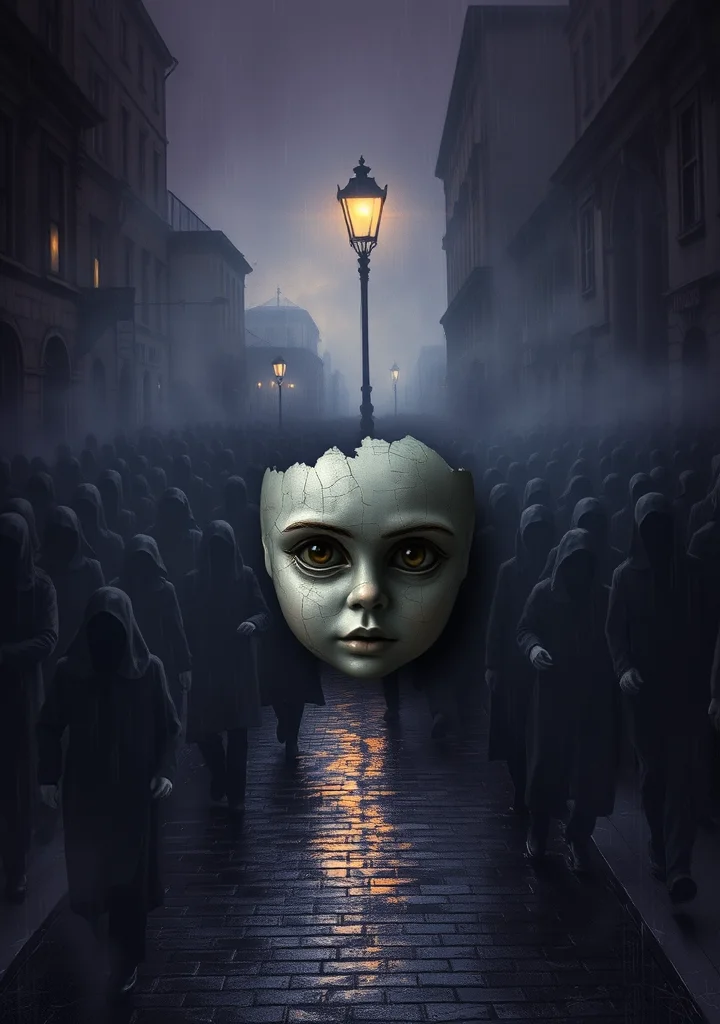
Dust hangs thick in the air, a suffocating weight mirroring the oppressive heat of the African veldt. This is a story born of shadowed whispers and the glint of gold fever, but its true heart beats with something far older, far more terrible. A lost brother, a trail of vanished men, and a map etched with the desperation of a dying hunter – these are the threads that pull the reader into a landscape haunted by ancient kings and the echoes of forgotten gods. The narrative unfolds not as a simple quest for treasure, but as a descent into a primal darkness. The sun bleeds across the savannah, illuminating not riches, but the skeletal remains of ambition. Each mile deeper into the unexplored territories feels like a tightening noose, woven with the superstitions of native tribes and the brutal realities of survival. The air itself is laced with dread – a palpable fear of the unseen, of the rituals performed under a crimson moon, of a power that predates civilization itself. Here, the stone breathes with the memory of sacrifice, and the very earth seems to yearn for the return of a king whose reign was carved in ivory and soaked in blood. It is a journey where loyalty is tested by the lure of the abyss, and where the line between hunter and hunted dissolves into the ochre dust of the wilderness. The gold, ultimately, is merely a blinding lure – the true treasure lies in the chilling revelation of what waits within the heart of darkness, and what price must be paid to look into its hollow eyes.
10 Part
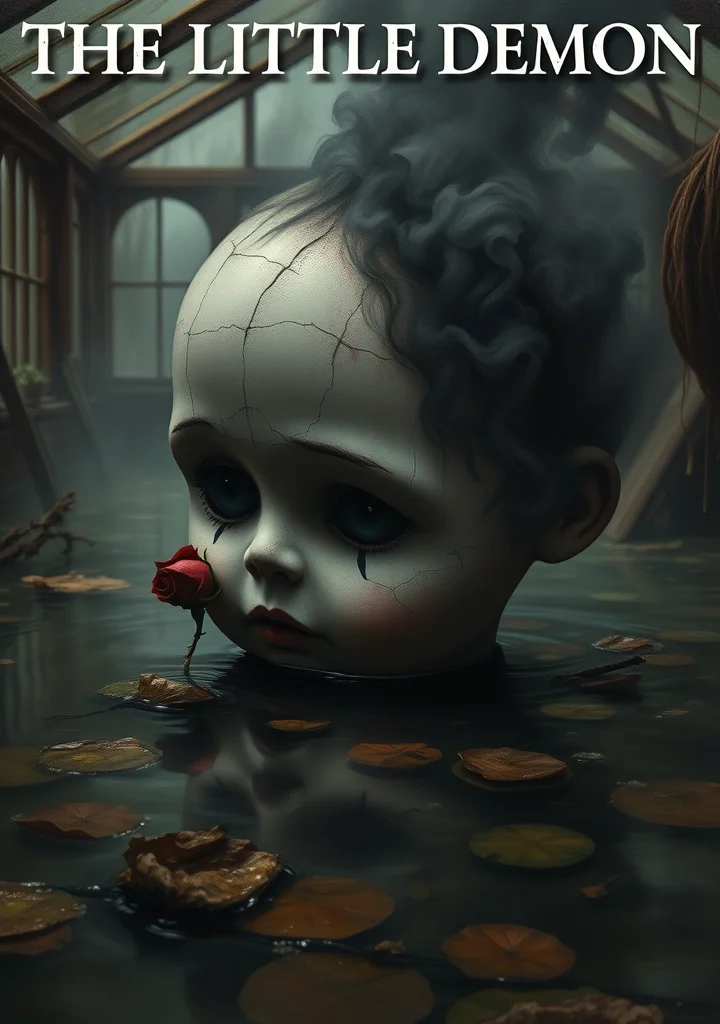
A creeping dread clings to the shadowed halls of Blackwood Manor, where Jean Muir, orphaned and veiled in circumstance, arrives as a governess. Not for children, but for the haunted legacy of Lord Ashworth, a man consumed by grief and shadowed by whispers of a stolen inheritance. The estate breathes with a stifled sorrow, mirroring the secrets Jean unearths within the Ashworth family – a lineage fractured by ambition, veiled identities, and a chilling obsession with preserving appearances. Each darkened room seems to hold a phantom echo of past betrayals, while the winter landscape outside mirrors the frigid isolation closing around Jean. Her every kindness, her attempts to unravel the Ashworth’s despair, are met with veiled resistance and a growing sense of being watched. The mask worn by Lord Ashworth is not merely sorrow; it is a shield for something far more sinister, and Jean finds herself drawn into a labyrinth of deception where love and loyalty are bartered for power, and the truth is buried beneath layers of perfidy. A suffocating elegance pervades the manor, a stifling perfume of decay clinging to antique fabrics and polished wood. The air itself feels thick with the weight of unspoken accusations, and Jean, though determined, feels increasingly trapped within a web of inherited malice. The shadows lengthen with each passing day, and the line between protector and prisoner blurs as she discovers that behind every mask lies a darkness eager to consume her.
30 Part
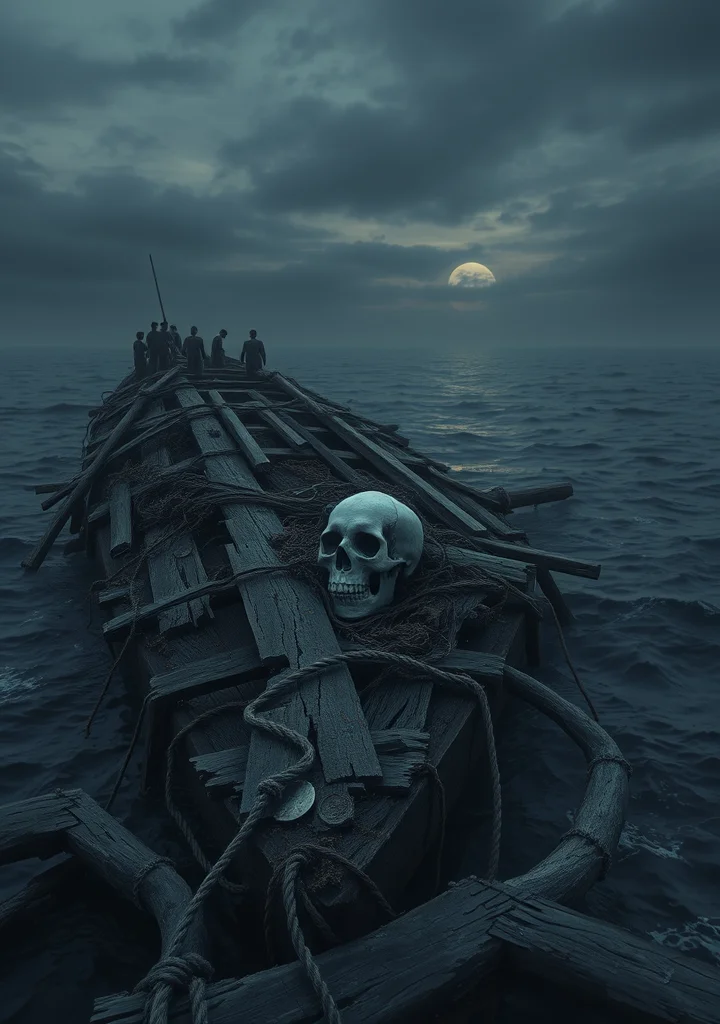
A suffocating dread clings to the timbers of the *Grampus*, and spills onto the icy shores of the Antarctic. Poe’s narrative isn’t merely a voyage; it’s a descent into the marrow-deep loneliness of the human condition. The narrative unravels not with grand spectacle, but with the slow, creeping rot of despair. Arthur Gordon Pym’s tale is one of escalating claustrophobia—first within the confines of a mutinous whaling vessel, then within the suffocating embrace of a desolate, white wilderness. The prose itself mimics the fracturing of Pym’s sanity. Sunken landscapes of feverish delirium rise from the pages, populated by phantom cannibals and the oppressive weight of unnameable horrors. The reader is not shown a monster, but *feels* it lurking in the ship’s hold, in the lengthening shadows of the Southern seas, in the echoing silence of the final, obsidian-walled chamber. The narrative’s true horror isn’t found in what is described, but in what remains stubbornly *unseen*—the vast, echoing emptiness beyond reason, the encroaching madness mirrored in the increasingly fractured narrative, and the chilling realization that Pym’s salvation may be a fate far more terrible than death itself. A suffocating atmosphere of isolation, punctuated by the chilling whisper of the unknown, permeates every line, leaving the reader adrift on a sea of dread, haunted by the echoes of a descent into the abyss.