
The King in Yellow
  • 204
  • 0
  • 51
  • Reads 204
  • 0
  • Part 51
Completed, First published Mar 02, 2026

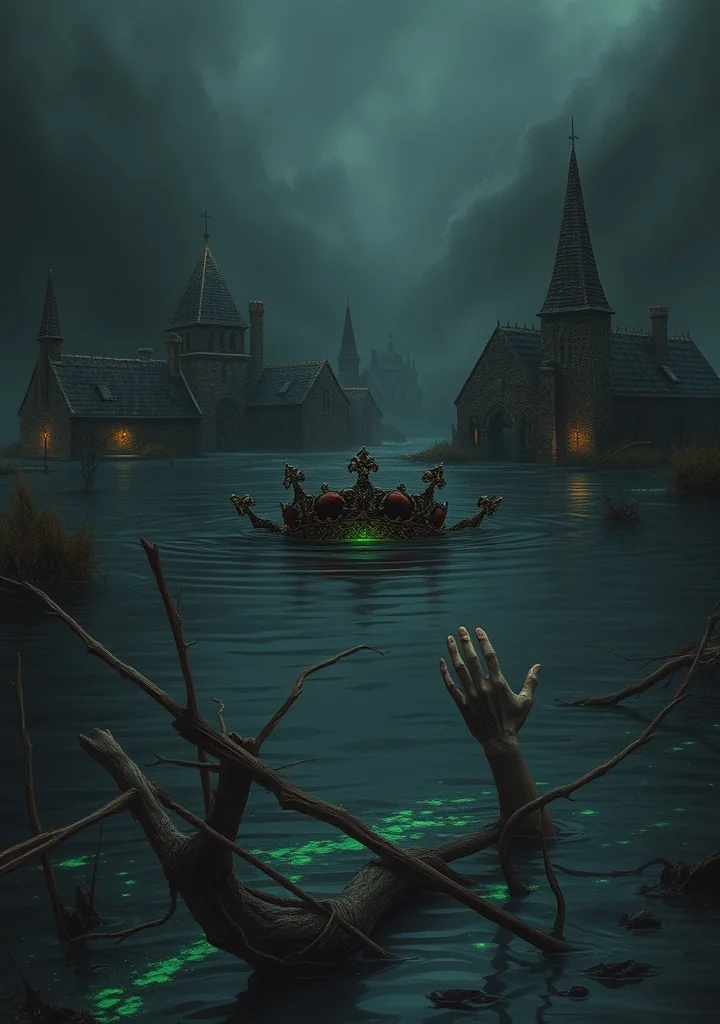
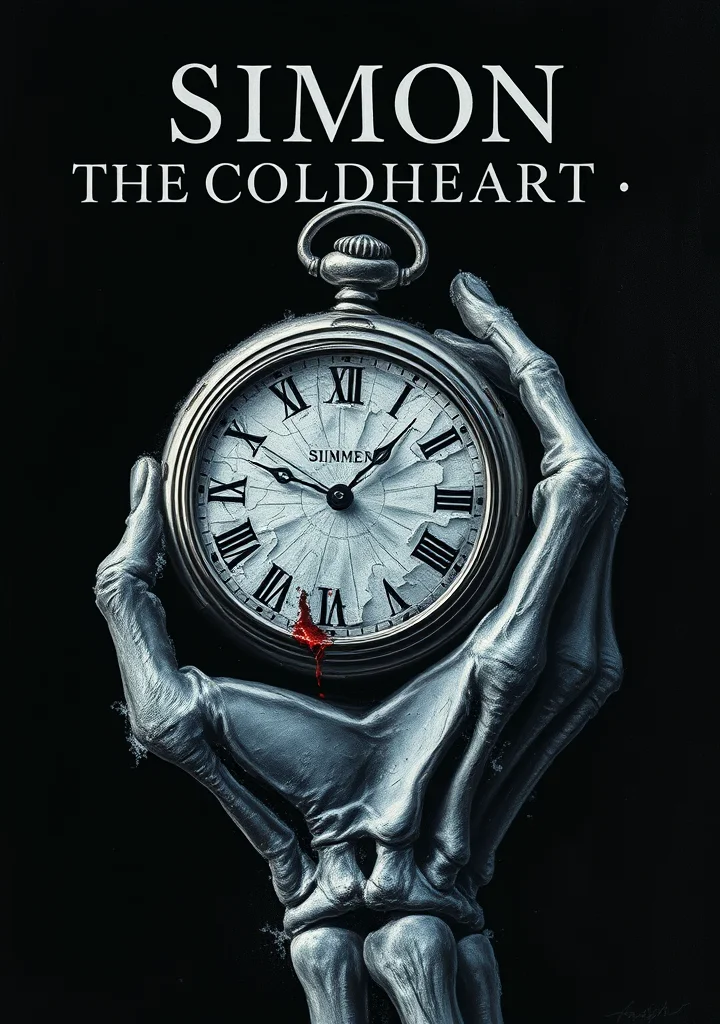
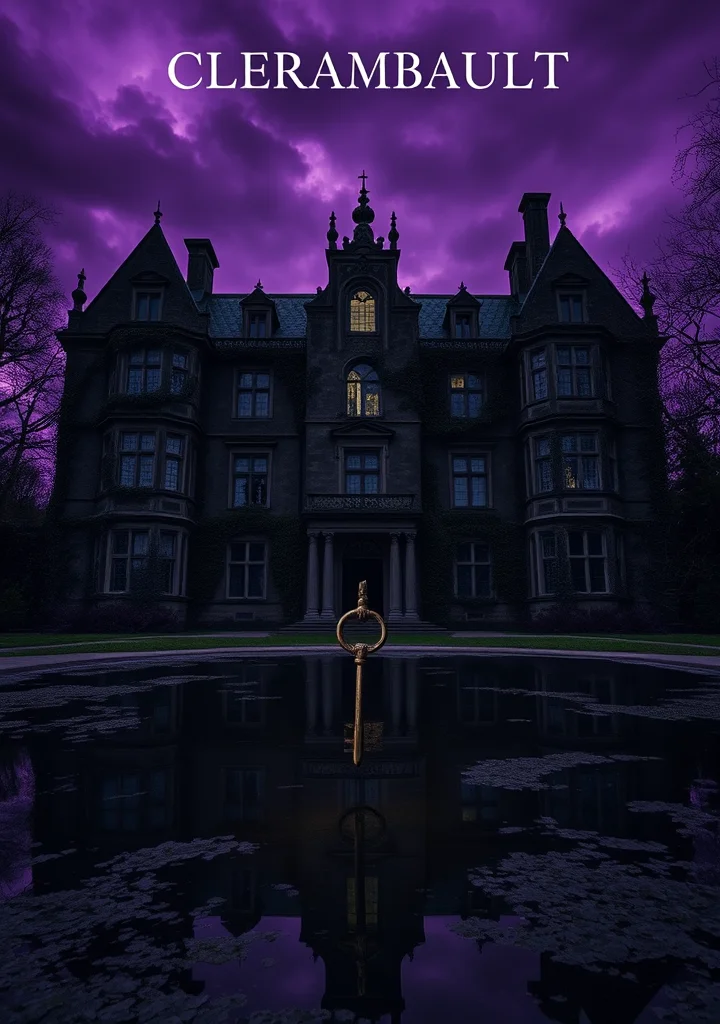
A creeping dread clings to these pages, born of dust and decay in forgotten corners of New England and fever-haunted Parisian stages. The scent of brine and madness hangs heavy as stories unravel, each a fractured glimpse into the rot beneath the gilded age. Whispers of the Hyancinth Death bloom amongst artists and actors, their sanity dissolving with each performance of the cursed play. The King in Yellow’s influence seeps into the minds of men, warping reason into grotesque obsession. A pallid light flickers across shadowed rooms, illuminating the unraveling of lives consumed by a haunting melody and a mask of terrible, alien beauty. It’s a contagion of the mind, a slow unraveling witnessed through trembling hands and eyes haunted by visions of cyclopean cities and a yellow, writhing form. The air itself feels thin, stretched taut with a suffocating dread that clings to the throat, leaving only the chilling echo of madness and the promise of oblivion. This is not merely horror, but a decay of the very fabric of reality, a descent into the labyrinthine corridors of a fractured psyche where the boundaries between dream and waking nightmare dissolve into a sickly, yellow haze. The silence that follows is a weight, a suffocating darkness that promises to swallow all that remains.
Copyright: Public Domain
This license allows anyone to use your story for any purpose, including printing, selling, or adapting it into a film freely.
Chapter List

51

Recommended for you
19 Part
Dust motes dance in the perpetual twilight of crumbling Rajput fortresses, clinging to the scent of sandalwood and decay. A fever-dream heat hangs heavy, thick with the whispers of djinn and the rustle of silk in shadowed chambers. Burton, ever the scholar-explorer, has unearthed more than ancient texts; he’s awakened a hunger older than the stone itself. Vikram, a scholar steeped in forgotten lore, finds himself drawn into a labyrinthine pursuit of a creature both exquisitely beautiful and terrifyingly predatory. Not a beast of fangs and brute force, but one of elegant seduction and creeping paralysis. The vampire here doesn’t stalk through London fog, but through the saffron-stained ruins of a lost empire. The narrative breathes with the oppressive weight of ritual and obligation, each encounter veiled in layers of veiled glances and stifled accusations. It is a story told in half-tones, in the flickering lamplight of opium dens, in the echoing silence of abandoned temples. The air itself is tainted with the cloying sweetness of jasmine and the metallic tang of old blood. Vikram’s investigation unravels not into a hunt, but an unraveling of his own sanity, as the lines between hunter and hunted, mortal and immortal, blur within the hypnotic gaze of a creature who has tasted centuries and craves a new, willing victim. The land itself seems to conspire to keep its secrets, each step deeper into the mystery a descent into a suffocating, intoxicating darkness where the boundaries of life and death become indistinguishable.
10 Part
A creeping twilight descends upon young Emil Sinclair as he’s drawn into the magnetic orbit of Max Demian, a figure both beautiful and terrifyingly unbound. Hesse’s narrative isn’t merely a coming-of-age, but a descent into shadowed chambers of the self, where inherited morality fractures against the raw stone of instinct. The air thickens with the scent of incense and forbidden knowledge as Sinclair’s world fractures – the rigid structure of his upbringing, the suffocating piety of his mother, all crumble beneath Demian’s gaze. Every encounter is layered with a premonition of doom, a cold wind whistling through the hollows of Sinclair’s nascent soul. The novel breathes with the claustrophobia of a gilded cage, the oppressive weight of societal expectations pressing down like lead. Dreams twist into grotesque allegories, mirroring Sinclair’s inner turmoil with unsettling clarity. Ancient symbols, unearthed from the loam of forgotten myths, become obsessions, fueling a desperate quest for liberation. The narrative is haunted by the specter of a fractured duality, a constant blurring of light and shadow, innocence and corruption. Sinclair’s journey isn’t towards enlightenment, but towards a harrowing reckoning with the darkness within—a darkness that threatens to consume him entirely as he spirals towards the inevitable, brutal severing of ties with the world he once knew. The final revelation is less a triumph, more a chilling echo in the vast, empty cathedral of his own becoming.
8 Part
Dust motes dance in the perpetual twilight of a decaying ancestral manor, where the chill seeps not just from stone walls but from the very marrow of history. A physician, driven by morbid curiosity and shadowed by whispers of inherited madness, unravels the story of Charles Dexter Ward – a man consumed by a desperate, occult pursuit of immortality. The air thickens with the scent of grave mold and the sickly sweetness of forbidden alchemies. Each unearthed detail, each meticulously reconstructed fragment of Ward’s past, peels back layers of sanity, revealing a darkness that claws at the edges of reality. The narrative unfolds in a creeping dread, mirroring the gradual erosion of Ward’s mind as he is drawn into a vortex of nightmare rituals and ancient, malevolent entities. Shadows lengthen, distorting familiar shapes into grotesque parodies. Sleep offers no respite, only a descent into feverish visions mirroring the horrors Ward himself unleashed. A suffocating claustrophobia grips the reader, born not from physical confinement but from the encroaching awareness of an unspeakable truth – that the pursuit of life beyond the veil has awakened something far older and far hungrier than humanity can comprehend, something that lingers in the cold, damp corners of forgotten lore, waiting to claim its due. The very stones of the house seem to breathe with a spectral intelligence, complicit in the slow, inexorable corruption of Ward's soul.