
The Water-Babies
  • 249
  • 0
  • 28
  • Reads 249
  • 0
  • Part 28
Completed, First published Mar 02, 2026

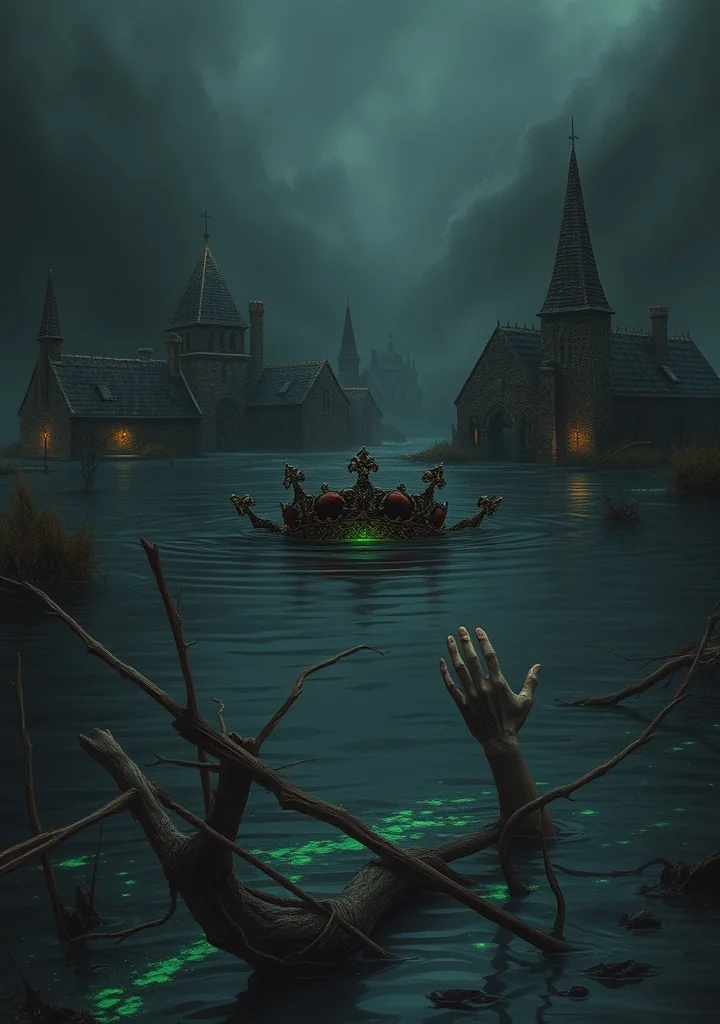
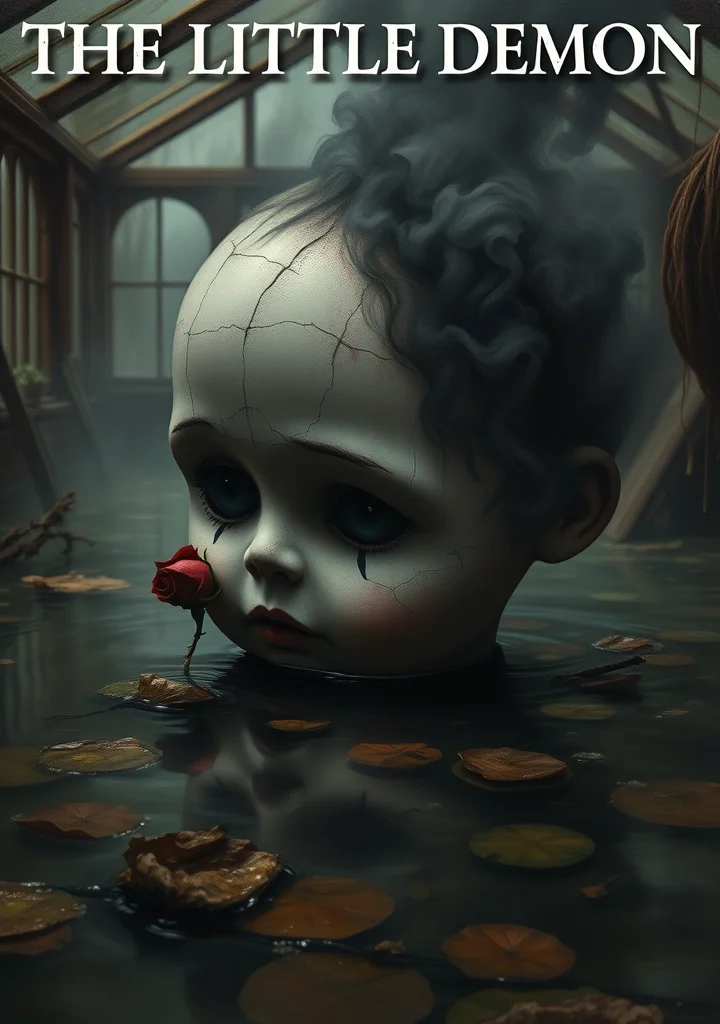
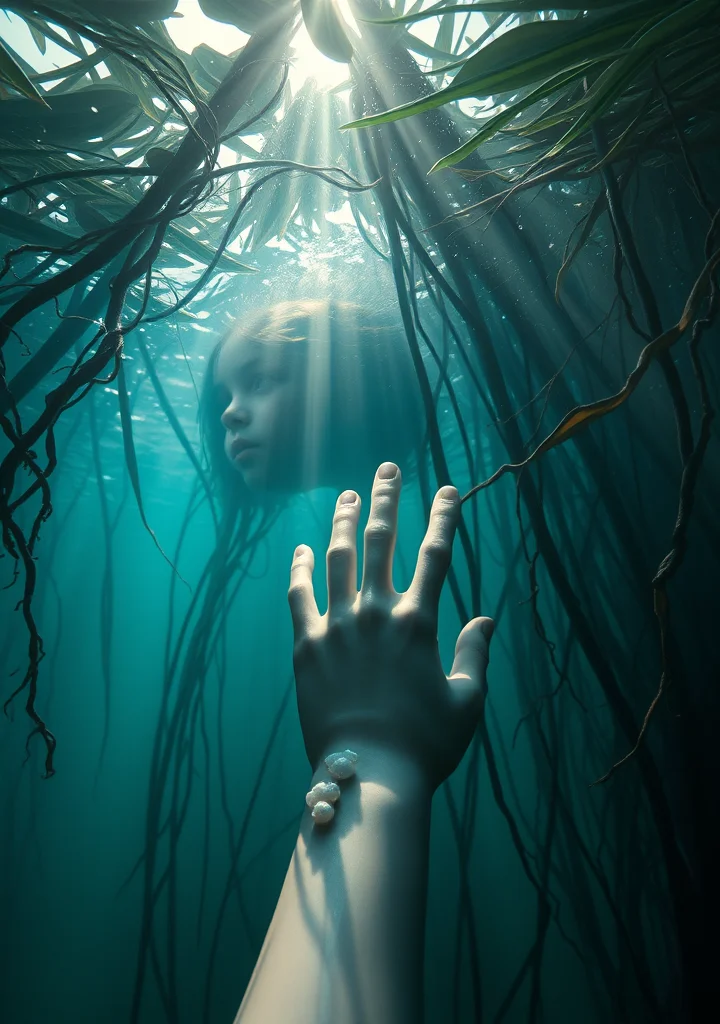
A creeping dampness clings to the reeds and shadowed riverbanks, mirroring the suffocating grief that haunts young Alice’s memory of a lost sister. This is not a tale of simple childhood wonder, but of submerged sorrows and the spectral echoes of drowned things. The world beneath the water is not heaven, but a murky, breathing realm of shifting light and ancient, watchful eyes. Though disguised as fantastical adventure, it’s a descent into the suffocating logic of grief—a world where the boundaries between living flesh and the cold embrace of the river dissolve. Every shimmering scale, every murmuring current, holds the weight of a secret, a forgotten sorrow. The children’s voices, carried on the water’s breath, are laced with a melancholy that clings to the reader long after the final page is turned. It’s a world perpetually on the verge of weeping, a world where innocence is not preserved, but slowly, beautifully, *drowned*. The air smells of peat and decay, and the very stones of the riverbed seem to weep with Alice's unending sorrow.
Copyright: Public Domain
This license allows anyone to use your story for any purpose, including printing, selling, or adapting it into a film freely.
Recommended for you
90 Part
A creeping dread clings to the shadowed corners of Evelina’s world, a world meticulously observed yet perpetually on the verge of unraveling. The narrative unfolds like a slow poison, tracing the delicate bloom of a young woman navigating a society steeped in brittle politeness and concealed malice. Every stolen glance, every misinterpreted gesture, breeds a suffocating anxiety, mirrored in the claustrophobic interiors of ballrooms and drawing-rooms. A constant, low-humming tension permeates the story—not of overt horror, but of a suffocating fear of exposure, of social ruin, of the precariousness of female dependence. The author doesn’t reveal monsters in darkness, but excavates the predatory instincts lurking *within* the light. Evelina’s own innocence, while presented as virtue, becomes a fragile shield against the predatory gazes of men who orbit her with a calculating hunger. The prose itself is a delicate, almost feverish accounting of minute social anxieties. The reader is drawn into a suffocating awareness of every averted gaze, every stifled sigh, every carefully worded phrase—each a potential snare in a labyrinth of propriety. The story breathes with the stifled air of a gilded cage, where smiles mask calculation, and every act of kindness feels laced with expectation. A creeping sense of claustrophobia settles over the pages as Evelina’s fragile hope is shadowed by the ever-present threat of social catastrophe. It’s a world where the most insidious terrors are born not from monsters, but from the exquisitely refined cruelty of the human heart.
13 Part
Beneath a canopy of suffocating green, where sunlight splinters into emerald shards and the air hangs thick with the musk of decay and unseen predators, lies a world unbound by civilization’s frail grasp. This is not merely a chronicle of survival, but a descent into the heart of a primal wilderness mirroring the savage instincts within us all. The jungle breathes, a living entity woven with vines that strangle forgotten ruins and the echoing cries of beasts both magnificent and monstrous. Shadows cling to the colossal trees like spectral guardians, obscuring the boundaries between reality and nightmare. A man, stripped bare of his past life, forged anew in the crucible of tooth and claw, becomes something more, something less…a creature of legend. But even as he masters this brutal Eden, a chilling awareness persists—the jungle doesn’t yield its dominion willingly. It tests, it breaks, it consumes. And the whispers of ancient gods, remnants of a forgotten people, linger in the humid air, hinting at a darkness far older than the apes who rule amongst the branches. Every rustle of leaves, every distant roar, carries the weight of untold centuries, a haunting reminder that paradise is built upon bones and stained with the crimson bloom of sacrifice. The very earth seems to pulse with a feverish, untamed energy, threatening to engulf those who dare to trespass within its verdant embrace. A world where beauty is a venomous kiss, and salvation is found not in mercy, but in the cold, calculating gaze of the predator.
93 Part
Dust motes dance in the suffocating heat of Judea, clinging to the linen-wrapped limbs of forgotten gods and the simmering resentment of a people bound by chains both literal and ancestral. The scent of frankincense and blood hangs heavy in the air, a perfume of prophecy and despair. Wallace doesn’t offer sunlight, but a slow burn beneath the skin, a fever dream of vengeance and grace. Each chariot race is not a spectacle of skill, but a spiraling descent into madness fueled by the screams of a captive audience, the rasp of sandaled feet on scorched earth. This is a story of shadows stretched long across sun-baked stone, of whispers carried on desert winds that speak of betrayal and divine reckoning. The narrative coils like a viper in the ruins of ancient empires, its venom a relentless pursuit of justice that leaves no room for mercy. Even forgiveness is a brittle thing, cracked like the pottery shards littering the Roman roads. The weight of empire presses down, suffocating the narrative with the stench of ambition and the metallic tang of sacrifice. It’s a world where loyalty is a phantom limb, and faith a desperate gamble against the encroaching darkness. Beneath the grandeur of the arena and the clang of legionary steel, a deeper, more agonizing silence resides – the hollow echo of a life stolen, and the desperate, echoing plea for redemption amidst the ruins of a fallen world. The very stones weep with the memory of what has been lost.

50 Part
A creeping dread permeates the snow-choked streets of a Petrograd fracturing under ice and ideology. The air hangs thick with the scent of brine and decay, mirroring the rot beneath the gilded facades of Tsarist memory. This is not a history of revolution, but a descent into a frozen labyrinth of whispered conspiracies and the hollowed-out eyes of zealots. Berkman doesn't chronicle uprising, he exhumes the corpse of idealism, revealing the worms feeding on its bloated ambition. Each chapter feels like a shard of glass under the skin, reflecting a distorted reality where the promise of liberation curdles into the iron tang of power. The narrative clings to the shadowed corners of tenements, the hushed exchanges in smoky taverns, and the phantom limbs of a society severed from its past. It’s a story told not through grand battles, but through the slow fracturing of faith within individuals, the chilling realization that the new god demands the same sacrifices as the old. A pall of paranoia descends, not from external enemies, but from the suffocating certainty of those convinced they hold the key to utopia. The myth isn't a lie, but a contagion, a spectral force that infects the soul and twists the very foundations of human compassion into something monstrously efficient. The novel doesn't merely depict the fall of an empire; it embodies the suffocating weight of a dream turned nightmare, a darkness that lingers long after the snow melts.