
-
Read 1.8K
-
0
-
Part 186
Completed, First published Mar 02, 2026
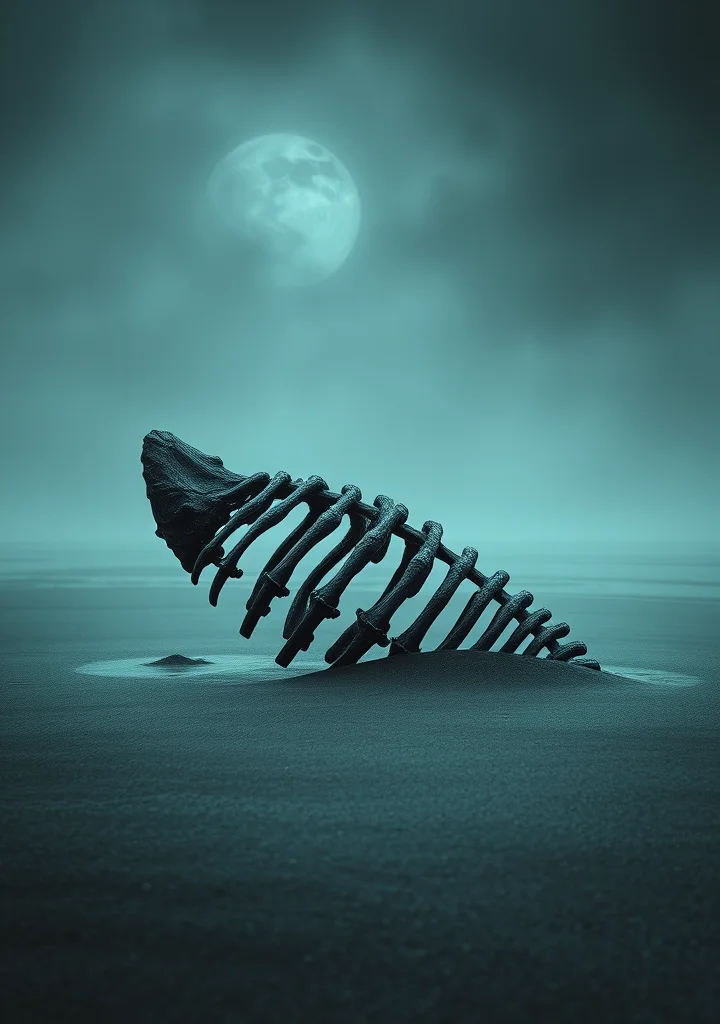
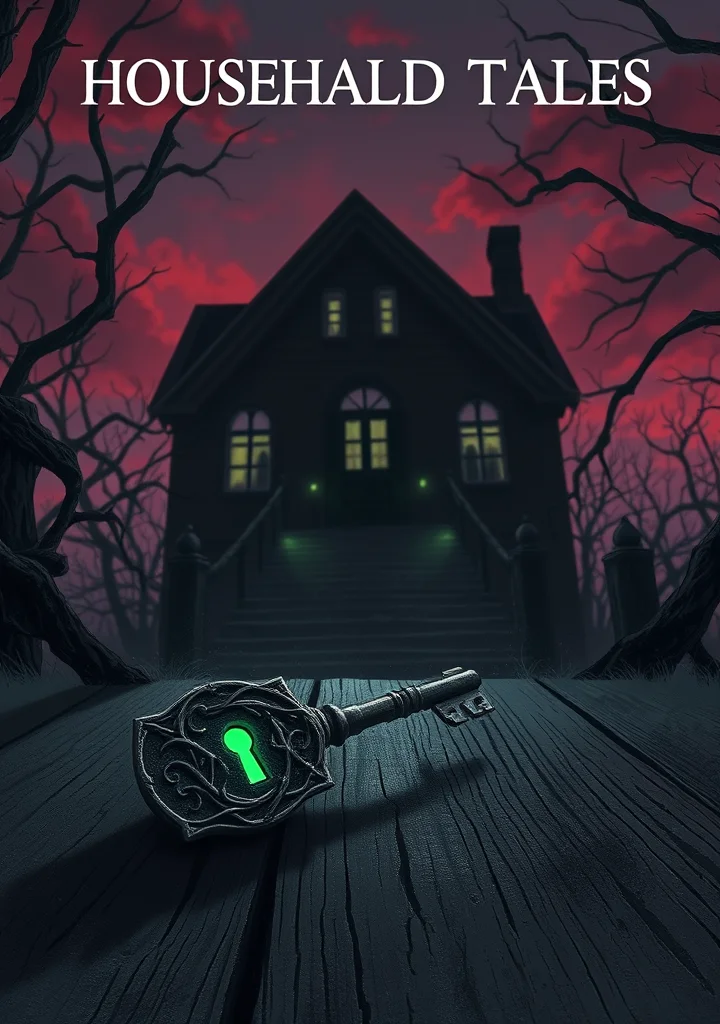
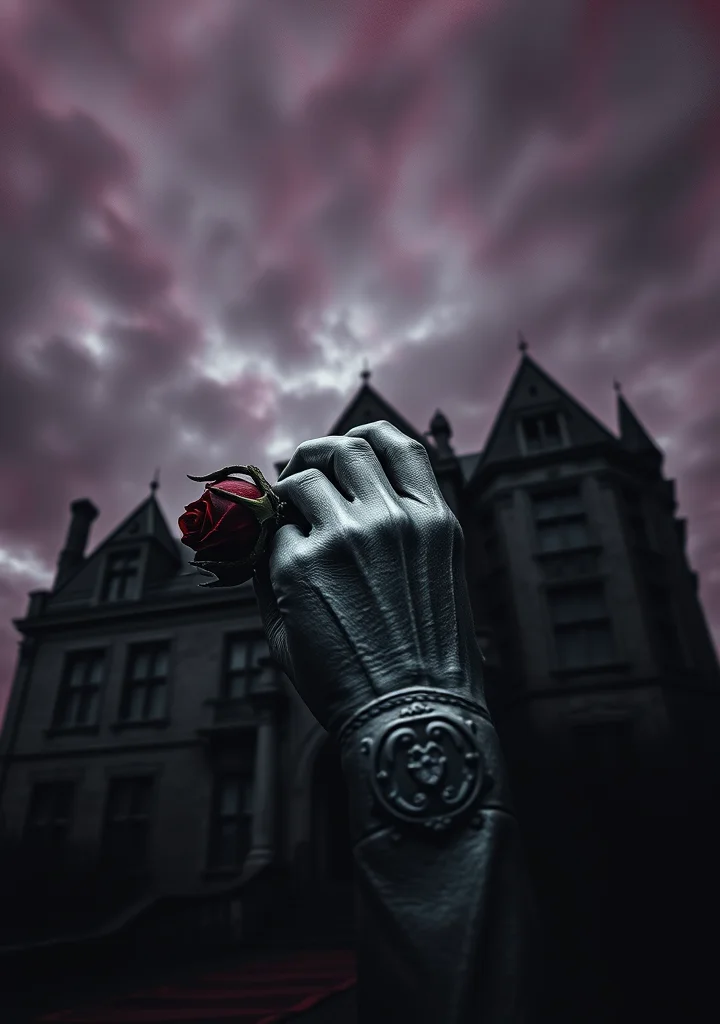
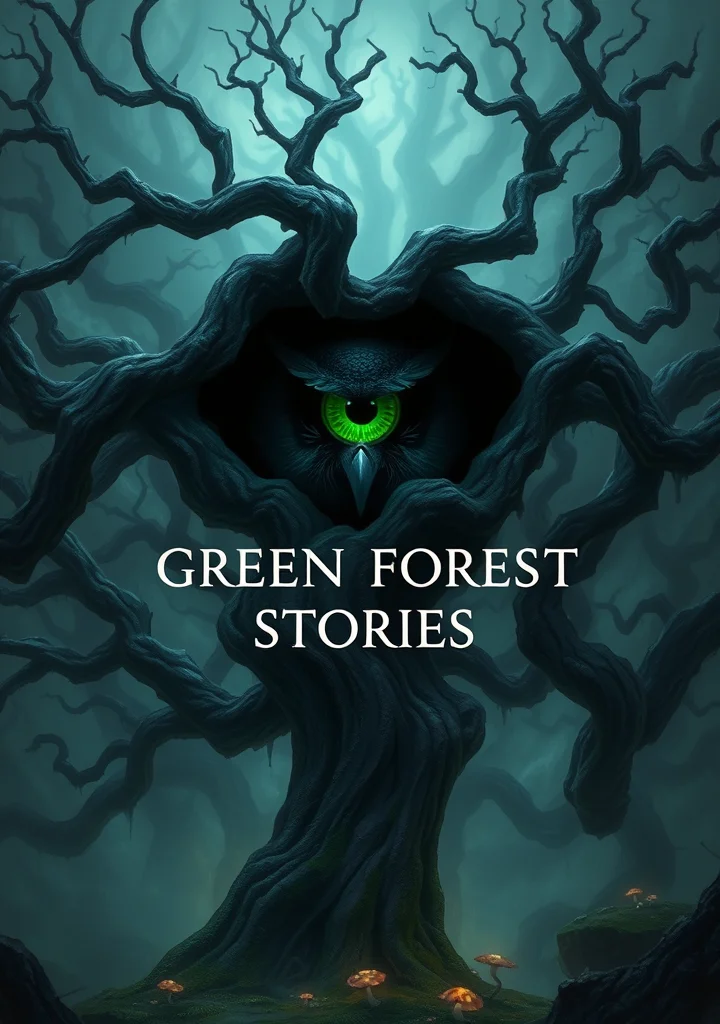
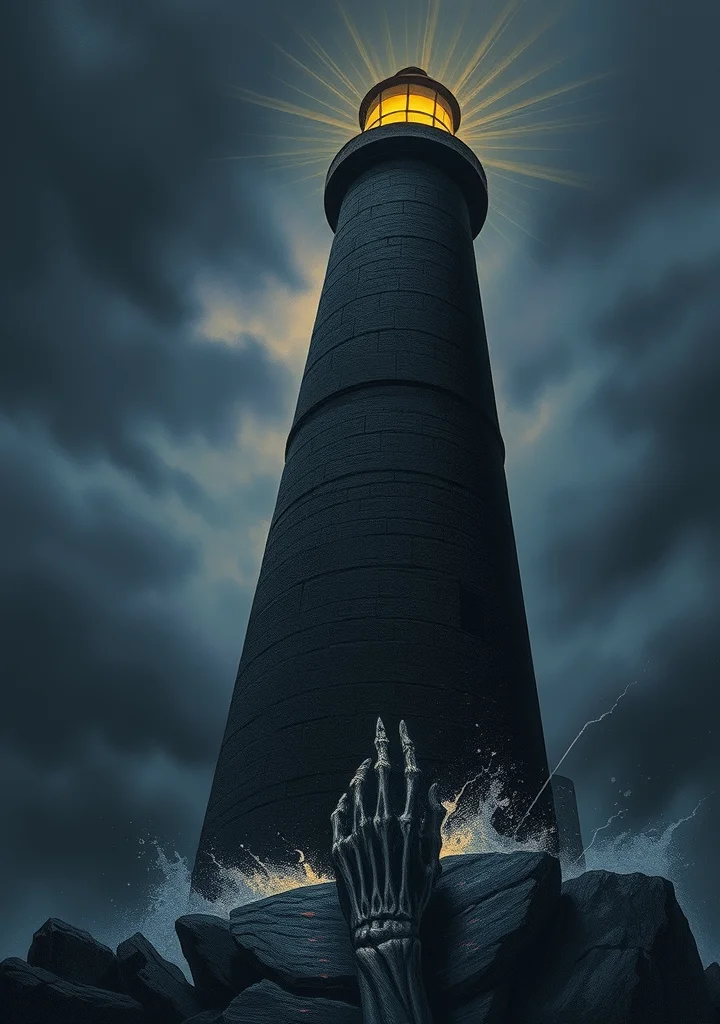
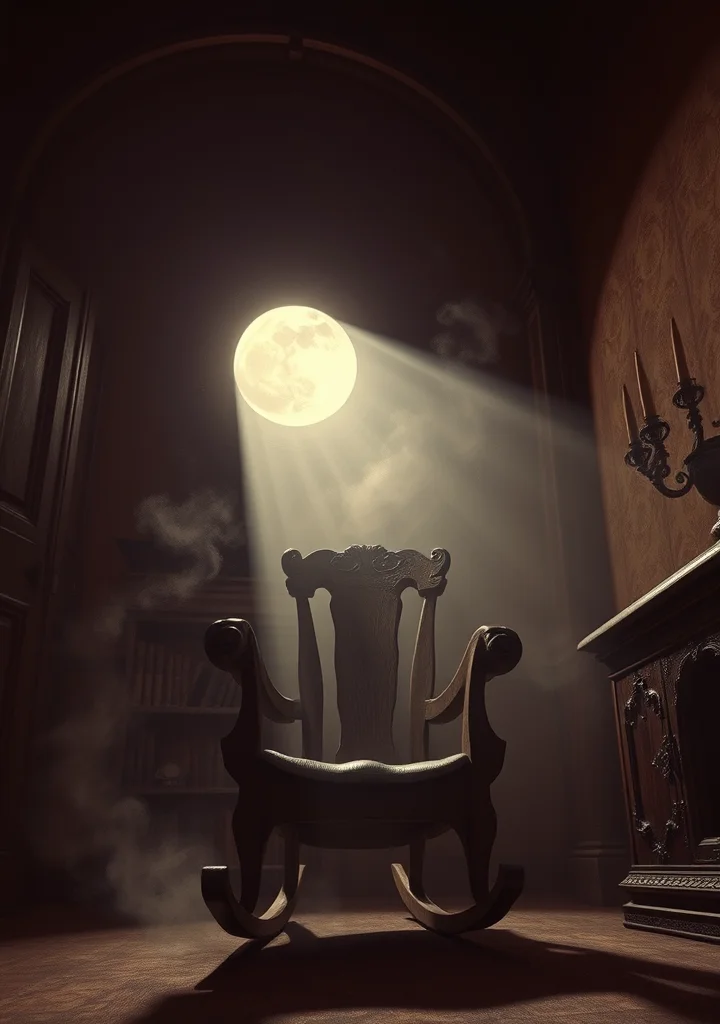
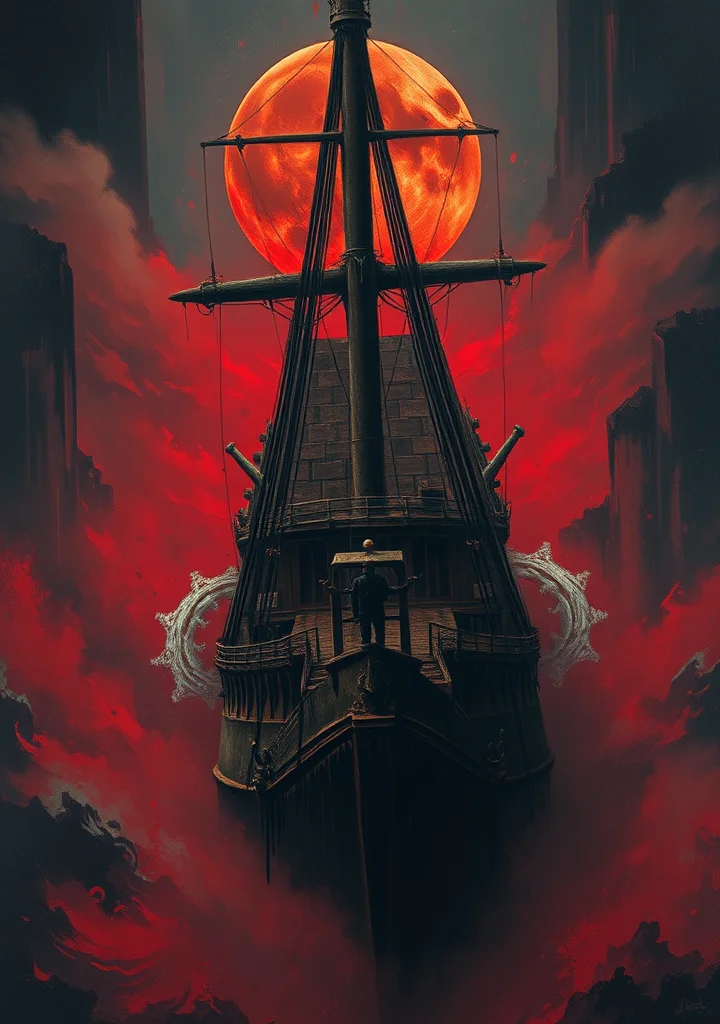
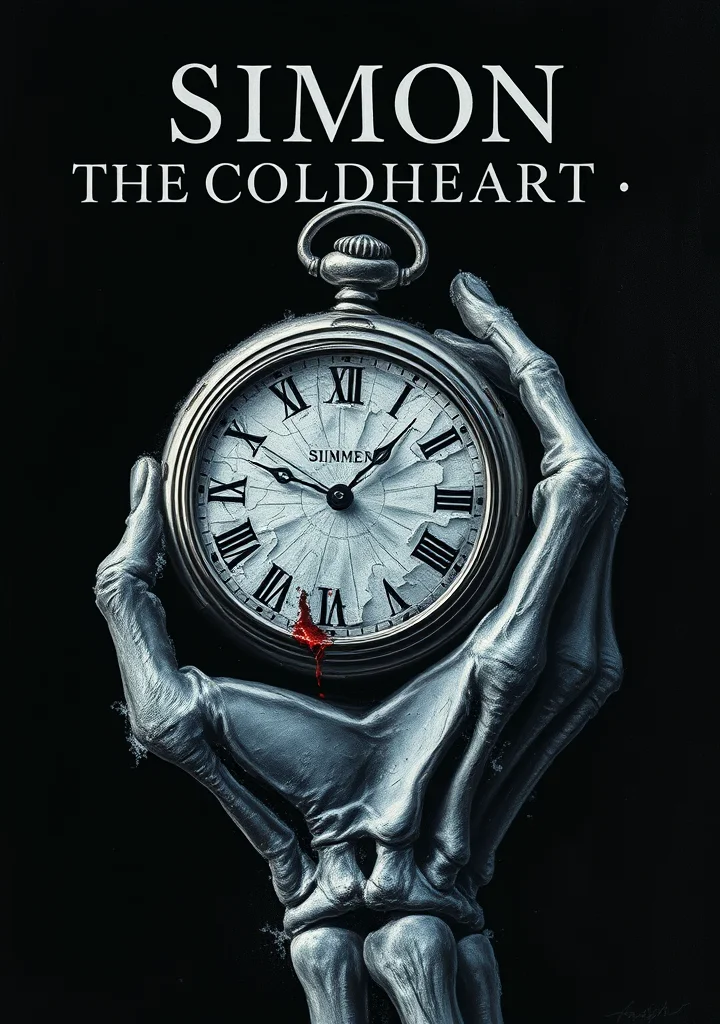
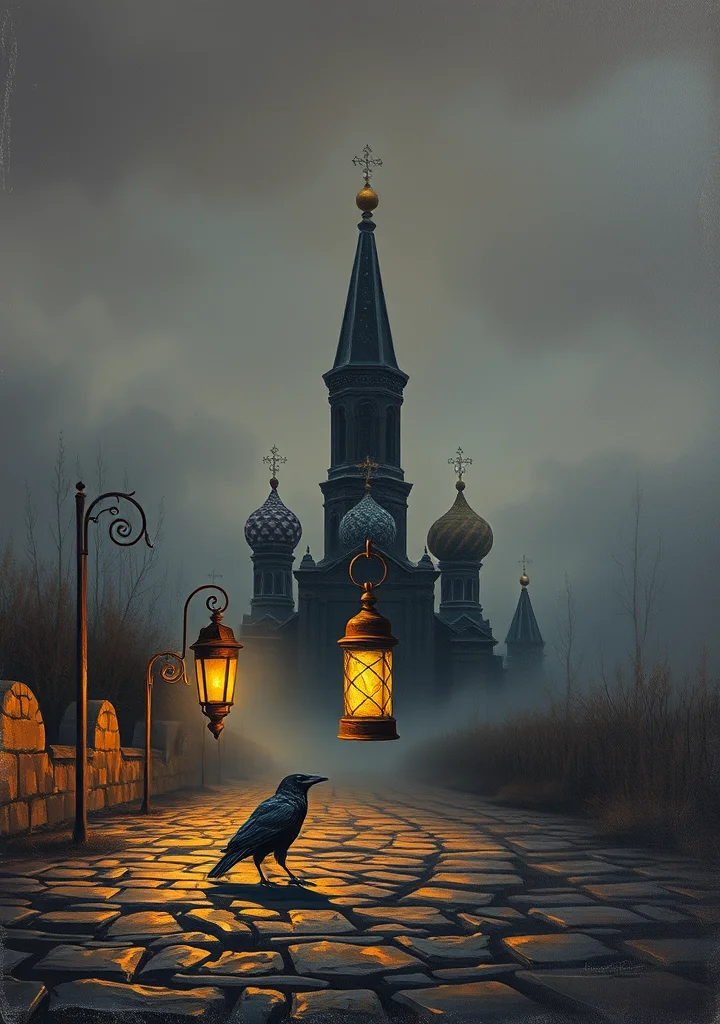
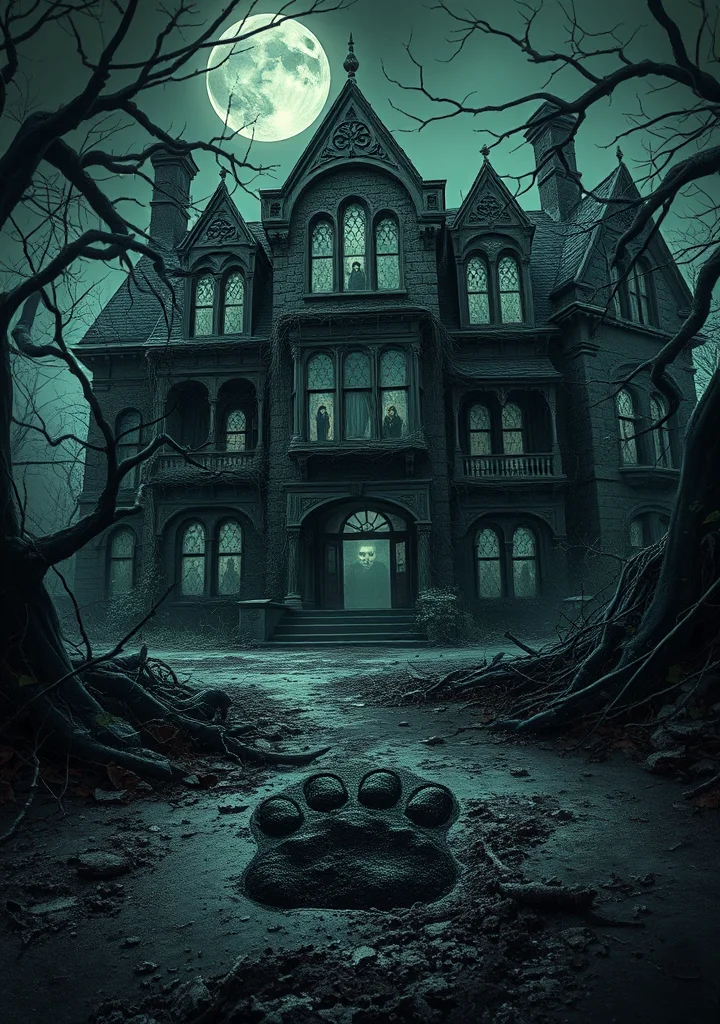
A creeping fog clings to the marshes surrounding the crumbling estate, mirroring the stagnation within its sole inhabitant. Korolenko’s tales, delivered in whispers carried on the wind, unravel not with grand horror, but with the insidious rot of isolation. Each story is a shard of glass reflecting a fractured psyche, a desolate landscape painted in shades of grey decay. The air hangs thick with the scent of damp earth and forgotten regrets. Characters drift through shadowed rooms haunted by the echoes of lost loves and unfulfilled desires, their faces gaunt and their movements spectral. These are not tales of monsters lurking *in* darkness, but of darkness *becoming* the inhabitants. A subtle, suffocating dread permeates every line, a chilling draught that seeps into the bones. The narratives unfold with the languid pace of a dying ember, drawing the reader into a world where hope is a distant memory and the only solace is the quiet surrender to oblivion. The stories bleed into one another, a shared nightmare woven from loneliness, guilt, and the slow, deliberate erosion of the human spirit. They leave you not with a scream, but with a lingering chill—a sense of something irrevocably *wrong* settling deep within your own chest.
Copyright: Public Domain
This license allows anyone to use your story for any purpose, including printing, selling, or adapting it into a film freely.
This license allows anyone to use your story for any purpose, including printing, selling, or adapting it into a film freely.
Chapter List
-
« Short Fiction »📖 Continue Reading
-
« Foreword »
-
« Easter Night »
-
« A Saghálinian »
-
« I »
-
« II »
-
« III »
-
« IV »
-
« V »
-
« VI »
-
« VII »
-
« VIII »
-
« IX »
-
« Sketches of a Siberian Tourist »
-
« I »
-
« II »
-
« III »
-
« IV »
-
« V »
-
« VI »
-
« VII »
-
« VIII »
-
« IX »
-
« The Blind Musician »
-
« I »
-
« I »
-
« II »
-
« III »
-
« IV »
-
« V »
-
« VI »
-
« VII »
-
« VIII »
-
« IX »
-
« II »
-
« I »
-
« II »
-
« III »
-
« IV »
-
« V »
-
« VI »
-
« VII »
-
« VIII »
-
« IX »
-
« X »
-
« III »
-
« I »
-
« II »
-
« III »
-
« IV »
-
« V »
-
« VI »
-
« VII »
-
« IV »
-
« I »
-
« II »
-
« III »
-
« IV »
-
« V »
-
« VI »
-
« V »
-
« I »
-
« II »
-
« III »
-
« IV »
-
« V »
-
« VI »
-
« VII »
-
« VIII »
-
« IX »
-
« VI »
-
« I »
-
« II »
-
« III »
-
« IV »
-
« V »
-
« VI »
-
« VII »
-
« I »
-
« II »
-
« Epilogue »
-
« In Two Moods »
-
« I »
-
« II »
-
« III »
-
« IV »
-
« V »
-
« VI »
-
« VII »
-
« VIII »
-
« IX »
-
« X »
-
« XI »
-
« XII »
-
« XIII »
-
« XIV »
-
« XV »
-
« XVI »
-
« XVII »
-
« XVIII »
-
« XIX »
-
« XX »
-
« XXI »
-
« XXII »
-
« XXIII »
-
« XXIV »
-
« XXV »
-
« The Shades, a Fantasy »
-
« I »
-
« II »
-
« III »
-
« IV »
-
« V »
-
« Lights »
-
« The Last Ray »
-
« I »
-
« II »
-
« III »
-
« The Old Bell-Ringer »
-
« Makar’s Dream »
-
« The Murmuring Forest »
-
« I »
-
« II »
-
« III »
-
« In Bad Company »
-
« I »
-
« II »
-
« III »
-
« IV »
-
« V »
-
« VI »
-
« VII »
-
« VIII »
-
« IX »
-
« X »
-
« I »
-
« I »
-
« II »
-
« III »
-
« IV »
-
« V »
-
« VI »
-
« VII »
-
« VIII »
-
« IX »
-
« X »
-
« XI »
-
« Birds of Heaven »
-
« I »
-
« II »
-
« III »
-
« IV »
-
« V »
-
« VI »
-
« VII »
-
« VIII »
-
« IX »
-
« X »
-
« Isn’t It Terrible? »
-
« I »
-
« II »
-
« III »
-
« IV »
-
« V »
-
« VI »
-
« VII »
-
« VIII »
-
« IX »
-
« “Necessity” »
-
« I »
-
« II »
-
« III »
-
« IV »
-
« V »
-
« VI »
-
« On the Volga »
-
« I »
-
« II »
-
« III »
-
« IV »
-
« The Village of God »
-
« I »
-
« II »
-
« III »
-
« IV »
-
« V »
186
-
« Short Fiction »
-
« Foreword »
-
« Easter Night »
-
« A Saghálinian »
-
« I »
-
« II »
-
« III »
-
« IV »
-
« V »
-
« VI »
-
« VII »
-
« VIII »
-
« IX »
-
« Sketches of a Siberian Tourist »
-
« I »
-
« II »
-
« III »
-
« IV »
-
« V »
-
« VI »
-
« VII »
-
« VIII »
-
« IX »
-
« The Blind Musician »
-
« I »
-
« I »
-
« II »
-
« III »
-
« IV »
-
« V »
-
« VI »
-
« VII »
-
« VIII »
-
« IX »
-
« II »
-
« I »
-
« II »
-
« III »
-
« IV »
-
« V »
-
« VI »
-
« VII »
-
« VIII »
-
« IX »
-
« X »
-
« III »
-
« I »
-
« II »
-
« III »
-
« IV »
-
« V »
-
« VI »
-
« VII »
-
« IV »
-
« I »
-
« II »
-
« III »
-
« IV »
-
« V »
-
« VI »
-
« V »
-
« I »
-
« II »
-
« III »
-
« IV »
-
« V »
-
« VI »
-
« VII »
-
« VIII »
-
« IX »
-
« VI »
-
« I »
-
« II »
-
« III »
-
« IV »
-
« V »
-
« VI »
-
« VII »
-
« I »
-
« II »
-
« Epilogue »
-
« In Two Moods »
-
« I »
-
« II »
-
« III »
-
« IV »
-
« V »
-
« VI »
-
« VII »
-
« VIII »
-
« IX »
-
« X »
-
« XI »
-
« XII »
-
« XIII »
-
« XIV »
-
« XV »
-
« XVI »
-
« XVII »
-
« XVIII »
-
« XIX »
-
« XX »
-
« XXI »
-
« XXII »
-
« XXIII »
-
« XXIV »
-
« XXV »
-
« The Shades, a Fantasy »
-
« I »
-
« II »
-
« III »
-
« IV »
-
« V »
-
« Lights »
-
« The Last Ray »
-
« I »
-
« II »
-
« III »
-
« The Old Bell-Ringer »
-
« Makar’s Dream »
-
« The Murmuring Forest »
-
« I »
-
« II »
-
« III »
-
« In Bad Company »
-
« I »
-
« II »
-
« III »
-
« IV »
-
« V »
-
« VI »
-
« VII »
-
« VIII »
-
« IX »
-
« X »
-
« I »
-
« I »
-
« II »
-
« III »
-
« IV »
-
« V »
-
« VI »
-
« VII »
-
« VIII »
-
« IX »
-
« X »
-
« XI »
-
« Birds of Heaven »
-
« I »
-
« II »
-
« III »
-
« IV »
-
« V »
-
« VI »
-
« VII »
-
« VIII »
-
« IX »
-
« X »
-
« Isn’t It Terrible? »
-
« I »
-
« II »
-
« III »
-
« IV »
-
« V »
-
« VI »
-
« VII »
-
« VIII »
-
« IX »
-
« “Necessity” »
-
« I »
-
« II »
-
« III »
-
« IV »
-
« V »
-
« VI »
-
« On the Volga »
-
« I »
-
« II »
-
« III »
-
« IV »
-
« The Village of God »
-
« I »
-
« II »
-
« III »
-
« IV »
-
« V »
More like this