
-
Read 1.1K
-
0
-
Part 143
Completed, First published Mar 02, 2026
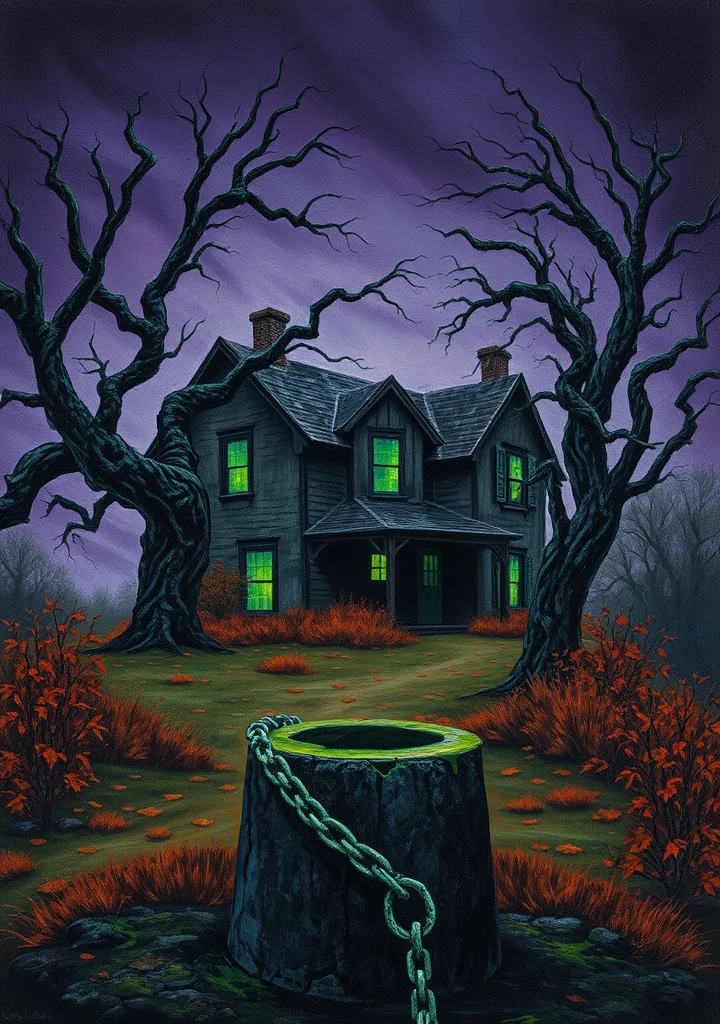
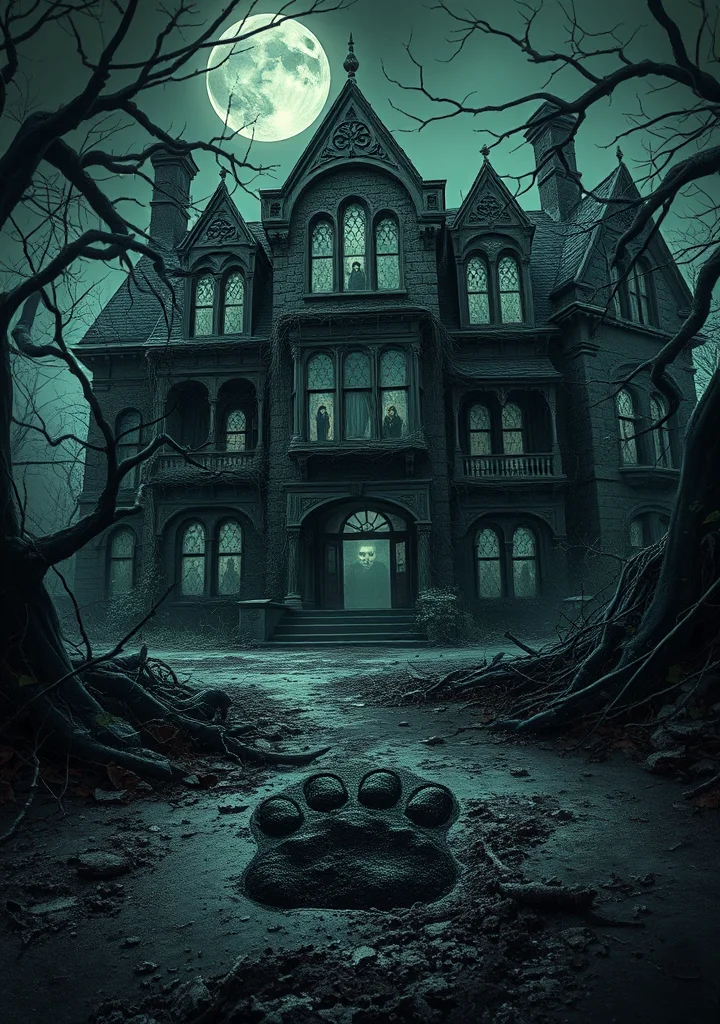
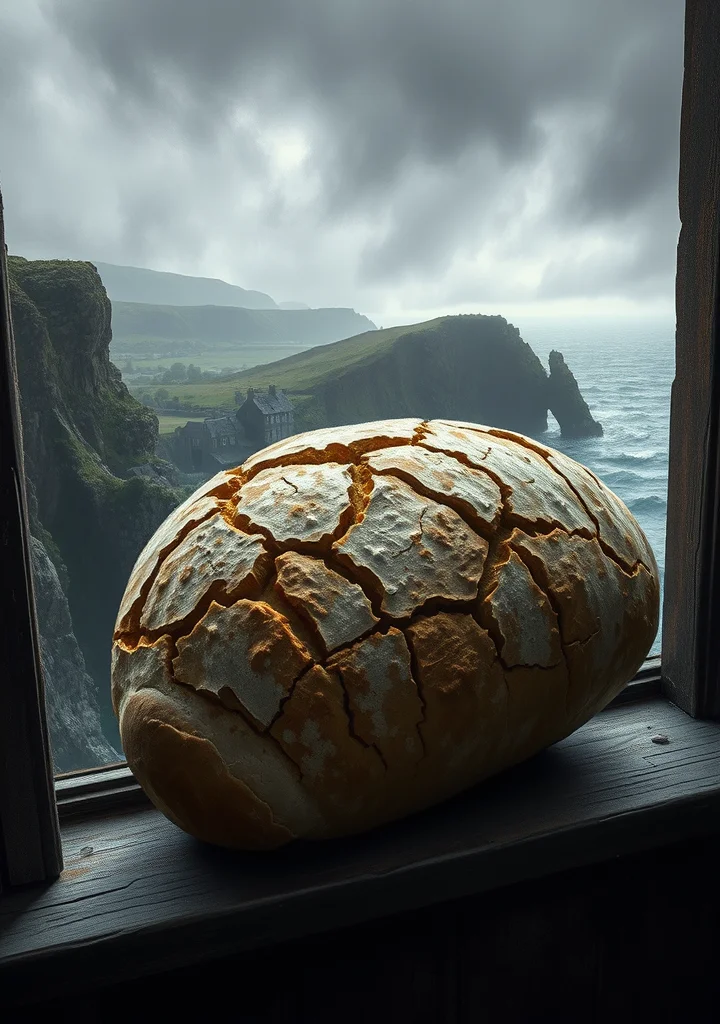
A creeping dread clings to the Dorset coast, a salt-laced miasma rising from the crumbling cliffs and shadowed coves. The village of Little Porthaven holds its secrets tight, woven into the very stone of its cottages and the mournful cry of the gulls. Old Man Tremaine, they say, died of the bread – not the eating of it, but the *making* of it. His final loaf, vast and swollen with a sickening sweetness, was found cooling on the sill, a grotesque parody of domestic comfort.
But the bread wasn’t merely a final act. It was a symptom. A slow rot spreading through the Tremaine household, mirroring the insidious decay of the manor itself. Whispers of ancient pacts with the sea, of bargains struck with things best left undisturbed in the black depths, cling to the scent of yeast and flour. The new owners, the Harwoods, arrive seeking respite, unaware they’ve walked into a tomb already claimed.
Each slice cut from the giant loaf seems to bleed a little more of the village’s history, staining the air with a cloying guilt. The scent of it clings to the fingers, to the linen, to the very thoughts of those who dare to taste it. It’s a flavor of loss, of forgotten gods, of a hunger that cannot be sated by mortal hands. The house itself breathes, exhaling the cold breath of something ancient and hungry. The shadows lengthen, not with the fall of dusk, but with the weight of the bread itself, pressing down on the living until they too, become part of its slow, suffocating bloom.
Copyright: Public Domain
This license allows anyone to use your story for any purpose, including printing, selling, or adapting it into a film freely.
This license allows anyone to use your story for any purpose, including printing, selling, or adapting it into a film freely.
Chapter List
-
« GiantтАЩs Bread »📖 Continue Reading
-
« Prologue »
-
« I »
-
« I »
-
« II »
-
« III »
-
« IV »
-
« V »
-
« VI »
-
« II »
-
« I »
-
« II »
-
« III »
-
« III »
-
« I »
-
« II »
-
« III »
-
« IV »
-
« V »
-
« IV »
-
« I »
-
« II »
-
« III »
-
« IV »
-
« V »
-
« I »
-
« II »
-
« VI »
-
« I »
-
« II »
-
« III »
-
« IV »
-
« VII »
-
« I »
-
« II »
-
« III »
-
« IV »
-
« V »
-
« VI »
-
« VIII »
-
« I »
-
« II »
-
« III »
-
« IV »
-
« I »
-
« I »
-
« II »
-
« III »
-
« II »
-
« I »
-
« II »
-
« III »
-
« III »
-
« I »
-
« II »
-
« III »
-
« IV »
-
« V »
-
« VI »
-
« IV »
-
« I »
-
« II »
-
« III »
-
« V »
-
« I »
-
« II »
-
« III »
-
« IV »
-
« V »
-
« VI »
-
« I »
-
« II »
-
« VII »
-
« I »
-
« I »
-
« I »
-
« II »
-
« III »
-
« IV »
-
« II »
-
« I »
-
« II »
-
« III »
-
« IV »
-
« III »
-
« I »
-
« II »
-
« III »
-
« IV »
-
« IV »
-
« I »
-
« II »
-
« III »
-
« I »
-
« I »
-
« II »
-
« III »
-
« II »
-
« I »
-
« II »
-
« III »
-
« IV »
-
« III »
-
« I »
-
« II »
-
« III »
-
« IV »
-
« V »
-
« VI »
-
« IV »
-
« I »
-
« I »
-
« I »
-
« II »
-
« III »
-
« IV »
-
« II »
-
« I »
-
« II »
-
« III »
-
« III »
-
« I »
-
« II »
-
« III »
-
« IV »
-
« IV »
-
« I »
-
« II »
-
« III »
-
« IV »
-
« V »
-
« VI »
-
« VII »
-
« VIII »
-
« IX »
-
« X »
-
« Telegram from Vernon Deyre to Sebastian Levinne »
-
« V »
-
« I »
-
« II »
-
« III »
-
« IV »
-
« V »
143
-
« GiantтАЩs Bread »
-
« Prologue »
-
« I »
-
« I »
-
« II »
-
« III »
-
« IV »
-
« V »
-
« VI »
-
« II »
-
« I »
-
« II »
-
« III »
-
« III »
-
« I »
-
« II »
-
« III »
-
« IV »
-
« V »
-
« IV »
-
« I »
-
« II »
-
« III »
-
« IV »
-
« V »
-
« I »
-
« II »
-
« VI »
-
« I »
-
« II »
-
« III »
-
« IV »
-
« VII »
-
« I »
-
« II »
-
« III »
-
« IV »
-
« V »
-
« VI »
-
« VIII »
-
« I »
-
« II »
-
« III »
-
« IV »
-
« I »
-
« I »
-
« II »
-
« III »
-
« II »
-
« I »
-
« II »
-
« III »
-
« III »
-
« I »
-
« II »
-
« III »
-
« IV »
-
« V »
-
« VI »
-
« IV »
-
« I »
-
« II »
-
« III »
-
« V »
-
« I »
-
« II »
-
« III »
-
« IV »
-
« V »
-
« VI »
-
« I »
-
« II »
-
« VII »
-
« I »
-
« I »
-
« I »
-
« II »
-
« III »
-
« IV »
-
« II »
-
« I »
-
« II »
-
« III »
-
« IV »
-
« III »
-
« I »
-
« II »
-
« III »
-
« IV »
-
« IV »
-
« I »
-
« II »
-
« III »
-
« I »
-
« I »
-
« II »
-
« III »
-
« II »
-
« I »
-
« II »
-
« III »
-
« IV »
-
« III »
-
« I »
-
« II »
-
« III »
-
« IV »
-
« V »
-
« VI »
-
« IV »
-
« I »
-
« I »
-
« I »
-
« II »
-
« III »
-
« IV »
-
« II »
-
« I »
-
« II »
-
« III »
-
« III »
-
« I »
-
« II »
-
« III »
-
« IV »
-
« IV »
-
« I »
-
« II »
-
« III »
-
« IV »
-
« V »
-
« VI »
-
« VII »
-
« VIII »
-
« IX »
-
« X »
-
« Telegram from Vernon Deyre to Sebastian Levinne »
-
« V »
-
« I »
-
« II »
-
« III »
-
« IV »
-
« V »
More like this