
-
Read 788
-
0
-
Part 84
Completed, First published Mar 02, 2026
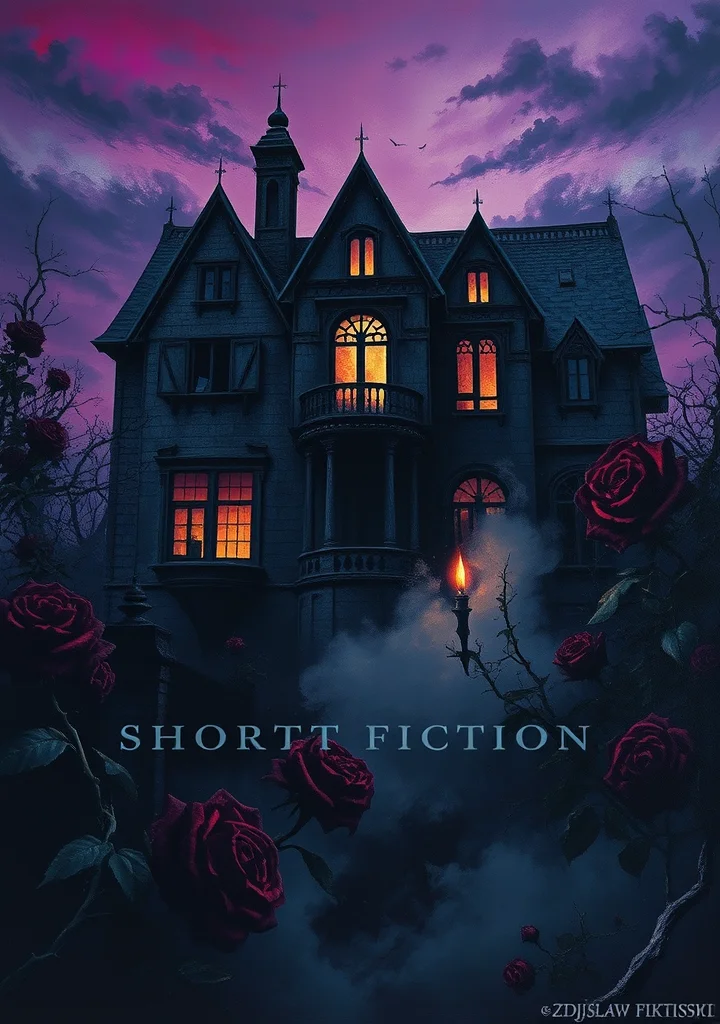
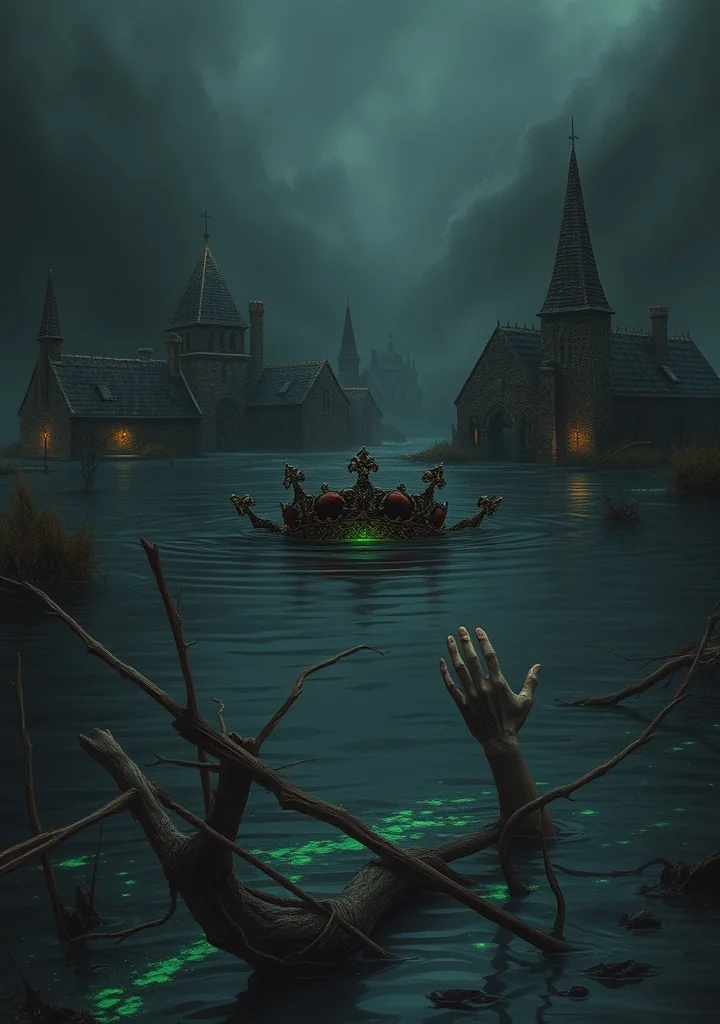
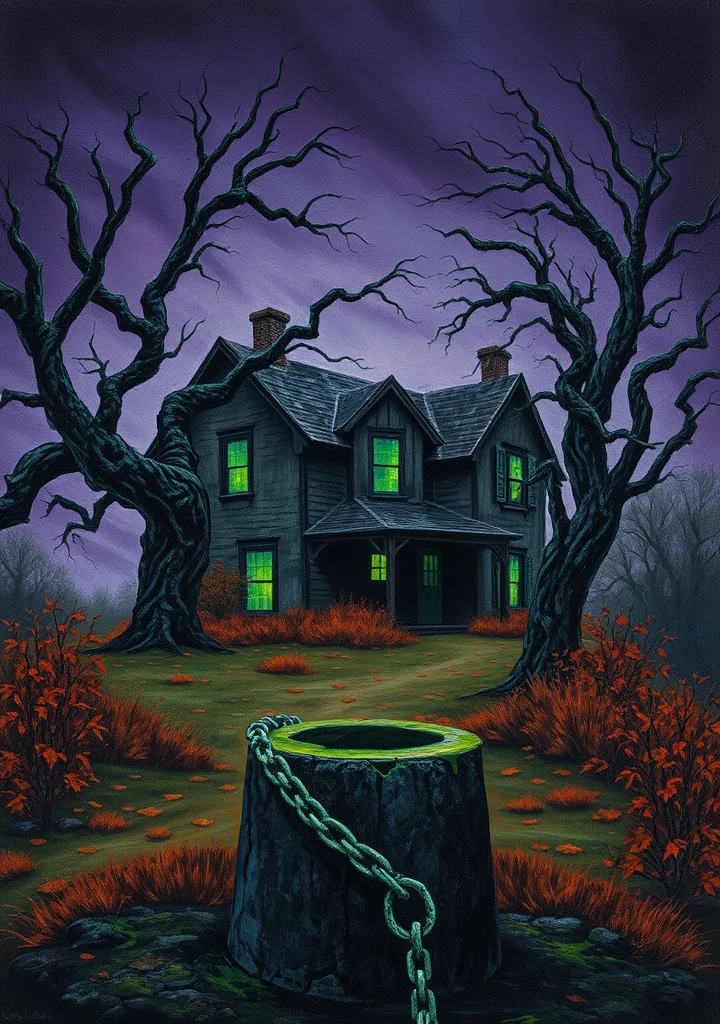
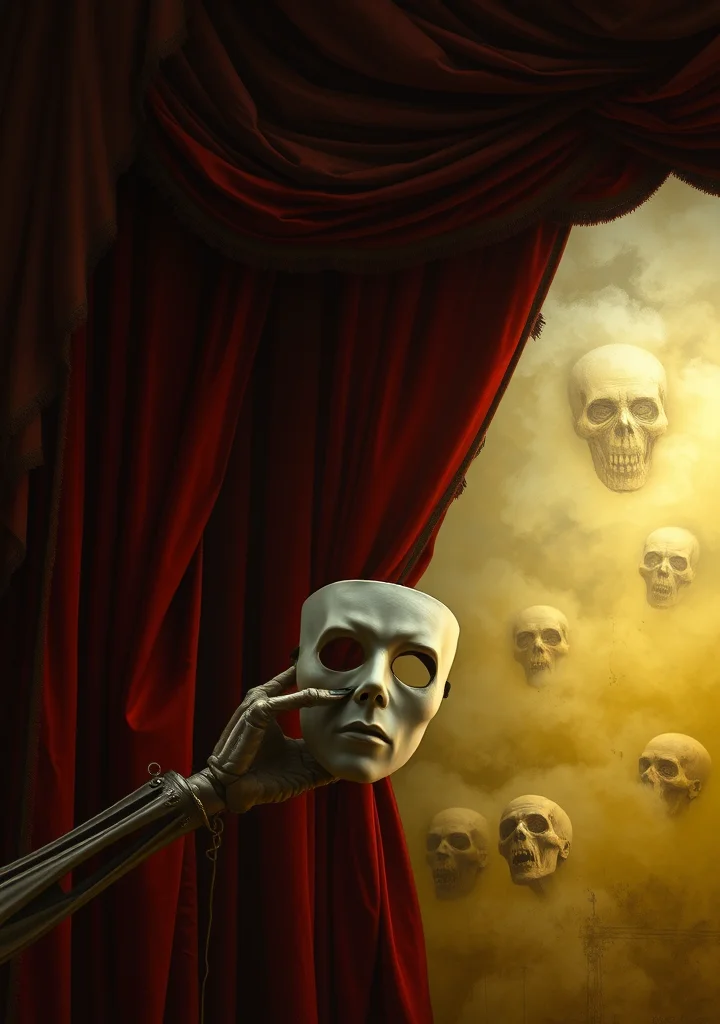
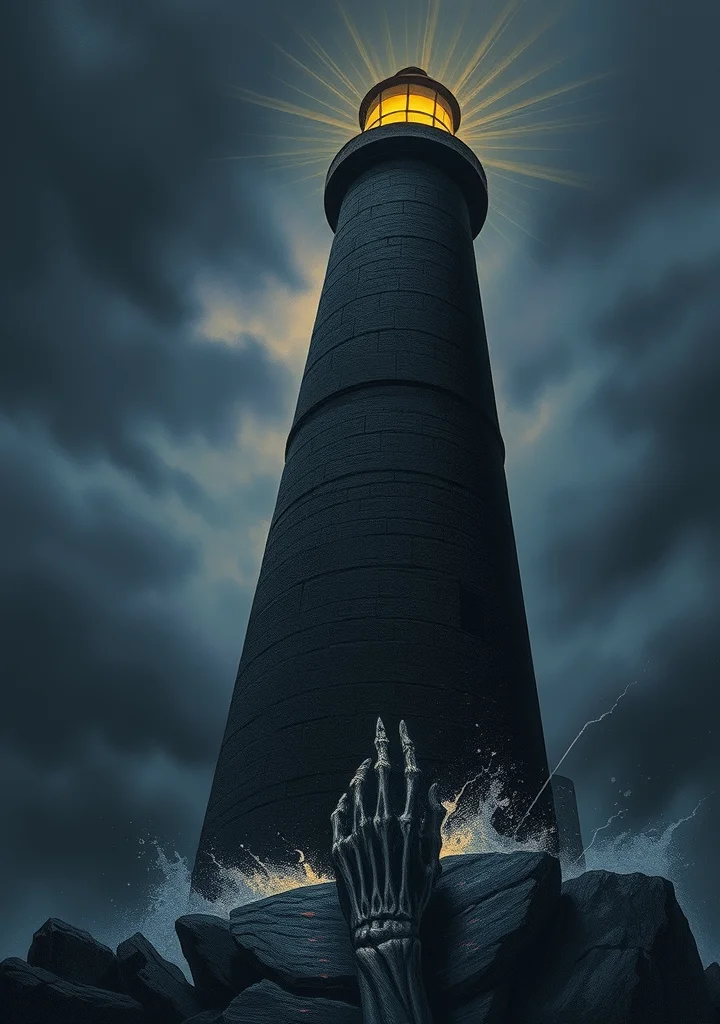
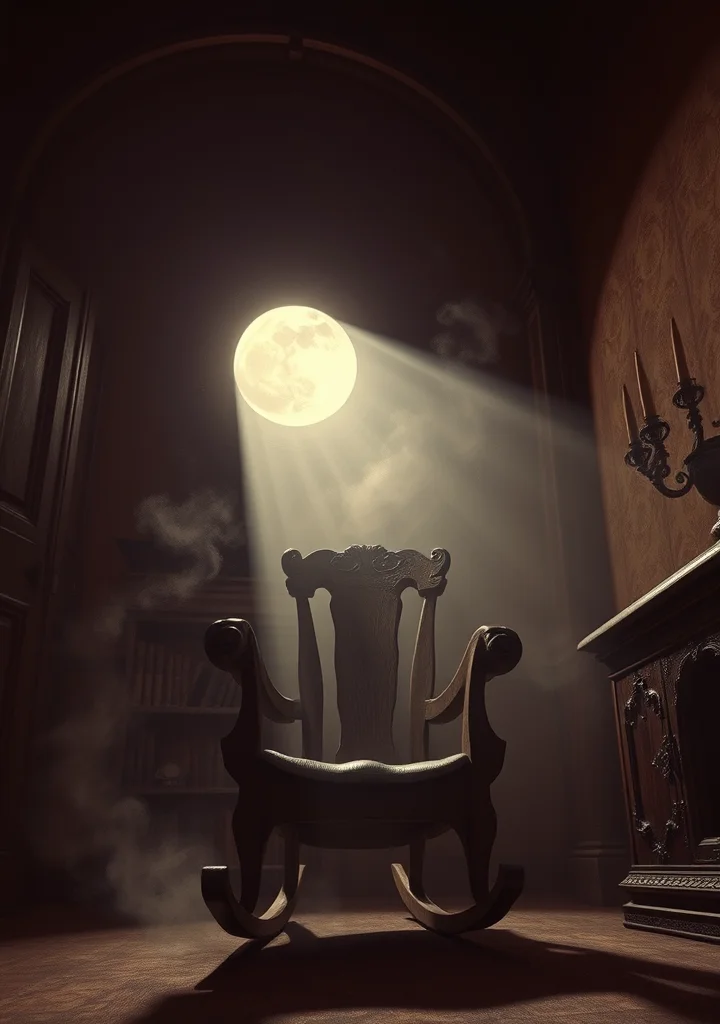
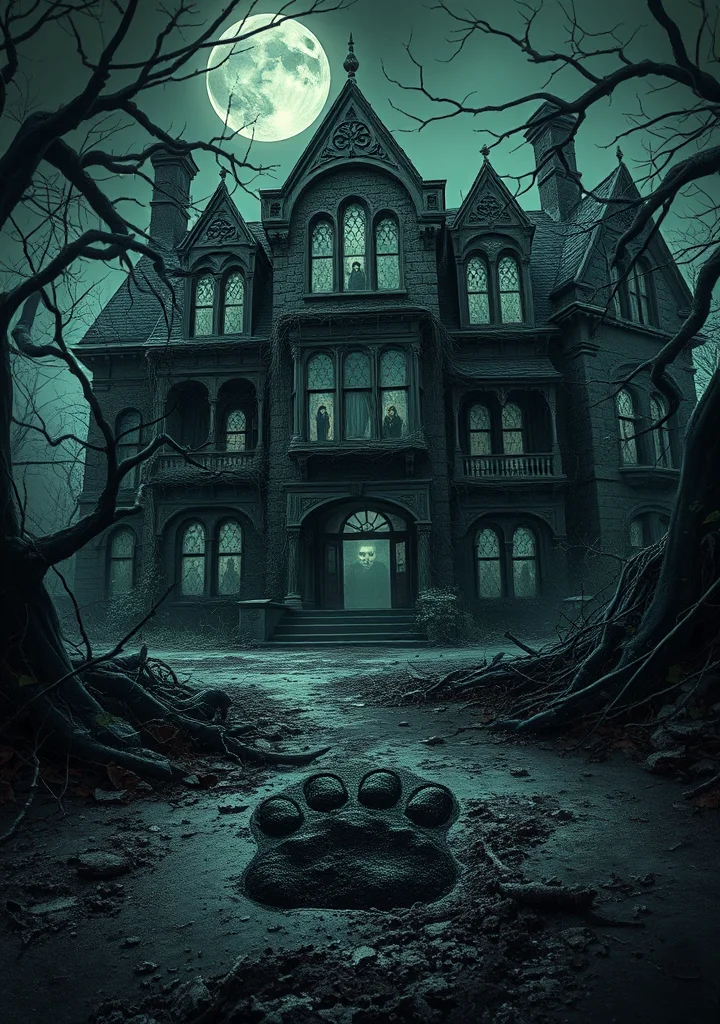
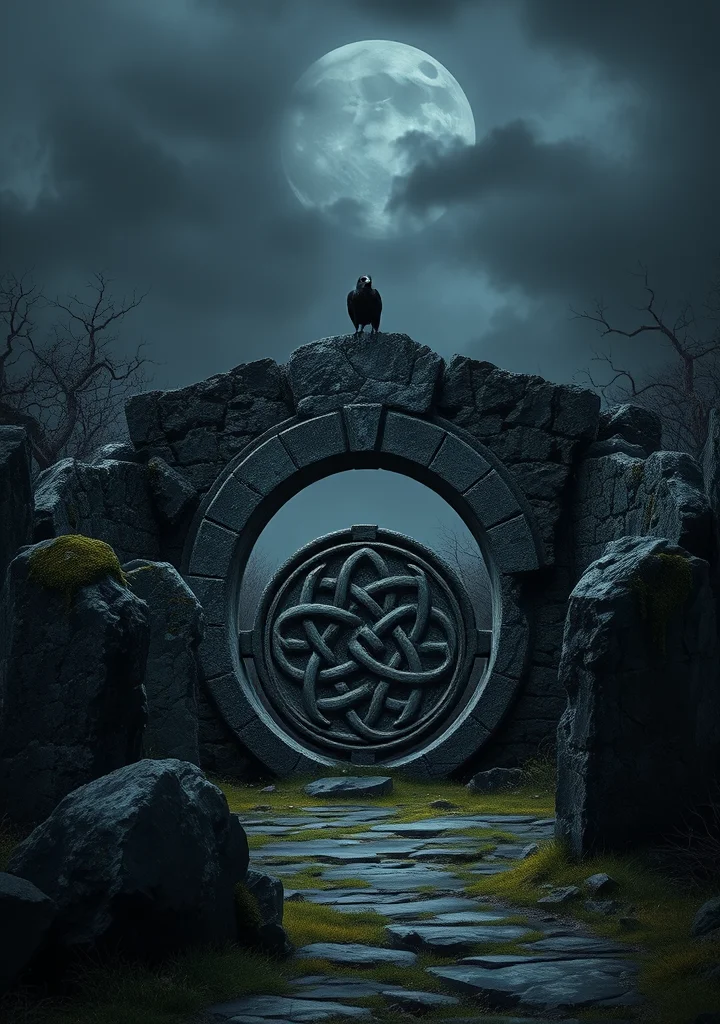
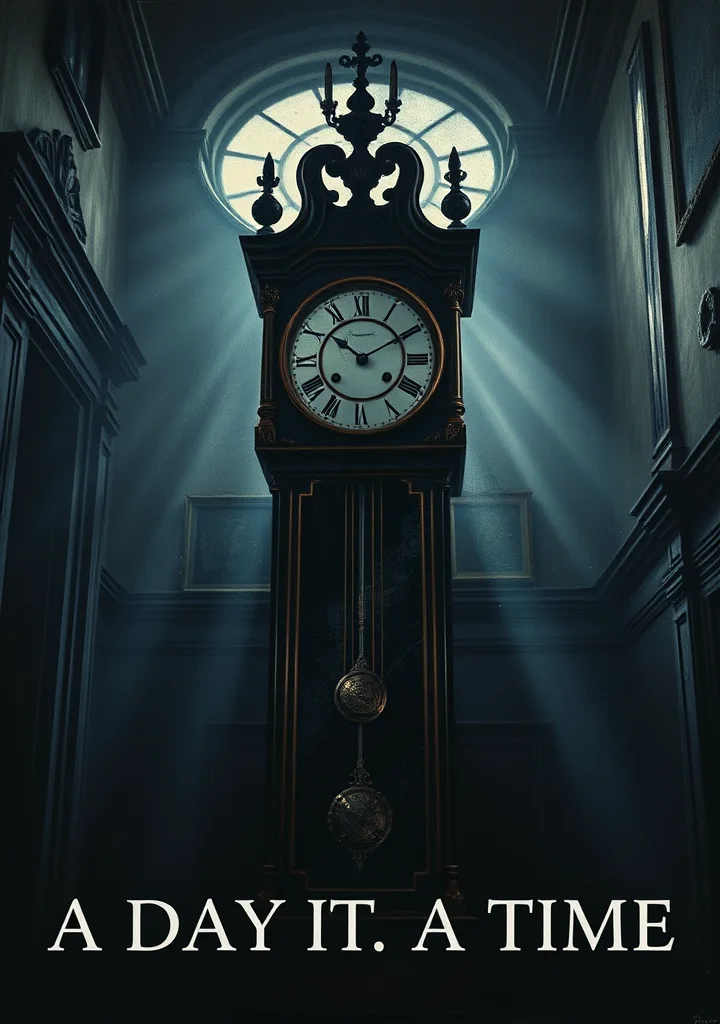
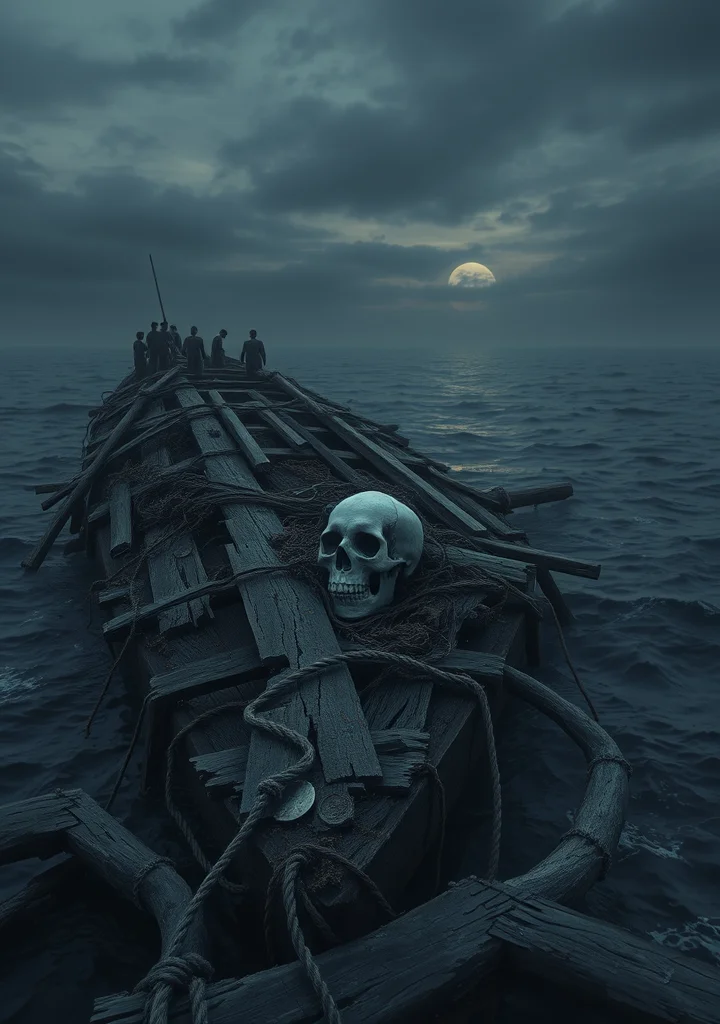
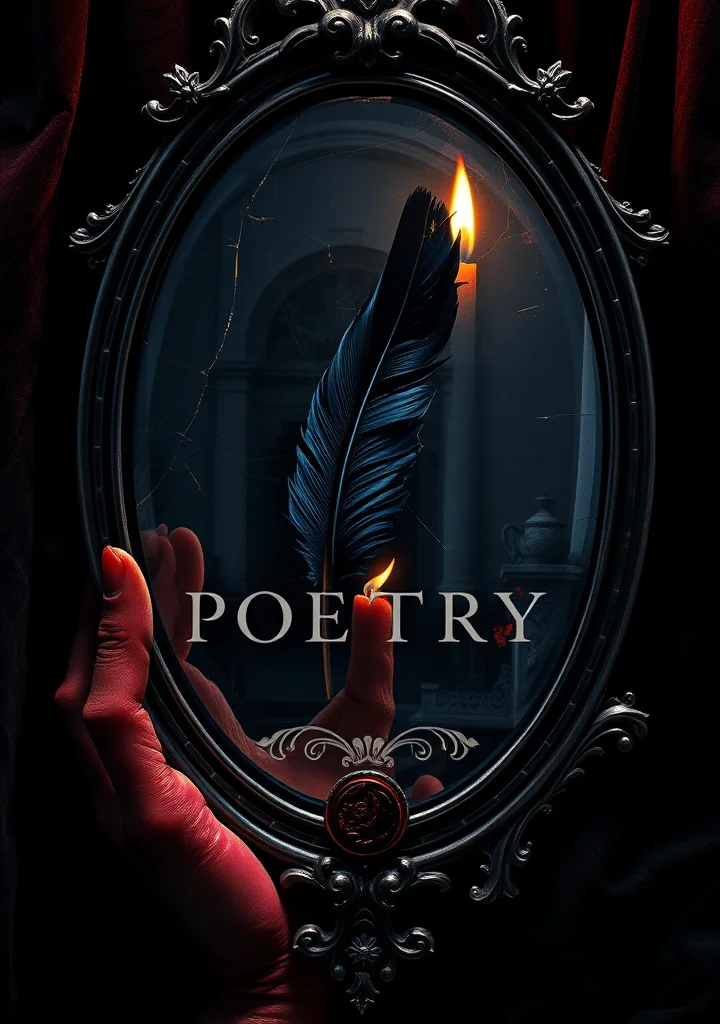
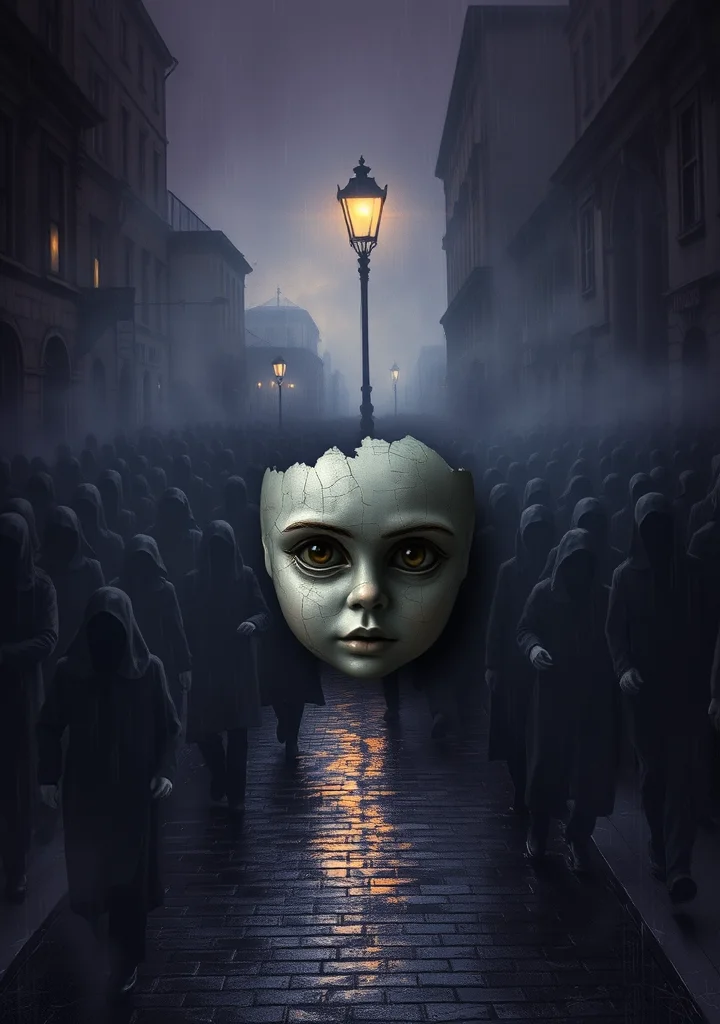
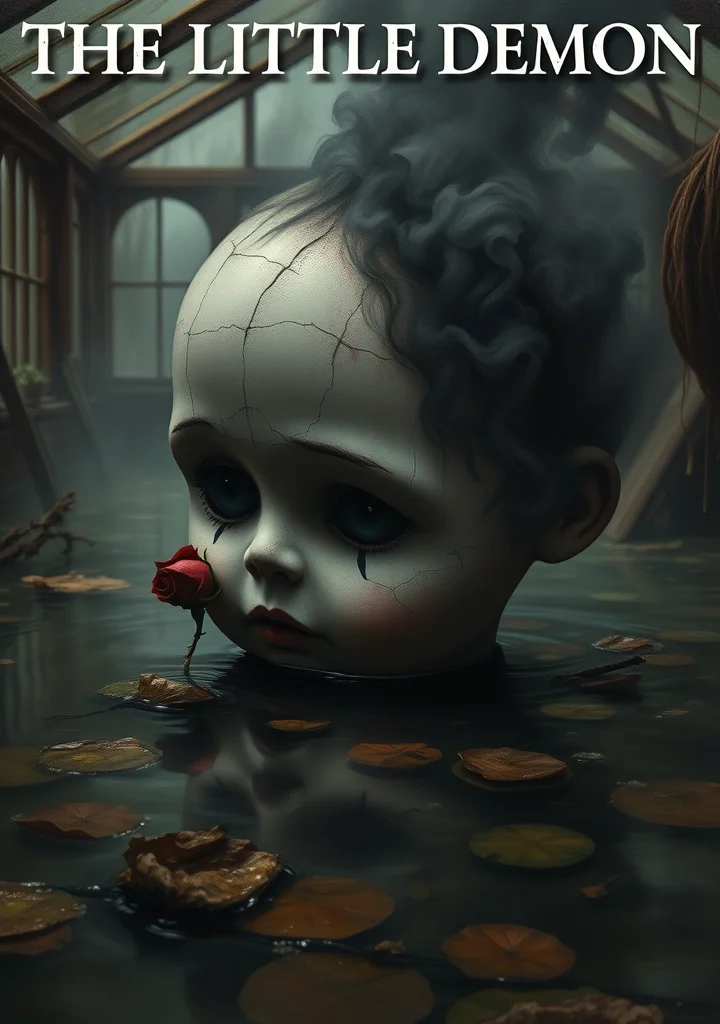
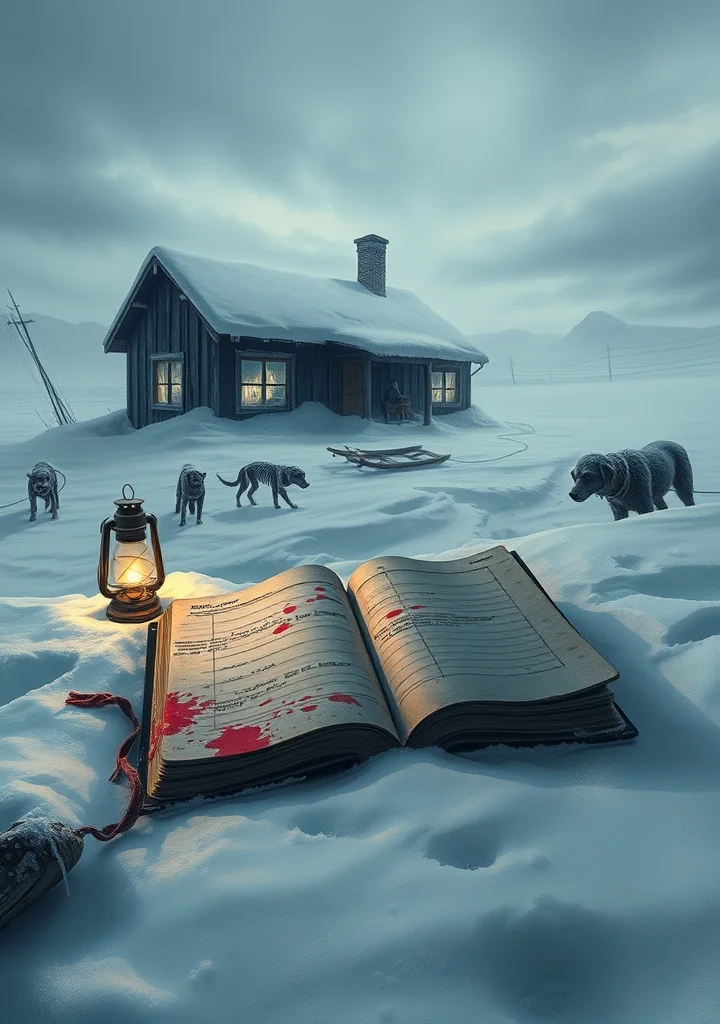
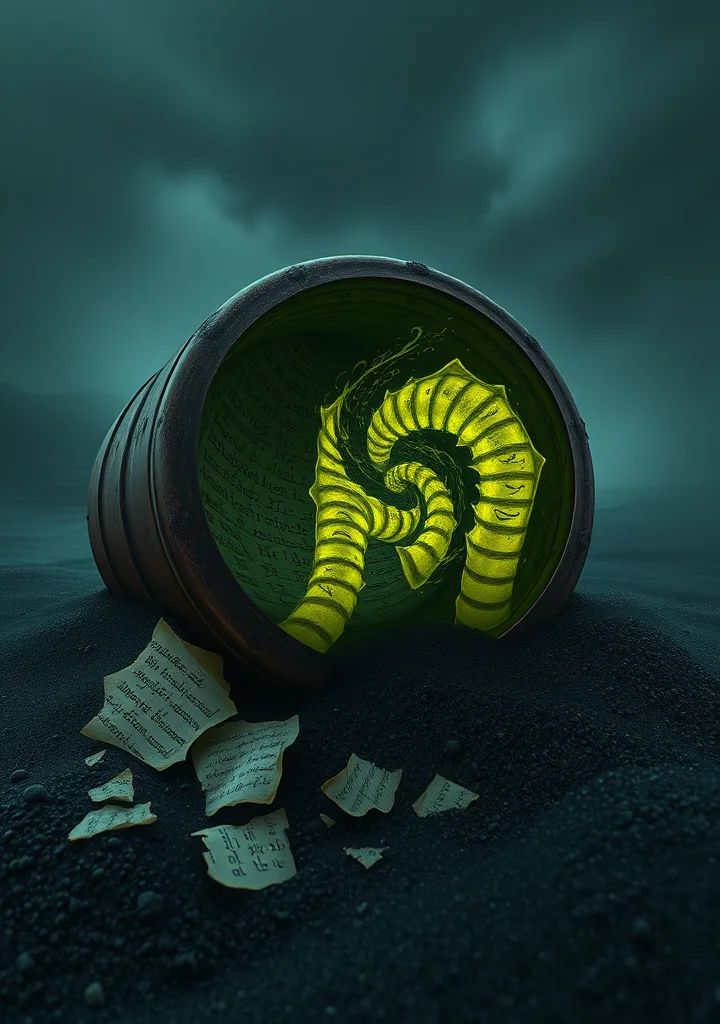
A creeping dread permeates these shadowed tales, each a descent into the fractured psyche. Poe’s stories are not merely narratives, but distillations of decay—of crumbling ancestral homes haunted by the ghosts of memory, of pallid figures consumed by nameless terrors. The air hangs thick with the scent of dust and regret, clinging to velvet draperies and worm-eaten floorboards. Every syllable drips with a melancholic precision, mirroring the slow, deliberate unraveling of sanity.
Within these pages, the boundaries between dream and nightmare dissolve, leaving the reader adrift in a labyrinth of obsession and despair. The pulse quickens not from plot, but from the suffocating atmosphere—a suffocating weight of unspoken grief and the chilling awareness of something *just* beyond perception. Rooms become tombs, voices echo from beyond the grave, and the very stones seem to weep with a forgotten sorrow.
These are not stories to be read in the light, but to be absorbed in the deepest, most vulnerable hours, when the shadows stretch long and the whispers of madness begin to coalesce. Expect no escape, only a deepening entanglement within the suffocating embrace of Poe’s exquisite darkness.
Copyright: Public Domain
This license allows anyone to use your story for any purpose, including printing, selling, or adapting it into a film freely.
This license allows anyone to use your story for any purpose, including printing, selling, or adapting it into a film freely.
Chapter List
-
« Short Fiction »📖 Continue Reading
-
« Edgar Allan Poe »
-
« The Life of Edgar Allan Poe »
-
« The Death of Edgar Allan Poe »
-
« Chapter_7 »
-
« Chapter_8 »
-
« Chapter_9 »
-
« Chapter_10 »
-
« Chapter_11 »
-
« Chapter_12 »
-
« Chapter_13 »
-
« Chapter_14 »
-
« Chapter_15 »
-
« Chapter_16 »
-
« Chapter_17 »
-
« Chapter_18 »
-
« Chapter_19 »
-
« Chapter_20 »
-
« Chapter_21 »
-
« Chapter_22 »
-
« Chapter_23 »
-
« Chapter_24 »
-
« Chapter_25 »
-
« Chapter_26 »
-
« Chapter_27 »
-
« Chapter_28 »
-
« Chapter_29 »
-
« Chapter_30 »
-
« Chapter_31 »
-
« Chapter_32 »
-
« Chapter_33 »
-
« Chapter_34 »
-
« Chapter_35 »
-
« Chapter_36 »
-
« Why the Little Frenchman Wears His Hand in a Sling »
-
« Chapter_38 »
-
« Chapter_39 »
-
« Chapter_40 »
-
« Chapter_41 »
-
« Chapter_42 »
-
« Chapter_43 »
-
« Never Bet the Devil Your Head »
-
« Chapter_45 »
-
« Three Sundays in a Week »
-
« The Oval Portrait »
-
« The Masque of the Red Death »
-
« Chapter_49 »
-
« Chapter_50 »
-
« Chapter_51 »
-
« The Telltale Heart »
-
« Chapter_53 »
-
« The Black Cat »
-
« Chapter_55 »
-
« The Spectacles »
-
« A Tale of the Ragged Mountains »
-
« The Premature Burial »
-
« Mesmeric Revelation »
-
« The Oblong Box »
-
« The Angel of the Odd »
-
« Thou Art the Man »
-
« The Literary Life of Thingum Bob,Esq. »
-
« Chapter_64 »
-
« Chapter_65 »
-
« Some Words with a Mummy »
-
« The Power of Words »
-
« The Imp of the Perverse »
-
« The System of Doctor Tarr and Professor Fether »
-
« The Facts in the Case ofM.Valdemar »
-
« The Sphinx »
-
« The Cask of Amontillado »
-
« Chapter_73 »
-
« Mellonta Tauta »
-
« Chapter_75 »
-
« Chapter_76 »
-
« Chapter_77 »
-
« Chapter_78 »
-
« Chapter_79 »
-
« Chapter_80 »
-
« Chapter_81 »
-
« Chapter_82 »
-
« Hop-Frog »
-
« Von Kempelen and His Discovery »
-
« X-ing a Paragrab »
-
« Landor’s Cottage »
84
-
« Short Fiction »
-
« Edgar Allan Poe »
-
« The Life of Edgar Allan Poe »
-
« The Death of Edgar Allan Poe »
-
« Chapter_7 »
-
« Chapter_8 »
-
« Chapter_9 »
-
« Chapter_10 »
-
« Chapter_11 »
-
« Chapter_12 »
-
« Chapter_13 »
-
« Chapter_14 »
-
« Chapter_15 »
-
« Chapter_16 »
-
« Chapter_17 »
-
« Chapter_18 »
-
« Chapter_19 »
-
« Chapter_20 »
-
« Chapter_21 »
-
« Chapter_22 »
-
« Chapter_23 »
-
« Chapter_24 »
-
« Chapter_25 »
-
« Chapter_26 »
-
« Chapter_27 »
-
« Chapter_28 »
-
« Chapter_29 »
-
« Chapter_30 »
-
« Chapter_31 »
-
« Chapter_32 »
-
« Chapter_33 »
-
« Chapter_34 »
-
« Chapter_35 »
-
« Chapter_36 »
-
« Why the Little Frenchman Wears His Hand in a Sling »
-
« Chapter_38 »
-
« Chapter_39 »
-
« Chapter_40 »
-
« Chapter_41 »
-
« Chapter_42 »
-
« Chapter_43 »
-
« Never Bet the Devil Your Head »
-
« Chapter_45 »
-
« Three Sundays in a Week »
-
« The Oval Portrait »
-
« The Masque of the Red Death »
-
« Chapter_49 »
-
« Chapter_50 »
-
« Chapter_51 »
-
« The Telltale Heart »
-
« Chapter_53 »
-
« The Black Cat »
-
« Chapter_55 »
-
« The Spectacles »
-
« A Tale of the Ragged Mountains »
-
« The Premature Burial »
-
« Mesmeric Revelation »
-
« The Oblong Box »
-
« The Angel of the Odd »
-
« Thou Art the Man »
-
« The Literary Life of Thingum Bob,Esq. »
-
« Chapter_64 »
-
« Chapter_65 »
-
« Some Words with a Mummy »
-
« The Power of Words »
-
« The Imp of the Perverse »
-
« The System of Doctor Tarr and Professor Fether »
-
« The Facts in the Case ofM.Valdemar »
-
« The Sphinx »
-
« The Cask of Amontillado »
-
« Chapter_73 »
-
« Mellonta Tauta »
-
« Chapter_75 »
-
« Chapter_76 »
-
« Chapter_77 »
-
« Chapter_78 »
-
« Chapter_79 »
-
« Chapter_80 »
-
« Chapter_81 »
-
« Chapter_82 »
-
« Hop-Frog »
-
« Von Kempelen and His Discovery »
-
« X-ing a Paragrab »
-
« Landor’s Cottage »
More like this