
-
Read 6.2K
-
0
-
Part 486
Completed, First published Mar 02, 2026
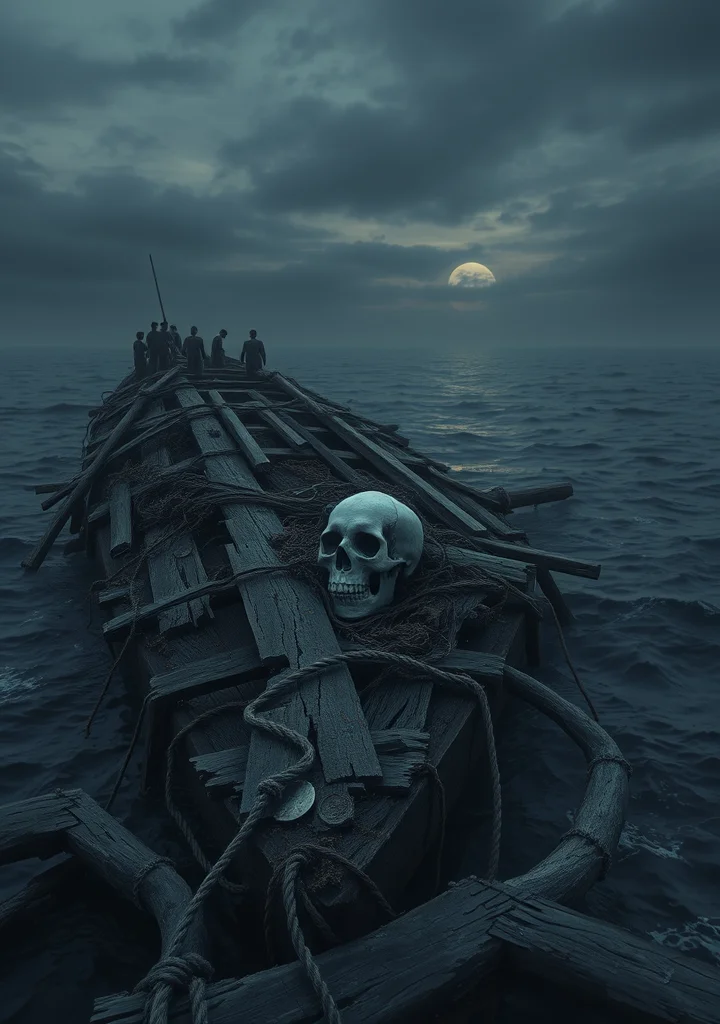
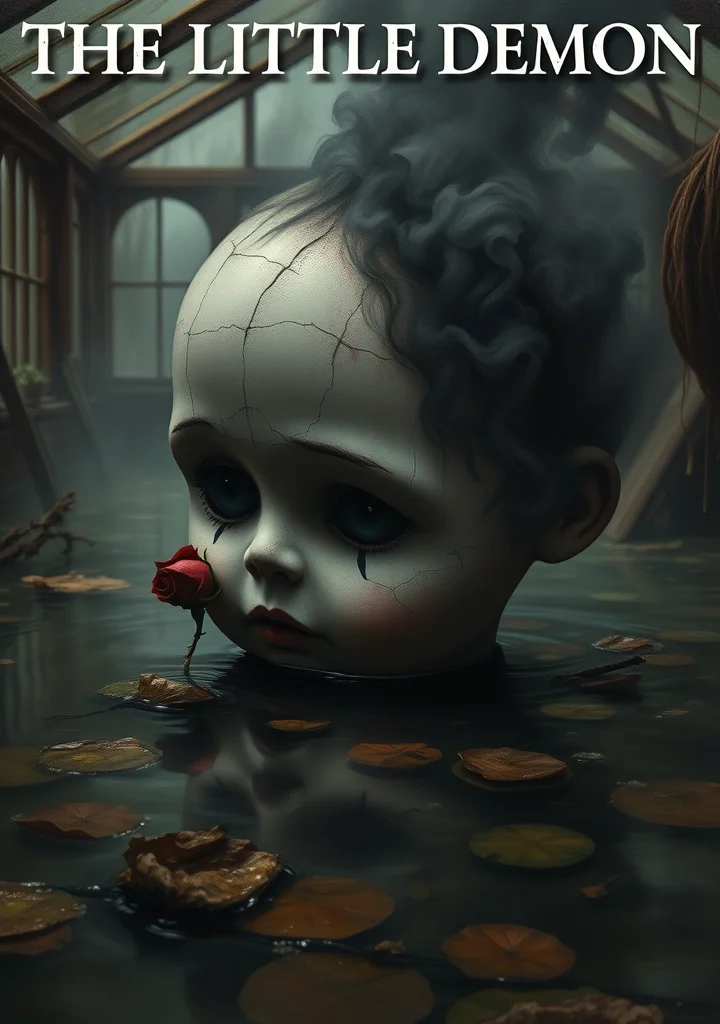
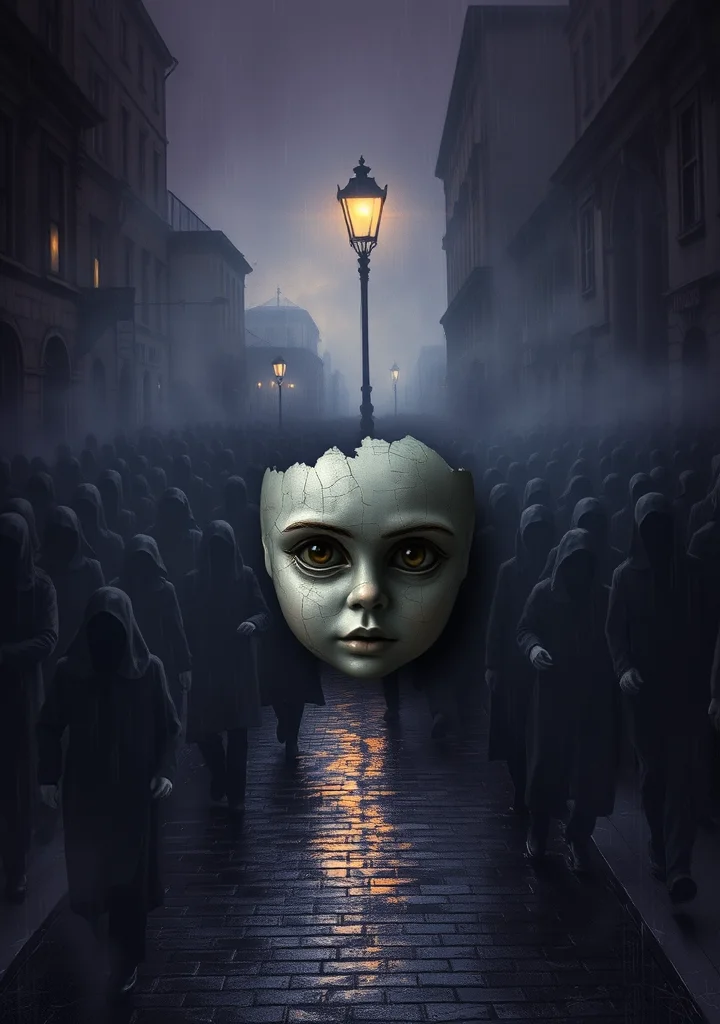
A creeping dread clings to the crumbling pages of Lear’s Nonsense Books, not from monstrous beasts or spectral apparitions, but from a far more insidious rot—the decay of reason itself. Within these volumes, logic unravels like threadbare tapestries, revealing glimpses of shadowed forests populated by the Howples, the Jumblies, and the utterly unnameable. Each rhyme, each illustration, feels less a playful invention and more a fragment unearthed from a forgotten, fractured world. The air grows thick with a melancholic absurdity, the laughter brittle as dry bone.
These aren’t children’s verses to be sung lightly, but whispers carried on the wind through hollowed-out skulls. The Old Man of the Hills, perpetually searching, embodies a loneliness that seeps into the marrow of your own bones. The landscapes are painted in hues of perpetual twilight, where every twist of the path leads to a further distortion of form and meaning.
A creeping unease settles with each nonsensical utterance, a sense that the very foundations of reality are built upon shifting sands. The reader isn’t merely *told* a story, but becomes lost *within* one—a labyrinth of fractured rhymes where the exit is always just beyond reach, and the echoes of laughter sound like the cries of something lost, and irrevocably broken. The beauty is laced with decay, the joy with the hollow ache of something fundamentally *wrong*.
Copyright: Public Domain
This license allows anyone to use your story for any purpose, including printing, selling, or adapting it into a film freely.
This license allows anyone to use your story for any purpose, including printing, selling, or adapting it into a film freely.
Chapter List
-
« Nonsense Books »📖 Continue Reading
-
« “How Pleasant to KnowMr.Lear!” »
-
« Introduction »
-
« Dedication »
-
« Dedication »
-
« Nonsense Rhymes and Pictures »
-
« Chapter_9 »
-
« Chapter_10 »
-
« Chapter_11 »
-
« Chapter_12 »
-
« Chapter_13 »
-
« Chapter_14 »
-
« Chapter_15 »
-
« Chapter_16 »
-
« Chapter_17 »
-
« Chapter_18 »
-
« Chapter_19 »
-
« Chapter_20 »
-
« Chapter_21 »
-
« Chapter_22 »
-
« Chapter_23 »
-
« Chapter_24 »
-
« Chapter_25 »
-
« Chapter_26 »
-
« Chapter_27 »
-
« Chapter_28 »
-
« Chapter_29 »
-
« Chapter_30 »
-
« Chapter_31 »
-
« Chapter_32 »
-
« Chapter_33 »
-
« Chapter_34 »
-
« Chapter_35 »
-
« Chapter_36 »
-
« Chapter_37 »
-
« Chapter_38 »
-
« Chapter_39 »
-
« Chapter_40 »
-
« Chapter_41 »
-
« Chapter_42 »
-
« Chapter_43 »
-
« Chapter_44 »
-
« Chapter_45 »
-
« Chapter_46 »
-
« Chapter_47 »
-
« Chapter_48 »
-
« Chapter_49 »
-
« Chapter_50 »
-
« Chapter_51 »
-
« Chapter_52 »
-
« Chapter_53 »
-
« Chapter_54 »
-
« Chapter_55 »
-
« Chapter_56 »
-
« Chapter_57 »
-
« Chapter_58 »
-
« Chapter_59 »
-
« Chapter_60 »
-
« Chapter_61 »
-
« Chapter_62 »
-
« Chapter_63 »
-
« Chapter_64 »
-
« Chapter_65 »
-
« Chapter_66 »
-
« Chapter_67 »
-
« Chapter_68 »
-
« Chapter_69 »
-
« Chapter_70 »
-
« Chapter_71 »
-
« Chapter_72 »
-
« Chapter_73 »
-
« Chapter_74 »
-
« Chapter_75 »
-
« Chapter_76 »
-
« Chapter_77 »
-
« Chapter_78 »
-
« Chapter_79 »
-
« Chapter_80 »
-
« Chapter_81 »
-
« Chapter_82 »
-
« Chapter_83 »
-
« Chapter_84 »
-
« Chapter_85 »
-
« Chapter_86 »
-
« Chapter_87 »
-
« Chapter_88 »
-
« Chapter_89 »
-
« Chapter_90 »
-
« Chapter_91 »
-
« Chapter_92 »
-
« Chapter_93 »
-
« Chapter_94 »
-
« Chapter_95 »
-
« Chapter_96 »
-
« Chapter_97 »
-
« Chapter_98 »
-
« Chapter_99 »
-
« Chapter_100 »
-
« Chapter_101 »
-
« Chapter_102 »
-
« Chapter_103 »
-
« Chapter_104 »
-
« Chapter_105 »
-
« Chapter_106 »
-
« Chapter_107 »
-
« Chapter_108 »
-
« Chapter_109 »
-
« Chapter_110 »
-
« Chapter_111 »
-
« Chapter_112 »
-
« Chapter_113 »
-
« Chapter_114 »
-
« Chapter_115 »
-
« Chapter_116 »
-
« Chapter_117 »
-
« Chapter_118 »
-
« Chapter_119 »
-
« Chapter_120 »
-
« Nonsense Songs »
-
« Nonsense Songs »
-
« The Owl and the Pussycat »
-
« I »
-
« II »
-
« III »
-
« The Duck and the Kangaroo »
-
« I »
-
« II »
-
« III »
-
« IV »
-
« V »
-
« The Daddy Long-Legs and the Fly »
-
« I »
-
« II »
-
« III »
-
« IV »
-
« V »
-
« VI »
-
« VII »
-
« The Jumblies »
-
« I »
-
« II »
-
« III »
-
« IV »
-
« V »
-
« VI »
-
« The Nutcrackers and the Sugar-Tongs »
-
« I »
-
« II »
-
« III »
-
« IV »
-
« V »
-
« VI »
-
« Calico Pie »
-
« I »
-
« II »
-
« III »
-
« IV »
-
« Mr.andMrs.Spikky Sparrow »
-
« I »
-
« II »
-
« III »
-
« IV »
-
« V »
-
« VI »
-
« VII »
-
« The Broom, the Shovel, the Poker, and the Tongs »
-
« I »
-
« II »
-
« III »
-
« IV »
-
« The Table and the Chair »
-
« I »
-
« II »
-
« III »
-
« IV »
-
« V »
-
« Nonsense Stories »
-
« The Story of the Four Little Children Who Went Round the World »
-
« The History of the Seven Families of the Lake Pipple-Popple »
-
« ChapterI »
-
« ChapterII »
-
« ChapterIII »
-
« ChapterIV »
-
« ChapterV »
-
« ChapterVI »
-
« ChapterVII »
-
« ChapterVIII »
-
« ChapterIX »
-
« ChapterX »
-
« ChapterXI »
-
« ChapterXII »
-
« ChapterXIII »
-
« ChapterXIV »
-
« Nonsense Cookery »
-
« Chapter_197 »
-
« Three Receipts for Domestic Cookery »
-
« To Make an Amblongus Pie »
-
« To Make Crumbobblious Cutlets »
-
« To Make Gosky Patties »
-
« Nonsense Botany »
-
« Nonsense Alphabets »
-
« Chapter_214 »
-
« Chapter_215 »
-
« Chapter_216 »
-
« Chapter_217 »
-
« Chapter_218 »
-
« Chapter_219 »
-
« Chapter_220 »
-
« Chapter_221 »
-
« Chapter_222 »
-
« Chapter_223 »
-
« Chapter_224 »
-
« Chapter_225 »
-
« Chapter_226 »
-
« Chapter_227 »
-
« Chapter_228 »
-
« Chapter_229 »
-
« Chapter_230 »
-
« Chapter_231 »
-
« Chapter_232 »
-
« Chapter_233 »
-
« Chapter_234 »
-
« Chapter_235 »
-
« Chapter_236 »
-
« Chapter_237 »
-
« Chapter_238 »
-
« Chapter_239 »
-
« Chapter_240 »
-
« Chapter_241 »
-
« Chapter_242 »
-
« Chapter_243 »
-
« Chapter_244 »
-
« Chapter_245 »
-
« Chapter_246 »
-
« Chapter_247 »
-
« Chapter_248 »
-
« Chapter_249 »
-
« Chapter_250 »
-
« Chapter_251 »
-
« Chapter_252 »
-
« Chapter_253 »
-
« Chapter_254 »
-
« Chapter_255 »
-
« Chapter_256 »
-
« Chapter_257 »
-
« Chapter_258 »
-
« Chapter_259 »
-
« Chapter_260 »
-
« Chapter_261 »
-
« Chapter_262 »
-
« Chapter_263 »
-
« Chapter_264 »
-
« Chapter_265 »
-
« Chapter_266 »
-
« Chapter_267 »
-
« Chapter_268 »
-
« Chapter_269 »
-
« Chapter_270 »
-
« Chapter_271 »
-
« Chapter_272 »
-
« Chapter_273 »
-
« Chapter_274 »
-
« Chapter_275 »
-
« Chapter_276 »
-
« Chapter_277 »
-
« Chapter_278 »
-
« Chapter_279 »
-
« Chapter_280 »
-
« Chapter_281 »
-
« Chapter_282 »
-
« Chapter_283 »
-
« Chapter_284 »
-
« Chapter_285 »
-
« Chapter_286 »
-
« Chapter_287 »
-
« Chapter_288 »
-
« Chapter_289 »
-
« Chapter_290 »
-
« Chapter_291 »
-
« Chapter_292 »
-
« Chapter_293 »
-
« Chapter_294 »
-
« Introduction »
-
« Introduction »
-
« Nonsense Botany »
-
« One Hundred Nonsense Pictures and Rhymes »
-
« Chapter_311 »
-
« Chapter_312 »
-
« Chapter_313 »
-
« Chapter_314 »
-
« Chapter_315 »
-
« Chapter_316 »
-
« Chapter_317 »
-
« Chapter_318 »
-
« Chapter_319 »
-
« Chapter_320 »
-
« Chapter_321 »
-
« Chapter_322 »
-
« Chapter_323 »
-
« Chapter_324 »
-
« Chapter_325 »
-
« Chapter_326 »
-
« Chapter_327 »
-
« Chapter_328 »
-
« Chapter_329 »
-
« Chapter_330 »
-
« Chapter_331 »
-
« Chapter_332 »
-
« Chapter_333 »
-
« Chapter_334 »
-
« Chapter_335 »
-
« Chapter_336 »
-
« Chapter_337 »
-
« Chapter_338 »
-
« Chapter_339 »
-
« Chapter_340 »
-
« Chapter_341 »
-
« Chapter_342 »
-
« Chapter_343 »
-
« Chapter_344 »
-
« Chapter_345 »
-
« Chapter_346 »
-
« Chapter_347 »
-
« Chapter_348 »
-
« Chapter_349 »
-
« Chapter_350 »
-
« Chapter_351 »
-
« Chapter_352 »
-
« Chapter_353 »
-
« Chapter_354 »
-
« Chapter_355 »
-
« Chapter_356 »
-
« Chapter_357 »
-
« Chapter_358 »
-
« Chapter_359 »
-
« Chapter_360 »
-
« Chapter_361 »
-
« Chapter_362 »
-
« Chapter_363 »
-
« Chapter_364 »
-
« Chapter_365 »
-
« Chapter_366 »
-
« Chapter_367 »
-
« Chapter_368 »
-
« Chapter_369 »
-
« Chapter_370 »
-
« Chapter_371 »
-
« Chapter_372 »
-
« Chapter_373 »
-
« Chapter_374 »
-
« Chapter_375 »
-
« Chapter_376 »
-
« Chapter_377 »
-
« Chapter_378 »
-
« Chapter_379 »
-
« Chapter_380 »
-
« Chapter_381 »
-
« Chapter_382 »
-
« Chapter_383 »
-
« Chapter_384 »
-
« Chapter_385 »
-
« Chapter_386 »
-
« Chapter_387 »
-
« Chapter_388 »
-
« Chapter_389 »
-
« Chapter_390 »
-
« Chapter_391 »
-
« Chapter_392 »
-
« Chapter_393 »
-
« Chapter_394 »
-
« Chapter_395 »
-
« Chapter_396 »
-
« Chapter_397 »
-
« Chapter_398 »
-
« Chapter_399 »
-
« Chapter_400 »
-
« Chapter_401 »
-
« Chapter_402 »
-
« Chapter_403 »
-
« Chapter_404 »
-
« Chapter_405 »
-
« Chapter_406 »
-
« Chapter_407 »
-
« Chapter_408 »
-
« Chapter_409 »
-
« Chapter_410 »
-
« Twenty-Six Nonsense Rhymes and Pictures »
-
« Chapter_412 »
-
« Chapter_413 »
-
« Chapter_414 »
-
« Chapter_415 »
-
« Chapter_416 »
-
« Chapter_417 »
-
« Chapter_418 »
-
« Chapter_419 »
-
« Chapter_420 »
-
« Chapter_421 »
-
« Chapter_422 »
-
« Chapter_423 »
-
« Chapter_424 »
-
« Chapter_425 »
-
« Chapter_426 »
-
« Chapter_427 »
-
« Chapter_428 »
-
« Chapter_429 »
-
« Chapter_430 »
-
« Chapter_431 »
-
« Chapter_432 »
-
« Chapter_433 »
-
« Chapter_434 »
-
« Chapter_435 »
-
« Chapter_436 »
-
« Chapter_437 »
-
« Laughable Lyrics »
-
« Laughable Lyrics »
-
« The Dong with a Luminous Nose »
-
« The Two Old Bachelors »
-
« The Pelican Chorus »
-
« The Courtship of the Yonghy-Bonghy-Bò »
-
« I »
-
« II »
-
« III »
-
« IV »
-
« V »
-
« VI »
-
« VII »
-
« VIII »
-
« IX »
-
« X »
-
« The Pobble Who Has No Toes »
-
« I »
-
« II »
-
« III »
-
« IV »
-
« V »
-
« VI »
-
« The New Vestments »
-
« Mr.andMrs.Discobbolos »
-
« I »
-
« II »
-
« III »
-
« IV »
-
« The Quangle Wangle’s Hat »
-
« I »
-
« II »
-
« III »
-
« IV »
-
« V »
-
« VI »
-
« The Cummerbund »
-
« I »
-
« II »
-
« III »
-
« IV »
-
« V »
-
« The Akond of Swat »
-
« Nonsense Botany »
-
« Nonsense Alphabets »
-
« Chapter_493 »
-
« Chapter_494 »
-
« Chapter_495 »
-
« Chapter_496 »
-
« Chapter_497 »
-
« Chapter_498 »
-
« Chapter_499 »
-
« Chapter_500 »
-
« Chapter_501 »
-
« Chapter_502 »
-
« Chapter_503 »
-
« Chapter_504 »
-
« Chapter_505 »
-
« Chapter_506 »
-
« Chapter_507 »
-
« Chapter_508 »
-
« Chapter_509 »
-
« Chapter_510 »
-
« Chapter_511 »
-
« Chapter_512 »
-
« Chapter_513 »
-
« Chapter_514 »
-
« Chapter_515 »
-
« Chapter_516 »
-
« Chapter_517 »
-
« Chapter_518 »
-
« Chapter_519 »
-
« Chapter_520 »
486
-
« Nonsense Books »
-
« “How Pleasant to KnowMr.Lear!” »
-
« Introduction »
-
« Dedication »
-
« Dedication »
-
« Nonsense Rhymes and Pictures »
-
« Chapter_9 »
-
« Chapter_10 »
-
« Chapter_11 »
-
« Chapter_12 »
-
« Chapter_13 »
-
« Chapter_14 »
-
« Chapter_15 »
-
« Chapter_16 »
-
« Chapter_17 »
-
« Chapter_18 »
-
« Chapter_19 »
-
« Chapter_20 »
-
« Chapter_21 »
-
« Chapter_22 »
-
« Chapter_23 »
-
« Chapter_24 »
-
« Chapter_25 »
-
« Chapter_26 »
-
« Chapter_27 »
-
« Chapter_28 »
-
« Chapter_29 »
-
« Chapter_30 »
-
« Chapter_31 »
-
« Chapter_32 »
-
« Chapter_33 »
-
« Chapter_34 »
-
« Chapter_35 »
-
« Chapter_36 »
-
« Chapter_37 »
-
« Chapter_38 »
-
« Chapter_39 »
-
« Chapter_40 »
-
« Chapter_41 »
-
« Chapter_42 »
-
« Chapter_43 »
-
« Chapter_44 »
-
« Chapter_45 »
-
« Chapter_46 »
-
« Chapter_47 »
-
« Chapter_48 »
-
« Chapter_49 »
-
« Chapter_50 »
-
« Chapter_51 »
-
« Chapter_52 »
-
« Chapter_53 »
-
« Chapter_54 »
-
« Chapter_55 »
-
« Chapter_56 »
-
« Chapter_57 »
-
« Chapter_58 »
-
« Chapter_59 »
-
« Chapter_60 »
-
« Chapter_61 »
-
« Chapter_62 »
-
« Chapter_63 »
-
« Chapter_64 »
-
« Chapter_65 »
-
« Chapter_66 »
-
« Chapter_67 »
-
« Chapter_68 »
-
« Chapter_69 »
-
« Chapter_70 »
-
« Chapter_71 »
-
« Chapter_72 »
-
« Chapter_73 »
-
« Chapter_74 »
-
« Chapter_75 »
-
« Chapter_76 »
-
« Chapter_77 »
-
« Chapter_78 »
-
« Chapter_79 »
-
« Chapter_80 »
-
« Chapter_81 »
-
« Chapter_82 »
-
« Chapter_83 »
-
« Chapter_84 »
-
« Chapter_85 »
-
« Chapter_86 »
-
« Chapter_87 »
-
« Chapter_88 »
-
« Chapter_89 »
-
« Chapter_90 »
-
« Chapter_91 »
-
« Chapter_92 »
-
« Chapter_93 »
-
« Chapter_94 »
-
« Chapter_95 »
-
« Chapter_96 »
-
« Chapter_97 »
-
« Chapter_98 »
-
« Chapter_99 »
-
« Chapter_100 »
-
« Chapter_101 »
-
« Chapter_102 »
-
« Chapter_103 »
-
« Chapter_104 »
-
« Chapter_105 »
-
« Chapter_106 »
-
« Chapter_107 »
-
« Chapter_108 »
-
« Chapter_109 »
-
« Chapter_110 »
-
« Chapter_111 »
-
« Chapter_112 »
-
« Chapter_113 »
-
« Chapter_114 »
-
« Chapter_115 »
-
« Chapter_116 »
-
« Chapter_117 »
-
« Chapter_118 »
-
« Chapter_119 »
-
« Chapter_120 »
-
« Nonsense Songs »
-
« Nonsense Songs »
-
« The Owl and the Pussycat »
-
« I »
-
« II »
-
« III »
-
« The Duck and the Kangaroo »
-
« I »
-
« II »
-
« III »
-
« IV »
-
« V »
-
« The Daddy Long-Legs and the Fly »
-
« I »
-
« II »
-
« III »
-
« IV »
-
« V »
-
« VI »
-
« VII »
-
« The Jumblies »
-
« I »
-
« II »
-
« III »
-
« IV »
-
« V »
-
« VI »
-
« The Nutcrackers and the Sugar-Tongs »
-
« I »
-
« II »
-
« III »
-
« IV »
-
« V »
-
« VI »
-
« Calico Pie »
-
« I »
-
« II »
-
« III »
-
« IV »
-
« Mr.andMrs.Spikky Sparrow »
-
« I »
-
« II »
-
« III »
-
« IV »
-
« V »
-
« VI »
-
« VII »
-
« The Broom, the Shovel, the Poker, and the Tongs »
-
« I »
-
« II »
-
« III »
-
« IV »
-
« The Table and the Chair »
-
« I »
-
« II »
-
« III »
-
« IV »
-
« V »
-
« Nonsense Stories »
-
« The Story of the Four Little Children Who Went Round the World »
-
« The History of the Seven Families of the Lake Pipple-Popple »
-
« ChapterI »
-
« ChapterII »
-
« ChapterIII »
-
« ChapterIV »
-
« ChapterV »
-
« ChapterVI »
-
« ChapterVII »
-
« ChapterVIII »
-
« ChapterIX »
-
« ChapterX »
-
« ChapterXI »
-
« ChapterXII »
-
« ChapterXIII »
-
« ChapterXIV »
-
« Nonsense Cookery »
-
« Chapter_197 »
-
« Three Receipts for Domestic Cookery »
-
« To Make an Amblongus Pie »
-
« To Make Crumbobblious Cutlets »
-
« To Make Gosky Patties »
-
« Nonsense Botany »
-
« Nonsense Alphabets »
-
« Chapter_214 »
-
« Chapter_215 »
-
« Chapter_216 »
-
« Chapter_217 »
-
« Chapter_218 »
-
« Chapter_219 »
-
« Chapter_220 »
-
« Chapter_221 »
-
« Chapter_222 »
-
« Chapter_223 »
-
« Chapter_224 »
-
« Chapter_225 »
-
« Chapter_226 »
-
« Chapter_227 »
-
« Chapter_228 »
-
« Chapter_229 »
-
« Chapter_230 »
-
« Chapter_231 »
-
« Chapter_232 »
-
« Chapter_233 »
-
« Chapter_234 »
-
« Chapter_235 »
-
« Chapter_236 »
-
« Chapter_237 »
-
« Chapter_238 »
-
« Chapter_239 »
-
« Chapter_240 »
-
« Chapter_241 »
-
« Chapter_242 »
-
« Chapter_243 »
-
« Chapter_244 »
-
« Chapter_245 »
-
« Chapter_246 »
-
« Chapter_247 »
-
« Chapter_248 »
-
« Chapter_249 »
-
« Chapter_250 »
-
« Chapter_251 »
-
« Chapter_252 »
-
« Chapter_253 »
-
« Chapter_254 »
-
« Chapter_255 »
-
« Chapter_256 »
-
« Chapter_257 »
-
« Chapter_258 »
-
« Chapter_259 »
-
« Chapter_260 »
-
« Chapter_261 »
-
« Chapter_262 »
-
« Chapter_263 »
-
« Chapter_264 »
-
« Chapter_265 »
-
« Chapter_266 »
-
« Chapter_267 »
-
« Chapter_268 »
-
« Chapter_269 »
-
« Chapter_270 »
-
« Chapter_271 »
-
« Chapter_272 »
-
« Chapter_273 »
-
« Chapter_274 »
-
« Chapter_275 »
-
« Chapter_276 »
-
« Chapter_277 »
-
« Chapter_278 »
-
« Chapter_279 »
-
« Chapter_280 »
-
« Chapter_281 »
-
« Chapter_282 »
-
« Chapter_283 »
-
« Chapter_284 »
-
« Chapter_285 »
-
« Chapter_286 »
-
« Chapter_287 »
-
« Chapter_288 »
-
« Chapter_289 »
-
« Chapter_290 »
-
« Chapter_291 »
-
« Chapter_292 »
-
« Chapter_293 »
-
« Chapter_294 »
-
« Introduction »
-
« Introduction »
-
« Nonsense Botany »
-
« One Hundred Nonsense Pictures and Rhymes »
-
« Chapter_311 »
-
« Chapter_312 »
-
« Chapter_313 »
-
« Chapter_314 »
-
« Chapter_315 »
-
« Chapter_316 »
-
« Chapter_317 »
-
« Chapter_318 »
-
« Chapter_319 »
-
« Chapter_320 »
-
« Chapter_321 »
-
« Chapter_322 »
-
« Chapter_323 »
-
« Chapter_324 »
-
« Chapter_325 »
-
« Chapter_326 »
-
« Chapter_327 »
-
« Chapter_328 »
-
« Chapter_329 »
-
« Chapter_330 »
-
« Chapter_331 »
-
« Chapter_332 »
-
« Chapter_333 »
-
« Chapter_334 »
-
« Chapter_335 »
-
« Chapter_336 »
-
« Chapter_337 »
-
« Chapter_338 »
-
« Chapter_339 »
-
« Chapter_340 »
-
« Chapter_341 »
-
« Chapter_342 »
-
« Chapter_343 »
-
« Chapter_344 »
-
« Chapter_345 »
-
« Chapter_346 »
-
« Chapter_347 »
-
« Chapter_348 »
-
« Chapter_349 »
-
« Chapter_350 »
-
« Chapter_351 »
-
« Chapter_352 »
-
« Chapter_353 »
-
« Chapter_354 »
-
« Chapter_355 »
-
« Chapter_356 »
-
« Chapter_357 »
-
« Chapter_358 »
-
« Chapter_359 »
-
« Chapter_360 »
-
« Chapter_361 »
-
« Chapter_362 »
-
« Chapter_363 »
-
« Chapter_364 »
-
« Chapter_365 »
-
« Chapter_366 »
-
« Chapter_367 »
-
« Chapter_368 »
-
« Chapter_369 »
-
« Chapter_370 »
-
« Chapter_371 »
-
« Chapter_372 »
-
« Chapter_373 »
-
« Chapter_374 »
-
« Chapter_375 »
-
« Chapter_376 »
-
« Chapter_377 »
-
« Chapter_378 »
-
« Chapter_379 »
-
« Chapter_380 »
-
« Chapter_381 »
-
« Chapter_382 »
-
« Chapter_383 »
-
« Chapter_384 »
-
« Chapter_385 »
-
« Chapter_386 »
-
« Chapter_387 »
-
« Chapter_388 »
-
« Chapter_389 »
-
« Chapter_390 »
-
« Chapter_391 »
-
« Chapter_392 »
-
« Chapter_393 »
-
« Chapter_394 »
-
« Chapter_395 »
-
« Chapter_396 »
-
« Chapter_397 »
-
« Chapter_398 »
-
« Chapter_399 »
-
« Chapter_400 »
-
« Chapter_401 »
-
« Chapter_402 »
-
« Chapter_403 »
-
« Chapter_404 »
-
« Chapter_405 »
-
« Chapter_406 »
-
« Chapter_407 »
-
« Chapter_408 »
-
« Chapter_409 »
-
« Chapter_410 »
-
« Twenty-Six Nonsense Rhymes and Pictures »
-
« Chapter_412 »
-
« Chapter_413 »
-
« Chapter_414 »
-
« Chapter_415 »
-
« Chapter_416 »
-
« Chapter_417 »
-
« Chapter_418 »
-
« Chapter_419 »
-
« Chapter_420 »
-
« Chapter_421 »
-
« Chapter_422 »
-
« Chapter_423 »
-
« Chapter_424 »
-
« Chapter_425 »
-
« Chapter_426 »
-
« Chapter_427 »
-
« Chapter_428 »
-
« Chapter_429 »
-
« Chapter_430 »
-
« Chapter_431 »
-
« Chapter_432 »
-
« Chapter_433 »
-
« Chapter_434 »
-
« Chapter_435 »
-
« Chapter_436 »
-
« Chapter_437 »
-
« Laughable Lyrics »
-
« Laughable Lyrics »
-
« The Dong with a Luminous Nose »
-
« The Two Old Bachelors »
-
« The Pelican Chorus »
-
« The Courtship of the Yonghy-Bonghy-Bò »
-
« I »
-
« II »
-
« III »
-
« IV »
-
« V »
-
« VI »
-
« VII »
-
« VIII »
-
« IX »
-
« X »
-
« The Pobble Who Has No Toes »
-
« I »
-
« II »
-
« III »
-
« IV »
-
« V »
-
« VI »
-
« The New Vestments »
-
« Mr.andMrs.Discobbolos »
-
« I »
-
« II »
-
« III »
-
« IV »
-
« The Quangle Wangle’s Hat »
-
« I »
-
« II »
-
« III »
-
« IV »
-
« V »
-
« VI »
-
« The Cummerbund »
-
« I »
-
« II »
-
« III »
-
« IV »
-
« V »
-
« The Akond of Swat »
-
« Nonsense Botany »
-
« Nonsense Alphabets »
-
« Chapter_493 »
-
« Chapter_494 »
-
« Chapter_495 »
-
« Chapter_496 »
-
« Chapter_497 »
-
« Chapter_498 »
-
« Chapter_499 »
-
« Chapter_500 »
-
« Chapter_501 »
-
« Chapter_502 »
-
« Chapter_503 »
-
« Chapter_504 »
-
« Chapter_505 »
-
« Chapter_506 »
-
« Chapter_507 »
-
« Chapter_508 »
-
« Chapter_509 »
-
« Chapter_510 »
-
« Chapter_511 »
-
« Chapter_512 »
-
« Chapter_513 »
-
« Chapter_514 »
-
« Chapter_515 »
-
« Chapter_516 »
-
« Chapter_517 »
-
« Chapter_518 »
-
« Chapter_519 »
-
« Chapter_520 »
More like this