
The Red Room
  • 190
  • 0
  • 32
  • Reads 190
  • 0
  • Part 32
Completed, First published Mar 02, 2026

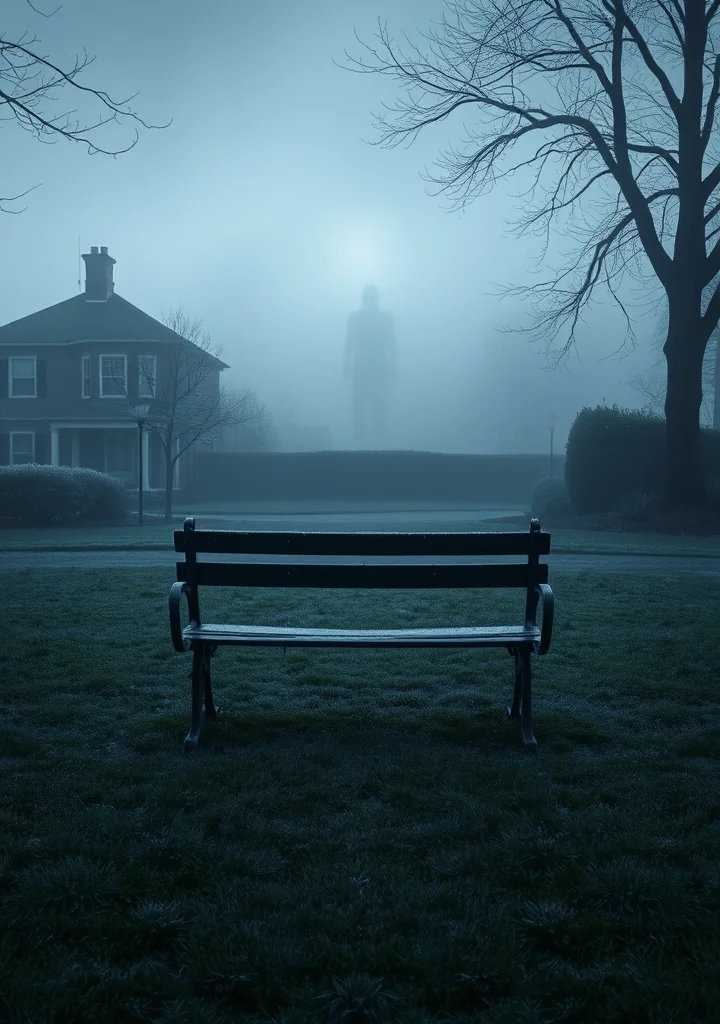
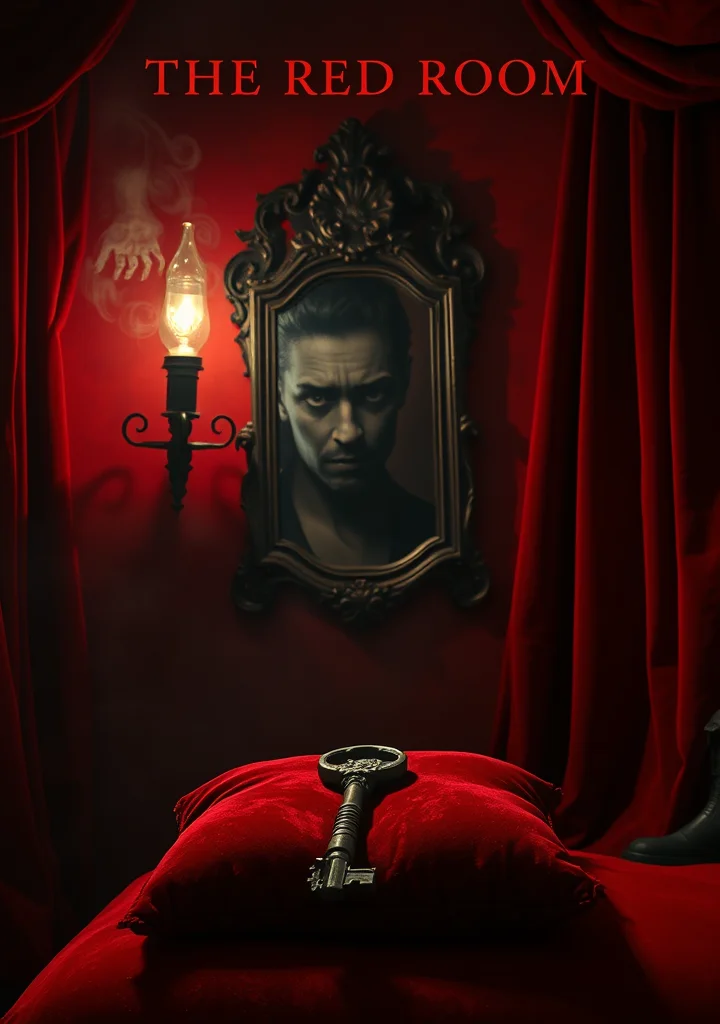
Dust motes dance in the perpetual twilight of a stifled attic, the air thick with the scent of decay and regret. Here, within the suffocating crimson of a rented chamber, a student unravels not just a haunting tale of spectral visitations, but the unraveling of his own sanity. The room breathes with a history of violence and despair, a palpable residue of past lives clinging to the velvet hangings and tarnished mirrors. Each flicker of the gas lamp casts elongated shadows that writhe with unseen presences, whispering accusations and half-remembered horrors. Sleep offers no escape, only a descent into feverish visions mirroring the room’s crimson stain – a fever that blurs the line between dream and waking nightmare. The narrative isn’t merely *about* a ghost; it *is* the ghost, seeping into the marrow of the protagonist’s being, leaving him hollowed, consumed by a creeping dread that festers within the claustrophobic confines of his own mind. The red room isn't a place to visit, but an infection to succumb to, a slow suffocation within the velvet embrace of madness. It is a descent into a scarlet abyss, where the boundaries of reality dissolve and the echoes of untold tragedies bleed into the present, leaving only the chilling certainty of a spirit’s vengeful gaze.

Copyright: Public Domain
This license allows anyone to use your story for any purpose, including printing, selling, or adapting it into a film freely.
Recommended for you
11 Part
Dust motes dance in the perpetual twilight of Umbria, clinging to the crumbling facades of villas haunted by regret. A stifling heat hangs over the sun-baked earth, mirroring the simmering tensions within the Anglo-Italian community of Monteriano. The air itself seems thick with unspoken desires and the scent of decaying jasmine. Here, amidst olive groves and ancient stone, a quiet, provincial life is shattered by the intrusion of a passionate, forbidden love—a love born from an impulsive act, and nurtured in the suffocating confines of a marriage built on propriety. The story unfolds not as a burst of scandal, but as a slow, creeping dread. The Italian landscape isn't merely a backdrop, but a suffocating presence, mirroring the characters’ internal struggles. A sense of claustrophobia permeates every encounter, every glance exchanged. The narrative is woven with the weight of inherited social codes, the stifling formality of Victorian manners colliding with the raw, untamed passions of the Italian countryside. It is a story of lives irrevocably altered by a single, reckless decision—a decision that unveils the hidden vulnerabilities beneath the veneer of respectability, and reveals how even the most carefully constructed worlds can crumble under the weight of unspoken truths and the shadows of a shared, desperate secret. The narrative lingers in the shadows, leaving you with a lingering sense of unease, as if the dust of Monteriano has settled on your own skin.
41 Part
A creeping dread clings to the shadowed corners of Blackwood Manor, where Miss Mole, a woman steeped in quiet desperation, arrives as governess. The air is thick with unspoken histories, the very stones breathing with the weight of generations past. She finds herself not merely employed, but *absorbed* into the decaying grandeur, a fragile moth drawn to a flickering, dangerous flame. The manor’s isolation isn’t merely geographical; it’s a severance from the living world, a slow suffocation within velvet curtains and dust-motes dancing in perpetual twilight. Her charge, a pale child haunted by whispers, mirrors the manor’s own decaying beauty, and Miss Mole’s attempts to nurture life feel less like kindness and more like a futile struggle against the encroaching rot. The scent of jasmine and decay intertwine, mirroring the insidious blossoming of a love born from loneliness, a connection forged in the oppressive silence. But beneath the surface of polite society and veiled affections lurks a chilling awareness – a sense of being watched, not by prying eyes, but by the very fabric of the house itself. Every shadow holds a secret, every smile a carefully constructed facade, and Miss Mole discovers that Blackwood Manor doesn’t just *contain* secrets; it *feeds* on them, drawing its sustenance from the fractured souls within its walls. The narrative unravels like a moth-eaten tapestry, revealing a tapestry of obsession, loss, and a haunting question: will Miss Mole escape Blackwood’s embrace, or become another ghostly echo within its shadowed halls?
19 Part
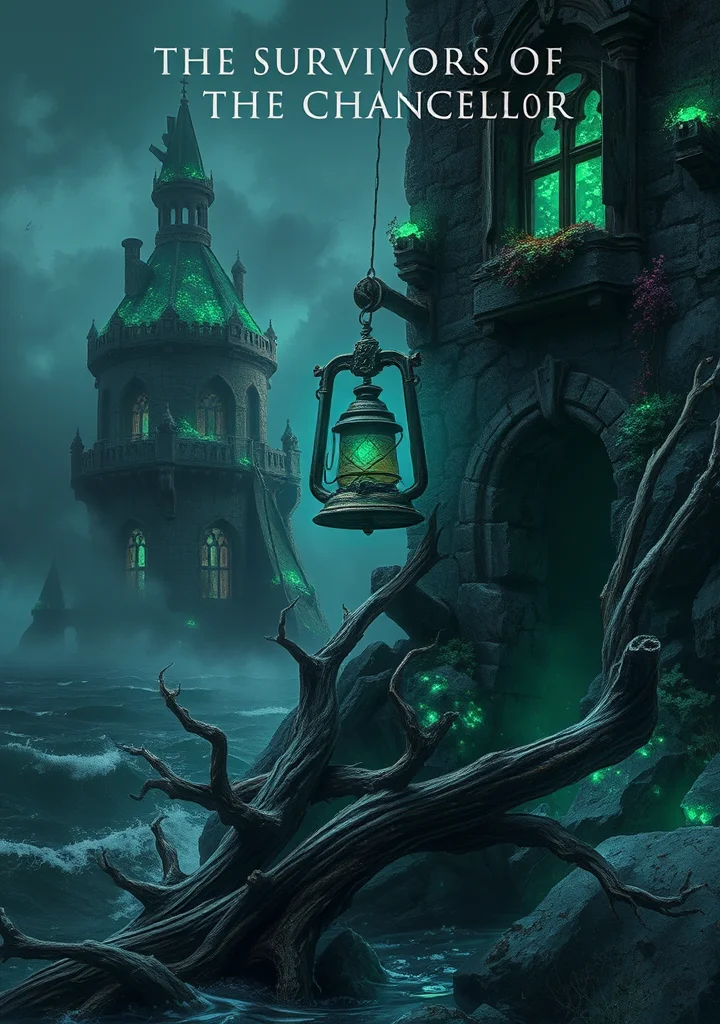
The salt-laced air hangs thick with dread, clinging to the rotting timbers of the *Morian*, a vessel haunted by more than just the spectral chill of the North Atlantic. A creeping contagion, born of shadowed ports and whispered bargains with sea-witchery, festers within its hold, twisting flesh and fracturing minds. The narrative unfolds not as a tale of heroic defiance, but as a slow, agonizing unraveling. Each deck becomes a labyrinth of fevered delirium and decaying grandeur, mirroring the fractured psyche of Captain Keveren, bound by duty to a cargo more terrifying than any kraken. Norton doesn’t offer swashbuckling adventure, but a claustrophobic descent into madness. The ship itself is a character—a leviathan of grief and rot, breathing out despair with every creak of its ancient frame. The crew aren’t warriors, but desperate souls clinging to the tattered remnants of their humanity as the plague consumes them, their struggles rendered in muted tones of gray and sickly green. Expect a pervasive sense of isolation, not from open ocean, but from the very bodies around you, each touch bringing closer the inevitable bloom of the sickness. The story is less about escaping the ship, and more about the horrifying realization that the plague is not merely a disease, but a haunting—a parasitic echo of something ancient and malevolent awakened by the sea. The darkness doesn’t arrive with a dramatic storm, but seeps through the planks, clinging to the skin, and ultimately, claiming the soul.