
-
Read 911
-
0
-
Part 84
Completed, First published Mar 02, 2026
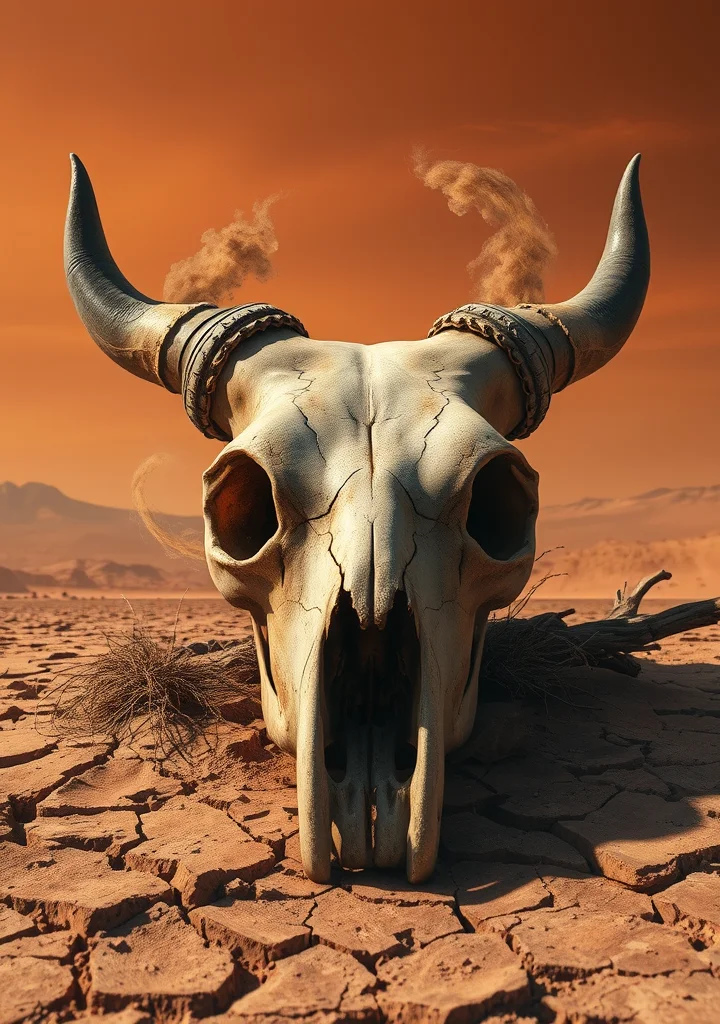
The dust of forgotten mining towns clings to these stories like a shroud. Reynolds doesn't deal in grand horrors, but in the slow rot of isolation, the chipped enamel of desperation under a sun-blasted sky. Each tale feels excavated from a dry well, echoing with the rattle of loose gravel and the whisper of men driven too far into the badlands. There's a particular ache here—not of monsters or hauntings, but of things *worn down*. The kind of decay that seeps into bone and settles in the throat.
These aren't tales of jump scares, but of a creeping unease. A prospector's cabin glimpsed through rain-streaked glass, a chipped mug abandoned on a windowsill, a silence so complete it feels like a weight on your chest. The landscapes themselves are characters—arid, skeletal, and indifferent. They’ve swallowed men whole and returned only echoes of their ambition.
The prose is lean, like the land, but it carries a current of something colder than the desert nights. Each story feels less like a finished piece and more like a fragment pulled from a larger, unseen ruin—a glimpse into a world where the only salvation is to disappear into the stone and sand. Don’t expect answers, only the residue of lives fractured by the heat, the greed, and the hollow ache of the void.
Copyright: Public Domain
This license allows anyone to use your story for any purpose, including printing, selling, or adapting it into a film freely.
This license allows anyone to use your story for any purpose, including printing, selling, or adapting it into a film freely.
Chapter List
-
« Short Fiction »📖 Continue Reading
-
« Tourists to Terra »
-
« Not in the Rules »
-
« The Martians and the Coys »
-
« Mercy Flight »
-
« Halftripper »
-
« The Cosmic Bluff »
-
« Dogfight—1973 »
-
« Potential Enemy »
-
« Off Course »
-
« The Galactic Ghost »
-
« Chapter_13 »
-
« After Some Tomorrow »
-
« Unborn Tomorrow »
-
« Chapter_16 »
-
« Summit »
-
« Revolution »
-
« Adaptation »
-
« Foreword »
-
« I »
-
« II »
-
« III »
-
« IV »
-
« V »
-
« VI »
-
« VII »
-
« VIII »
-
« IX »
-
« X »
-
« XI »
-
« XII »
-
« Combat »
-
« Medal of Honor »
-
« I’m a Stranger Here Myself »
-
« Gun for Hire »
-
« Freedom »
-
« Ultima Thule »
-
« Farmer »
-
« I »
-
« II »
-
« III »
-
« IV »
-
« V »
-
« Status Quo »
-
« Mercenary »
-
« I »
-
« II »
-
« III »
-
« IV »
-
« V »
-
« VI »
-
« VII »
-
« VIII »
-
« IX »
-
« X »
-
« XI »
-
« Subversive »
-
« The Common Man »
-
« Frigid Fracas »
-
« I »
-
« II »
-
« III »
-
« IV »
-
« V »
-
« VI »
-
« VII »
-
« VIII »
-
« IX »
-
« X »
-
« XI »
-
« XII »
-
« XIII »
-
« XIV »
-
« XV »
-
« XVI »
-
« XVII »
-
« XVIII »
-
« XIX »
-
« XX »
-
« XXI »
-
« XXII »
-
« Spaceman on a Spree »
-
« I »
-
« II »
84
-
« Short Fiction »
-
« Tourists to Terra »
-
« Not in the Rules »
-
« The Martians and the Coys »
-
« Mercy Flight »
-
« Halftripper »
-
« The Cosmic Bluff »
-
« Dogfight—1973 »
-
« Potential Enemy »
-
« Off Course »
-
« The Galactic Ghost »
-
« Chapter_13 »
-
« After Some Tomorrow »
-
« Unborn Tomorrow »
-
« Chapter_16 »
-
« Summit »
-
« Revolution »
-
« Adaptation »
-
« Foreword »
-
« I »
-
« II »
-
« III »
-
« IV »
-
« V »
-
« VI »
-
« VII »
-
« VIII »
-
« IX »
-
« X »
-
« XI »
-
« XII »
-
« Combat »
-
« Medal of Honor »
-
« I’m a Stranger Here Myself »
-
« Gun for Hire »
-
« Freedom »
-
« Ultima Thule »
-
« Farmer »
-
« I »
-
« II »
-
« III »
-
« IV »
-
« V »
-
« Status Quo »
-
« Mercenary »
-
« I »
-
« II »
-
« III »
-
« IV »
-
« V »
-
« VI »
-
« VII »
-
« VIII »
-
« IX »
-
« X »
-
« XI »
-
« Subversive »
-
« The Common Man »
-
« Frigid Fracas »
-
« I »
-
« II »
-
« III »
-
« IV »
-
« V »
-
« VI »
-
« VII »
-
« VIII »
-
« IX »
-
« X »
-
« XI »
-
« XII »
-
« XIII »
-
« XIV »
-
« XV »
-
« XVI »
-
« XVII »
-
« XVIII »
-
« XIX »
-
« XX »
-
« XXI »
-
« XXII »
-
« Spaceman on a Spree »
-
« I »
-
« II »
More like this