
-
Read 2.2K
-
0
-
Part 294
Completed, First published Mar 02, 2026
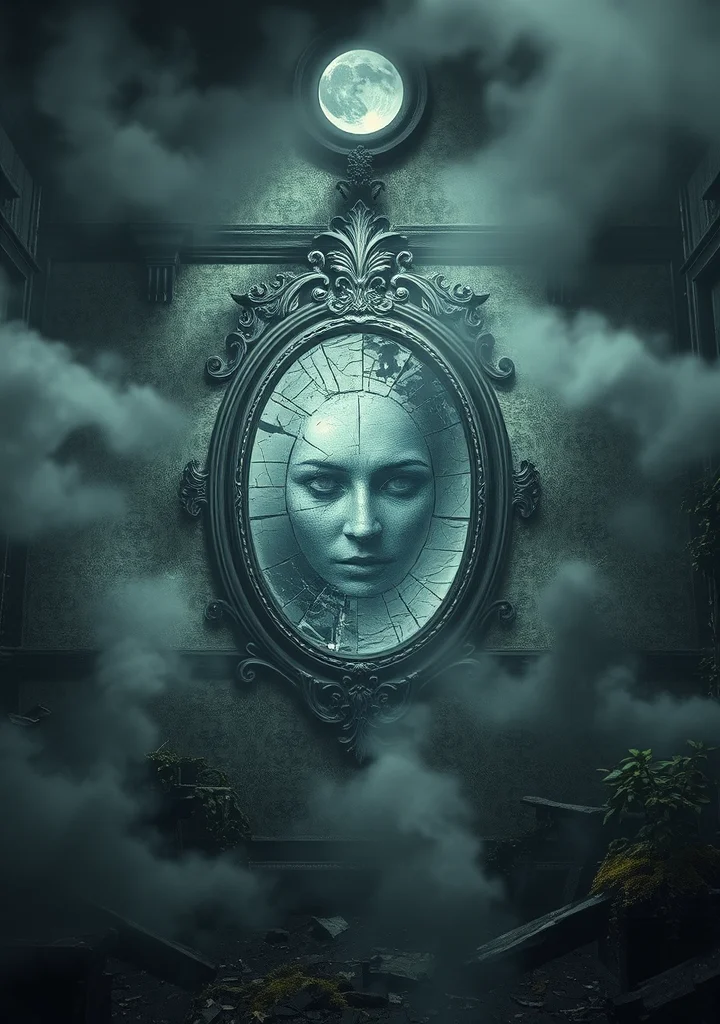
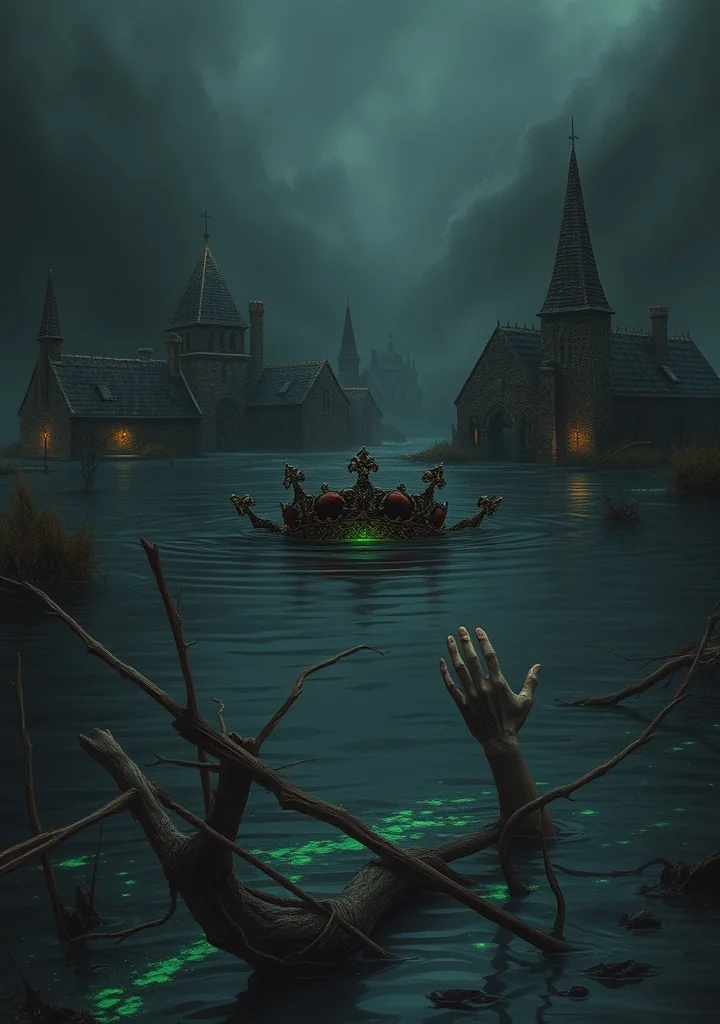
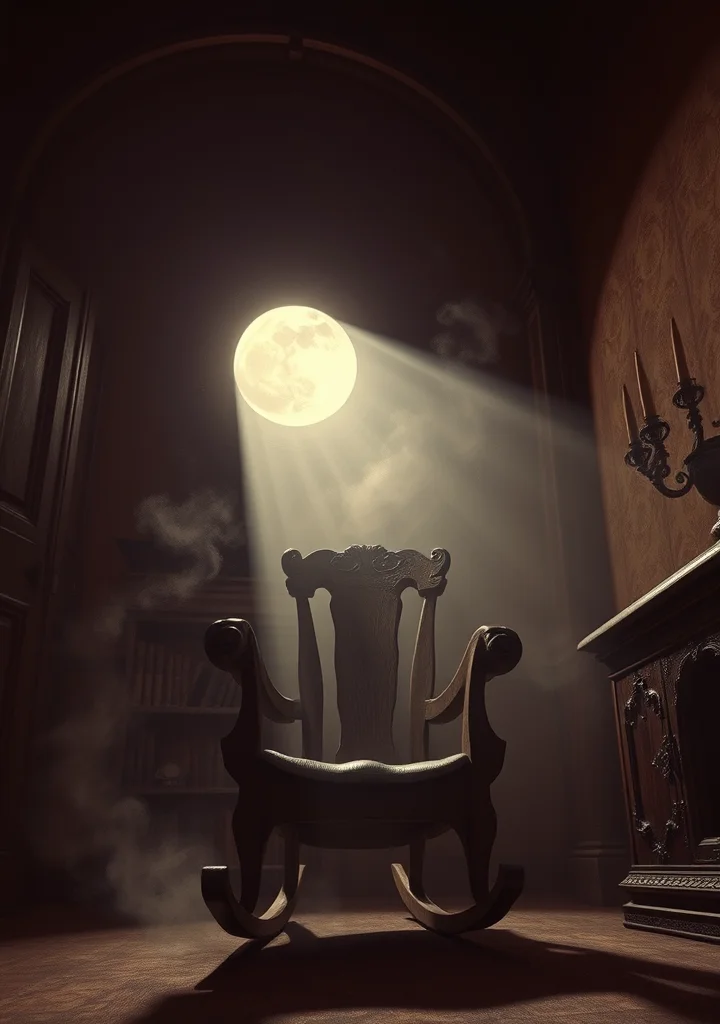
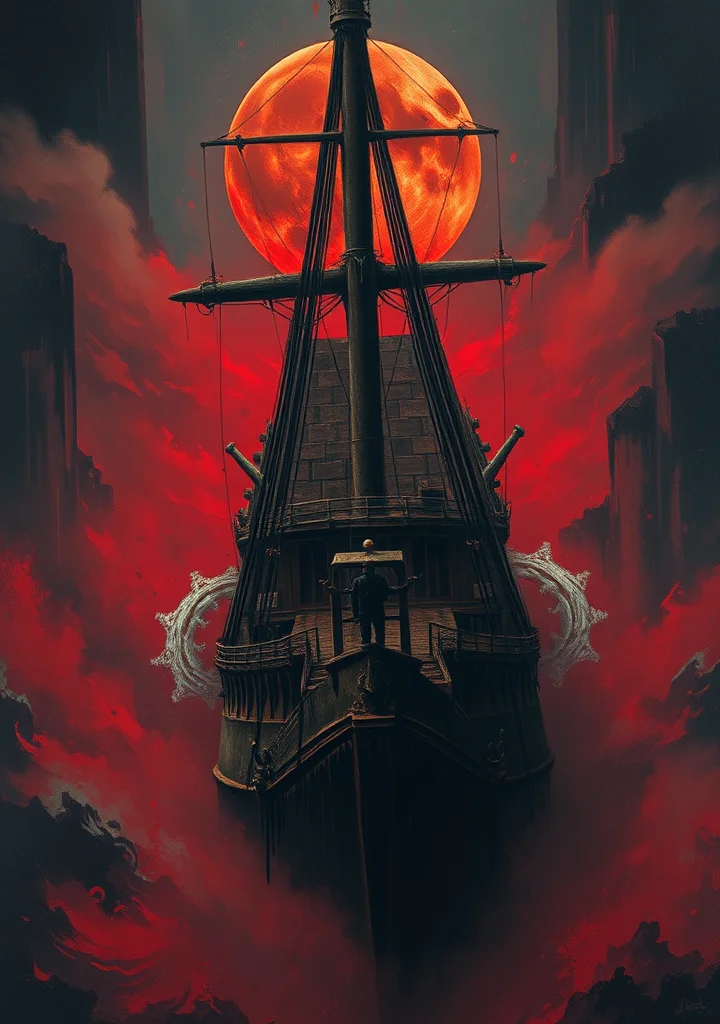
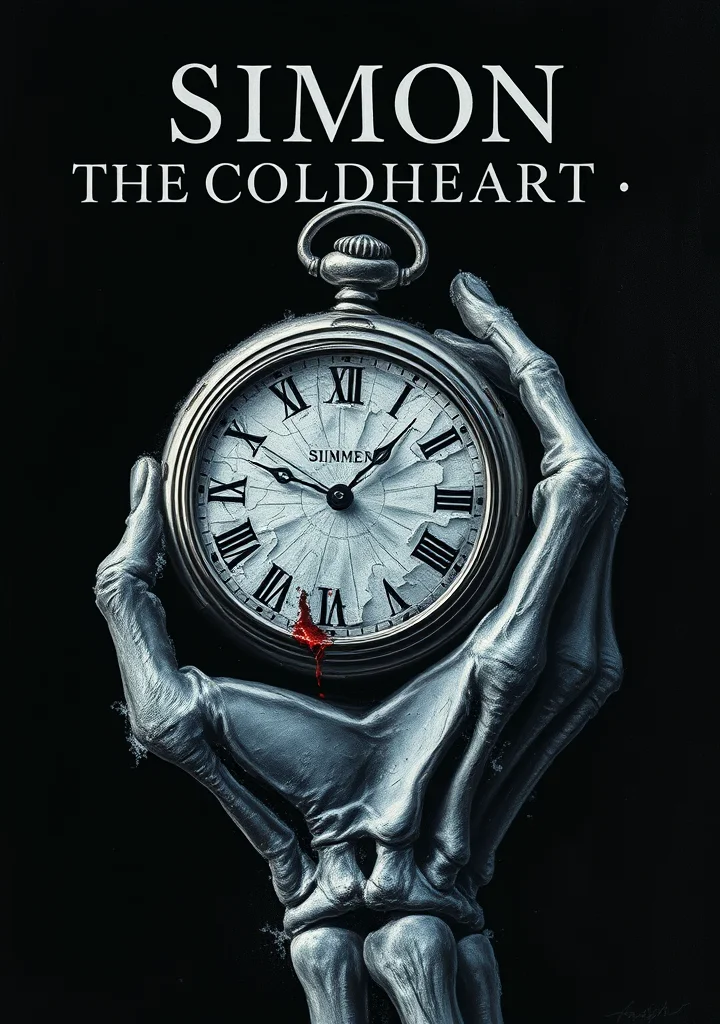
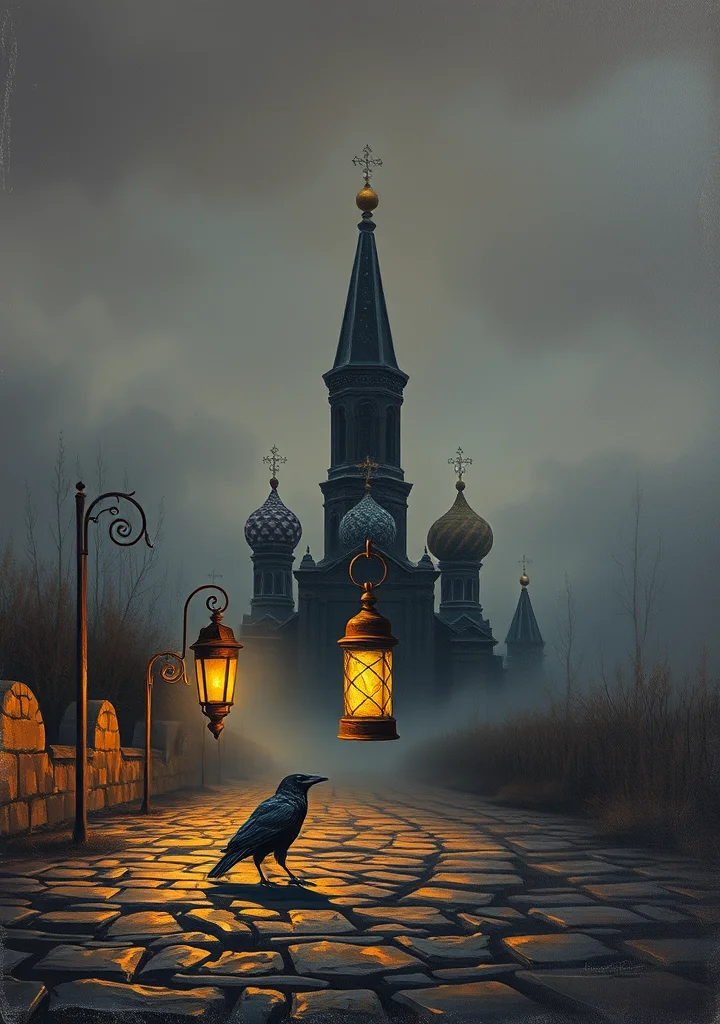
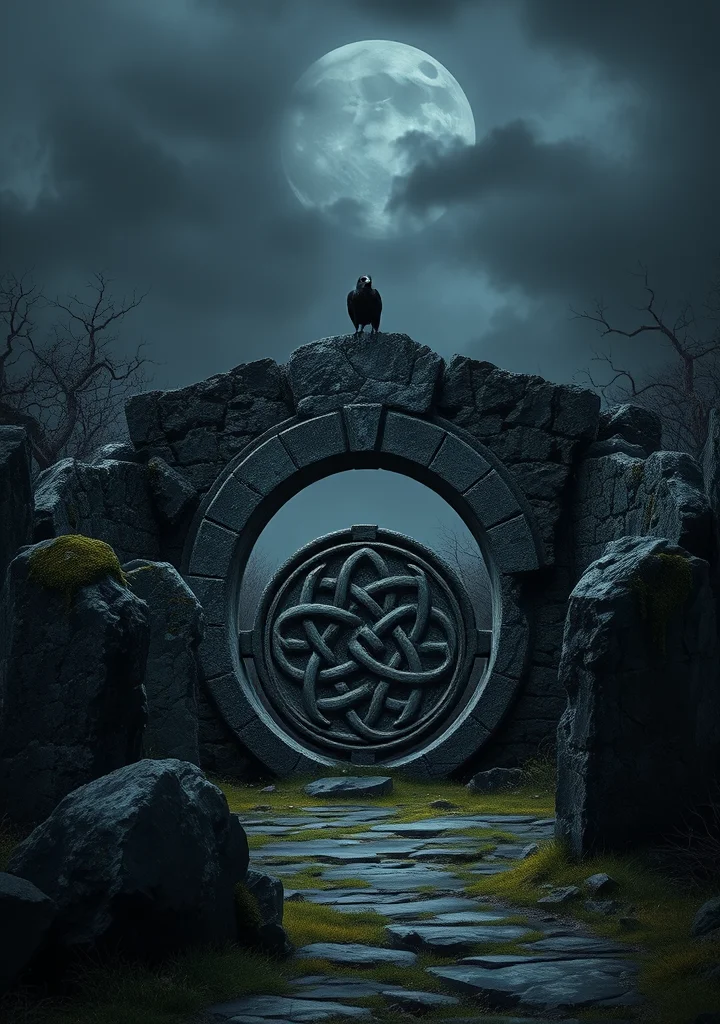
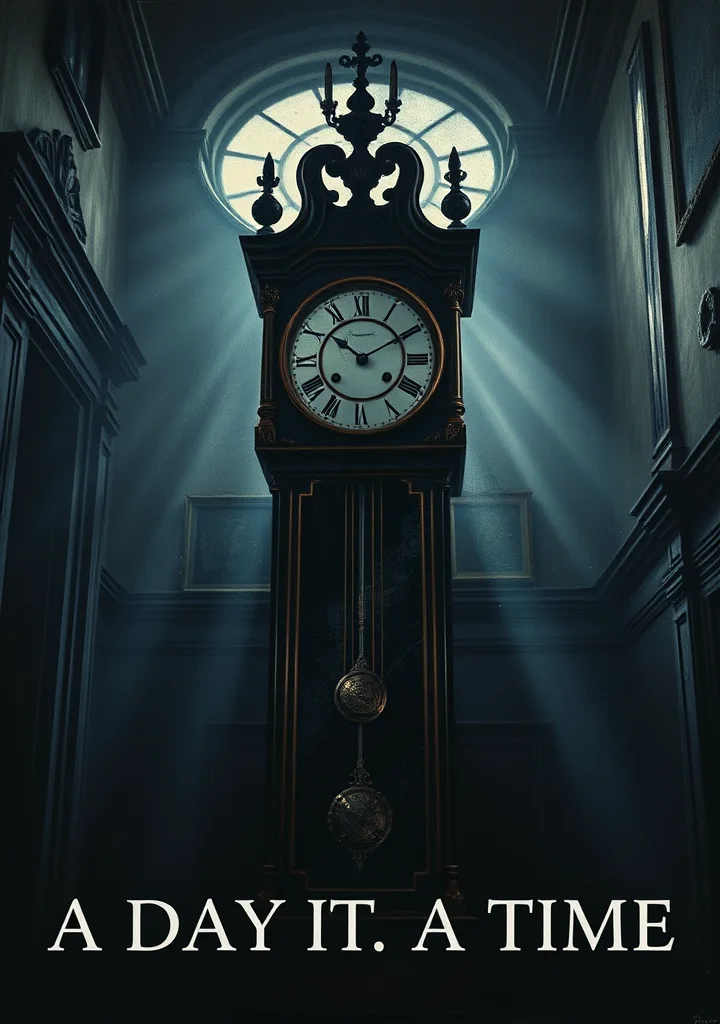
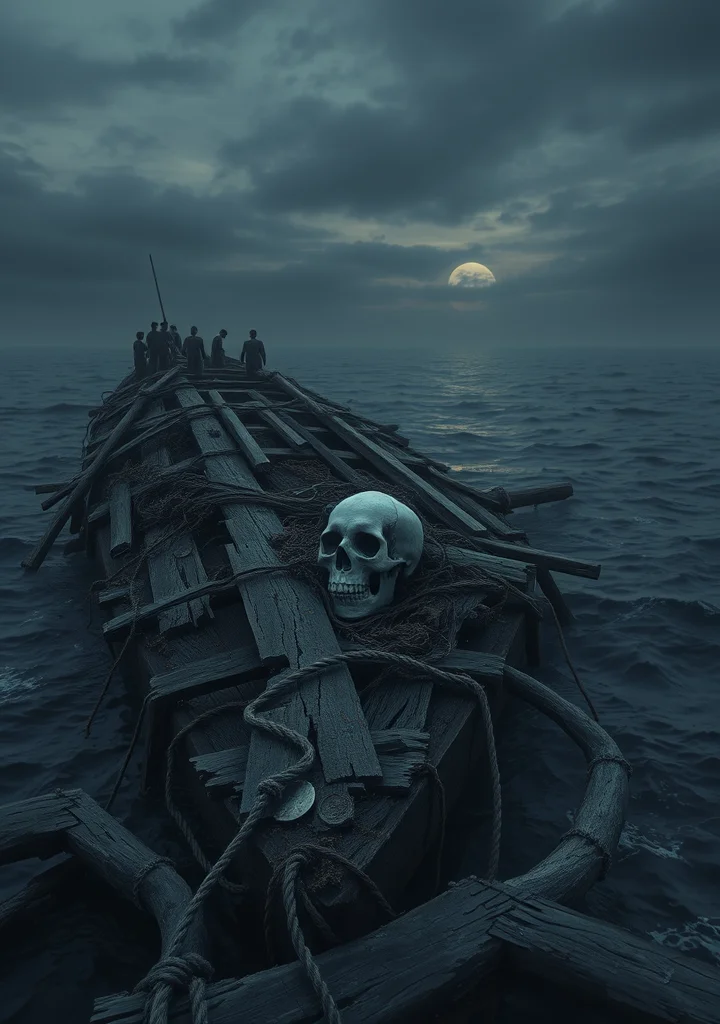
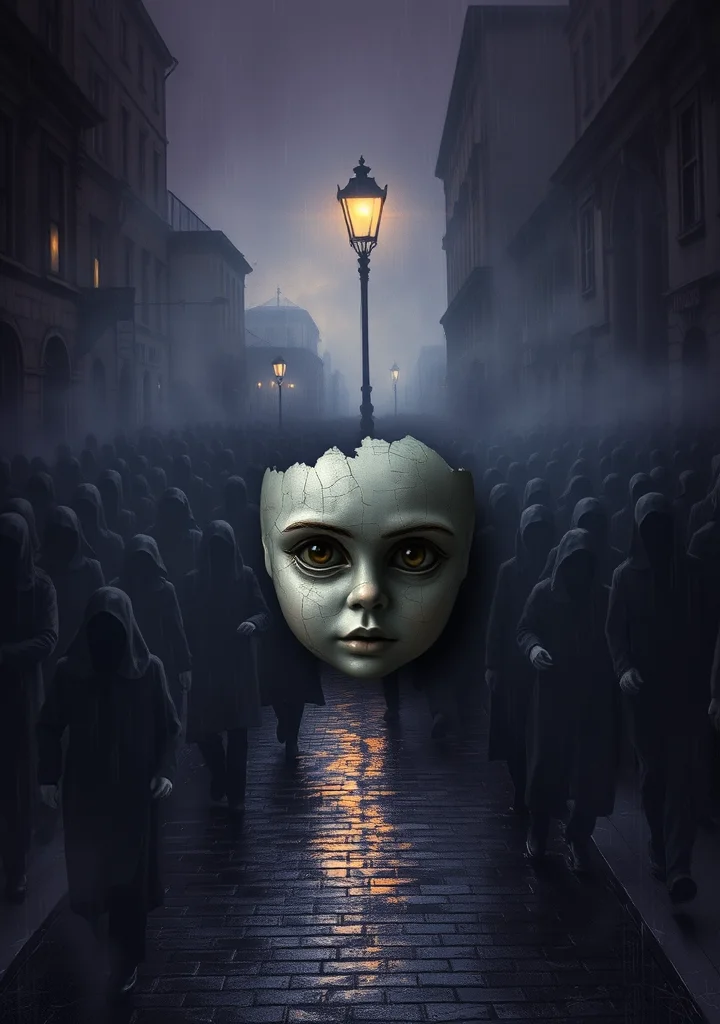
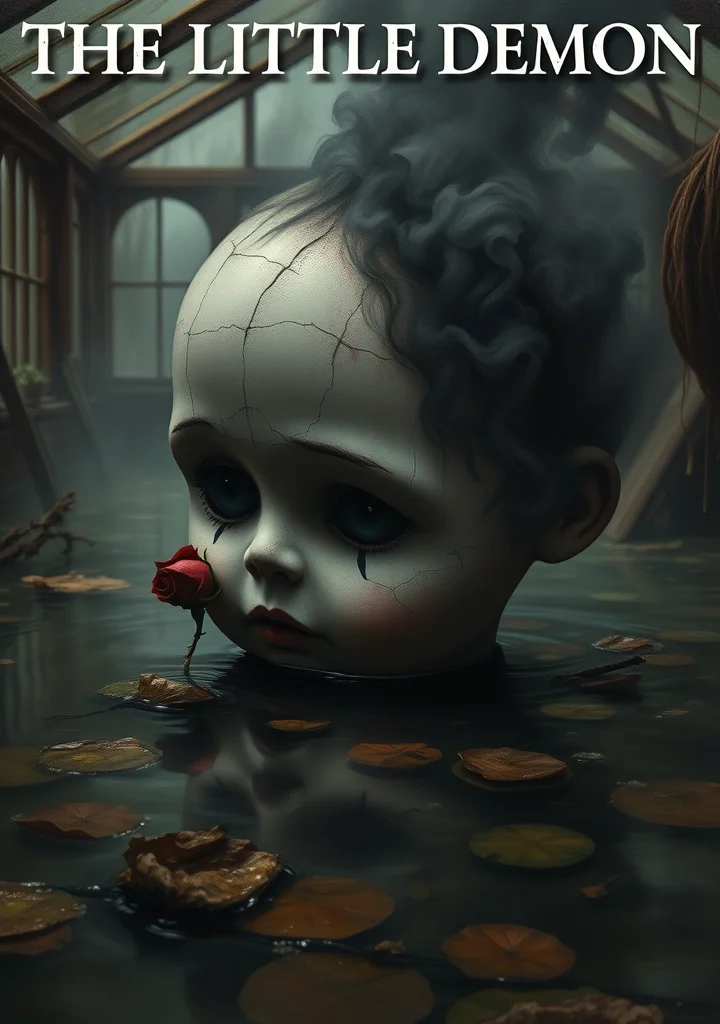
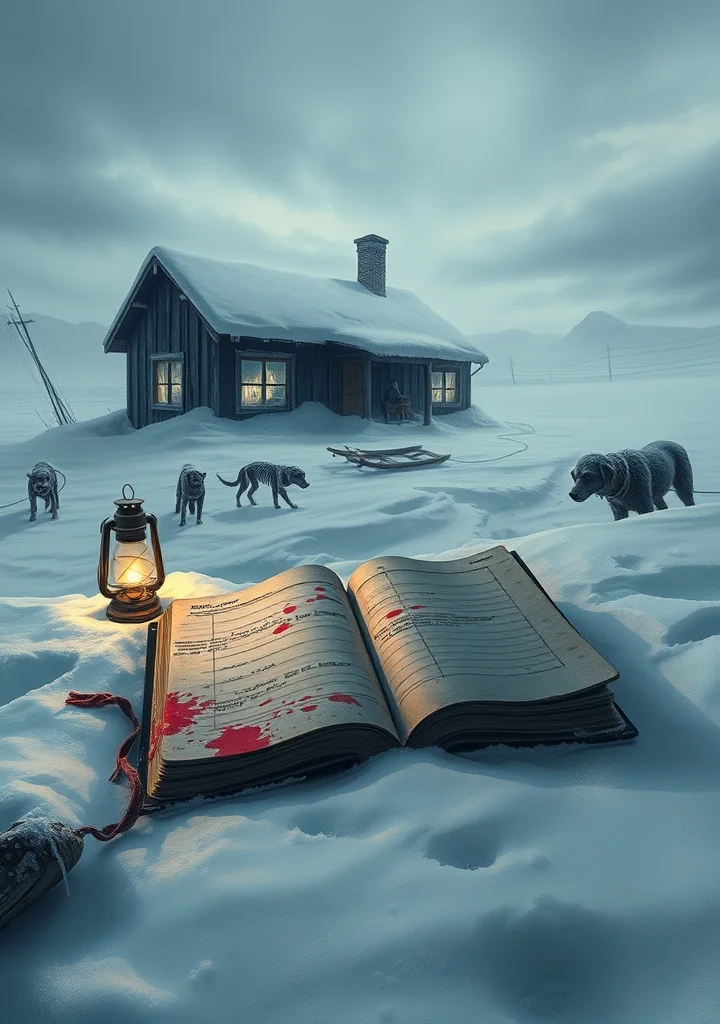
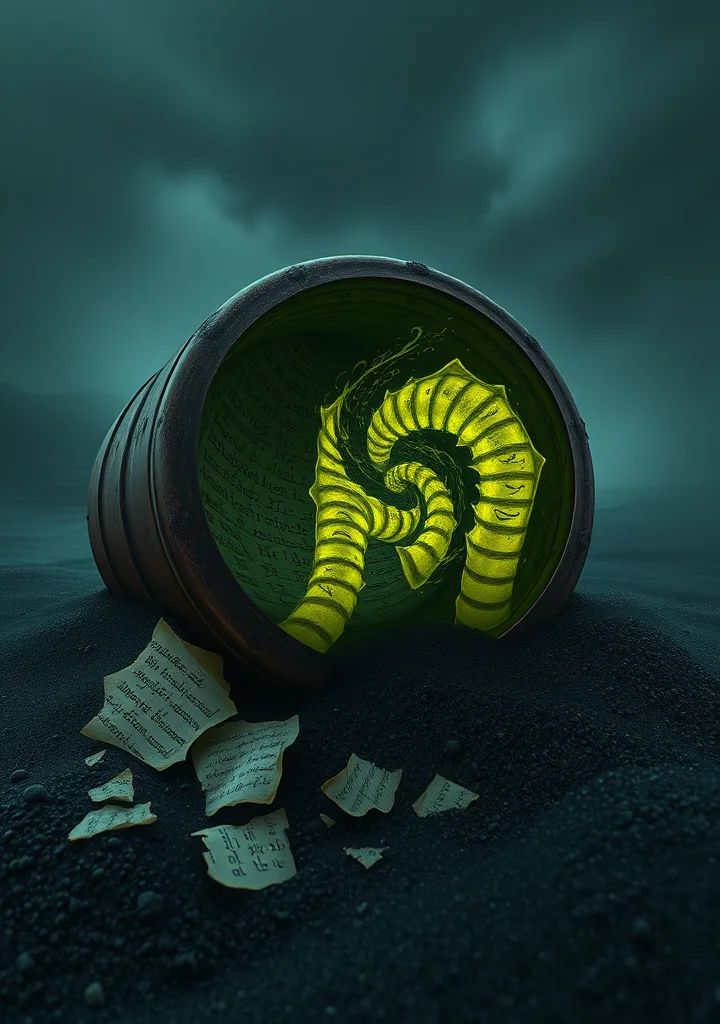
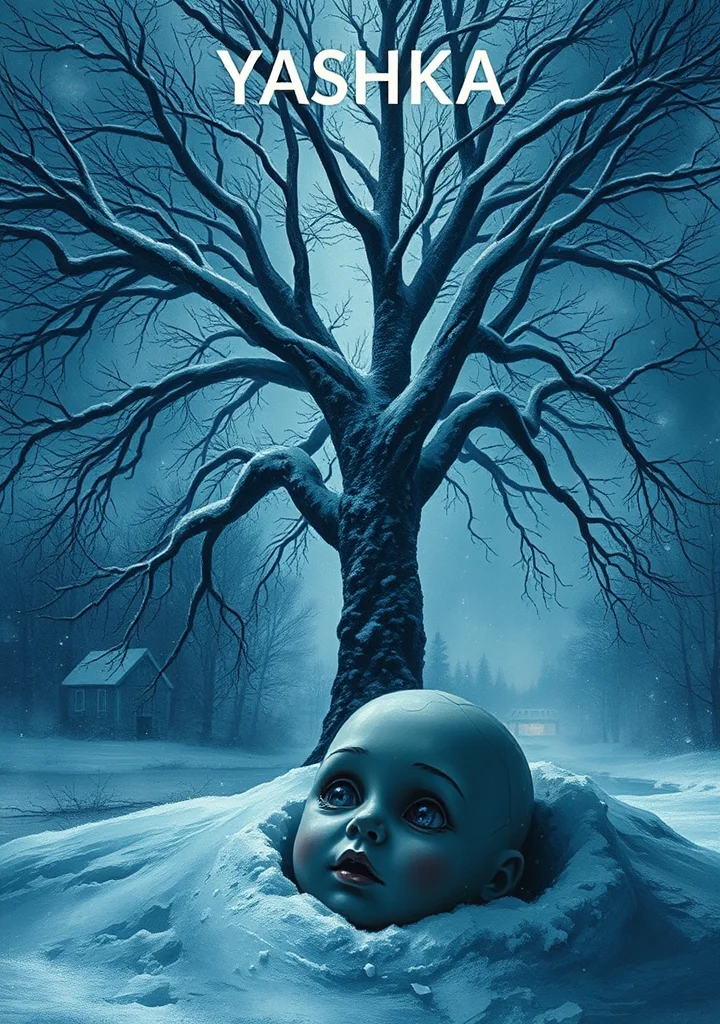
The air hangs thick with the scent of brine and decay, even in rooms miles from the sea. These stories, dredged from the churning depths of Andreyev’s mind, aren’t tales of horror in the conventional sense, but of a creeping, insidious unraveling. Each vignette feels less like a narrative and more like a glimpse through a fractured pane of glass into a world where the polite veneer of civilization has peeled back to reveal something monstrous beneath.
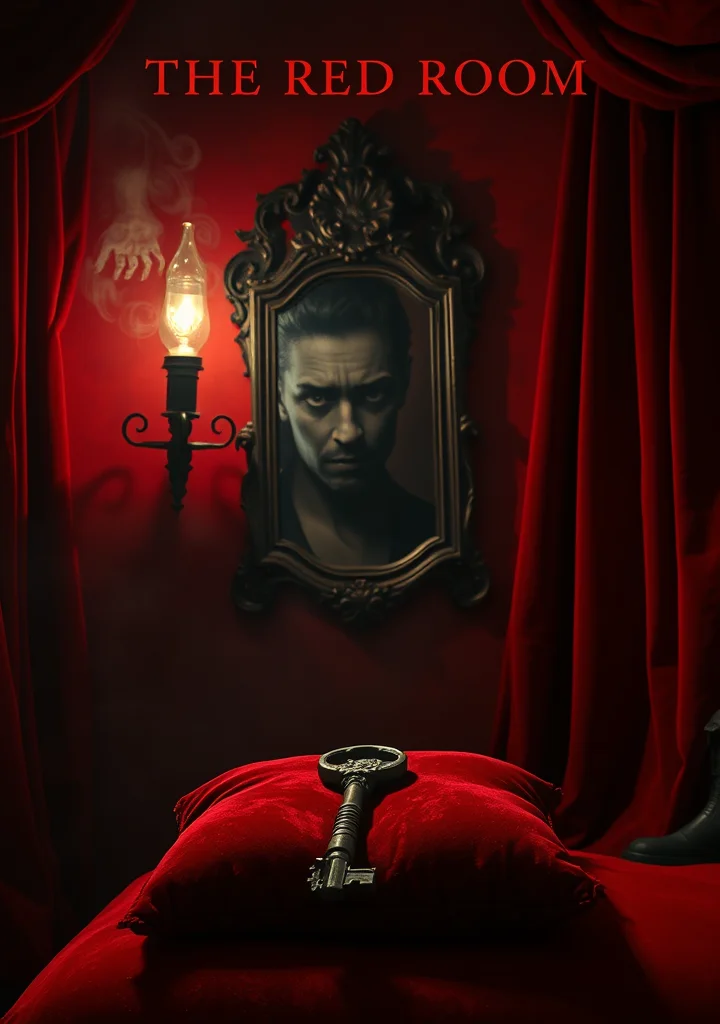
A suffocating claustrophobia permeates every line, whether charting the descent of a man into madness within his own opulent home or the fever-dream logic of a city consumed by plague. There are no heroes here, only those who succumb to their desires, their obsessions, or the quiet, inevitable rot that claims all things.
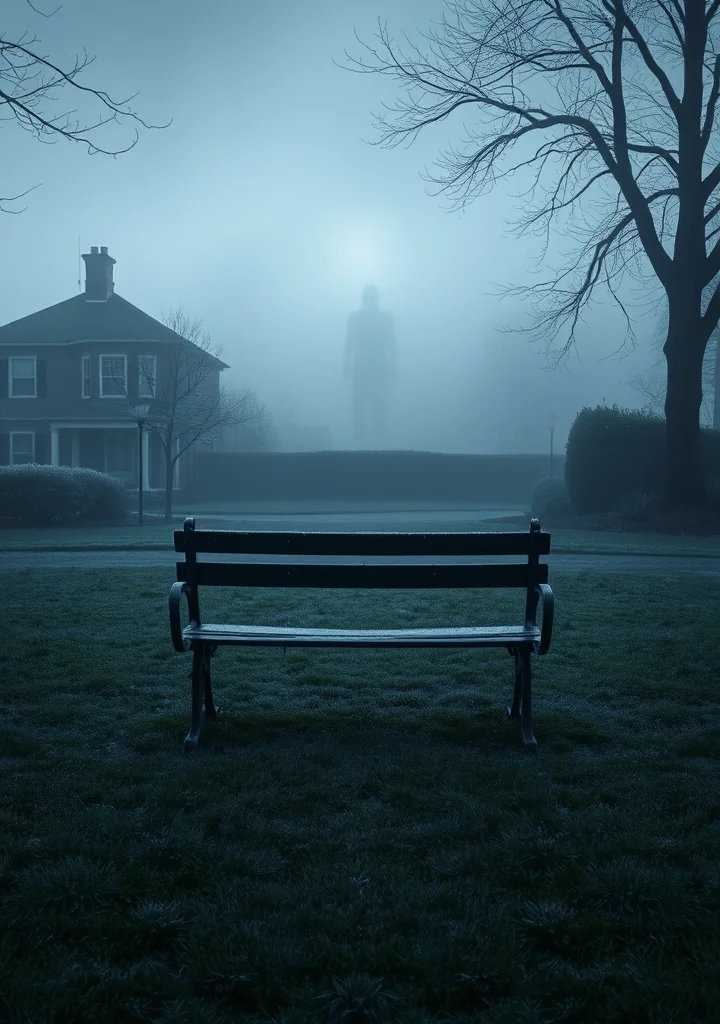
The prose itself is a feverish pulse, mimicking the erratic heartbeat of a dying beast. Shadows stretch and writhe with a life of their own, and the boundaries between dream and waking blur until one can no longer distinguish between reality and the festering wounds of the psyche. A pervasive sense of helplessness clings to the reader long after the final page is turned—a residue of dread, like the lingering taste of ash on the tongue. These are not stories to be *read*, but to be *endured*. They whisper of the darkness that lurks within us all, and the exquisite, terrible beauty of its dominion.
Copyright: Public Domain
This license allows anyone to use your story for any purpose, including printing, selling, or adapting it into a film freely.
This license allows anyone to use your story for any purpose, including printing, selling, or adapting it into a film freely.
Chapter List
-
« Short Fiction »📖 Continue Reading
-
« Foreword »
-
« Bargamot and Garaska »
-
« The Little Angel »
-
« I »
-
« II »
-
« III »
-
« Petka at the Bungalow »
-
« The Friend »
-
« A Grand Slam »
-
« Love, Faith and Hope »
-
« Silence »
-
« I »
-
« II »
-
« III »
-
« IV »
-
« “Men May Rise on Stepping-Stones of Their Dead Selves to Higher Things” »
-
« The Lie »
-
« I »
-
« II »
-
« III »
-
« IV »
-
« V »
-
« VI »
-
« The Wall »
-
« I »
-
« II »
-
« III »
-
« IV »
-
« V »
-
« VI »
-
« Snapper »
-
« I »
-
« II »
-
« III »
-
« IV »
-
« Laughter »
-
« I »
-
« II »
-
« III »
-
« IV »
-
« In the Basement »
-
« I »
-
« II »
-
« The Tocsin »
-
« I »
-
« II »
-
« III »
-
« A Present »
-
« I »
-
« II »
-
« III »
-
« IV »
-
« A Dilemma »
-
« I »
-
« II »
-
« III »
-
« IV »
-
« V »
-
« VI »
-
« VII »
-
« VIII »
-
« An Original »
-
« On the Day of the Crucifixion »
-
« At the Roadside Station »
-
« Life of Father Vassily »
-
« I »
-
« II »
-
« III »
-
« IV »
-
« V »
-
« VI »
-
« VII »
-
« VIII »
-
« IX »
-
« X »
-
« XI »
-
« XII »
-
« The Red Laugh »
-
« FragmentI »
-
« FragmentII »
-
« FragmentIII »
-
« FragmentIV »
-
« FragmentV »
-
« FragmentVI »
-
« FragmentVII »
-
« FragmentVIII »
-
« FragmentIX »
-
« FragmentX »
-
« FragmentXI »
-
« FragmentXII »
-
« FragmentXIII »
-
« FragmentXIV »
-
« FragmentXV »
-
« FragmentXVI »
-
« FragmentXVII »
-
« FragmentXVIII »
-
« Fragment the Last »
-
« The Spy »
-
« The Marseillaise »
-
« The City »
-
« When the King Loses His Head »
-
« I »
-
« II »
-
« III »
-
« IV »
-
« V »
-
« VI »
-
« VII »
-
« VIII »
-
« His Excellency the Governor »
-
« I »
-
« II »
-
« III »
-
« IV »
-
« V »
-
« VI »
-
« VII »
-
« VIII »
-
« Lazarus »
-
« I »
-
« II »
-
« III »
-
« IV »
-
« V »
-
« VI »
-
« Judas Iscariot »
-
« I »
-
« II »
-
« III »
-
« IV »
-
« V »
-
« VI »
-
« VII »
-
« VIII »
-
« IX »
-
« A Story Which Will Never Be Finished »
-
« The Dark »
-
« I »
-
« II »
-
« III »
-
« VI »
-
« VII »
-
« The Seven Who Were Hanged »
-
« I »
-
« II »
-
« III »
-
« IV »
-
« V »
-
« VI »
-
« VII »
-
« VIII »
-
« IX »
-
« X »
-
« XI »
-
« XII »
-
« The Giant »
-
« “The Man Who Found the Truth” »
-
« I »
-
« II »
-
« III »
-
« IV »
-
« V »
-
« VI »
-
« VII »
-
« VIII »
-
« IX »
-
« X »
-
« XI »
-
« The Story of the Snake »
-
« Dies Irae »
-
« Chant the First »
-
« I »
-
« II »
-
« III »
-
« IV »
-
« V »
-
« VI »
-
« VII »
-
« IX »
-
« X »
-
« XI »
-
« XIII »
-
« Chant the Second »
-
« I »
-
« II »
-
« III »
-
« IV »
-
« VI »
-
« VII »
-
« VIII »
-
« IX »
-
« X »
-
« XI »
-
« XII »
-
« XIII »
-
« XIV »
-
« XV »
-
« XVI »
-
« XVII »
-
« XVIII »
-
« XIX »
-
« XX »
-
« XXI »
-
« XXII »
-
« XXIII »
-
« XXIV »
-
« XXV »
-
« XXVI »
-
« XXVII »
-
« The Ocean »
-
« I »
-
« II »
-
« III »
-
« IV »
-
« V »
-
« VI »
-
« VII »
-
« The Crushed Flower »
-
« I »
-
« II »
-
« III »
-
« The Confessions of a Little Man During Great Days »
-
« Chapter_233 »
-
« Chapter_234 »
-
« Chapter_235 »
-
« Chapter_236 »
-
« Chapter_237 »
-
« Chapter_238 »
-
« Chapter_239 »
-
« Chapter_240 »
-
« Chapter_241 »
-
« Chapter_242 »
-
« Chapter_243 »
-
« Chapter_244 »
-
« Chapter_245 »
-
« Chapter_246 »
-
« Chapter_247 »
-
« Chapter_248 »
-
« Chapter_249 »
-
« Chapter_250 »
-
« Chapter_251 »
-
« Chapter_253 »
-
« Chapter_254 »
-
« Chapter_255 »
-
« Chapter_256 »
-
« Chapter_257 »
-
« Chapter_258 »
-
« Chapter_259 »
-
« Chapter_260 »
-
« Chapter_261 »
-
« Chapter_262 »
-
« Chapter_263 »
-
« Chapter_264 »
-
« Chapter_265 »
-
« Chapter_266 »
-
« Chapter_267 »
-
« Chapter_268 »
-
« Chapter_269 »
-
« Chapter_270 »
-
« Chapter_271 »
-
« Chapter_272 »
-
« Chapter_273 »
-
« Chapter_274 »
-
« Chapter_275 »
-
« Chapter_276 »
-
« Chapter_277 »
-
« Chapter_279 »
-
« Chapter_280 »
-
« Chapter_281 »
-
« Chapter_282 »
-
« Chapter_283 »
-
« Chapter_284 »
-
« Chapter_285 »
-
« Chapter_286 »
-
« Chapter_287 »
-
« Chapter_288 »
-
« Chapter_289 »
-
« Chapter_290 »
-
« Chapter_291 »
-
« Chapter_292 »
-
« Chapter_293 »
-
« Chapter_294 »
-
« Chapter_295 »
-
« Chapter_296 »
-
« Chapter_297 »
-
« Chapter_298 »
-
« Chapter_299 »
-
« Chapter_300 »
-
« Chapter_301 »
-
« Chapter_302 »
-
« Chapter_303 »
-
« Chapter_304 »
-
« Chapter_305 »
294
-
« Short Fiction »
-
« Foreword »
-
« Bargamot and Garaska »
-
« The Little Angel »
-
« I »
-
« II »
-
« III »
-
« Petka at the Bungalow »
-
« The Friend »
-
« A Grand Slam »
-
« Love, Faith and Hope »
-
« Silence »
-
« I »
-
« II »
-
« III »
-
« IV »
-
« “Men May Rise on Stepping-Stones of Their Dead Selves to Higher Things” »
-
« The Lie »
-
« I »
-
« II »
-
« III »
-
« IV »
-
« V »
-
« VI »
-
« The Wall »
-
« I »
-
« II »
-
« III »
-
« IV »
-
« V »
-
« VI »
-
« Snapper »
-
« I »
-
« II »
-
« III »
-
« IV »
-
« Laughter »
-
« I »
-
« II »
-
« III »
-
« IV »
-
« In the Basement »
-
« I »
-
« II »
-
« The Tocsin »
-
« I »
-
« II »
-
« III »
-
« A Present »
-
« I »
-
« II »
-
« III »
-
« IV »
-
« A Dilemma »
-
« I »
-
« II »
-
« III »
-
« IV »
-
« V »
-
« VI »
-
« VII »
-
« VIII »
-
« An Original »
-
« On the Day of the Crucifixion »
-
« At the Roadside Station »
-
« Life of Father Vassily »
-
« I »
-
« II »
-
« III »
-
« IV »
-
« V »
-
« VI »
-
« VII »
-
« VIII »
-
« IX »
-
« X »
-
« XI »
-
« XII »
-
« The Red Laugh »
-
« FragmentI »
-
« FragmentII »
-
« FragmentIII »
-
« FragmentIV »
-
« FragmentV »
-
« FragmentVI »
-
« FragmentVII »
-
« FragmentVIII »
-
« FragmentIX »
-
« FragmentX »
-
« FragmentXI »
-
« FragmentXII »
-
« FragmentXIII »
-
« FragmentXIV »
-
« FragmentXV »
-
« FragmentXVI »
-
« FragmentXVII »
-
« FragmentXVIII »
-
« Fragment the Last »
-
« The Spy »
-
« The Marseillaise »
-
« The City »
-
« When the King Loses His Head »
-
« I »
-
« II »
-
« III »
-
« IV »
-
« V »
-
« VI »
-
« VII »
-
« VIII »
-
« His Excellency the Governor »
-
« I »
-
« II »
-
« III »
-
« IV »
-
« V »
-
« VI »
-
« VII »
-
« VIII »
-
« Lazarus »
-
« I »
-
« II »
-
« III »
-
« IV »
-
« V »
-
« VI »
-
« Judas Iscariot »
-
« I »
-
« II »
-
« III »
-
« IV »
-
« V »
-
« VI »
-
« VII »
-
« VIII »
-
« IX »
-
« A Story Which Will Never Be Finished »
-
« The Dark »
-
« I »
-
« II »
-
« III »
-
« VI »
-
« VII »
-
« The Seven Who Were Hanged »
-
« I »
-
« II »
-
« III »
-
« IV »
-
« V »
-
« VI »
-
« VII »
-
« VIII »
-
« IX »
-
« X »
-
« XI »
-
« XII »
-
« The Giant »
-
« “The Man Who Found the Truth” »
-
« I »
-
« II »
-
« III »
-
« IV »
-
« V »
-
« VI »
-
« VII »
-
« VIII »
-
« IX »
-
« X »
-
« XI »
-
« The Story of the Snake »
-
« Dies Irae »
-
« Chant the First »
-
« I »
-
« II »
-
« III »
-
« IV »
-
« V »
-
« VI »
-
« VII »
-
« IX »
-
« X »
-
« XI »
-
« XIII »
-
« Chant the Second »
-
« I »
-
« II »
-
« III »
-
« IV »
-
« VI »
-
« VII »
-
« VIII »
-
« IX »
-
« X »
-
« XI »
-
« XII »
-
« XIII »
-
« XIV »
-
« XV »
-
« XVI »
-
« XVII »
-
« XVIII »
-
« XIX »
-
« XX »
-
« XXI »
-
« XXII »
-
« XXIII »
-
« XXIV »
-
« XXV »
-
« XXVI »
-
« XXVII »
-
« The Ocean »
-
« I »
-
« II »
-
« III »
-
« IV »
-
« V »
-
« VI »
-
« VII »
-
« The Crushed Flower »
-
« I »
-
« II »
-
« III »
-
« The Confessions of a Little Man During Great Days »
-
« Chapter_233 »
-
« Chapter_234 »
-
« Chapter_235 »
-
« Chapter_236 »
-
« Chapter_237 »
-
« Chapter_238 »
-
« Chapter_239 »
-
« Chapter_240 »
-
« Chapter_241 »
-
« Chapter_242 »
-
« Chapter_243 »
-
« Chapter_244 »
-
« Chapter_245 »
-
« Chapter_246 »
-
« Chapter_247 »
-
« Chapter_248 »
-
« Chapter_249 »
-
« Chapter_250 »
-
« Chapter_251 »
-
« Chapter_253 »
-
« Chapter_254 »
-
« Chapter_255 »
-
« Chapter_256 »
-
« Chapter_257 »
-
« Chapter_258 »
-
« Chapter_259 »
-
« Chapter_260 »
-
« Chapter_261 »
-
« Chapter_262 »
-
« Chapter_263 »
-
« Chapter_264 »
-
« Chapter_265 »
-
« Chapter_266 »
-
« Chapter_267 »
-
« Chapter_268 »
-
« Chapter_269 »
-
« Chapter_270 »
-
« Chapter_271 »
-
« Chapter_272 »
-
« Chapter_273 »
-
« Chapter_274 »
-
« Chapter_275 »
-
« Chapter_276 »
-
« Chapter_277 »
-
« Chapter_279 »
-
« Chapter_280 »
-
« Chapter_281 »
-
« Chapter_282 »
-
« Chapter_283 »
-
« Chapter_284 »
-
« Chapter_285 »
-
« Chapter_286 »
-
« Chapter_287 »
-
« Chapter_288 »
-
« Chapter_289 »
-
« Chapter_290 »
-
« Chapter_291 »
-
« Chapter_292 »
-
« Chapter_293 »
-
« Chapter_294 »
-
« Chapter_295 »
-
« Chapter_296 »
-
« Chapter_297 »
-
« Chapter_298 »
-
« Chapter_299 »
-
« Chapter_300 »
-
« Chapter_301 »
-
« Chapter_302 »
-
« Chapter_303 »
-
« Chapter_304 »
-
« Chapter_305 »
More like this