
-
Read 726
-
0
-
Part 49
Completed, First published Mar 02, 2026
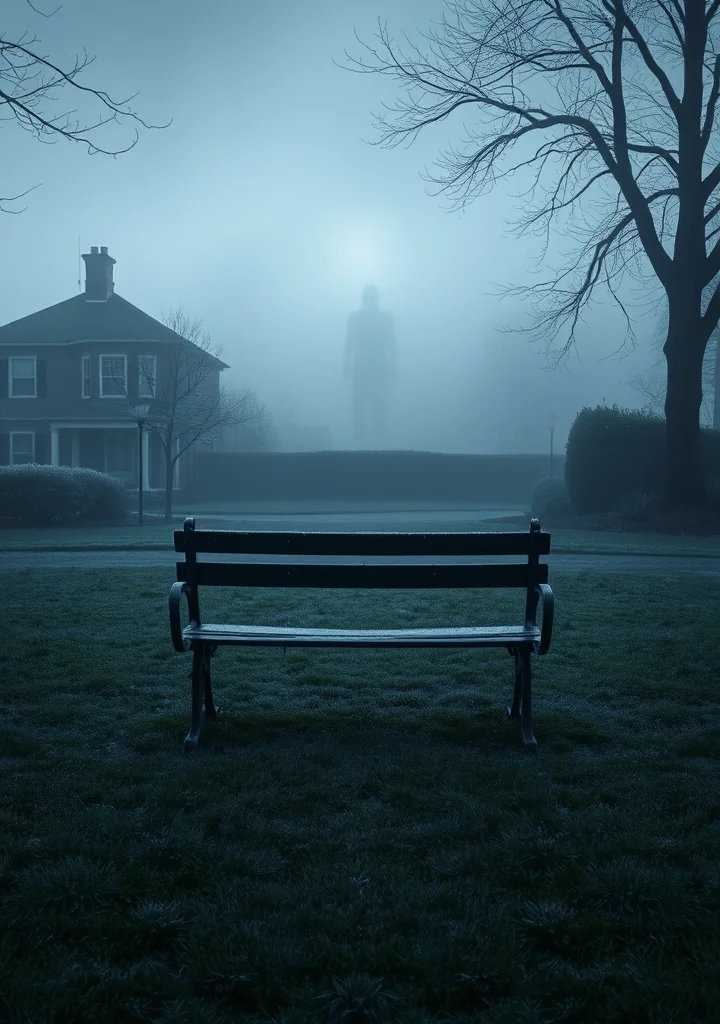
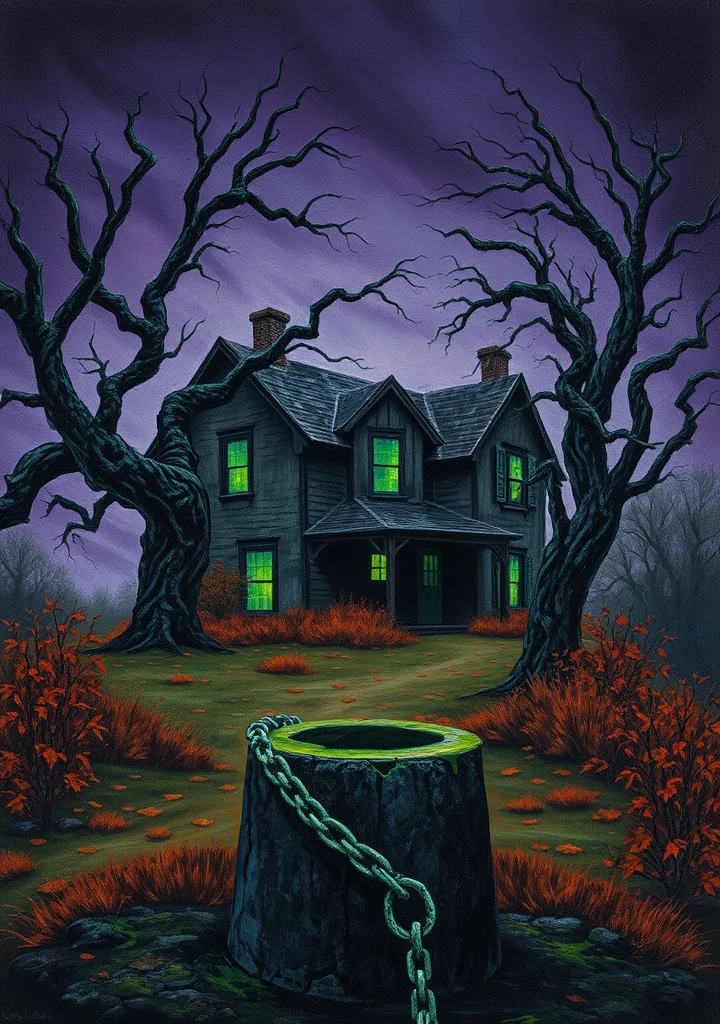
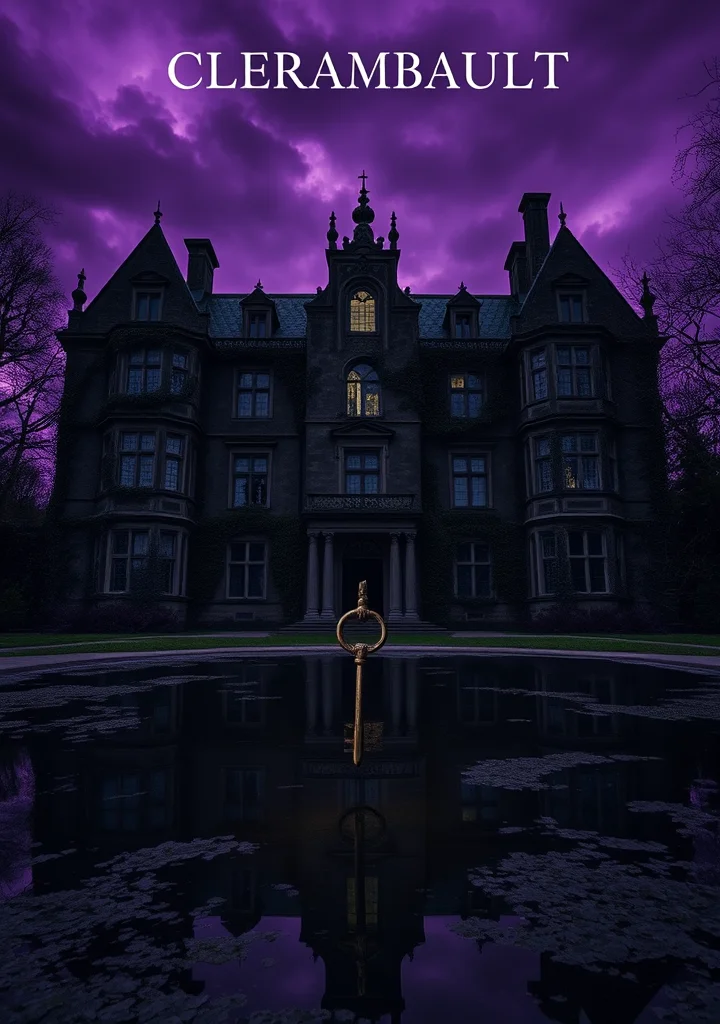
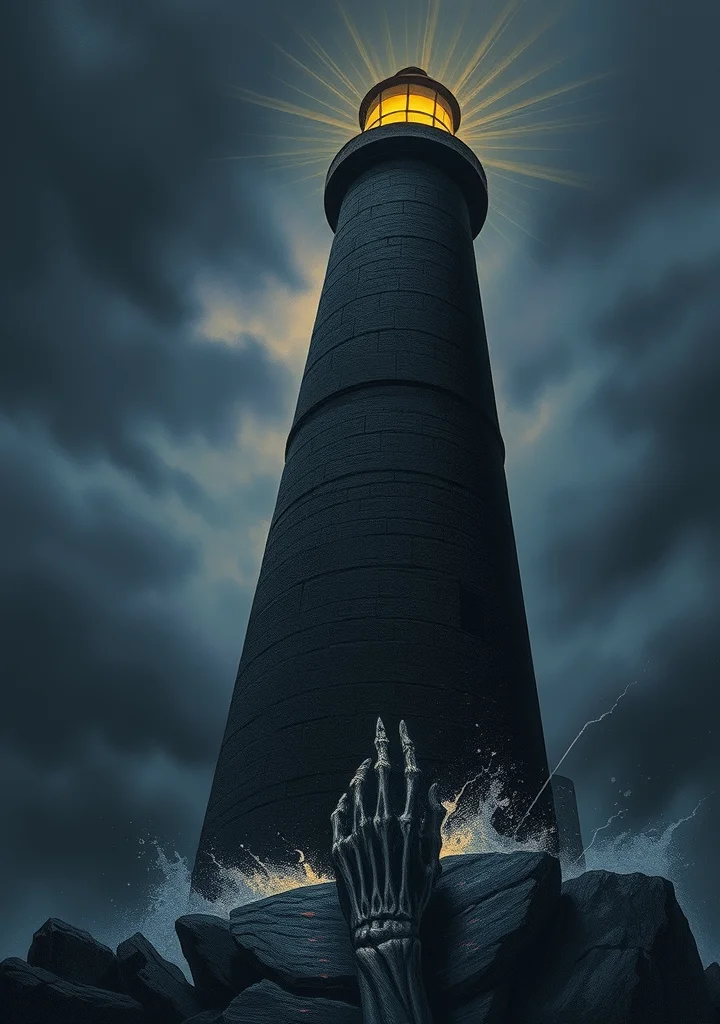
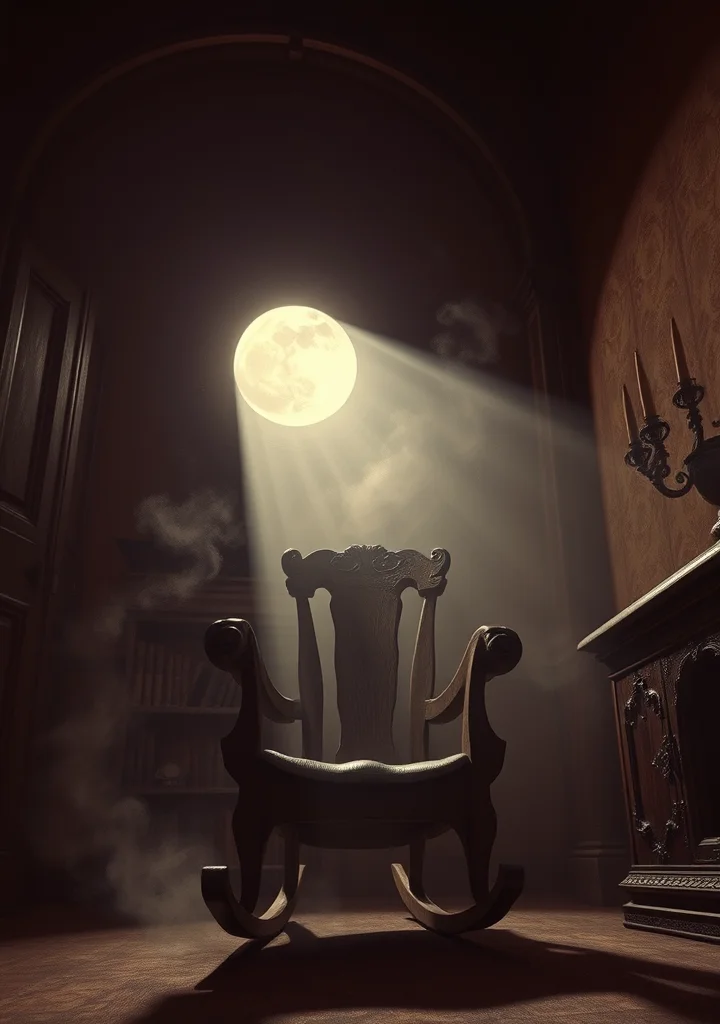
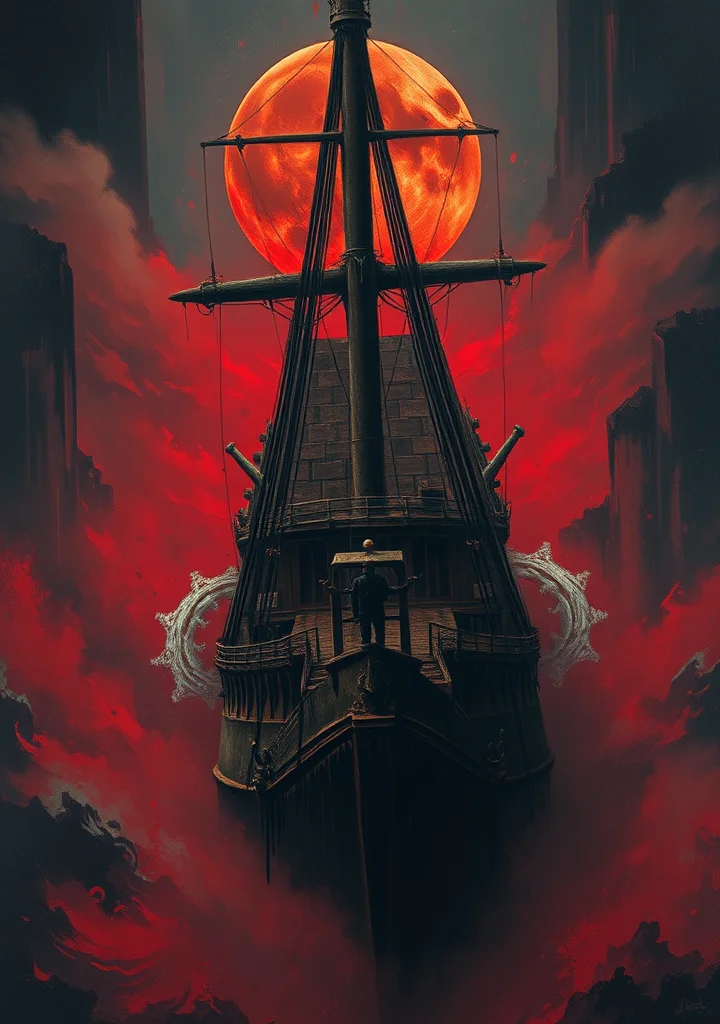
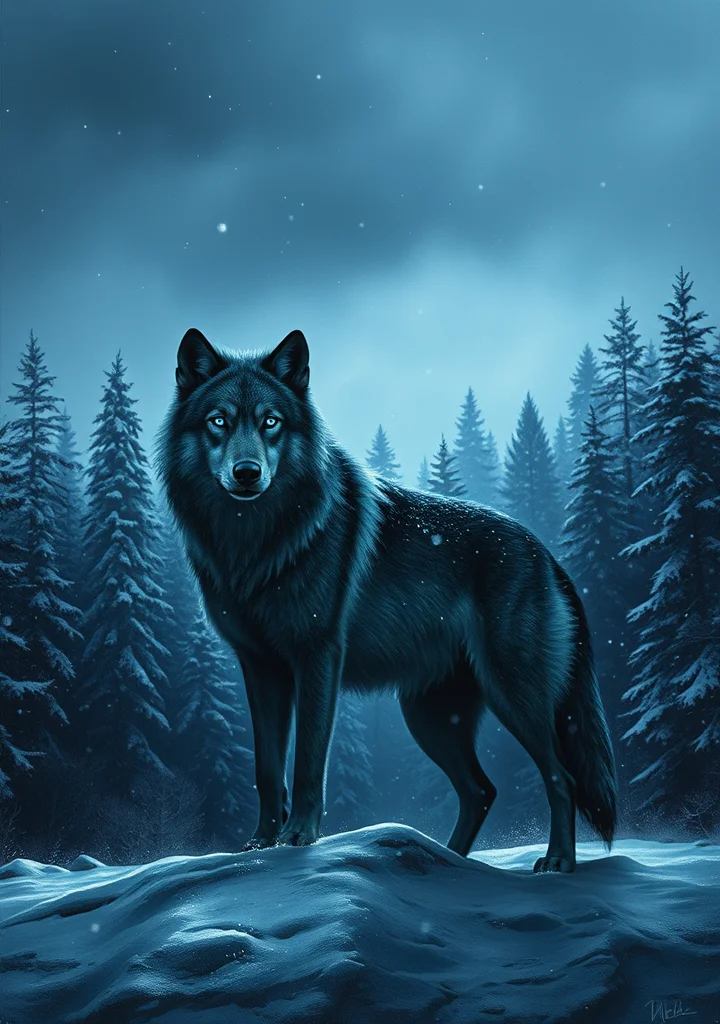
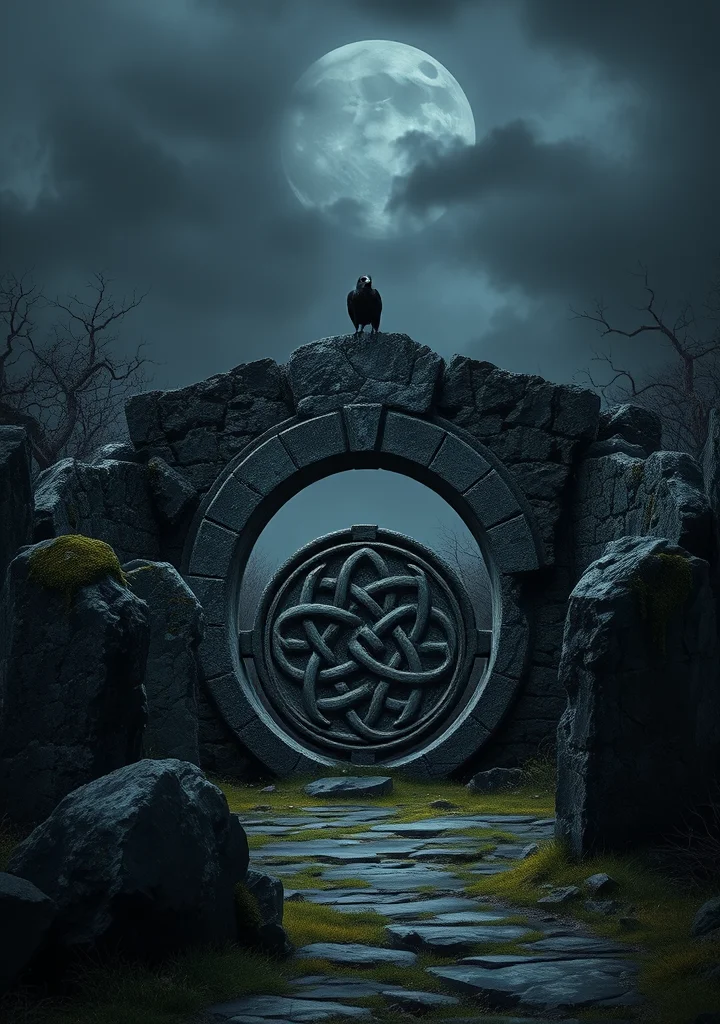
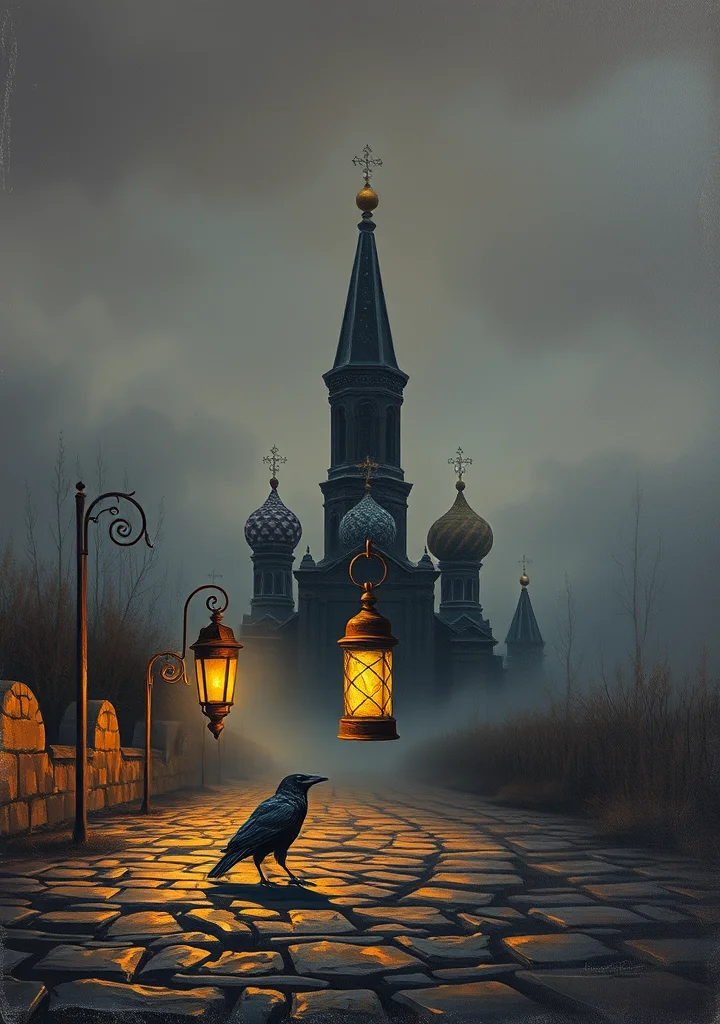
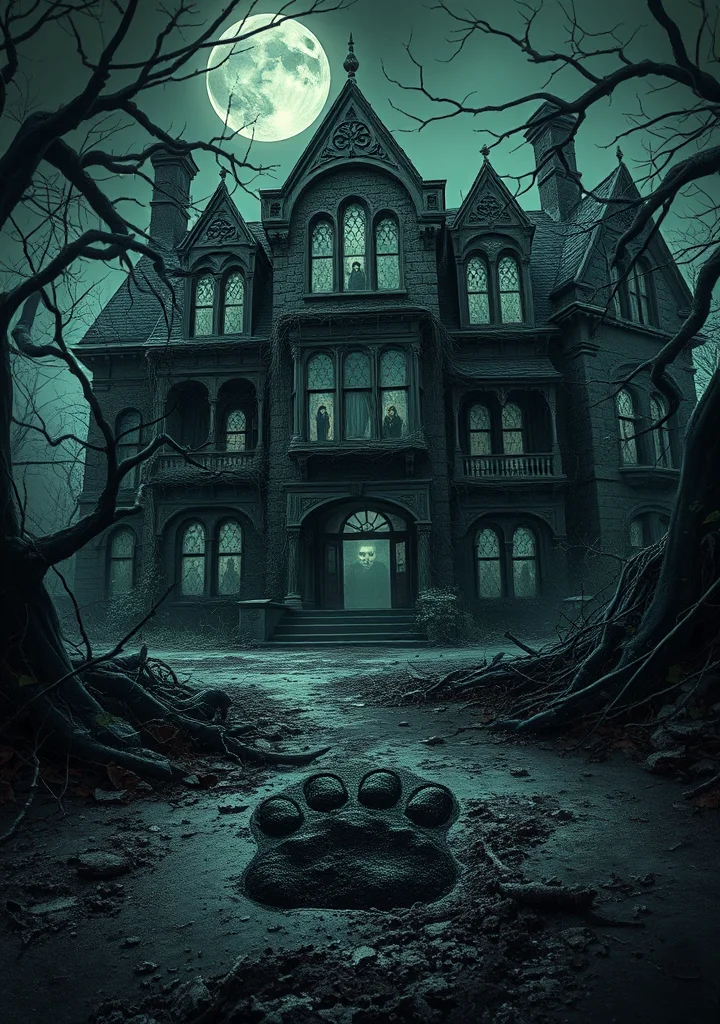
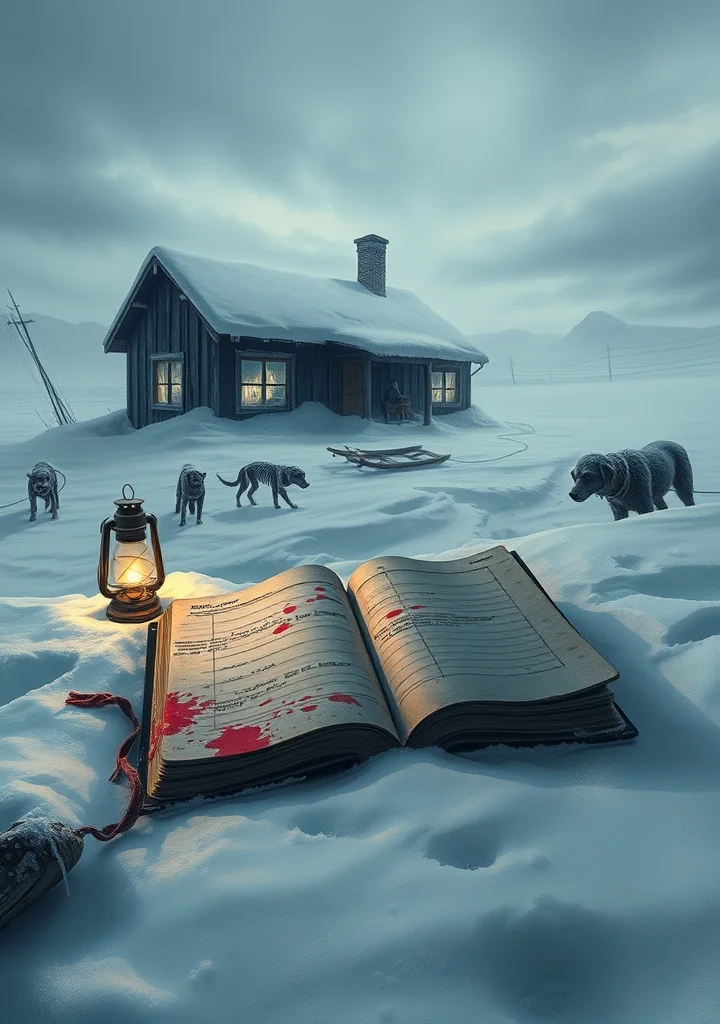
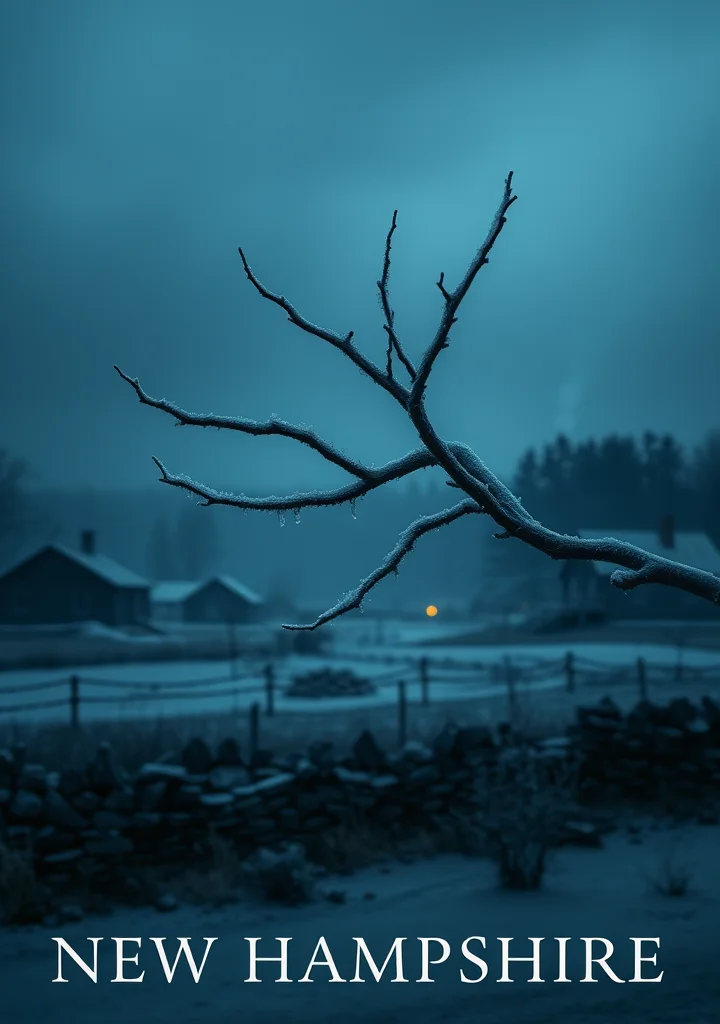
A creeping dread clings to the skeletal farms and stone-walled lanes of a New England twilight. The air hangs thick with unshed snow and the scent of woodsmoke, laced with something older, something brittle as frost-rimed branches. Here, the silence isn’t peaceful, but a taut, watchful thing, pressing against the ears until the lonely call of a distant dog sounds like a lament. It is a landscape haunted not by ghosts of people, but by the ghosts of intentions—of lives half-lived, of promises broken against the granite indifference of the hills. Every abandoned orchard holds the echo of a forgotten harvest, every darkened window a story swallowed by the encroaching woods. The weight of isolation is a physical presence, a cold hand on the back of the neck as you walk the empty roads. It’s a place where the boundaries blur between memory and the present, where the very stones seem to remember the slow, inevitable decay of hope. A stillness so profound it feels like the earth itself is holding its breath, waiting for something—or someone—to finally give way. This is a land where the beauty is born of hardship, and the shadows are woven into the very fabric of existence.
Copyright: Public Domain
This license allows anyone to use your story for any purpose, including printing, selling, or adapting it into a film freely.
This license allows anyone to use your story for any purpose, including printing, selling, or adapting it into a film freely.
Chapter List
-
« New Hampshire »📖 Continue Reading
-
« New Hampshire »
-
« Notes »
-
« Chapter_5 »
-
« The Census-Taker »
-
« The Star-Splitter »
-
« Maple »
-
« The Axe-Helve »
-
« The Grindstone »
-
« Paul’s Wife »
-
« Wild Grapes »
-
« Place for a Third »
-
« Two Witches »
-
« Chapter_15 »
-
« II »
-
« An Empty Threat »
-
« A Fountain, a Bottle, a Donkey’s Ears and Some Books »
-
« I Will Sing You One-O »
-
« Grace Notes »
-
« Fragmentary Blue »
-
« Fire and Ice »
-
« In a Disused Graveyard »
-
« Dust of Snow »
-
« ToE. T. »
-
« Nothing Gold Can Stay »
-
« The Runaway »
-
« The Aim Was Song »
-
« Stopping by Woods on a Snowy Evening »
-
« For Once, Then, Something »
-
« Blue-Butterfly Day »
-
« The Onset »
-
« To Earthward »
-
« Good-Bye and Keep Cold »
-
« Two Look at Two »
-
« Not to Keep »
-
« A Brook in the City »
-
« The Kitchen Chimney »
-
« Looking for a Sunset Bird in Winter »
-
« A Boundless Moment »
-
« Evening in a Sugar Orchard »
-
« Gathering Leaves »
-
« The Valley’s Singing Day »
-
« Misgiving »
-
« A Hillside Thaw »
-
« Plowmen »
-
« Chapter_47 »
-
« Our Singing Strength »
-
« The Lockless Door »
-
« The Need of Being Versed in Country Things »
49
-
« New Hampshire »
-
« New Hampshire »
-
« Notes »
-
« Chapter_5 »
-
« The Census-Taker »
-
« The Star-Splitter »
-
« Maple »
-
« The Axe-Helve »
-
« The Grindstone »
-
« Paul’s Wife »
-
« Wild Grapes »
-
« Place for a Third »
-
« Two Witches »
-
« Chapter_15 »
-
« II »
-
« An Empty Threat »
-
« A Fountain, a Bottle, a Donkey’s Ears and Some Books »
-
« I Will Sing You One-O »
-
« Grace Notes »
-
« Fragmentary Blue »
-
« Fire and Ice »
-
« In a Disused Graveyard »
-
« Dust of Snow »
-
« ToE. T. »
-
« Nothing Gold Can Stay »
-
« The Runaway »
-
« The Aim Was Song »
-
« Stopping by Woods on a Snowy Evening »
-
« For Once, Then, Something »
-
« Blue-Butterfly Day »
-
« The Onset »
-
« To Earthward »
-
« Good-Bye and Keep Cold »
-
« Two Look at Two »
-
« Not to Keep »
-
« A Brook in the City »
-
« The Kitchen Chimney »
-
« Looking for a Sunset Bird in Winter »
-
« A Boundless Moment »
-
« Evening in a Sugar Orchard »
-
« Gathering Leaves »
-
« The Valley’s Singing Day »
-
« Misgiving »
-
« A Hillside Thaw »
-
« Plowmen »
-
« Chapter_47 »
-
« Our Singing Strength »
-
« The Lockless Door »
-
« The Need of Being Versed in Country Things »
More like this