
-
Read 2.2K
-
0
-
Part 221
Completed, First published Mar 02, 2026
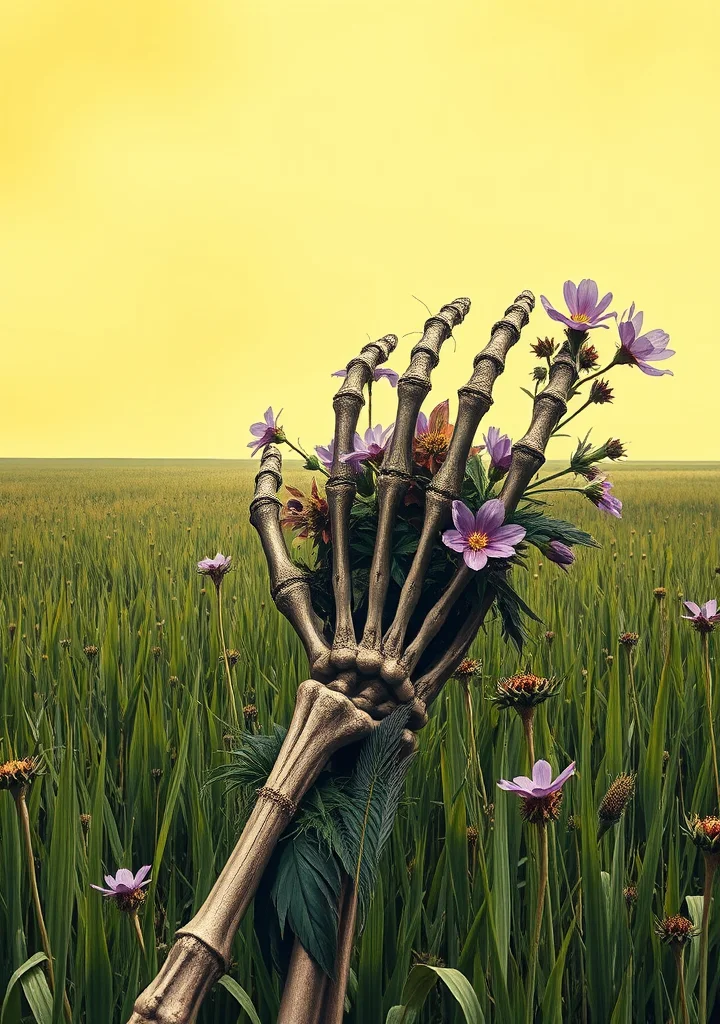
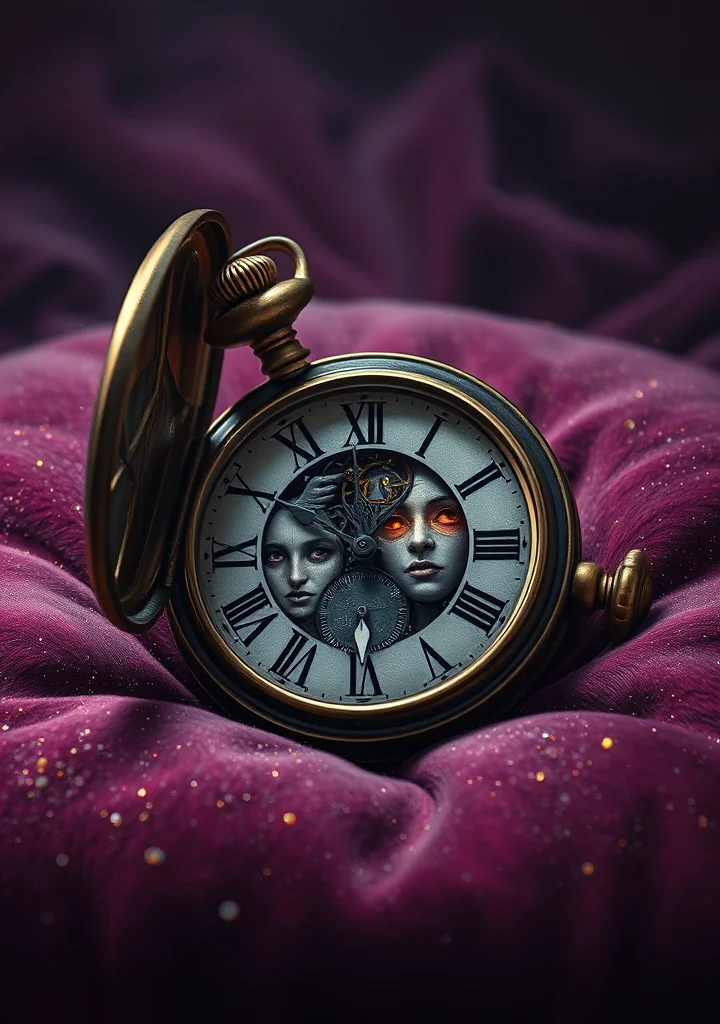
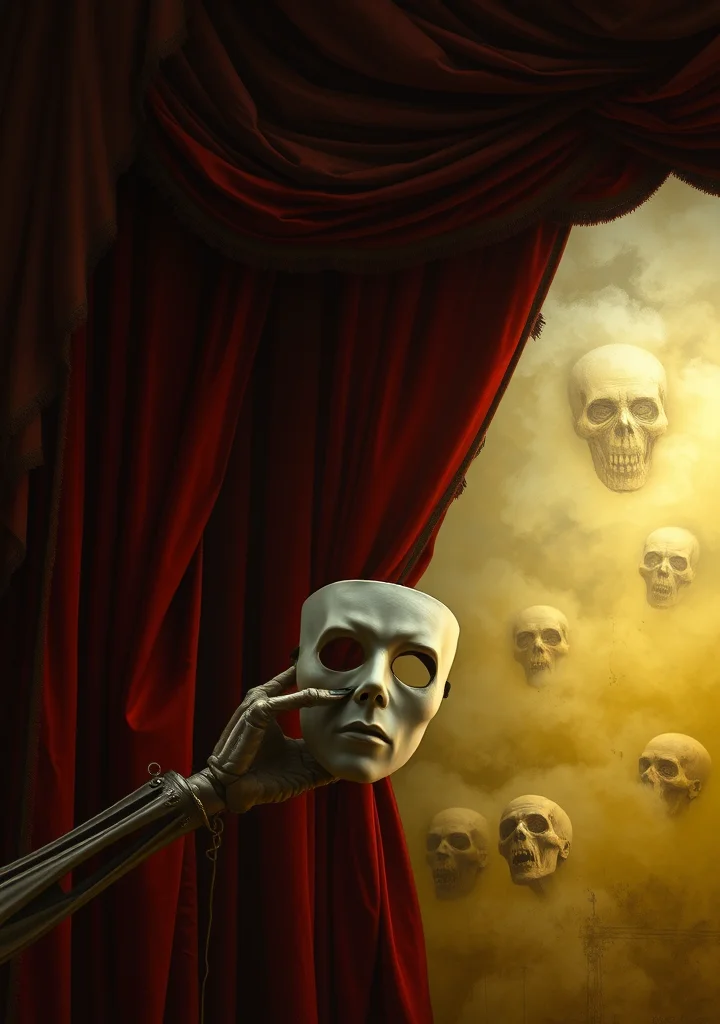
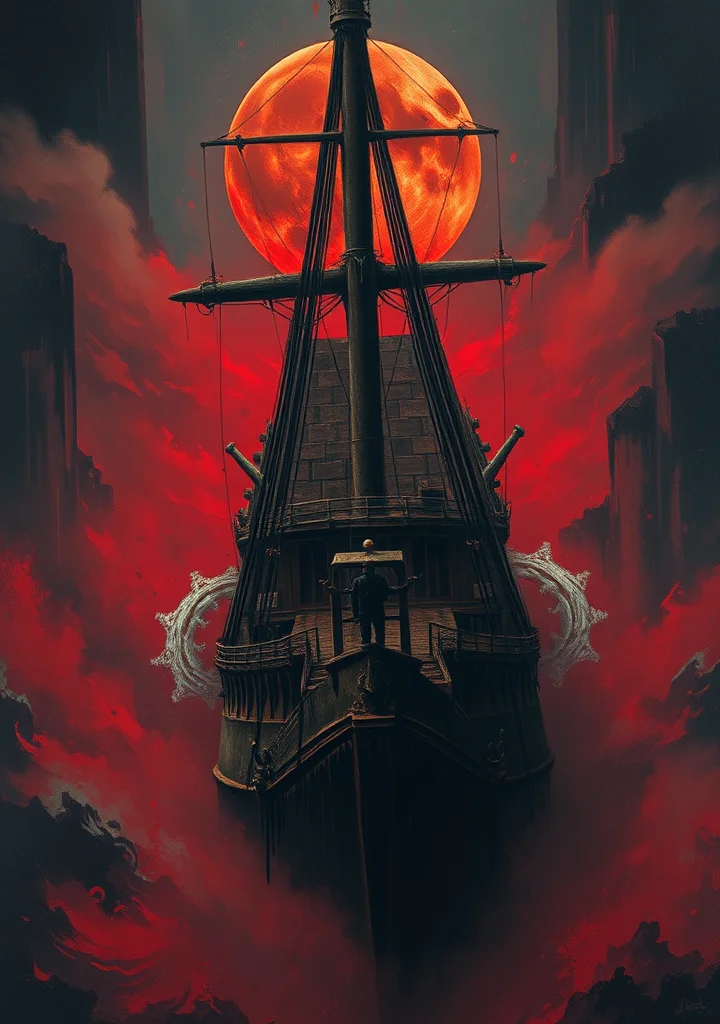
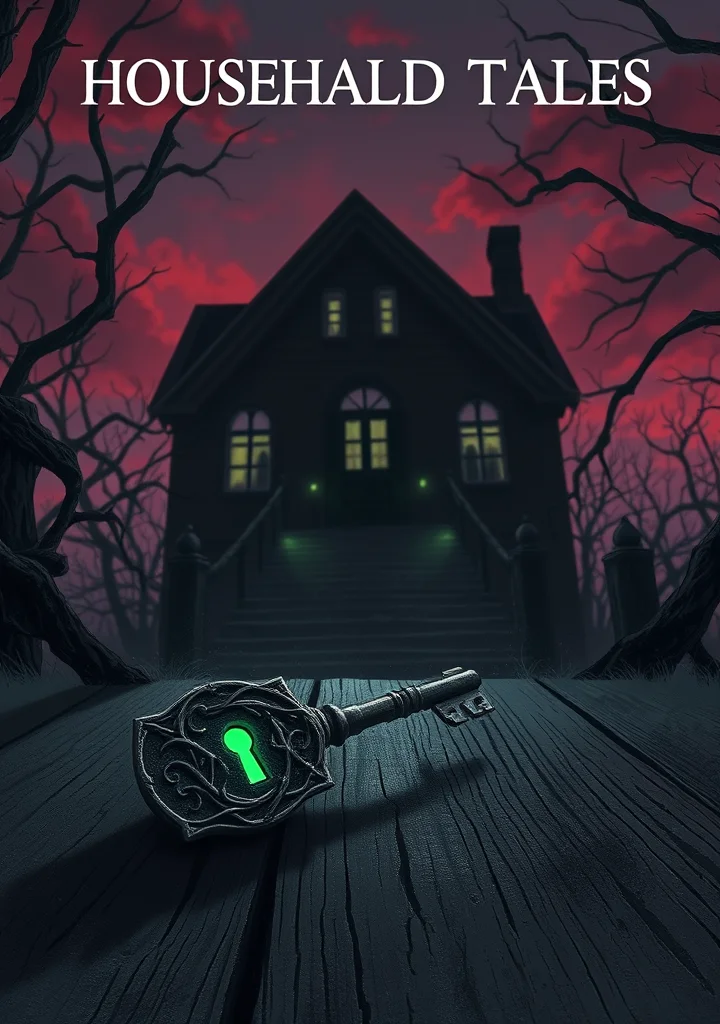
A creeping dread clings to the hearthstones of these tales, where shadows stretch long from the eaves and the forest breathes against the windows. Each story exhaled from Grimm’s pen is less a narrative of comfort, and more a shivering draught from a forgotten crypt. The woodcutter’s axe rings not with industry, but with the finality of bone against wood. Lovers stumble through thorn-choked paths, lured by promises whispered on the wind—promises woven with thorns and laced with rot. The very air tastes of ash and regret, of bargains struck with creatures older than the mountains.
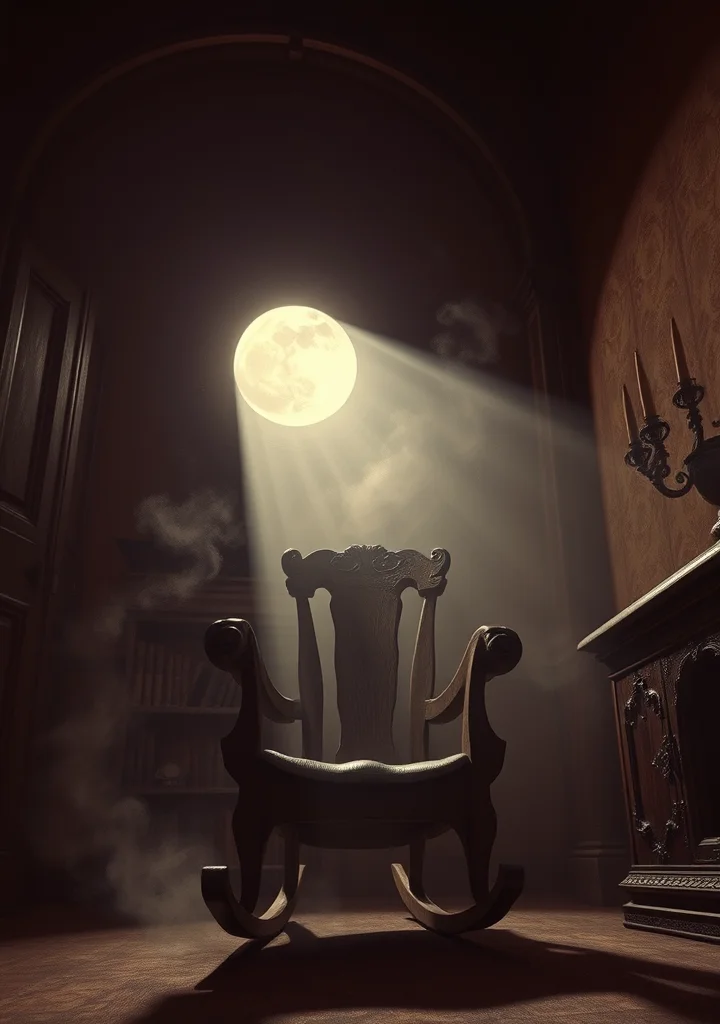
These are not fireside stories meant to warm the blood, but echoes of hunger gnawing at the edges of the world. A bride’s gown becomes a shroud, a child’s laughter turns to a mournful cry lost in the snow-drifted pines. Every doorway holds the potential for a descent, every feast a phantom invitation to partake of something stolen from the grave. The beauty within these pages is brittle, a porcelain doll’s face cracked with the weight of untold horrors. They are tales to be read with a candle guttering low, and a hand pressed against your own heart to still its frantic beat. The darkness doesn't simply *exist* here, it *watches*. It waits to weave itself into the fabric of your own home.
Copyright: Public Domain
This license allows anyone to use your story for any purpose, including printing, selling, or adapting it into a film freely.
This license allows anyone to use your story for any purpose, including printing, selling, or adapting it into a film freely.
Chapter List
-
« Household Tales »📖 Continue Reading
-
« The Frog-King, or Iron Henry »
-
« Cat and Mouse in Partnership »
-
« Our Lady’s Child »
-
« The Story of the Youth Who Went Forth to Learn What Fear Was »
-
« The Wolf and the Seven Little Kids »
-
« Faithful John »
-
« The Good Bargain »
-
« The Wonderful Musician »
-
« The Twelve Brothers »
-
« The Pack of Ragamuffins »
-
« Little Brother and Little Sister »
-
« Rapunzel »
-
« The Three Little Men in the Wood »
-
« The Three Spinners »
-
« Hänsel and Grethel »
-
« The Three Snake-Leaves »
-
« The White Snake »
-
« The Straw, the Coal, and the Bean »
-
« The Fisherman and His Wife »
-
« The Valiant Little Tailor »
-
« Cinderella »
-
« The Riddle »
-
« The Mouse, the Bird, and the Sausage »
-
« Mother Holle »
-
« The Seven Ravens »
-
« Little Redcap »
-
« The Bremen Town-Musicians »
-
« The Singing Bone »
-
« The Devil with the Three Golden Hairs »
-
« The Louse and the Flea »
-
« The Girl Without Hands »
-
« Clever Hans »
-
« The Three Languages »
-
« Clever Elsie »
-
« The Tailor in Heaven »
-
« The Wishing-Table, the Gold-Ass, and the Cudgel in the Sack »
-
« Thumbling »
-
« The Wedding ofMrs.Fox »
-
« First Story »
-
« Second Story »
-
« The Elves »
-
« First Story »
-
« Second Story »
-
« Third Story »
-
« The Robber Bridegroom »
-
« Herr Korbes »
-
« The Godfather »
-
« Frau Trude »
-
« Godfather Death »
-
« Thumbling as Journeyman »
-
« Fitcher’s Bird »
-
« The Juniper-Tree »
-
« Old Sultan »
-
« The Six Swans »
-
« Briar-Rose »
-
« Fundevogel (Bird-Foundling) »
-
« King Thrushbeard »
-
« Little Snow-White »
-
« The Knapsack, the Hat, and the Horn »
-
« Rumpelstiltskin »
-
« Sweetheart Roland »
-
« The Golden Bird »
-
« The Dog and the Sparrow »
-
« Frederick and Catherine »
-
« The Two Brothers »
-
« The Little Peasant »
-
« The Queen Bee »
-
« The Three Feathers »
-
« The Golden Goose »
-
« Allerleirauh »
-
« The Hare’s Bride »
-
« The Twelve Huntsmen »
-
« The Thief and His Master »
-
« Jorinda and Joringel »
-
« The Three Sons of Fortune »
-
« How Six Men Got on in the World »
-
« The Wolf and the Man »
-
« The Wolf and the Fox »
-
« The Fox and His Cousin »
-
« The Fox and the Cat »
-
« The Pink »
-
« Clever Grethel »
-
« The Old Man and His Grandson »
-
« The Water-Nix »
-
« The Death of the Little Hen »
-
« Brother Lustig »
-
« Gambling Hansel »
-
« Hans in Luck »
-
« Hans Married »
-
« The Gold-Children »
-
« The Fox and the Geese »
-
« The Poor Man and the Rich Man »
-
« The Singing, Springing Lark »
-
« The Goose-Girl »
-
« The Young Giant »
-
« The Gnome »
-
« The King of the Golden Mountain »
-
« The Raven »
-
« The Peasant’s Wise Daughter »
-
« Old Hildebrand »
-
« The Three Little Birds »
-
« The Water of Life »
-
« Doctor Knowall »
-
« The Spirit in the Bottle »
-
« The Devil’s Sooty Brother »
-
« Bearskin »
-
« The Willow-Wren and the Bear »
-
« Sweet Porridge »
-
« Wise Folks »
-
« Stories About Snakes »
-
« First Story »
-
« Second Story »
-
« Third Story »
-
« The Poor Miller’s Boy and the Cat »
-
« The Two Travellers »
-
« Hans the Hedgehog »
-
« The Shroud »
-
« The Jew Among Thorns »
-
« The Skilful Huntsman »
-
« The Flail from Heaven »
-
« The Two Kings’ Children »
-
« The Cunning Little Tailor »
-
« The Bright Sun Brings It to Light »
-
« The Blue Light »
-
« The Wilful Child »
-
« The Three Army-Surgeons »
-
« The Seven Swabians »
-
« The Three Apprentices »
-
« The King’s Son Who Feared Nothing »
-
« Donkey Cabbages »
-
« The Old Woman in the Wood »
-
« The Three Brothers »
-
« The Devil and His Grandmother »
-
« Ferdinand the Faithful »
-
« The Iron Stove »
-
« The Lazy Spinner »
-
« The Four Skilful Brothers »
-
« One-Eye, Two-Eyes, and Three-Eyes »
-
« Fair Katrinelje and Pif-Paf-Poltrie »
-
« The Fox and the Horse »
-
« The Shoes That Were Danced to Pieces »
-
« The Six Servants »
-
« The White Bride and the Black One »
-
« Iron John »
-
« The Three Black Princesses »
-
« Knoist and His Three Sons »
-
« The Maid of Brakel »
-
« Domestic Servants »
-
« The Lambkin and the Little Fish »
-
« Simeli Mountain »
-
« Going A-Travelling »
-
« The Donkey »
-
« The Ungrateful Son »
-
« The Turnip »
-
« The Old Man Made Young Again »
-
« The Lord’s Animals and the Devil’s »
-
« The Beam »
-
« The Old Beggar-Woman »
-
« The Three Sluggards »
-
« The Twelve Idle Servants »
-
« The Shepherd Boy »
-
« The Star-Money »
-
« The Stolen Farthings »
-
« Brides on Their Trial »
-
« Odds and Ends »
-
« The Sparrow and His Four Children »
-
« The Story of Schlauraffen Land »
-
« The Ditmarsch Tale of Wonders »
-
« A Riddling Tale »
-
« Snow-White and Rose-Red »
-
« The Wise Servant »
-
« The Glass Coffin »
-
« Lazy Harry »
-
« The Griffin »
-
« Strong Hans »
-
« The Peasant in Heaven »
-
« Lean Lisa »
-
« The Hut in the Forest »
-
« Sharing Joy and Sorrow »
-
« The Willow-Wren »
-
« The Sole »
-
« The Bittern and the Hoopoe »
-
« The Owl »
-
« The Moon »
-
« The Duration of Life »
-
« Death’s Messengers »
-
« Master Pfriem (Master Cobbler’s Awl) »
-
« The Goose-Girl at the Well »
-
« Eve’s Various Children »
-
« The Nix of the Millpond »
-
« The Little Folks’ Presents »
-
« The Giant and the Tailor »
-
« The Nail »
-
« The Poor Boy in the Grave »
-
« The True Sweethearts »
-
« The Hare and the Hedgehog »
-
« The Spindle, the Shuttle, and the Needle »
-
« The Peasant and the Devil »
-
« The Crumbs on the Table »
-
« The Sea-Hare »
-
« The Master-Thief »
-
« The Drummer »
-
« The Ear of Corn »
-
« The Grave-Mound »
-
« Old Rinkrank »
-
« The Crystal Ball »
-
« Maid Maleen »
-
« The Boots of Buffalo-Leather »
-
« The Golden Key »
-
« Children’s Legends »
-
« St.Joseph in the Forest »
-
« The Twelve Apostles »
-
« The Rose »
-
« Poverty and Humility Lead to Heaven »
-
« God’s Food »
-
« The Three Green Twigs »
-
« Our Lady’s Little Glass »
-
« The Aged Mother »
-
« The Heavenly Wedding »
-
« The Hazel-Branch »
221
-
« Household Tales »
-
« The Frog-King, or Iron Henry »
-
« Cat and Mouse in Partnership »
-
« Our Lady’s Child »
-
« The Story of the Youth Who Went Forth to Learn What Fear Was »
-
« The Wolf and the Seven Little Kids »
-
« Faithful John »
-
« The Good Bargain »
-
« The Wonderful Musician »
-
« The Twelve Brothers »
-
« The Pack of Ragamuffins »
-
« Little Brother and Little Sister »
-
« Rapunzel »
-
« The Three Little Men in the Wood »
-
« The Three Spinners »
-
« Hänsel and Grethel »
-
« The Three Snake-Leaves »
-
« The White Snake »
-
« The Straw, the Coal, and the Bean »
-
« The Fisherman and His Wife »
-
« The Valiant Little Tailor »
-
« Cinderella »
-
« The Riddle »
-
« The Mouse, the Bird, and the Sausage »
-
« Mother Holle »
-
« The Seven Ravens »
-
« Little Redcap »
-
« The Bremen Town-Musicians »
-
« The Singing Bone »
-
« The Devil with the Three Golden Hairs »
-
« The Louse and the Flea »
-
« The Girl Without Hands »
-
« Clever Hans »
-
« The Three Languages »
-
« Clever Elsie »
-
« The Tailor in Heaven »
-
« The Wishing-Table, the Gold-Ass, and the Cudgel in the Sack »
-
« Thumbling »
-
« The Wedding ofMrs.Fox »
-
« First Story »
-
« Second Story »
-
« The Elves »
-
« First Story »
-
« Second Story »
-
« Third Story »
-
« The Robber Bridegroom »
-
« Herr Korbes »
-
« The Godfather »
-
« Frau Trude »
-
« Godfather Death »
-
« Thumbling as Journeyman »
-
« Fitcher’s Bird »
-
« The Juniper-Tree »
-
« Old Sultan »
-
« The Six Swans »
-
« Briar-Rose »
-
« Fundevogel (Bird-Foundling) »
-
« King Thrushbeard »
-
« Little Snow-White »
-
« The Knapsack, the Hat, and the Horn »
-
« Rumpelstiltskin »
-
« Sweetheart Roland »
-
« The Golden Bird »
-
« The Dog and the Sparrow »
-
« Frederick and Catherine »
-
« The Two Brothers »
-
« The Little Peasant »
-
« The Queen Bee »
-
« The Three Feathers »
-
« The Golden Goose »
-
« Allerleirauh »
-
« The Hare’s Bride »
-
« The Twelve Huntsmen »
-
« The Thief and His Master »
-
« Jorinda and Joringel »
-
« The Three Sons of Fortune »
-
« How Six Men Got on in the World »
-
« The Wolf and the Man »
-
« The Wolf and the Fox »
-
« The Fox and His Cousin »
-
« The Fox and the Cat »
-
« The Pink »
-
« Clever Grethel »
-
« The Old Man and His Grandson »
-
« The Water-Nix »
-
« The Death of the Little Hen »
-
« Brother Lustig »
-
« Gambling Hansel »
-
« Hans in Luck »
-
« Hans Married »
-
« The Gold-Children »
-
« The Fox and the Geese »
-
« The Poor Man and the Rich Man »
-
« The Singing, Springing Lark »
-
« The Goose-Girl »
-
« The Young Giant »
-
« The Gnome »
-
« The King of the Golden Mountain »
-
« The Raven »
-
« The Peasant’s Wise Daughter »
-
« Old Hildebrand »
-
« The Three Little Birds »
-
« The Water of Life »
-
« Doctor Knowall »
-
« The Spirit in the Bottle »
-
« The Devil’s Sooty Brother »
-
« Bearskin »
-
« The Willow-Wren and the Bear »
-
« Sweet Porridge »
-
« Wise Folks »
-
« Stories About Snakes »
-
« First Story »
-
« Second Story »
-
« Third Story »
-
« The Poor Miller’s Boy and the Cat »
-
« The Two Travellers »
-
« Hans the Hedgehog »
-
« The Shroud »
-
« The Jew Among Thorns »
-
« The Skilful Huntsman »
-
« The Flail from Heaven »
-
« The Two Kings’ Children »
-
« The Cunning Little Tailor »
-
« The Bright Sun Brings It to Light »
-
« The Blue Light »
-
« The Wilful Child »
-
« The Three Army-Surgeons »
-
« The Seven Swabians »
-
« The Three Apprentices »
-
« The King’s Son Who Feared Nothing »
-
« Donkey Cabbages »
-
« The Old Woman in the Wood »
-
« The Three Brothers »
-
« The Devil and His Grandmother »
-
« Ferdinand the Faithful »
-
« The Iron Stove »
-
« The Lazy Spinner »
-
« The Four Skilful Brothers »
-
« One-Eye, Two-Eyes, and Three-Eyes »
-
« Fair Katrinelje and Pif-Paf-Poltrie »
-
« The Fox and the Horse »
-
« The Shoes That Were Danced to Pieces »
-
« The Six Servants »
-
« The White Bride and the Black One »
-
« Iron John »
-
« The Three Black Princesses »
-
« Knoist and His Three Sons »
-
« The Maid of Brakel »
-
« Domestic Servants »
-
« The Lambkin and the Little Fish »
-
« Simeli Mountain »
-
« Going A-Travelling »
-
« The Donkey »
-
« The Ungrateful Son »
-
« The Turnip »
-
« The Old Man Made Young Again »
-
« The Lord’s Animals and the Devil’s »
-
« The Beam »
-
« The Old Beggar-Woman »
-
« The Three Sluggards »
-
« The Twelve Idle Servants »
-
« The Shepherd Boy »
-
« The Star-Money »
-
« The Stolen Farthings »
-
« Brides on Their Trial »
-
« Odds and Ends »
-
« The Sparrow and His Four Children »
-
« The Story of Schlauraffen Land »
-
« The Ditmarsch Tale of Wonders »
-
« A Riddling Tale »
-
« Snow-White and Rose-Red »
-
« The Wise Servant »
-
« The Glass Coffin »
-
« Lazy Harry »
-
« The Griffin »
-
« Strong Hans »
-
« The Peasant in Heaven »
-
« Lean Lisa »
-
« The Hut in the Forest »
-
« Sharing Joy and Sorrow »
-
« The Willow-Wren »
-
« The Sole »
-
« The Bittern and the Hoopoe »
-
« The Owl »
-
« The Moon »
-
« The Duration of Life »
-
« Death’s Messengers »
-
« Master Pfriem (Master Cobbler’s Awl) »
-
« The Goose-Girl at the Well »
-
« Eve’s Various Children »
-
« The Nix of the Millpond »
-
« The Little Folks’ Presents »
-
« The Giant and the Tailor »
-
« The Nail »
-
« The Poor Boy in the Grave »
-
« The True Sweethearts »
-
« The Hare and the Hedgehog »
-
« The Spindle, the Shuttle, and the Needle »
-
« The Peasant and the Devil »
-
« The Crumbs on the Table »
-
« The Sea-Hare »
-
« The Master-Thief »
-
« The Drummer »
-
« The Ear of Corn »
-
« The Grave-Mound »
-
« Old Rinkrank »
-
« The Crystal Ball »
-
« Maid Maleen »
-
« The Boots of Buffalo-Leather »
-
« The Golden Key »
-
« Children’s Legends »
-
« St.Joseph in the Forest »
-
« The Twelve Apostles »
-
« The Rose »
-
« Poverty and Humility Lead to Heaven »
-
« God’s Food »
-
« The Three Green Twigs »
-
« Our Lady’s Little Glass »
-
« The Aged Mother »
-
« The Heavenly Wedding »
-
« The Hazel-Branch »
More like this