
-
Read 598
-
0
-
Part 33
Completed, First published Mar 02, 2026
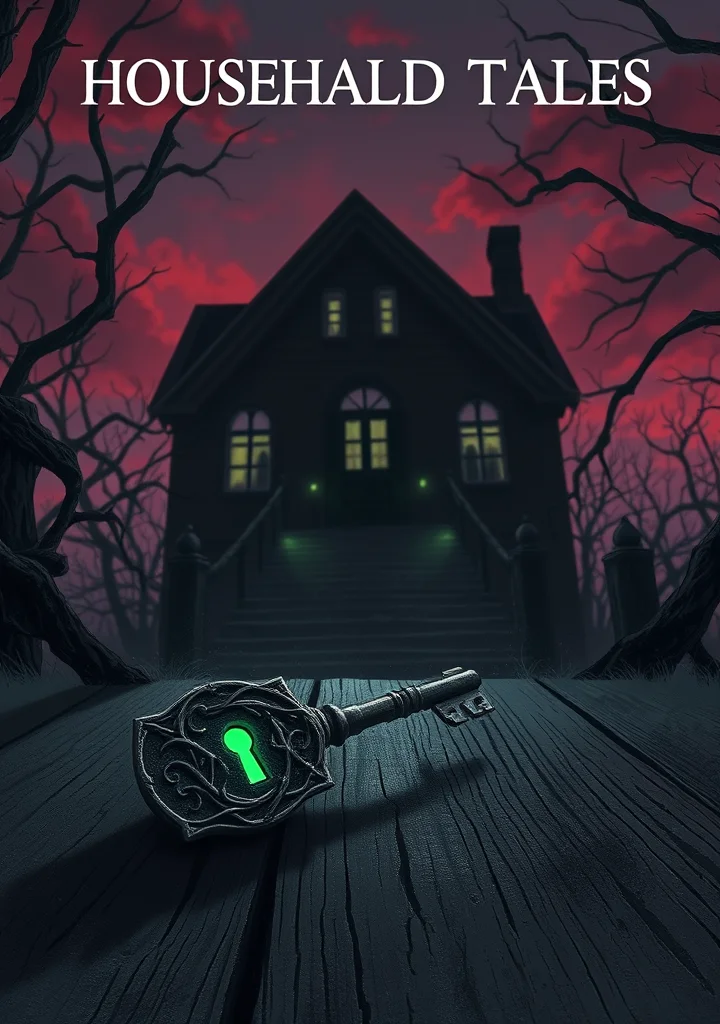
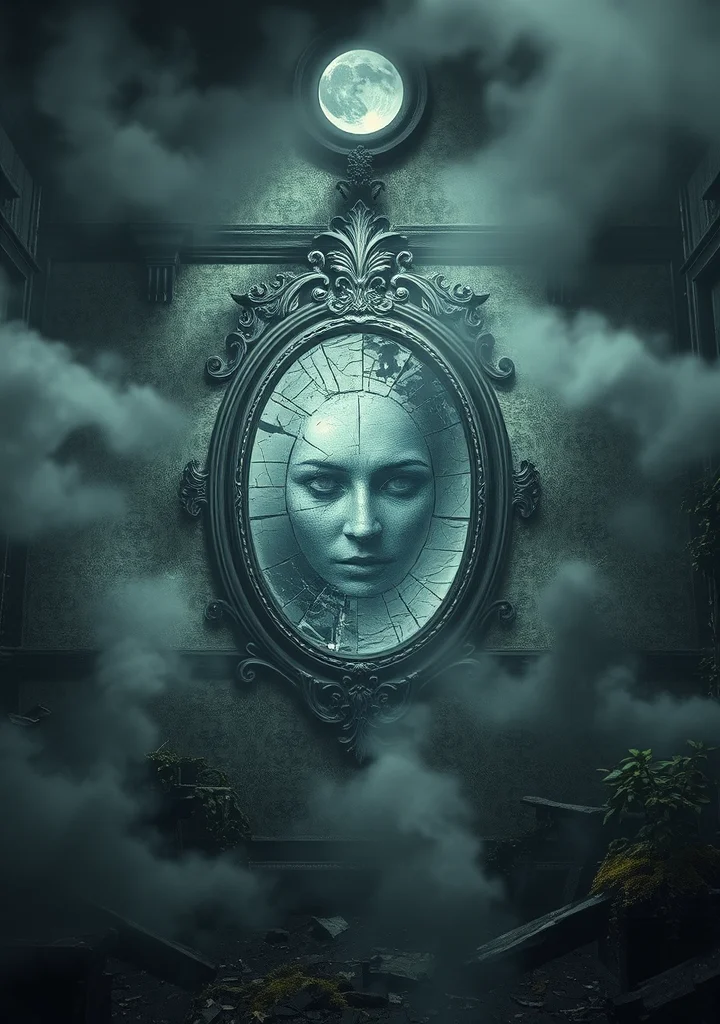
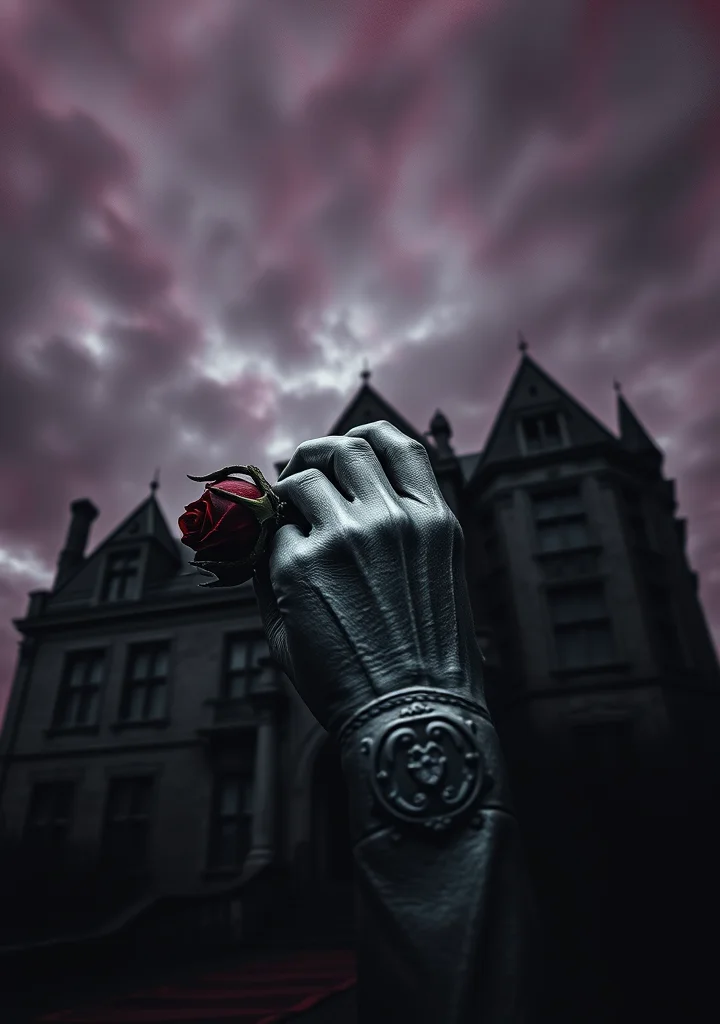
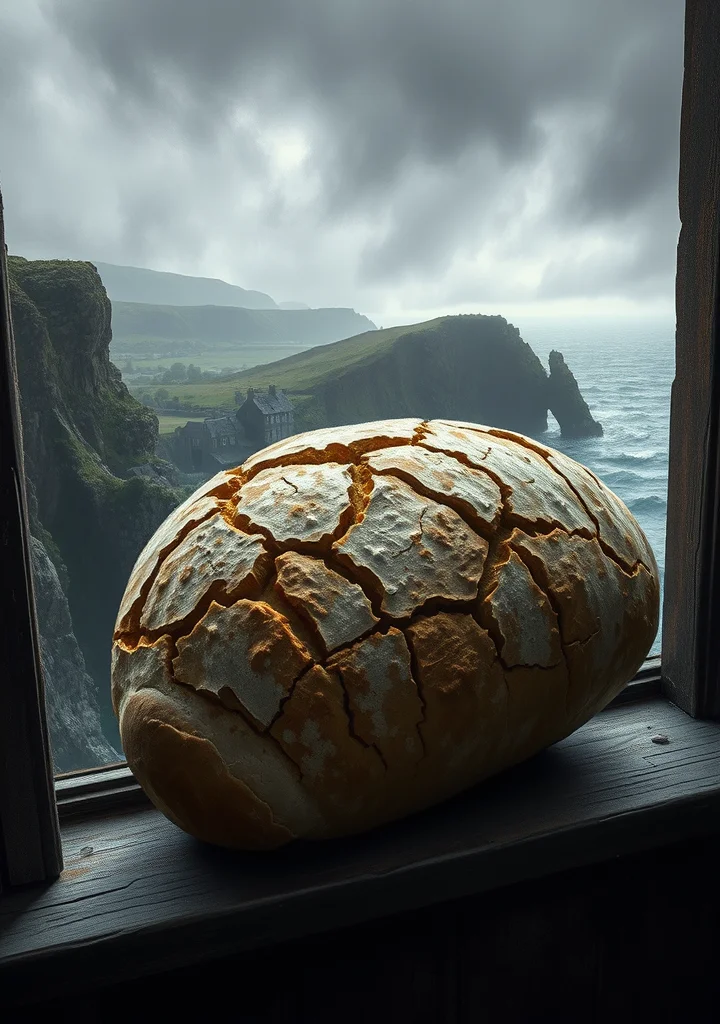
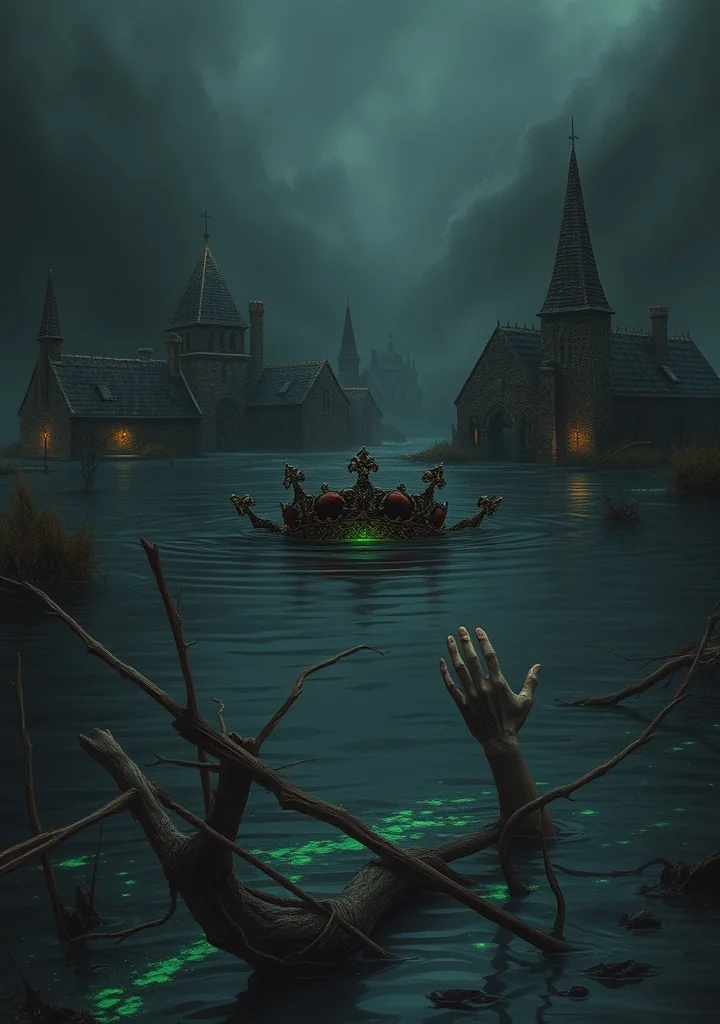
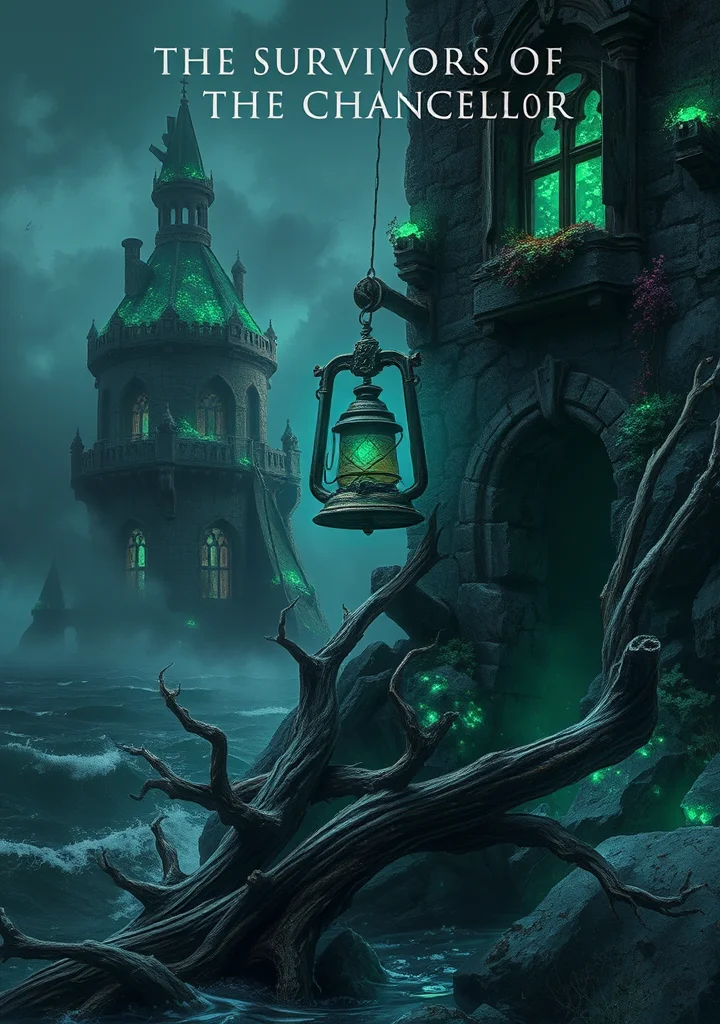
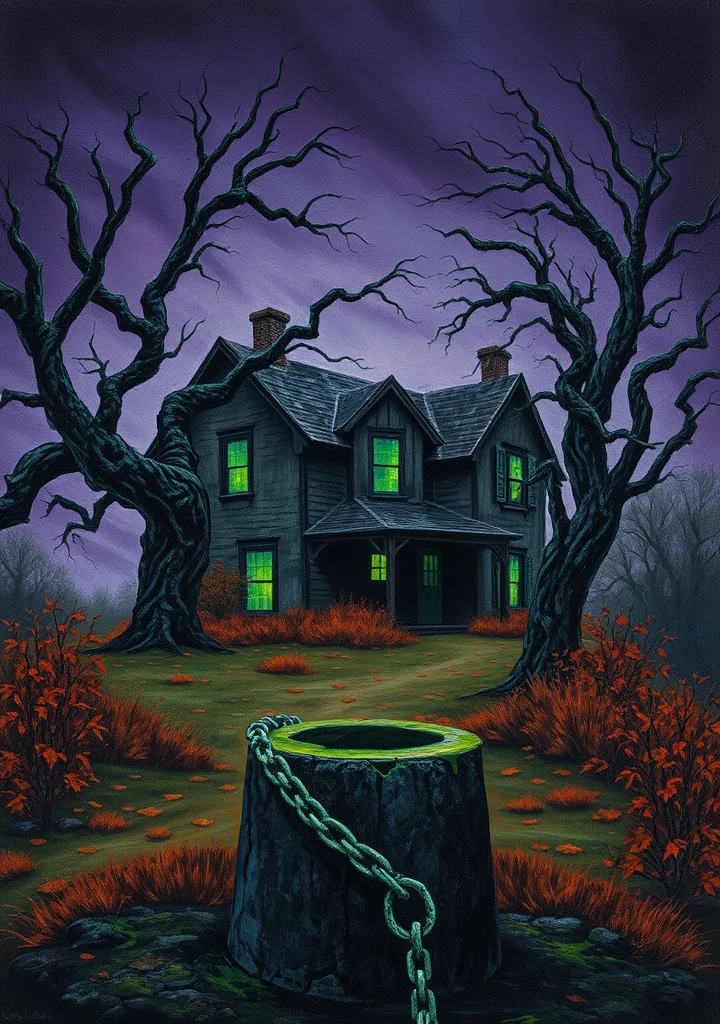
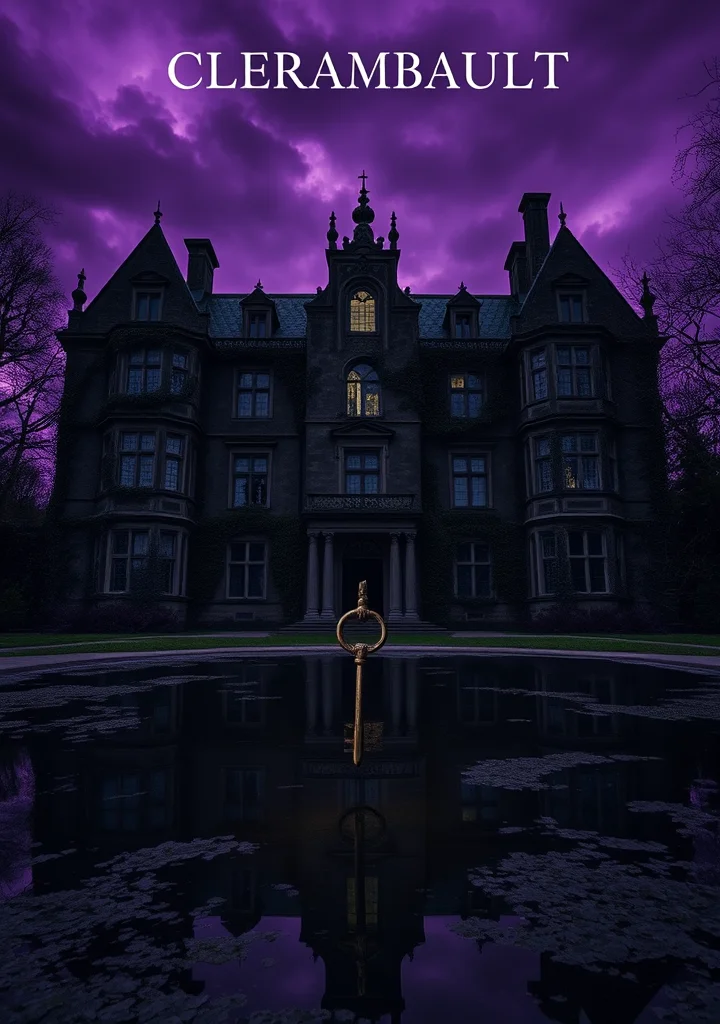
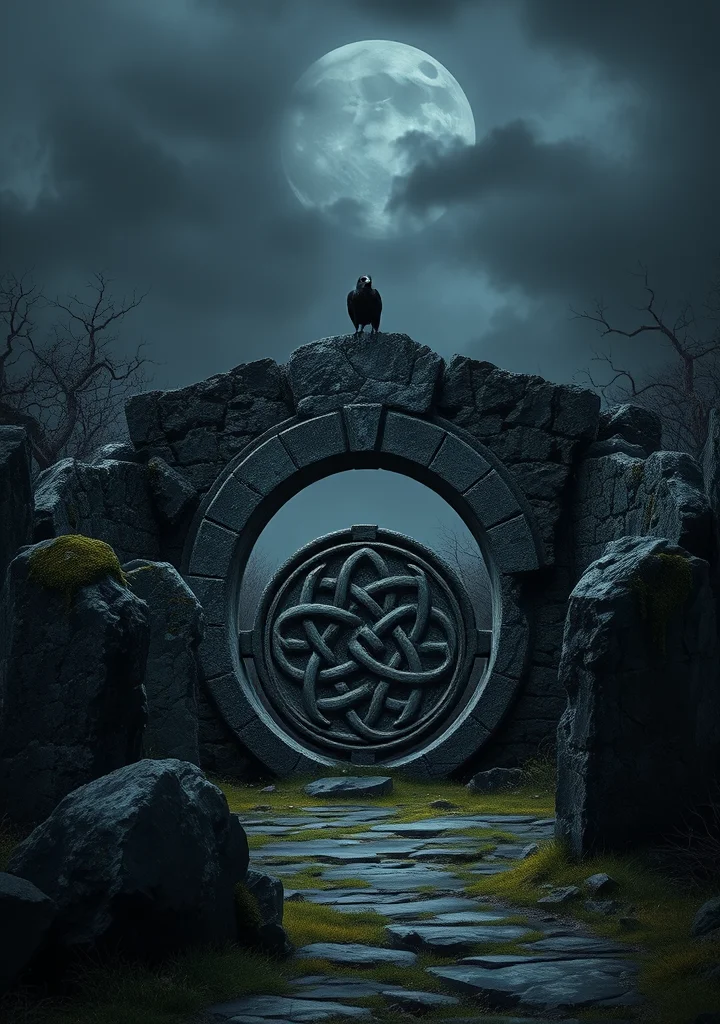
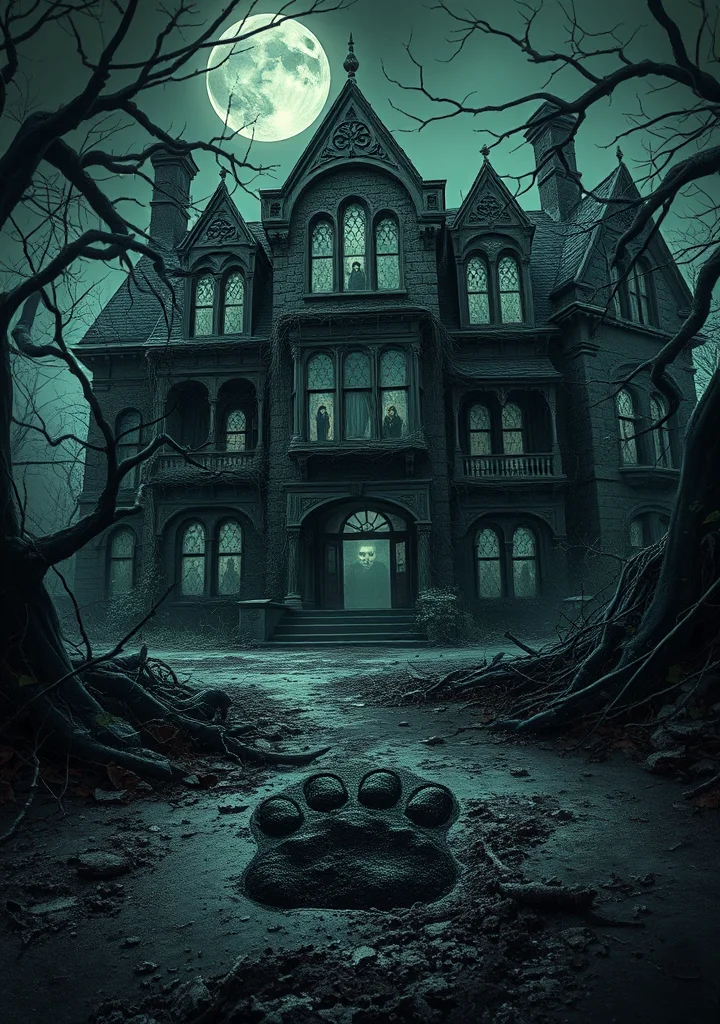
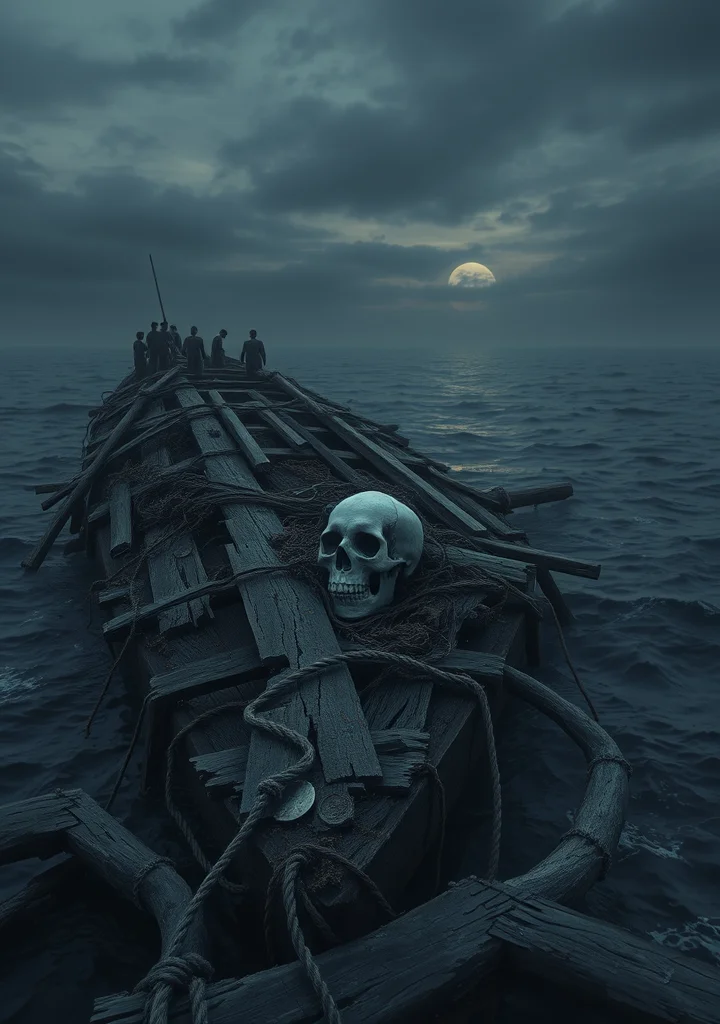
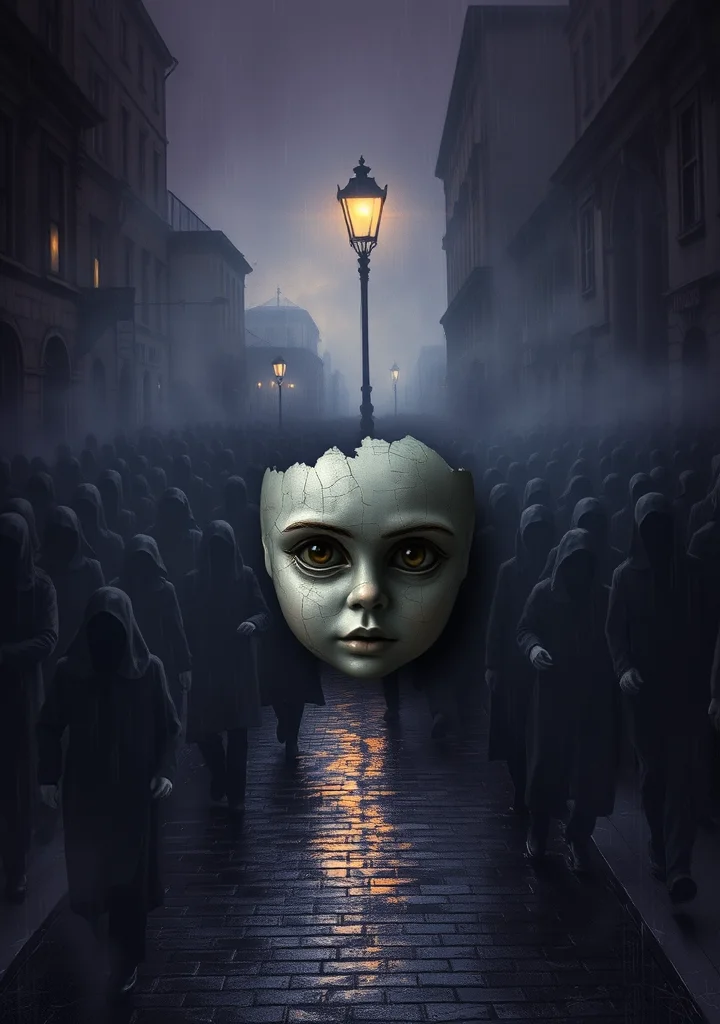
A creeping dread clings to the crumbling Cornish coast, mirroring the unraveling of Alistair Finch. Returned from the Great War haunted not by shellshock, but by a chilling conviction – a certainty that he is tasked with *preventing* a resurrection. Not of a man, but of an ancient, pagan power stirring within the land itself. The manor, Porthmeor, is less a house than a wound in the landscape, breathing with the same damp rot as Alistair’s fractured mind. His wife, the brittle Evelyn, exists as a phantom limb of his sanity, her devotion laced with a desperate, suffocating piety. As Alistair’s ‘duty’ compels him towards acts of escalating violence – fueled by visions and whispers carried on the relentless wind – the boundary between his obsession and the encroaching darkness blurs. The scent of brine and decay permeates every stone, every shadowed corner, a suffocating perfume promising not salvation, but a descent into a madness older than the stones themselves. Each tremor in the earth, each raven’s cry, feels like a summoning, drawing Alistair closer to the precipice where his sanity will shatter, and the ancient power will rise again, clad in the ruins of a broken man. It is a slow, suffocating unraveling, steeped in the brine of obsession and the salt of a decaying world.
Copyright: Public Domain
This license allows anyone to use your story for any purpose, including printing, selling, or adapting it into a film freely.
This license allows anyone to use your story for any purpose, including printing, selling, or adapting it into a film freely.
Chapter List
-
« I »📖 Continue Reading
-
« II »
-
« III »
-
« IV »
-
« V »
-
« VI »
-
« VII »
-
« VIII »
-
« IX »
-
« X »
-
« XI »
-
« XII »
-
« XIII »
-
« XIV »
-
« XV »
-
« XVI »
-
« XVII »
-
« XVIII »
-
« XIX »
-
« XX »
-
« Felix »
-
« Ross »
-
« Picus »
-
« When We Were Very Young »
-
« Scylla »
-
« Carston »
-
« Lydia »
-
« Felix »
-
« Clarence »
-
« Mr.Tracy »
-
« In and Out »
-
« Clarence and Scylla »
-
« Carston and Clarence »
33
-
« I »
-
« II »
-
« III »
-
« IV »
-
« V »
-
« VI »
-
« VII »
-
« VIII »
-
« IX »
-
« X »
-
« XI »
-
« XII »
-
« XIII »
-
« XIV »
-
« XV »
-
« XVI »
-
« XVII »
-
« XVIII »
-
« XIX »
-
« XX »
-
« Felix »
-
« Ross »
-
« Picus »
-
« When We Were Very Young »
-
« Scylla »
-
« Carston »
-
« Lydia »
-
« Felix »
-
« Clarence »
-
« Mr.Tracy »
-
« In and Out »
-
« Clarence and Scylla »
-
« Carston and Clarence »
More like this