
-
Read 934
-
0
-
Part 52
Completed, First published Mar 02, 2026
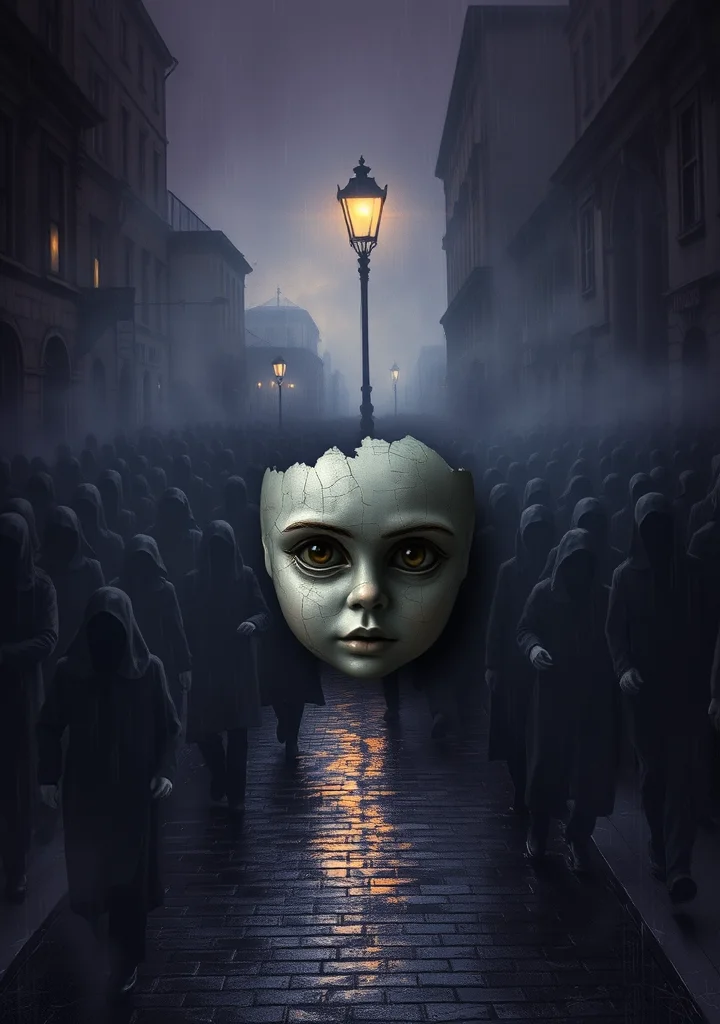
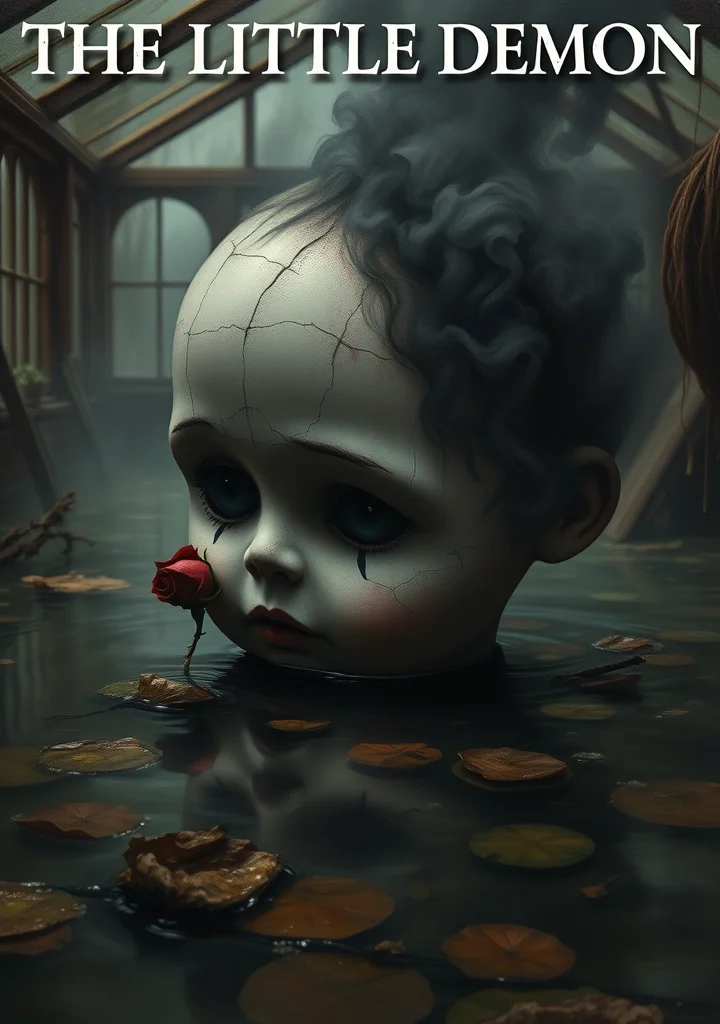
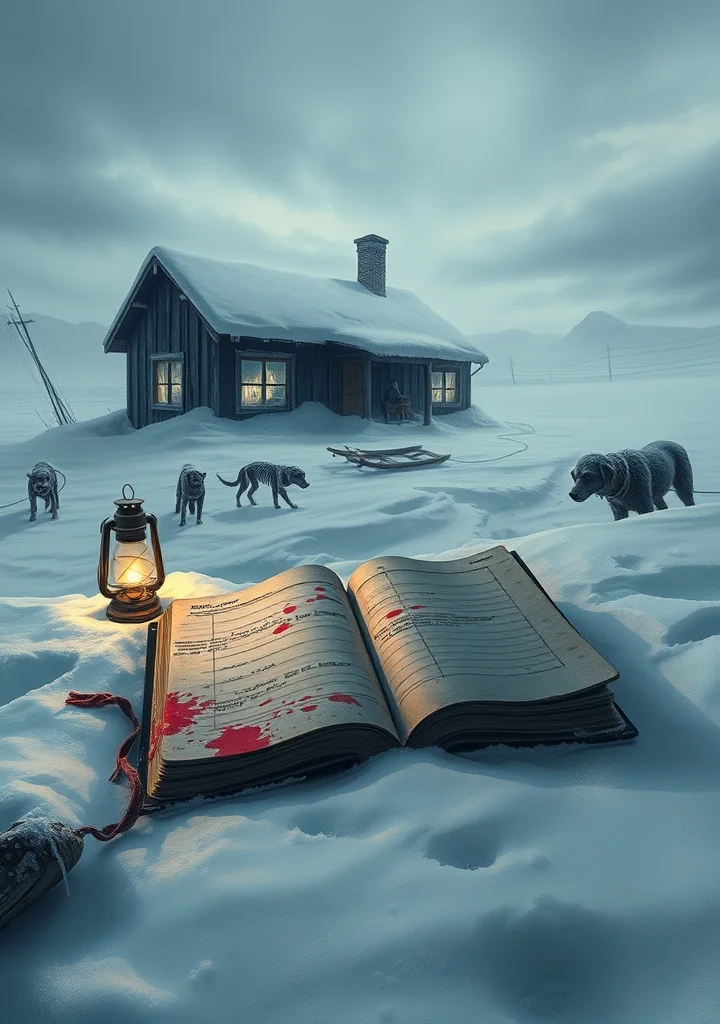
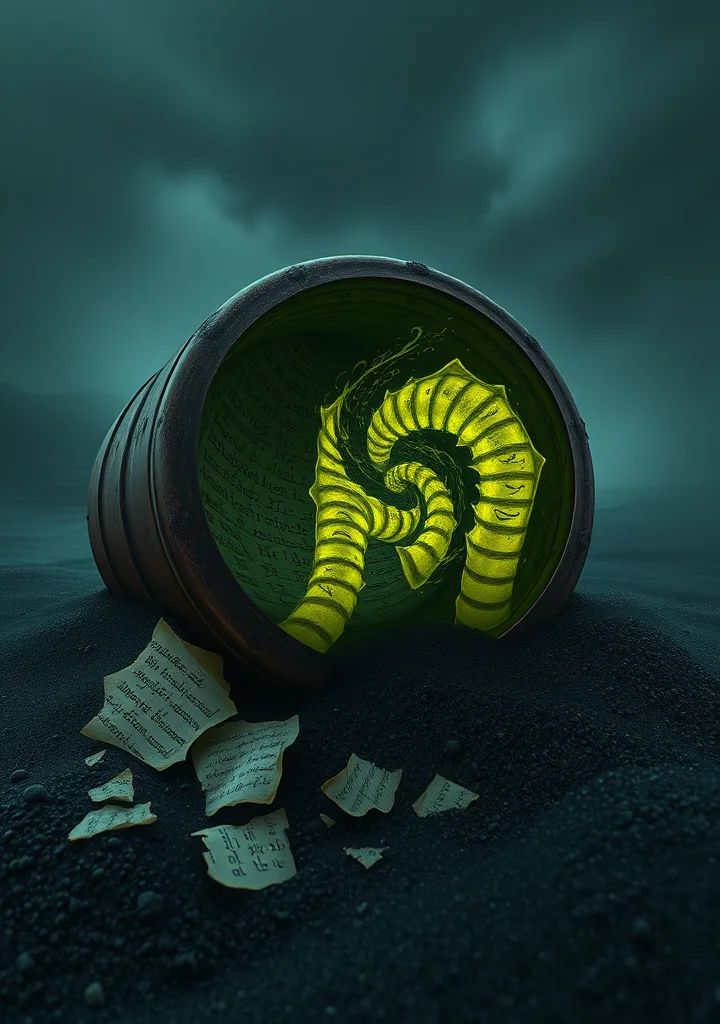
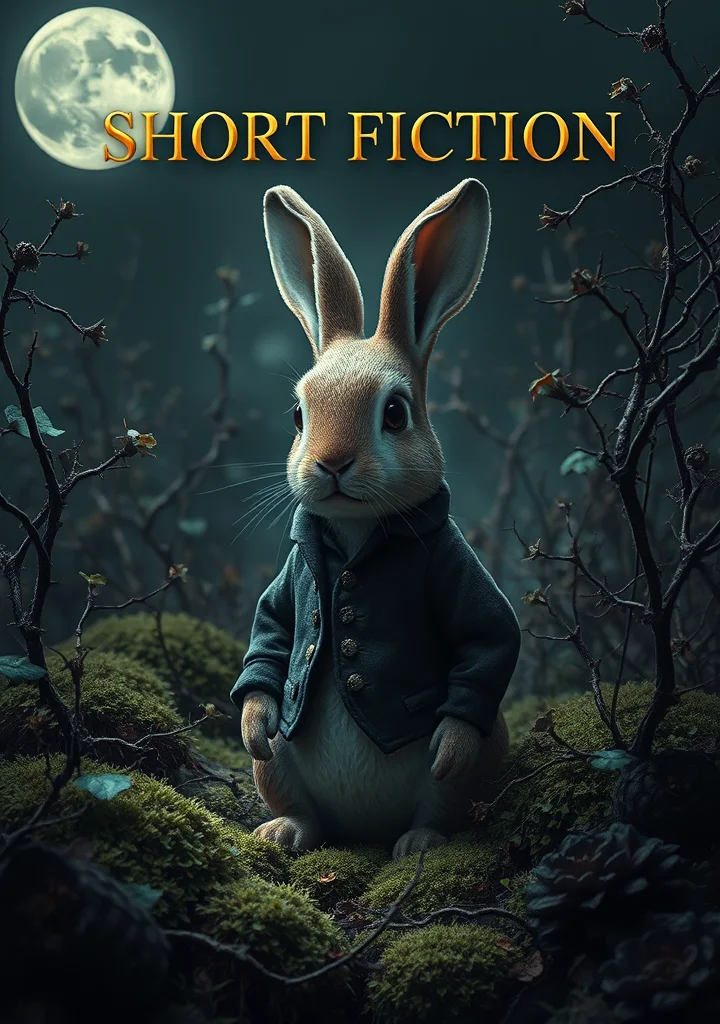
A creeping dread clings to the moss-covered stones of forgotten gardens. Though ostensibly tales for children, these stories bleed into something far older, echoing with the chill of damp earth and the rustle of unseen wings. Each miniature world—a waistcoat-wearing rabbit lost in a decaying estate, a mischievous mouse skirting the shadowed corners of a pantry—is rendered with an unnerving precision, as if sketched from memory by a ghost. The domesticity is a brittle shell, threatening to crack and reveal the wild, untamed heart of the woods within. Sunlight feels like a fading memory, replaced by the perpetual twilight of root-bound secrets and the echoing silence of empty burrows. A subtle decay permeates every page, the scent of mildew and dust clinging to the illustrations like cobwebs. These aren't stories to soothe, but to unsettle—to remind you of the things that lurk just beyond the threshold, in the hollows of trees and beneath the floorboards, waiting for the last flicker of warmth to extinguish. A quiet terror, blooming in miniature, within the very heart of the English countryside.
Copyright: Public Domain
This license allows anyone to use your story for any purpose, including printing, selling, or adapting it into a film freely.
This license allows anyone to use your story for any purpose, including printing, selling, or adapting it into a film freely.
Chapter List
-
« The Tale of Peter Rabbit »📖 Continue Reading
-
« The Tale of Squirrel Nutkin »
-
« Chapter_5 »
-
« Chapter_6 »
-
« Chapter_7 »
-
« The Tale of Benjamin Bunny »
-
« Chapter_9 »
-
« Chapter_10 »
-
« The Tale of Two Bad Mice »
-
« Chapter_12 »
-
« Chapter_13 »
-
« The Tale ofMrs.Tiggy-Winkle »
-
« Chapter_15 »
-
« Chapter_16 »
-
« Chapter_17 »
-
« Chapter_18 »
-
« Chapter_19 »
-
« The Tale ofMr.Jeremy Fisher »
-
« Chapter_21 »
-
« Chapter_22 »
-
« The Story of a Fierce Bad Rabbit »
-
« The Story of Miss Moppet »
-
« The Tale of Tom Kitten »
-
« Chapter_26 »
-
« Chapter_27 »
-
« The Tale of Jemima Puddle-Duck »
-
« Chapter_29 »
-
« Chapter_30 »
-
« The Tale of Samuel Whiskers »
-
« Chapter_32 »
-
« Chapter_33 »
-
« The Tale of the Flopsy Bunnies »
-
« Chapter_35 »
-
« Chapter_36 »
-
« The Tale of Ginger and Pickles »
-
« Chapter_38 »
-
« Chapter_39 »
-
« The Tale ofMrs.Tittlemouse »
-
« Chapter_41 »
-
« Chapter_42 »
-
« The Tale of Timmy Tiptoes »
-
« Chapter_44 »
-
« Chapter_45 »
-
« The Tale ofMr.Tod »
-
« Chapter_47 »
-
« Chapter_48 »
-
« The Tale of Pigling Bland »
-
« Chapter_50 »
-
« Chapter_51 »
-
« The Tale of Johnny Town-Mouse »
-
« Chapter_53 »
-
« Chapter_54 »
52
-
« The Tale of Peter Rabbit »
-
« The Tale of Squirrel Nutkin »
-
« Chapter_5 »
-
« Chapter_6 »
-
« Chapter_7 »
-
« The Tale of Benjamin Bunny »
-
« Chapter_9 »
-
« Chapter_10 »
-
« The Tale of Two Bad Mice »
-
« Chapter_12 »
-
« Chapter_13 »
-
« The Tale ofMrs.Tiggy-Winkle »
-
« Chapter_15 »
-
« Chapter_16 »
-
« Chapter_17 »
-
« Chapter_18 »
-
« Chapter_19 »
-
« The Tale ofMr.Jeremy Fisher »
-
« Chapter_21 »
-
« Chapter_22 »
-
« The Story of a Fierce Bad Rabbit »
-
« The Story of Miss Moppet »
-
« The Tale of Tom Kitten »
-
« Chapter_26 »
-
« Chapter_27 »
-
« The Tale of Jemima Puddle-Duck »
-
« Chapter_29 »
-
« Chapter_30 »
-
« The Tale of Samuel Whiskers »
-
« Chapter_32 »
-
« Chapter_33 »
-
« The Tale of the Flopsy Bunnies »
-
« Chapter_35 »
-
« Chapter_36 »
-
« The Tale of Ginger and Pickles »
-
« Chapter_38 »
-
« Chapter_39 »
-
« The Tale ofMrs.Tittlemouse »
-
« Chapter_41 »
-
« Chapter_42 »
-
« The Tale of Timmy Tiptoes »
-
« Chapter_44 »
-
« Chapter_45 »
-
« The Tale ofMr.Tod »
-
« Chapter_47 »
-
« Chapter_48 »
-
« The Tale of Pigling Bland »
-
« Chapter_50 »
-
« Chapter_51 »
-
« The Tale of Johnny Town-Mouse »
-
« Chapter_53 »
-
« Chapter_54 »
More like this