
Yashka
  • 225
  • 0
  • 28
  • Reads 225
  • 0
  • Part 28
Completed, First published Mar 02, 2026

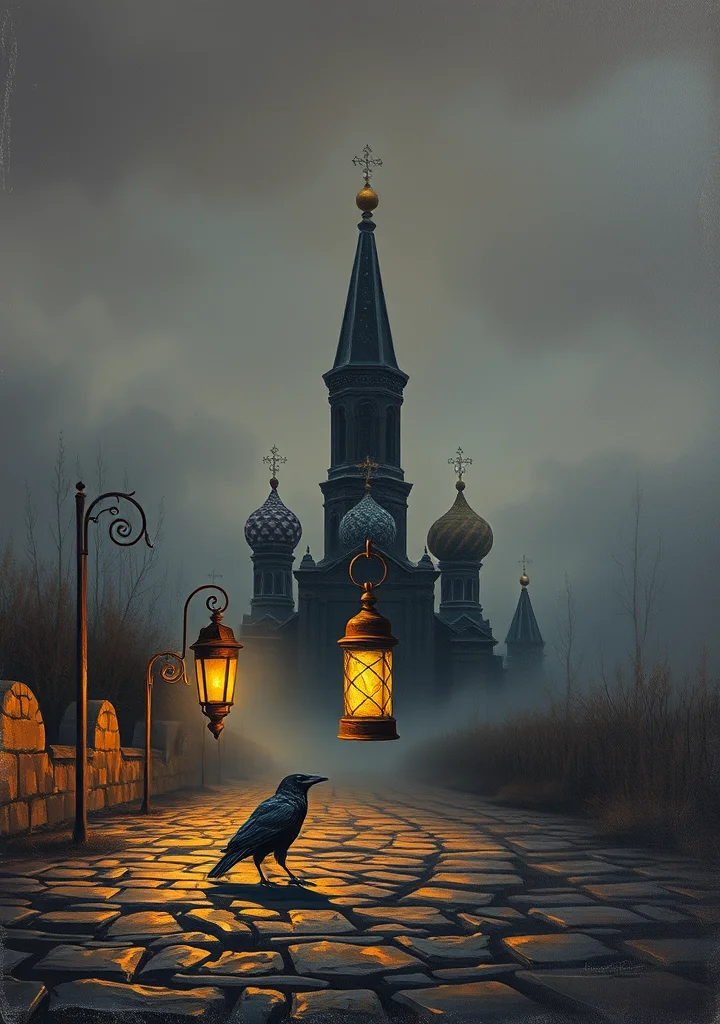
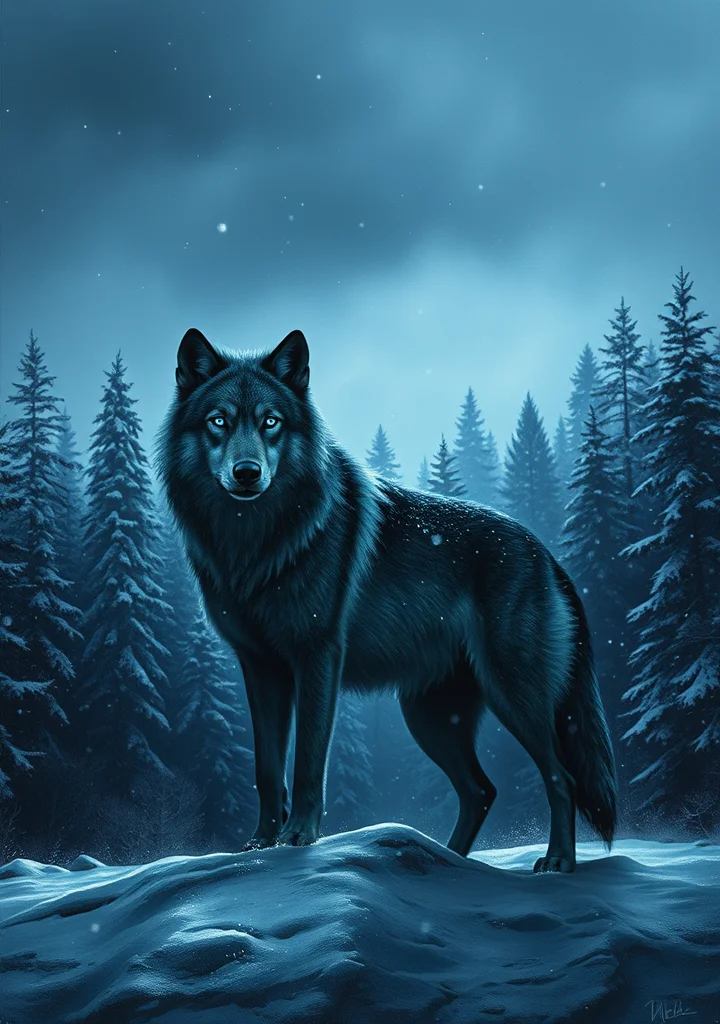
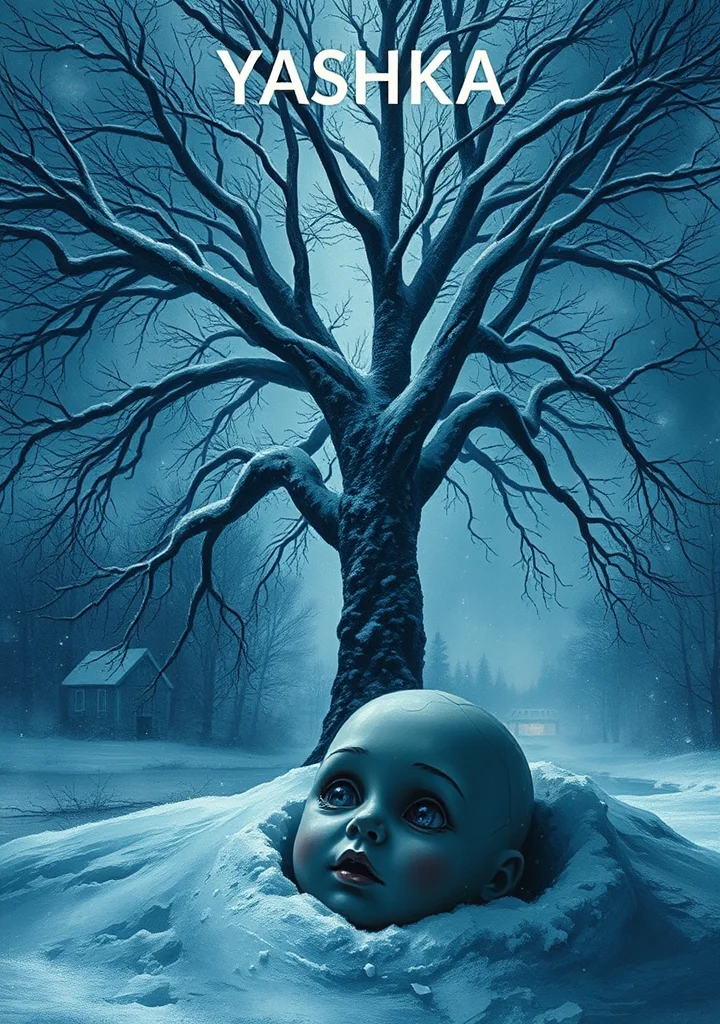
A creeping dread clings to the birch forests and frozen rivers of Yashka. The novel exhales a winter’s breath of isolation—a slow suffocation within a village haunted by the ghosts of its own making. Every shadow stretches too long in the perpetual twilight, mirroring the unraveling sanity of its inhabitants. It is a place where the line between reality and fever dream dissolves into the snow-drifted earth. A suffocating weight presses down from the vast, indifferent sky as the narrative coils around whispered superstitions and the desperate bargains struck with a wilderness that demands a terrible price. The air tastes of brine and decay, and the silence is fractured by the brittle crack of ice—a sound that echoes the fracturing of a woman’s soul. There is a bone-deep chill, not just from the landscape, but from the things buried beneath it, and within the hollowed-out shells of those who remain. The story unfolds like a frost bloom—beautiful, delicate, and utterly, irrevocably lethal. It is a descent into a heart of darkness where the wolves howl with a hunger that mirrors the one growing within the village’s heart.
Copyright: Public Domain
This license allows anyone to use your story for any purpose, including printing, selling, or adapting it into a film freely.
Recommended for you
21 Part
A suffocating miasma hangs over the provincial heartland of Russia, clinging to decaying estates and the spectral ambitions of its masters. Here, amidst crumbling manor houses and the relentless expanse of frozen fields, a man named Chichikov arrives, not seeking land, but the very *absence* of it. He purchases not living flesh, but the names of deceased serfs – ‘dead souls’ – to resurrect them on paper, claiming their phantom holdings for his own avarice. The air is thick with the stench of rot – not just of bodies in shallow graves, but of a society consumed by stagnation and parasitic need. Each provincial town is a mausoleum of faded grandeur, haunted by the petty tyrannies of landlords and the hollow echoes of their wasted lives. A creeping dread permeates the narrative, a sense that this isn’t merely a comedy of manners, but a descent into a perverse, bureaucratic hell. The landscape itself seems to mirror the moral decay, a grey, skeletal world where the boundaries between reality and nightmare blur. Fog clings to the roads, obscuring the faces of those encountered, hinting at hidden sins and the festering secrets buried within the soil. Chichikov’s journey is a macabre pilgrimage through a realm of spectral possession, where the ghosts of the dead are both commodity and curse, and the living are already half-rotted by their own corruption. The novel doesn't simply *tell* of decay; it *breathes* it, a suffocating weight pressing down on the reader, leaving a lingering chill long after the final page is turned.
23 Part
A creeping fog clings to the London streets, mirroring the decay within the soul of Marius, a man thrust back into a world he barely remembers—a world fractured by the Great War and shadowed by a primal, creeping dread. Chesterton weaves a tale not of heroism or triumph, but of endurance, of a being *too* innocent for a world drowning in its own justifications. The narrative unfolds as a fragmented confession, delivered by a man unbound from time’s usual moorings, his perspective both alien and disturbingly familiar. The city itself becomes a labyrinth of echoing grief, each cobblestone slick with the residue of forgotten horrors. Marius’s return is not a resurrection, but a haunting—he exists as a witness to the brutal arithmetic of modern existence, a silent observer as humanity dismantles its own sanctity. The atmosphere is thick with the scent of coal smoke and something older, something akin to the earth’s slow, indifferent exhale. He is neither angel nor demon, but a stark, unsettling presence, forcing those he encounters to confront the uncomfortable truth of their own compromised faith. The novel doesn’t offer resolution, but a slow unraveling of certainty, a descent into the quiet desperation of a man who sees too clearly the scaffolding of a broken world—and the chilling beauty of its enduring, terrible logic. It is a study in the endurance of the spirit, but the spirit is not merely human, and its survival is not a comfort, but a persistent, unsettling echo in the ruins.