
-
Read 604
-
0
-
Part 51
Completed, First published Mar 02, 2026
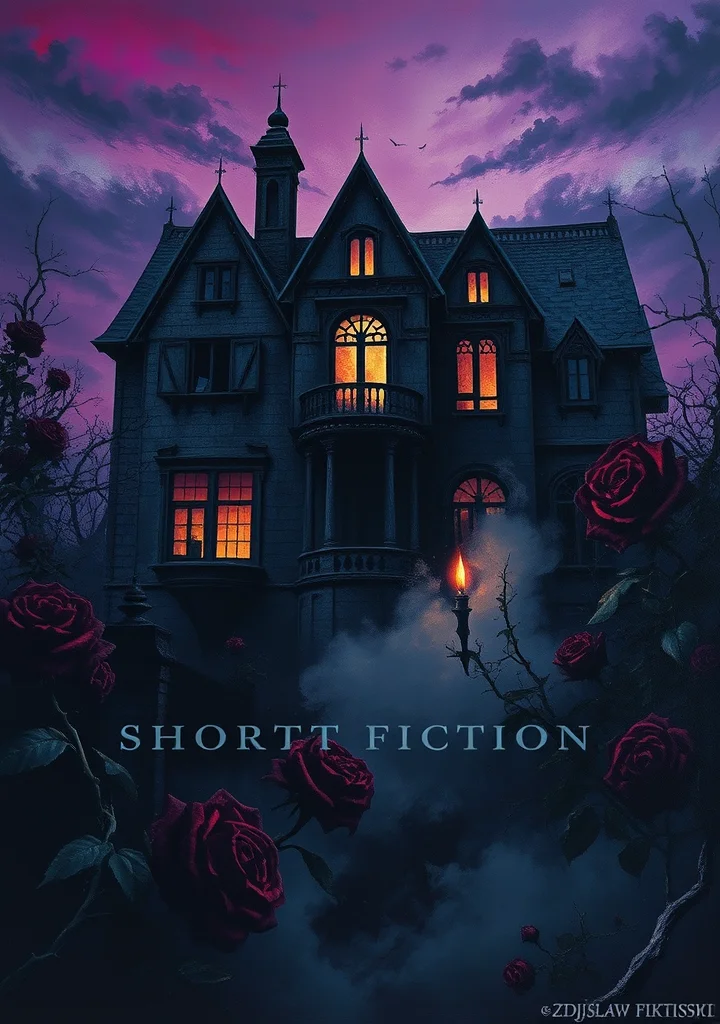
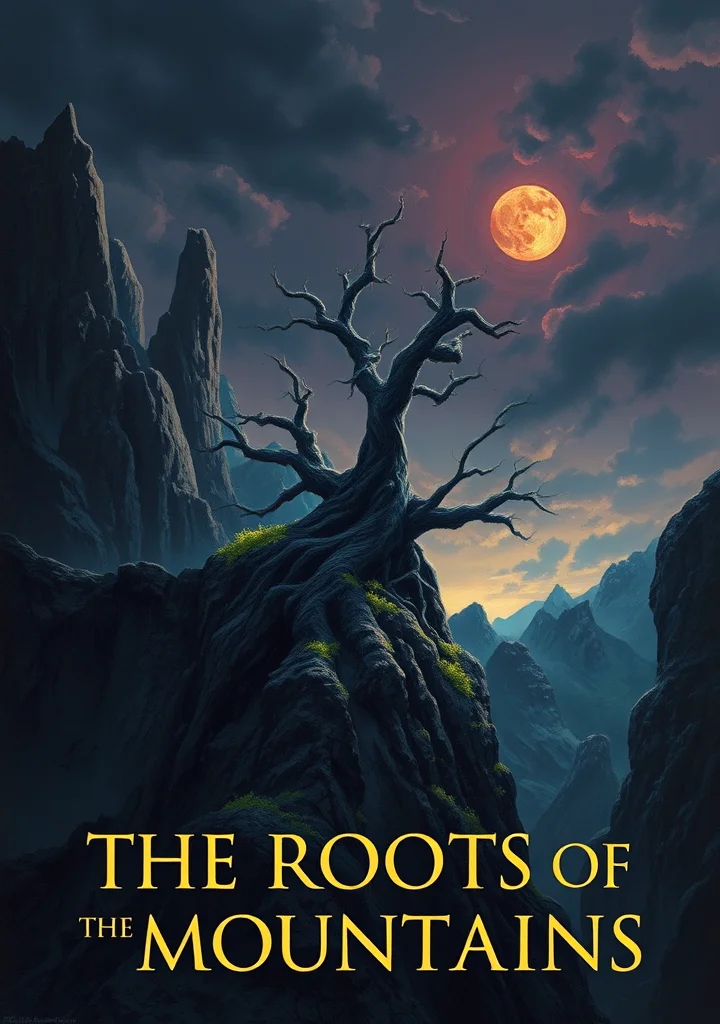
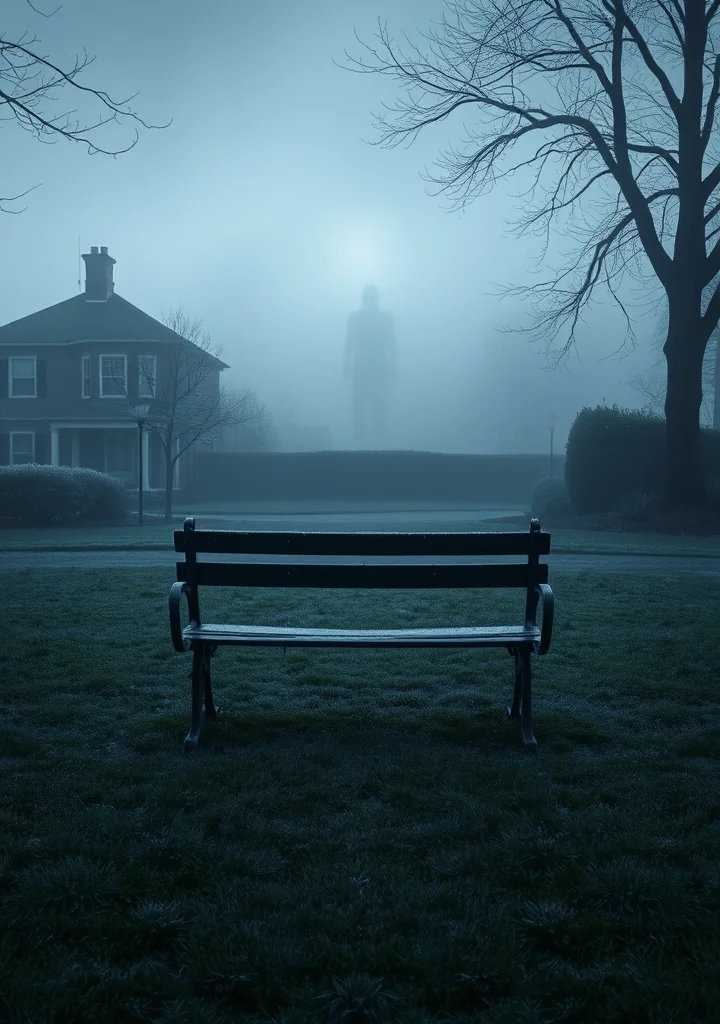
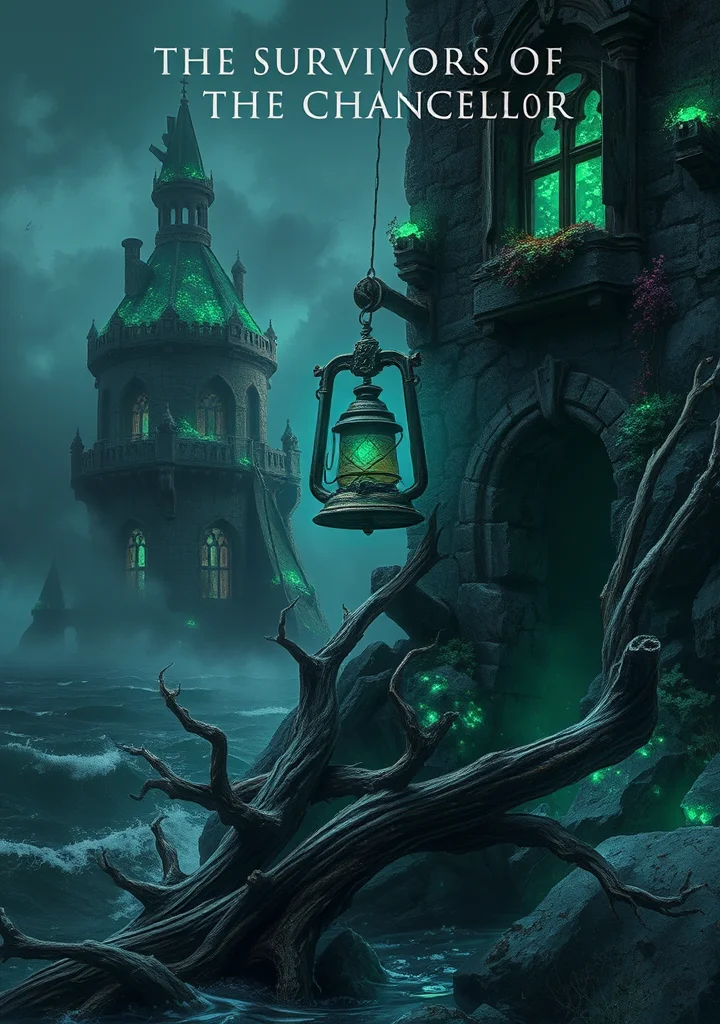
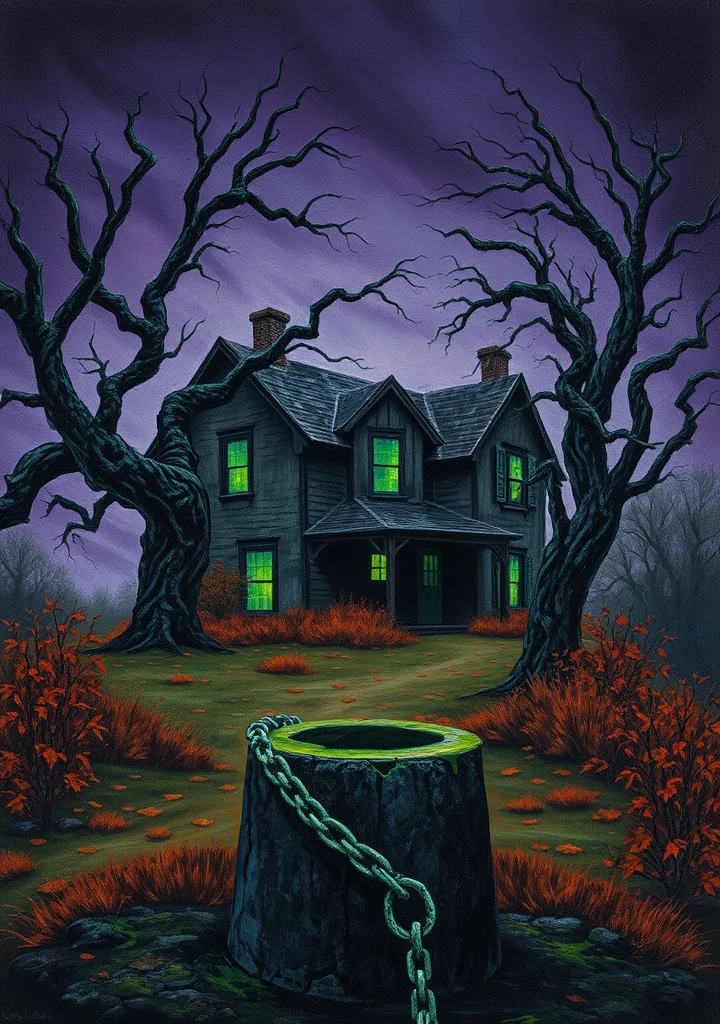
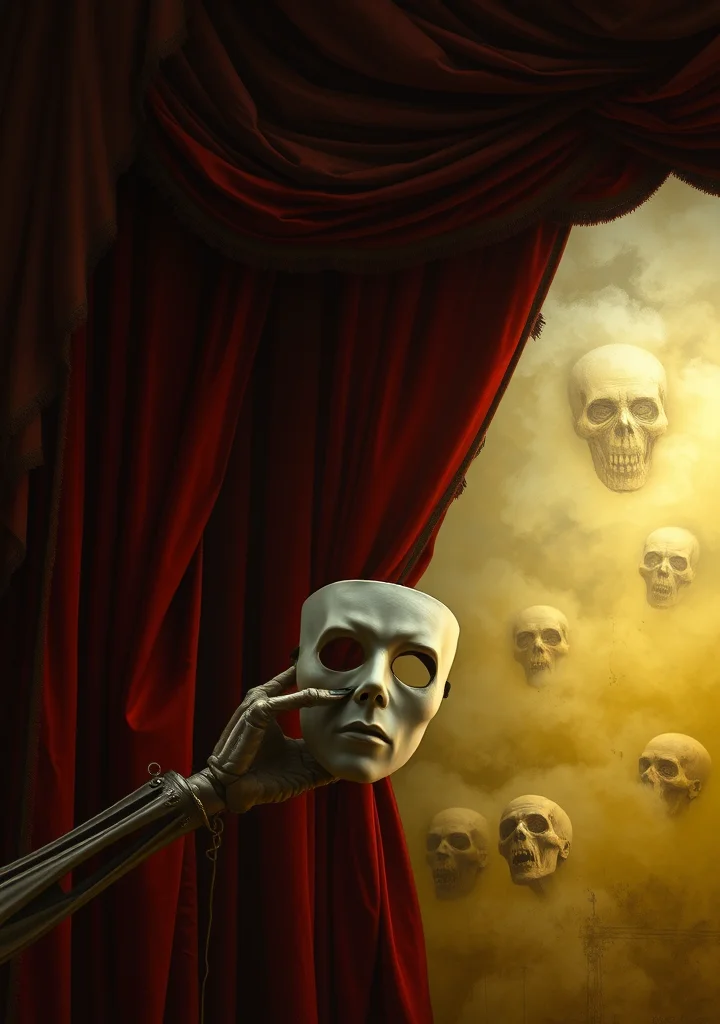
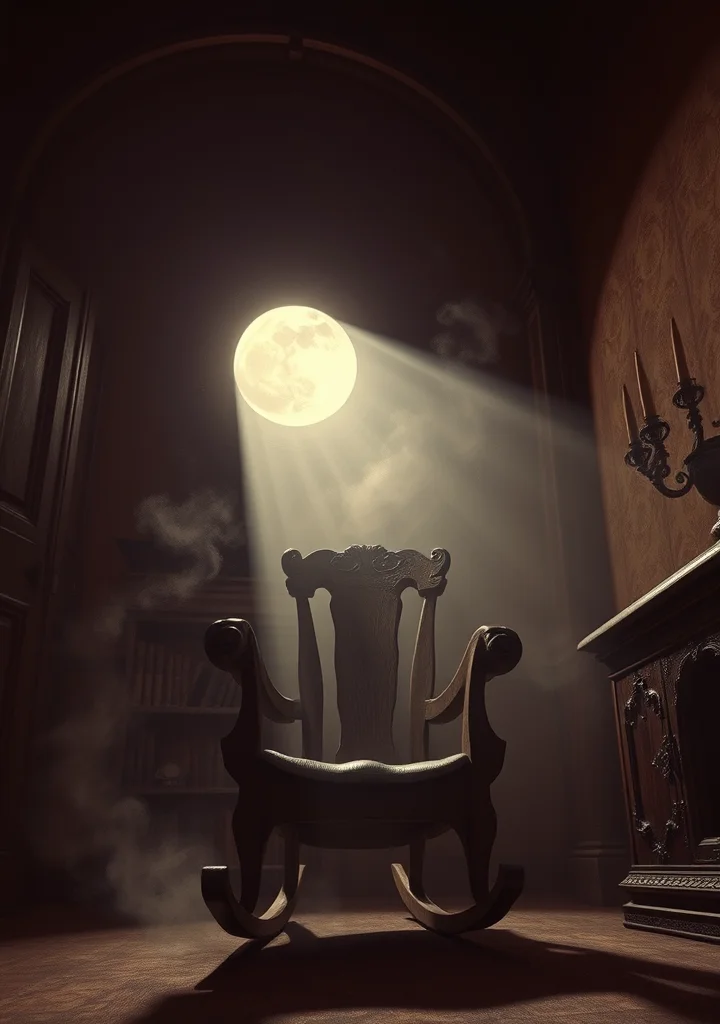
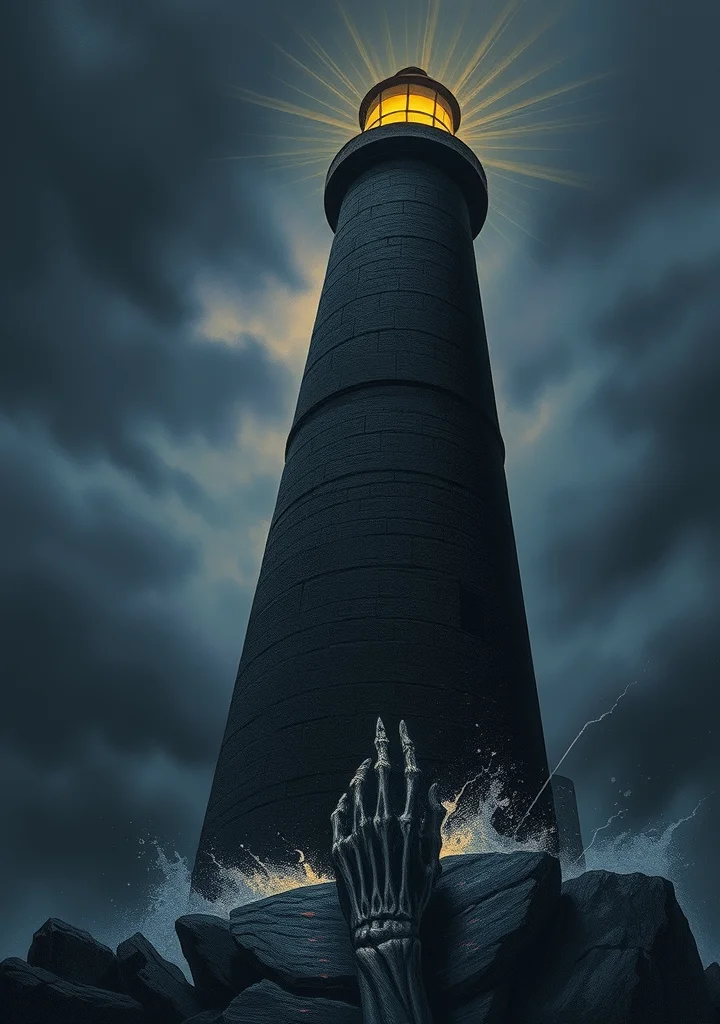
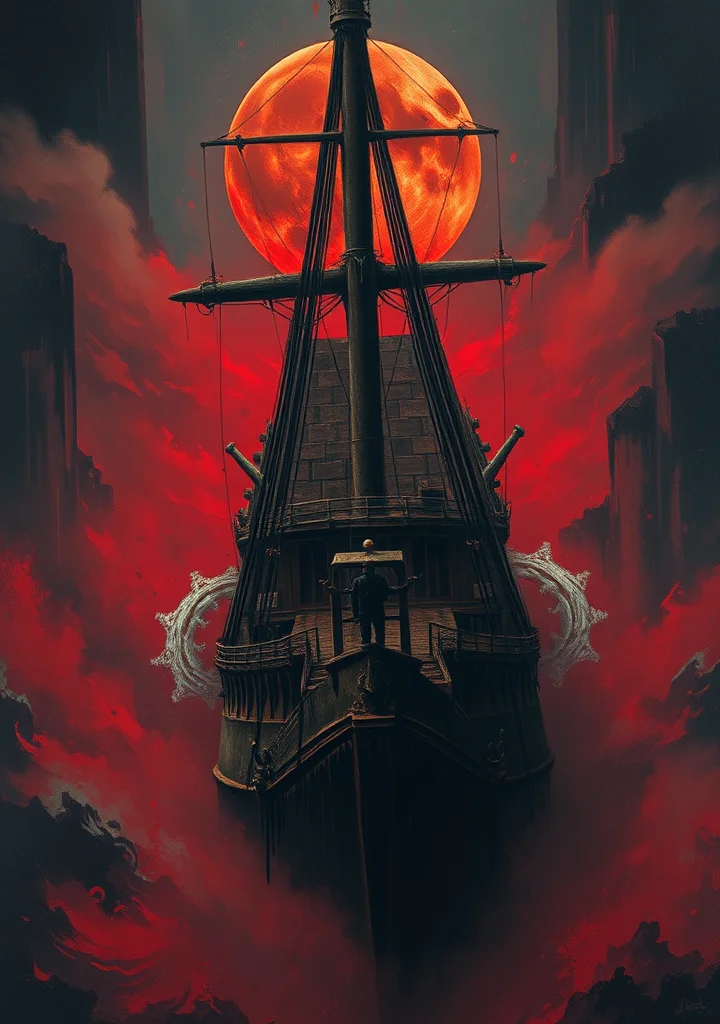
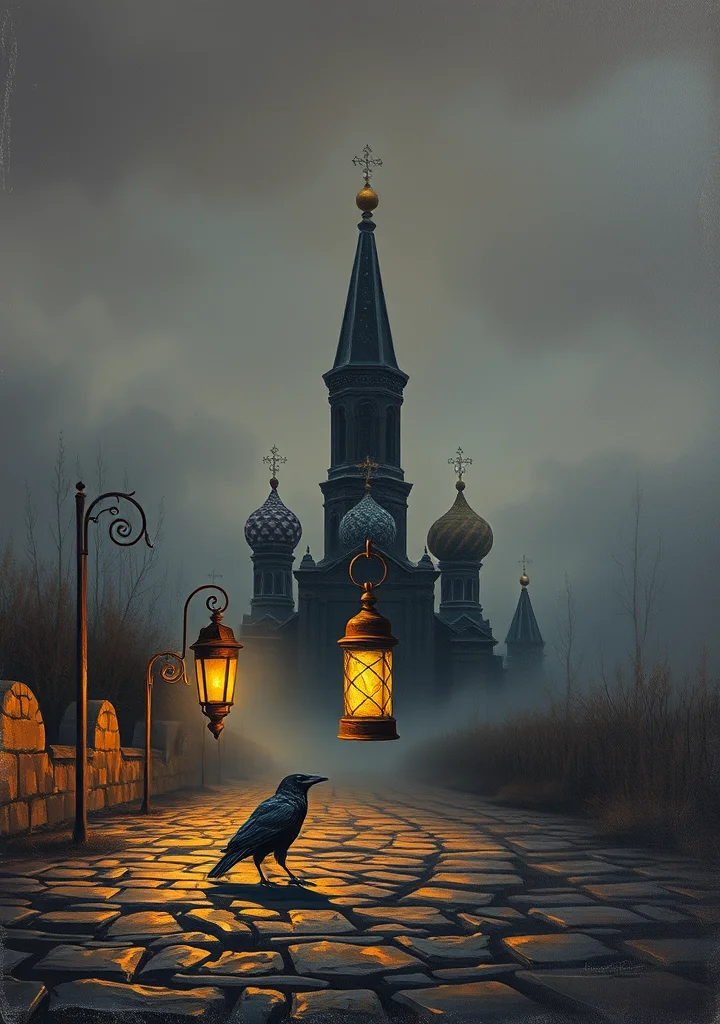
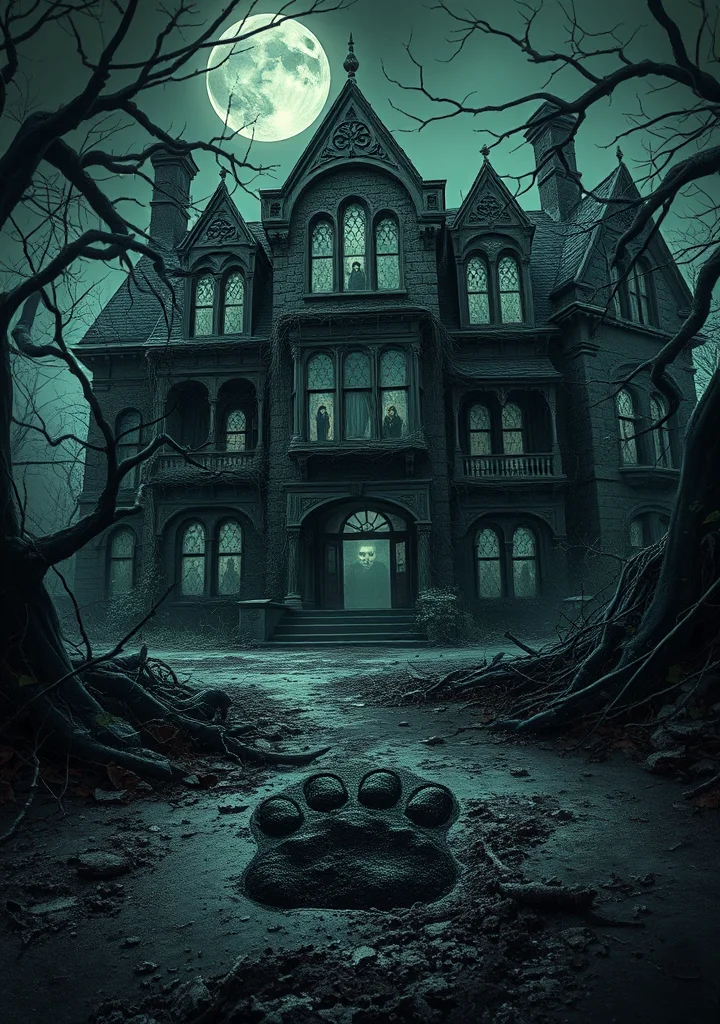
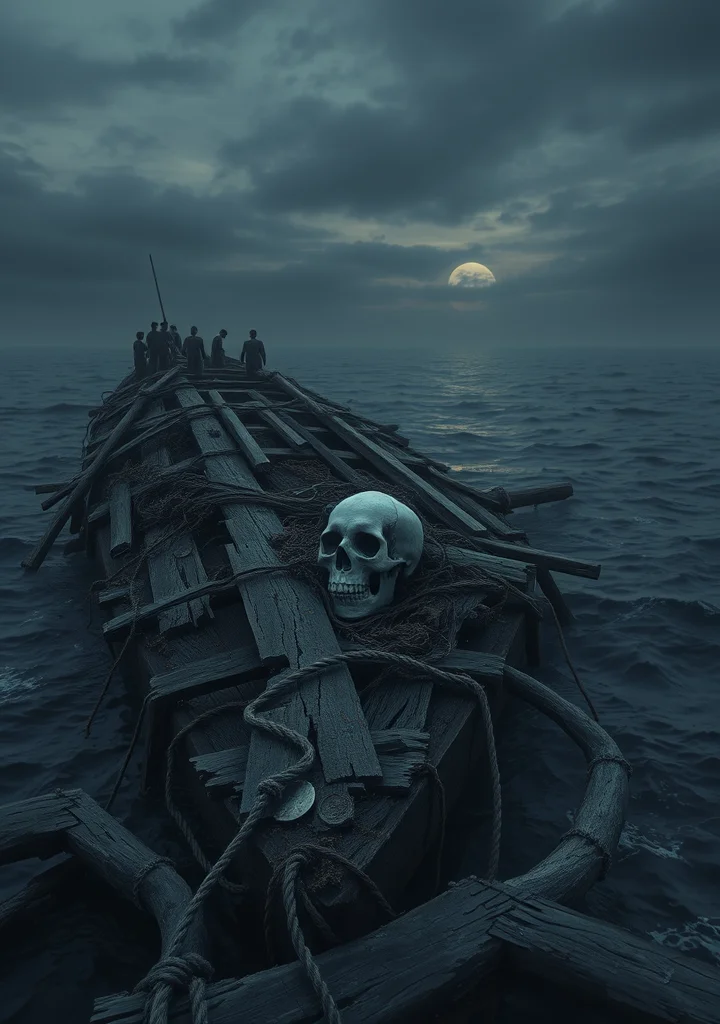
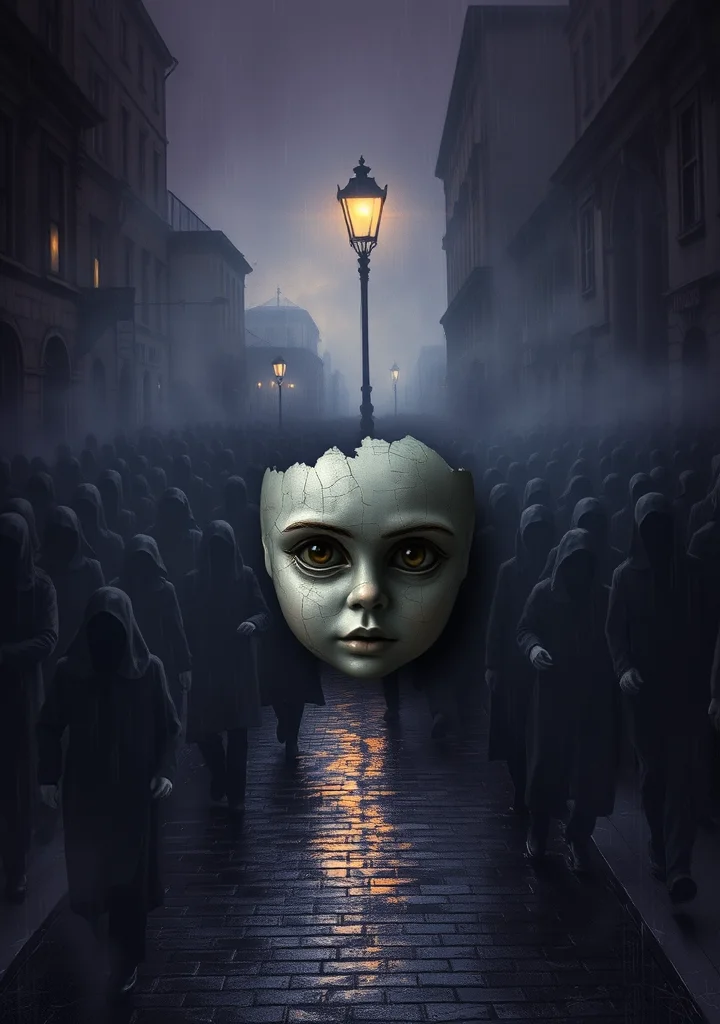
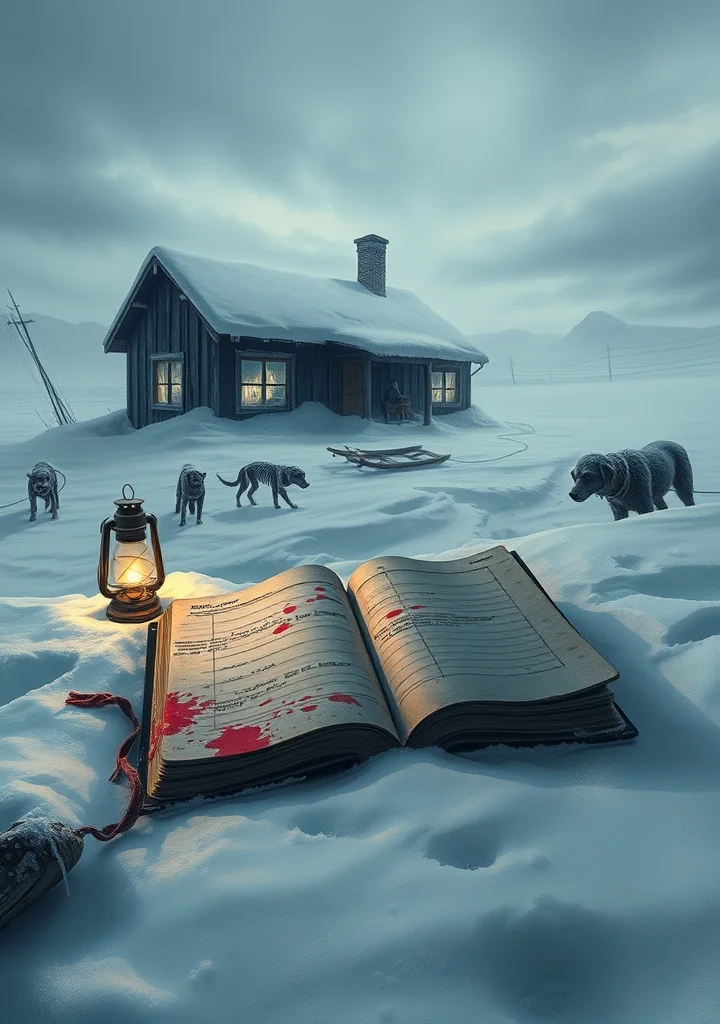
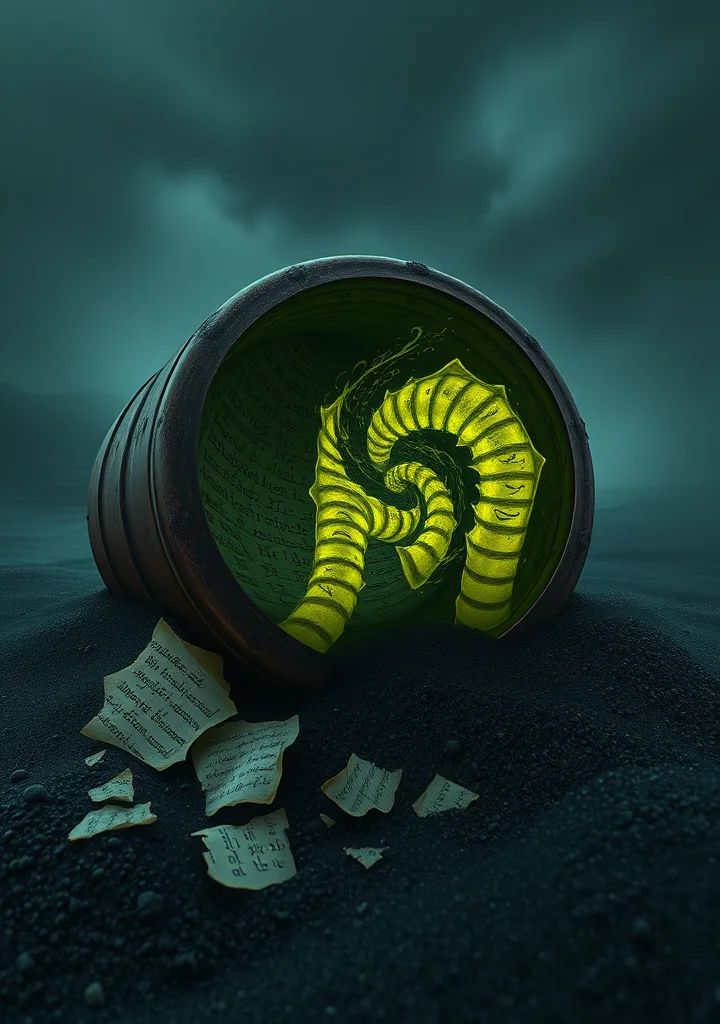
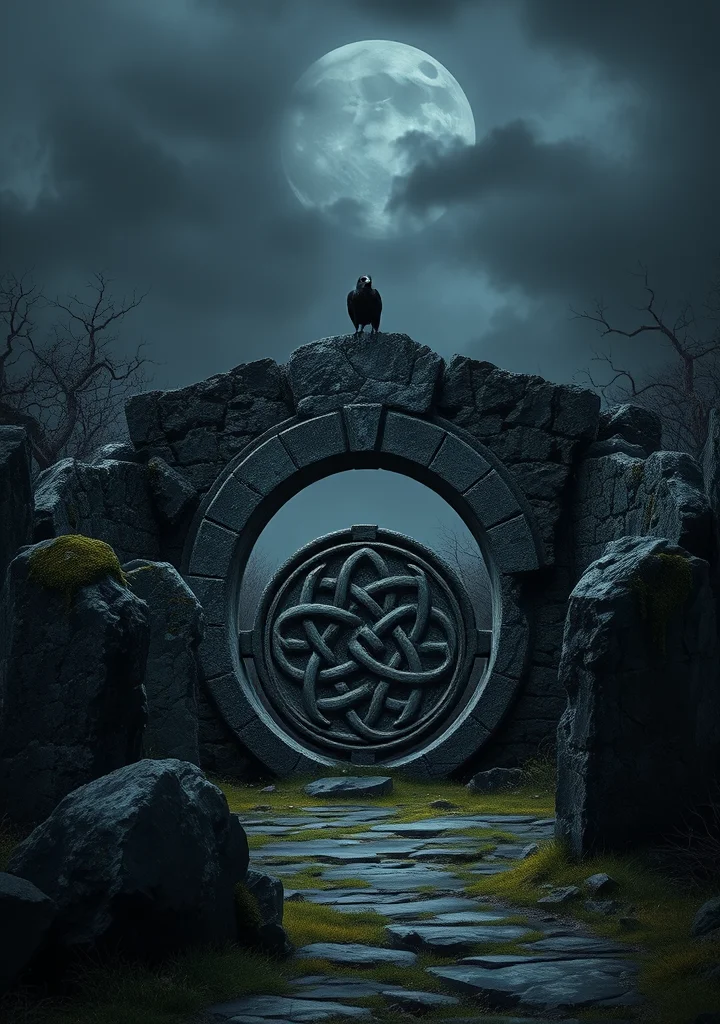
A creeping dread clings to these tales, born of Welsh hills and shadowed lanes where the ancient gods stir beneath a veneer of modernity. Machen doesn’t deal in simple hauntings, but in the unraveling of the rational mind, revealing glimpses of a reality just beyond the periphery of perception. Cobwebs thicken not just in forgotten attics, but within the very structure of memory, distorting faces and lengthening shadows. Each story is a descent—not into madness, but into a primal awareness of something immense and coldly indifferent observing humanity. The scent of damp earth and decaying wood permeates every page, laced with the chilling echo of rituals performed in the darkness before the dawn of reason. These are not stories of ghosts, but of the things ghosts *fear*. A suffocating claustrophobia descends as the boundaries between dream and waking dissolve, leaving one adrift in a landscape of whispering stones and the hollow gaze of figures glimpsed through rain-streaked windows. The silences between the lines are as potent as the words themselves, promising a glimpse of the awful majesty lurking in the corners of the world.
Copyright: Public Domain
This license allows anyone to use your story for any purpose, including printing, selling, or adapting it into a film freely.
This license allows anyone to use your story for any purpose, including printing, selling, or adapting it into a film freely.
Chapter List
-
« Short Fiction »📖 Continue Reading
-
« The Great God Pan »
-
« I »
-
« II »
-
« III »
-
« IV »
-
« V »
-
« VI »
-
« VII »
-
« Chapter_11 »
-
« The Inmost Light »
-
« I »
-
« II »
-
« III »
-
« IV »
-
« V »
-
« The White People »
-
« Prologue »
-
« Epilogue »
-
« A Fragment of Life »
-
« I »
-
« II »
-
« III »
-
« IV »
-
« The Bowmen »
-
« The Soldiers’ Rest »
-
« Chapter_29 »
-
« Chapter_30 »
-
« The Great Return »
-
« I »
-
« II »
-
« III »
-
« IV »
-
« V »
-
« VI »
-
« VII »
-
« The Terror »
-
« I »
-
« II »
-
« III »
-
« IV »
-
« V »
-
« VI »
-
« VII »
-
« VIII »
-
« IX »
-
« X »
-
« XI »
-
« XII »
-
« XIII »
-
« XIV »
51
-
« Short Fiction »
-
« The Great God Pan »
-
« I »
-
« II »
-
« III »
-
« IV »
-
« V »
-
« VI »
-
« VII »
-
« Chapter_11 »
-
« The Inmost Light »
-
« I »
-
« II »
-
« III »
-
« IV »
-
« V »
-
« The White People »
-
« Prologue »
-
« Epilogue »
-
« A Fragment of Life »
-
« I »
-
« II »
-
« III »
-
« IV »
-
« The Bowmen »
-
« The Soldiers’ Rest »
-
« Chapter_29 »
-
« Chapter_30 »
-
« The Great Return »
-
« I »
-
« II »
-
« III »
-
« IV »
-
« V »
-
« VI »
-
« VII »
-
« The Terror »
-
« I »
-
« II »
-
« III »
-
« IV »
-
« V »
-
« VI »
-
« VII »
-
« VIII »
-
« IX »
-
« X »
-
« XI »
-
« XII »
-
« XIII »
-
« XIV »
More like this