
-
Read 805
-
0
-
Part 47
Completed, First published Mar 02, 2026
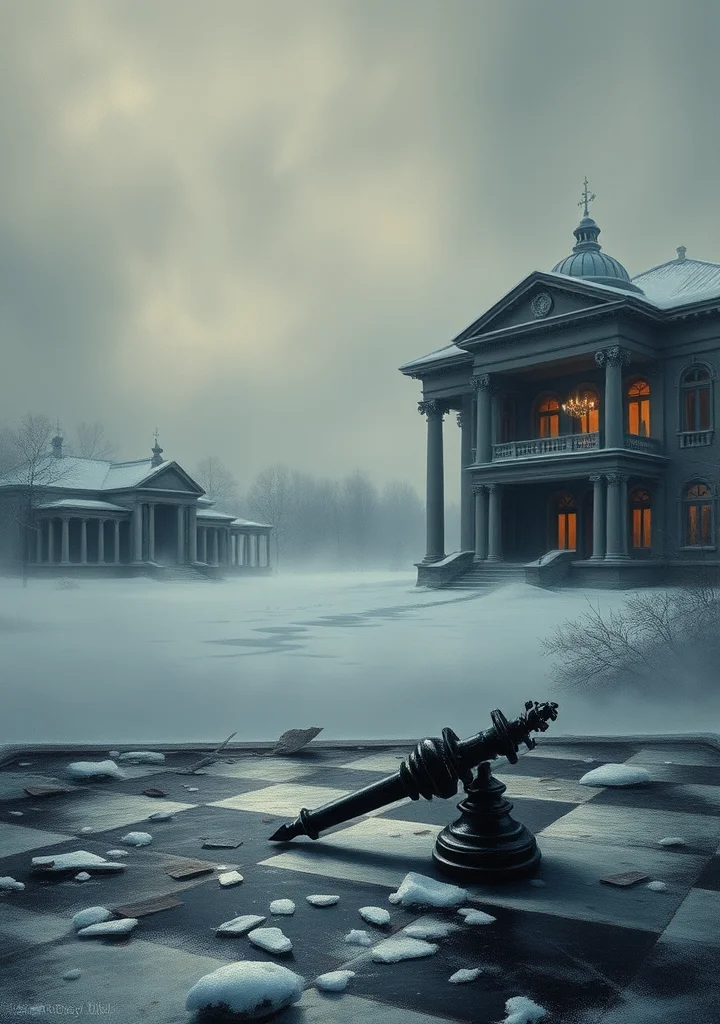
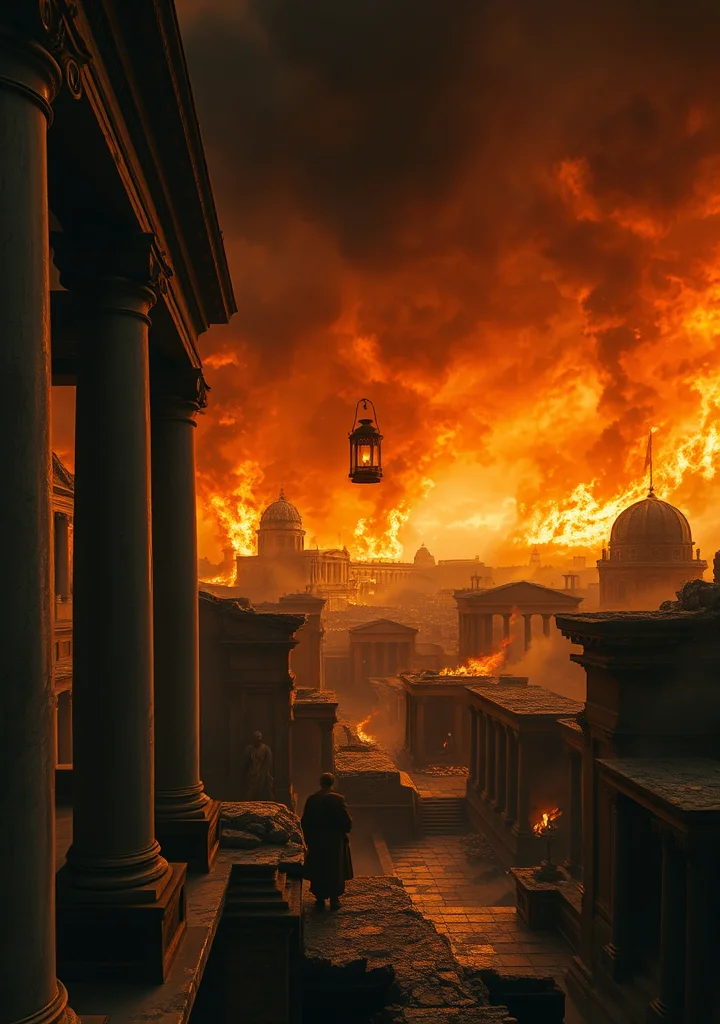
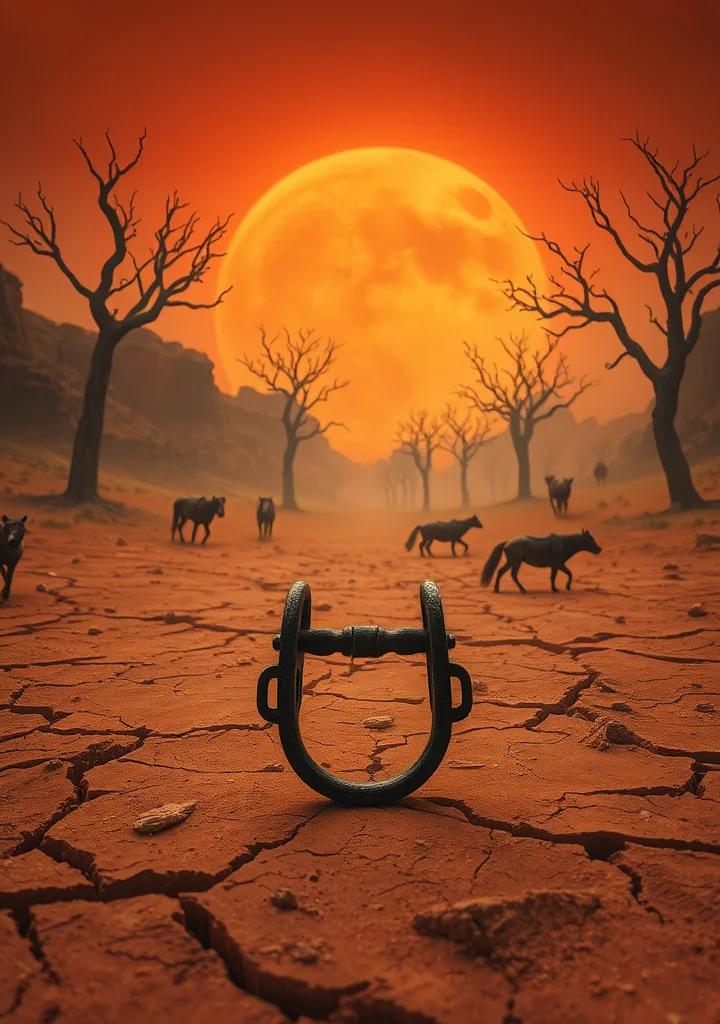
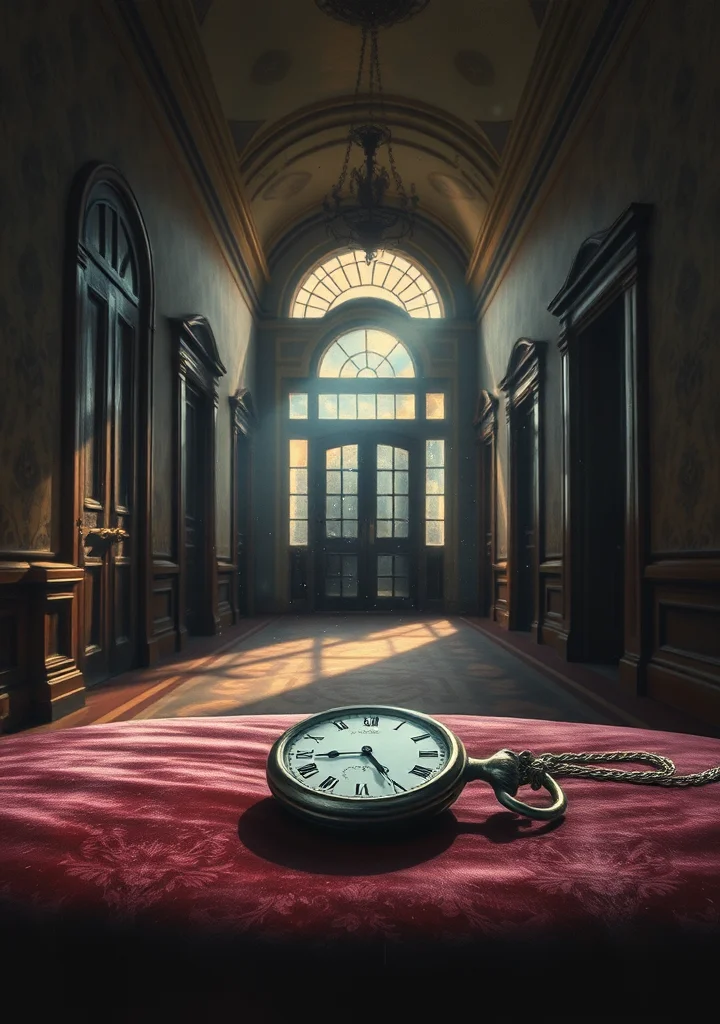
Dust clings to the sun-bleached plains, mirroring the grit that coats the heart of young Stella Farraday. This is a story not of grand romance, but of a slow, creeping suffocation within a landscape that promises freedom yet delivers only the stifling weight of expectation. The Australian bush, rendered not as a vibrant Eden, but as a vast, indifferent witness to a woman’s ambition. Every sun-cracked homestead, every whispered rumour carries the scent of decay – not of flesh, but of potential, of dreams left to wither under the relentless gaze of a society that deems brilliance a dangerous bloom in the female soil.
A loneliness permeates the narrative, a chill that settles not in the weather, but in the silences between polite conversations, in the measured glances of men who see only duty fulfilled. Stella’s defiance isn’t a fiery rebellion, but a quiet erosion of the self, a chipping away at the stone of convention until only the raw, exposed nerve of her intellect remains. The brilliance itself feels less like a beacon and more like a fever – a consuming heat that isolates her within a gilded cage of her own making.
The narrative unfolds like a slow burn, the embers of her passion fanned by the harsh winds of practicality. There's a sense of being watched, not by malicious intent, but by the unforgiving judgement of a world that can’t comprehend a woman daring to choose herself over the prescribed roles. It’s a ghost story of a life unlived, haunting the reader with the question of what blooms in the darkness when a brilliant mind is denied the sun.
Copyright: Public Domain
This license allows anyone to use your story for any purpose, including printing, selling, or adapting it into a film freely.
This license allows anyone to use your story for any purpose, including printing, selling, or adapting it into a film freely.
Chapter List
-
« My Brilliant Career »📖 Continue Reading
-
« Preface »
-
« Introduction »
-
« Special Notice »
-
« My Brilliant Career »
-
« I »
-
« II »
-
« III »
-
« IV »
-
« V »
-
« A Drought Idyll »
-
« VI »
-
« VII »
-
« Self Analysis »
-
« VIII »
-
« IX »
-
« X »
-
« XI »
-
« XII »
-
« XIII »
-
« XIV »
-
« XV »
-
« XVI »
-
« XVII »
-
« XVIII »
-
« XIX »
-
« XX »
-
« XXI »
-
« XXII »
-
« XXIII »
-
« XXIV »
-
« XXV »
-
« XXVI »
-
« XXVII »
-
« XXVIII »
-
« XXIX »
-
« XXX »
-
« XXXI »
-
« XXXII »
-
« XXXIII »
-
« XXXIV »
-
« XXXV »
-
« XXXVI »
-
« XXXVII »
-
« I »
-
« II »
-
« Chapter_48 »
47
-
« My Brilliant Career »
-
« Preface »
-
« Introduction »
-
« Special Notice »
-
« My Brilliant Career »
-
« I »
-
« II »
-
« III »
-
« IV »
-
« V »
-
« A Drought Idyll »
-
« VI »
-
« VII »
-
« Self Analysis »
-
« VIII »
-
« IX »
-
« X »
-
« XI »
-
« XII »
-
« XIII »
-
« XIV »
-
« XV »
-
« XVI »
-
« XVII »
-
« XVIII »
-
« XIX »
-
« XX »
-
« XXI »
-
« XXII »
-
« XXIII »
-
« XXIV »
-
« XXV »
-
« XXVI »
-
« XXVII »
-
« XXVIII »
-
« XXIX »
-
« XXX »
-
« XXXI »
-
« XXXII »
-
« XXXIII »
-
« XXXIV »
-
« XXXV »
-
« XXXVI »
-
« XXXVII »
-
« I »
-
« II »
-
« Chapter_48 »
More like this