
-
Read 957
-
0
-
Part 53
Completed, First published Mar 02, 2026
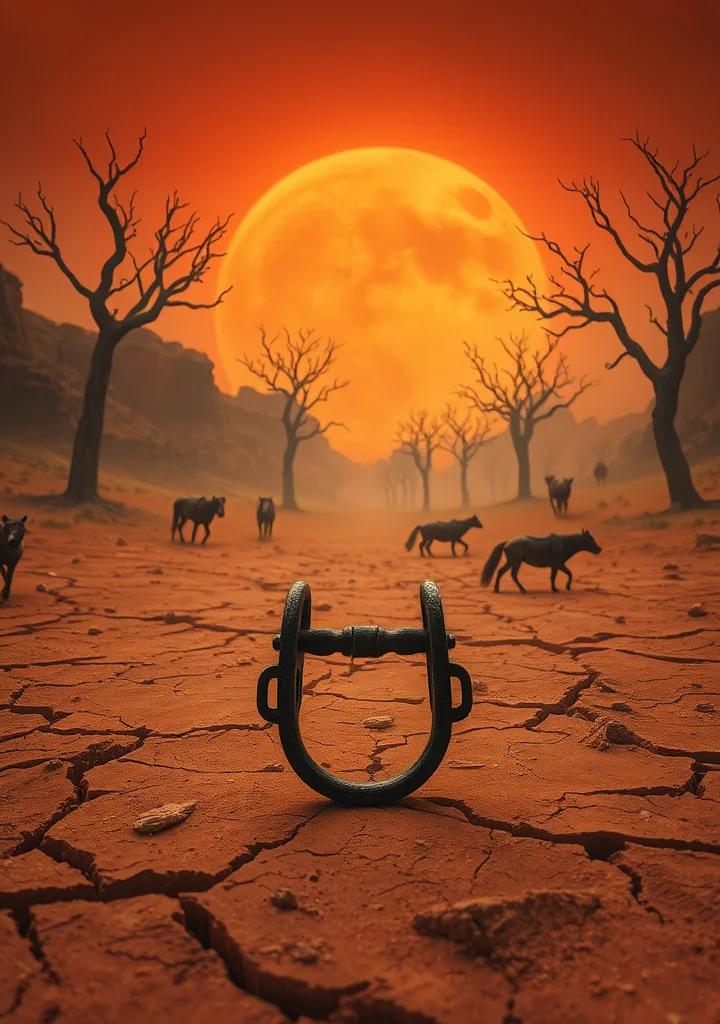
Dust devils whisper across sun-bleached bone, mirroring the unraveling of a life carved from defiance. This is not a chronicle of battles won or lost, but a descent into the sun-scorched heart of a vanishing world. Geronimo doesn’t offer victory, but the echoing silence of canyons after the last war cry. Each recounted raid, each desperate flight, is rendered not as conquest, but as a slow, agonizing bleed of spirit into the unforgiving desert. The voice is fractured, a dry rattle of memory against the encroaching white tide – a phantom limb reaching for a homeland already dissolving into myth.
It smells of woodsmoke and juniper, of blood dried on alkali flats. The prose itself is a landscape: vast, brutal, and punctuated by the stark geometry of grief. There’s no romance here, only the granite stoicism of a man hollowed by loss, haunted by visions of burning villages and the faces of those he could not save. Even the acts of resistance feel less like rebellion and more like a desperate, animalistic clinging to the precipice of oblivion. The story doesn’t *tell* of suffering; it *becomes* suffering, radiating heat and despair like a forgotten grave in the sun. It’s a lament etched in the very stone of the mesas, a prophecy whispered on the wind, warning of what is broken and what can never be mended.
Copyright: Public Domain
This license allows anyone to use your story for any purpose, including printing, selling, or adapting it into a film freely.
This license allows anyone to use your story for any purpose, including printing, selling, or adapting it into a film freely.
Chapter List
-
« Geronimo’s Story of His Life »📖 Continue Reading
-
« Dedicatory »
-
« Preface »
-
« Introductory »
-
« Chapter_7 »
-
« Chapter_8 »
-
« Chapter_9 »
-
« Chapter_10 »
-
« Chapter_11 »
-
« Chapter_12 »
-
« Chapter_13 »
-
« Chapter_14 »
-
« Chapter_15 »
-
« Chapter_16 »
-
« Geronimo’s Story of His Life »
-
« I »
-
« II »
-
« III »
-
« IV »
-
« V »
-
« VI »
-
« PartI »
-
« PartII »
-
« VII »
-
« VIII »
-
« IX »
-
« X »
-
« Raid by White Men »
-
« Mexican Raid »
-
« Apache Raids »
-
« XI »
-
« Battle of White Hill »
-
« XII »
-
« XIII »
-
« XIV »
-
« XV »
-
« XVI »
-
« XVII »
-
« XVIII »
-
« XIX »
-
« XX »
-
« Trials »
-
« Adoption of Children »
-
« “Salt Lake” »
-
« Preparation of a Warrior »
-
« Dances »
-
« A Dance of Thanksgiving »
-
« The War Dance »
-
« Scalp Dance »
-
« A Social Dance »
-
« XXI »
-
« XXII »
-
« XXIII »
53
-
« Geronimo’s Story of His Life »
-
« Dedicatory »
-
« Preface »
-
« Introductory »
-
« Chapter_7 »
-
« Chapter_8 »
-
« Chapter_9 »
-
« Chapter_10 »
-
« Chapter_11 »
-
« Chapter_12 »
-
« Chapter_13 »
-
« Chapter_14 »
-
« Chapter_15 »
-
« Chapter_16 »
-
« Geronimo’s Story of His Life »
-
« I »
-
« II »
-
« III »
-
« IV »
-
« V »
-
« VI »
-
« PartI »
-
« PartII »
-
« VII »
-
« VIII »
-
« IX »
-
« X »
-
« Raid by White Men »
-
« Mexican Raid »
-
« Apache Raids »
-
« XI »
-
« Battle of White Hill »
-
« XII »
-
« XIII »
-
« XIV »
-
« XV »
-
« XVI »
-
« XVII »
-
« XVIII »
-
« XIX »
-
« XX »
-
« Trials »
-
« Adoption of Children »
-
« “Salt Lake” »
-
« Preparation of a Warrior »
-
« Dances »
-
« A Dance of Thanksgiving »
-
« The War Dance »
-
« Scalp Dance »
-
« A Social Dance »
-
« XXI »
-
« XXII »
-
« XXIII »
More like this