
-
Read 1.5K
-
0
-
Part 165
Completed, First published Mar 02, 2026
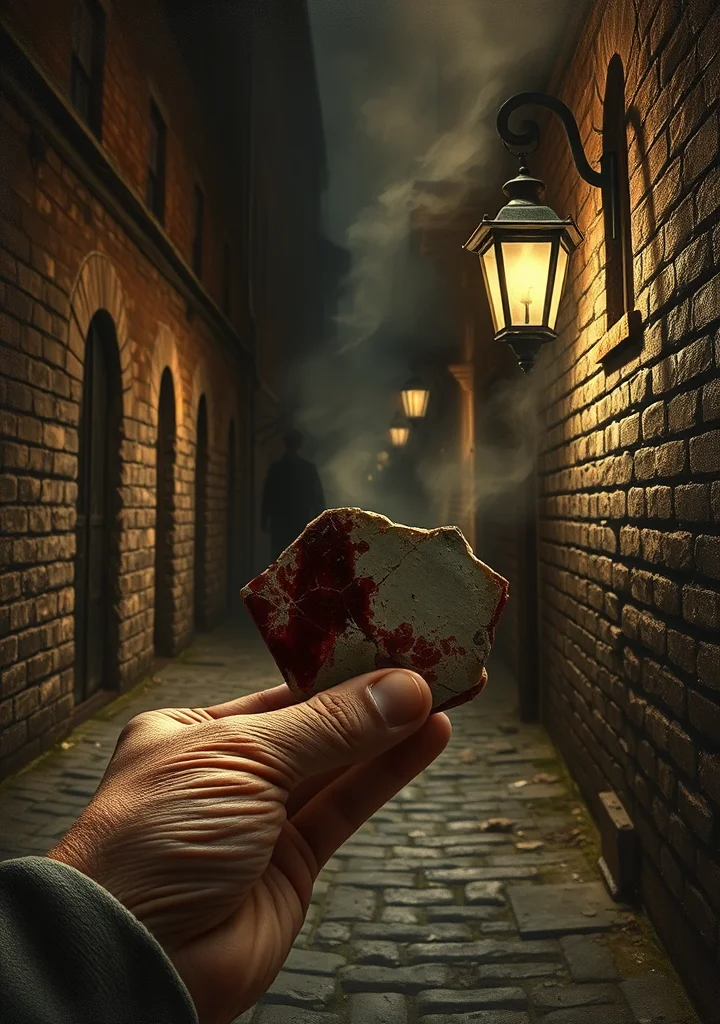
The air hangs thick with woodsmoke and the scent of damp earth, a perpetual twilight clinging to the fringes of England’s last wild spaces. Lavengro unfolds not as a story *told*, but as a half-remembered dream wrestled from the mire of memory, a descent into the shadowed world of the Romani. It breathes with the rhythm of the road, the crackle of fires under star-strewn skies, the rasp of rough-spun cloth against skin.
This is a narrative of stolen moments—a boy adrift, caught between the respectable world and the brutal, beautiful lawlessness of the tinklers and gypsies. But the pull of the wild blood, the lure of a life lived outside the gaze of judgement, is more than mere escape. It’s a reckoning with a past steeped in violence, betrayal, and the haunting echoes of familial curses.
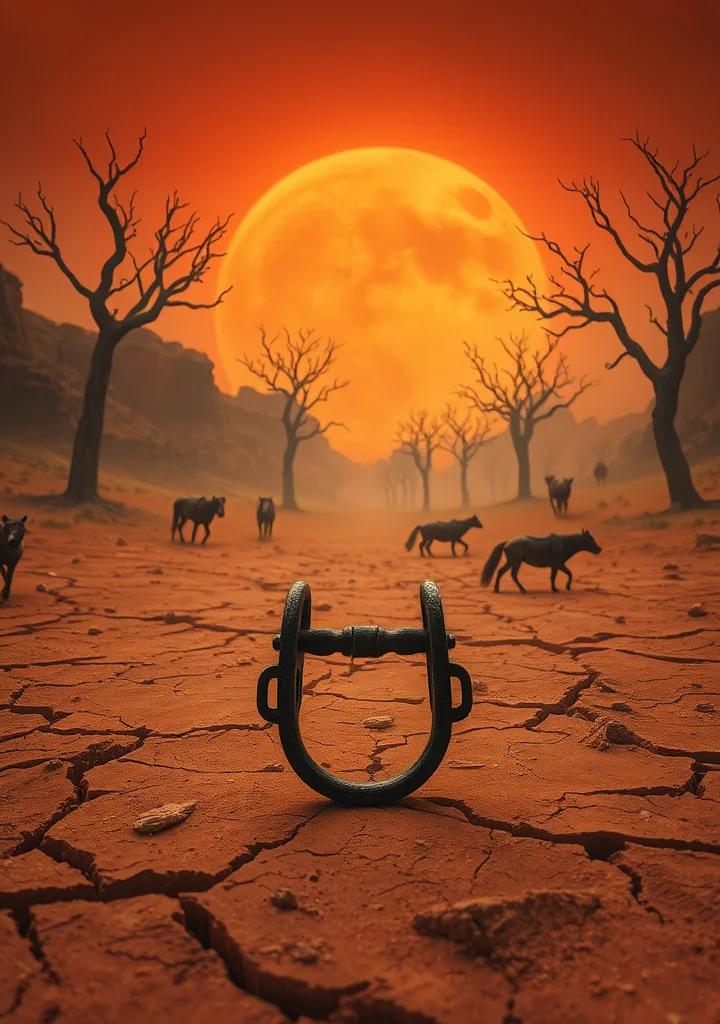
The prose itself mimics the landscape – thorny, overgrown, and obscuring as much as it reveals. There’s a pervasive sense of dread, not from specters or ghouls, but from the cold, calculated cruelty of men driven to desperation. The characters are ghosts within their own lives, haunted by debts, grudges, and the insatiable hunger for freedom. Lavengro isn’t simply *about* the road; it *is* the road – a twisting, treacherous path leading toward an oblivion of the spirit, where the boundaries between hunter and hunted blur until only the desperate, gasping heartbeat remains. It smells of horses, of iron, of the coming storm, and the quiet resignation of those who have already lost everything.
Copyright: Public Domain
This license allows anyone to use your story for any purpose, including printing, selling, or adapting it into a film freely.
This license allows anyone to use your story for any purpose, including printing, selling, or adapting it into a film freely.
Chapter List
-
« Lavengro »📖 Continue Reading
-
« Advertisement (1851) »
-
« Preface to the First Edition (1851) »
-
« Preface to the Second Edition (1872) »
-
« I »
-
« II »
-
« III »
-
« IV »
-
« V »
-
« VI »
-
« VII »
-
« VIII »
-
« IX »
-
« X »
-
« XI »
-
« XII »
-
« XIII »
-
« XIV »
-
« XV »
-
« XVI »
-
« XVII »
-
« XVIII »
-
« XIX »
-
« XX »
-
« XXI »
-
« XXII »
-
« XXIII »
-
« XXIV »
-
« XXV »
-
« XXVI »
-
« XXVII »
-
« XXVIII »
-
« XXIX »
-
« XXX »
-
« XXXI »
-
« XXXII »
-
« XXXIII »
-
« XXXIV »
-
« XXXV »
-
« XXXVI »
-
« XXXVII »
-
« XXXVIII »
-
« XXXIX »
-
« XL »
-
« XLI »
-
« XLII »
-
« XLIII »
-
« XLIV »
-
« XLV »
-
« XLVI »
-
« XLVII »
-
« XLVIII »
-
« XLIX »
-
« L »
-
« LI »
-
« LII »
-
« LIII »
-
« LIV »
-
« LV »
-
« LVI »
-
« LVII »
-
« LVIII »
-
« LIX »
-
« LX »
-
« LXI »
-
« LXII »
-
« LXIII »
-
« LXIV »
-
« LXV »
-
« LXVI »
-
« LXVII »
-
« LXVIII »
-
« LXIX »
-
« LXX »
-
« LXXI »
-
« LXXII »
-
« LXXIII »
-
« LXXIV »
-
« LXXV »
-
« LXXVI »
-
« LXXVII »
-
« LXXVIII »
-
« LXXIX »
-
« LXXX »
-
« LXXXI »
-
« LXXXII »
-
« LXXXIII »
-
« LXXXIV »
-
« LXXXV »
-
« LXXXVI »
-
« LXXXVII »
-
« LXXXVIII »
-
« LXXXIX »
-
« XC »
-
« XCI »
-
« XCII »
-
« XCIII »
-
« XCIV »
-
« XCV »
-
« XCVI »
-
« XCVII »
-
« XCVIII »
-
« XCIX »
-
« C »
-
« The Editor’s Postscript »
-
« Advertisement (1857) »
-
« I »
-
« II »
-
« III »
-
« IV »
-
« V »
-
« VI »
-
« VII »
-
« VIII »
-
« IX »
-
« X »
-
« XI »
-
« XII »
-
« XIII »
-
« XIV »
-
« XV »
-
« XVI »
-
« XVII »
-
« XVIII »
-
« XIX »
-
« XX »
-
« XXI »
-
« XXII »
-
« XXIII »
-
« XXIV »
-
« XXV »
-
« XXVI »
-
« XXVII »
-
« XXVIII »
-
« XXIX »
-
« XXX »
-
« XXXI »
-
« XXXII »
-
« XXXIII »
-
« XXXIV »
-
« XXXV »
-
« XXXVI »
-
« XXXVII »
-
« XXXVIII »
-
« XXXIX »
-
« XL »
-
« XLI »
-
« XLII »
-
« XLIII »
-
« XLIV »
-
« XLV »
-
« XLVI »
-
« XLVII »
-
« I »
-
« II »
-
« III »
-
« IV »
-
« V »
-
« VI »
-
« VII »
-
« VIII »
-
« IX »
-
« X »
-
« XI »
-
« Complete List of English Gypsy Words Scattered Through Lavengro and Romany Rye »
165
-
« Lavengro »
-
« Advertisement (1851) »
-
« Preface to the First Edition (1851) »
-
« Preface to the Second Edition (1872) »
-
« I »
-
« II »
-
« III »
-
« IV »
-
« V »
-
« VI »
-
« VII »
-
« VIII »
-
« IX »
-
« X »
-
« XI »
-
« XII »
-
« XIII »
-
« XIV »
-
« XV »
-
« XVI »
-
« XVII »
-
« XVIII »
-
« XIX »
-
« XX »
-
« XXI »
-
« XXII »
-
« XXIII »
-
« XXIV »
-
« XXV »
-
« XXVI »
-
« XXVII »
-
« XXVIII »
-
« XXIX »
-
« XXX »
-
« XXXI »
-
« XXXII »
-
« XXXIII »
-
« XXXIV »
-
« XXXV »
-
« XXXVI »
-
« XXXVII »
-
« XXXVIII »
-
« XXXIX »
-
« XL »
-
« XLI »
-
« XLII »
-
« XLIII »
-
« XLIV »
-
« XLV »
-
« XLVI »
-
« XLVII »
-
« XLVIII »
-
« XLIX »
-
« L »
-
« LI »
-
« LII »
-
« LIII »
-
« LIV »
-
« LV »
-
« LVI »
-
« LVII »
-
« LVIII »
-
« LIX »
-
« LX »
-
« LXI »
-
« LXII »
-
« LXIII »
-
« LXIV »
-
« LXV »
-
« LXVI »
-
« LXVII »
-
« LXVIII »
-
« LXIX »
-
« LXX »
-
« LXXI »
-
« LXXII »
-
« LXXIII »
-
« LXXIV »
-
« LXXV »
-
« LXXVI »
-
« LXXVII »
-
« LXXVIII »
-
« LXXIX »
-
« LXXX »
-
« LXXXI »
-
« LXXXII »
-
« LXXXIII »
-
« LXXXIV »
-
« LXXXV »
-
« LXXXVI »
-
« LXXXVII »
-
« LXXXVIII »
-
« LXXXIX »
-
« XC »
-
« XCI »
-
« XCII »
-
« XCIII »
-
« XCIV »
-
« XCV »
-
« XCVI »
-
« XCVII »
-
« XCVIII »
-
« XCIX »
-
« C »
-
« The Editor’s Postscript »
-
« Advertisement (1857) »
-
« I »
-
« II »
-
« III »
-
« IV »
-
« V »
-
« VI »
-
« VII »
-
« VIII »
-
« IX »
-
« X »
-
« XI »
-
« XII »
-
« XIII »
-
« XIV »
-
« XV »
-
« XVI »
-
« XVII »
-
« XVIII »
-
« XIX »
-
« XX »
-
« XXI »
-
« XXII »
-
« XXIII »
-
« XXIV »
-
« XXV »
-
« XXVI »
-
« XXVII »
-
« XXVIII »
-
« XXIX »
-
« XXX »
-
« XXXI »
-
« XXXII »
-
« XXXIII »
-
« XXXIV »
-
« XXXV »
-
« XXXVI »
-
« XXXVII »
-
« XXXVIII »
-
« XXXIX »
-
« XL »
-
« XLI »
-
« XLII »
-
« XLIII »
-
« XLIV »
-
« XLV »
-
« XLVI »
-
« XLVII »
-
« I »
-
« II »
-
« III »
-
« IV »
-
« V »
-
« VI »
-
« VII »
-
« VIII »
-
« IX »
-
« X »
-
« XI »
-
« Complete List of English Gypsy Words Scattered Through Lavengro and Romany Rye »
More like this