
-
Read 1.1K
-
0
-
Part 91
Completed, First published Mar 02, 2026
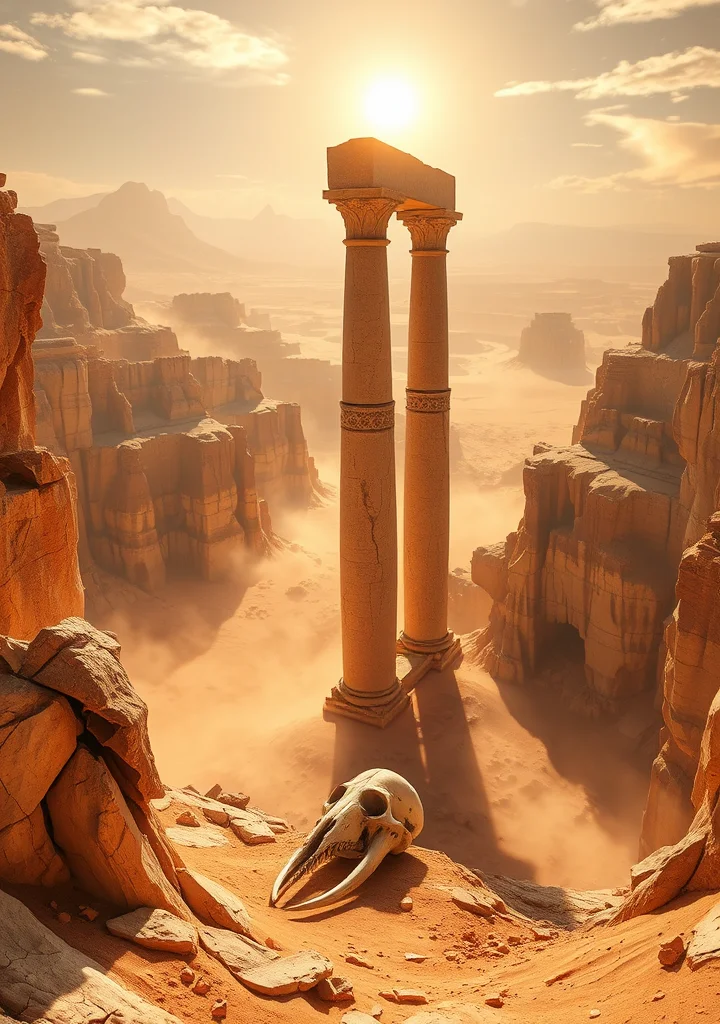
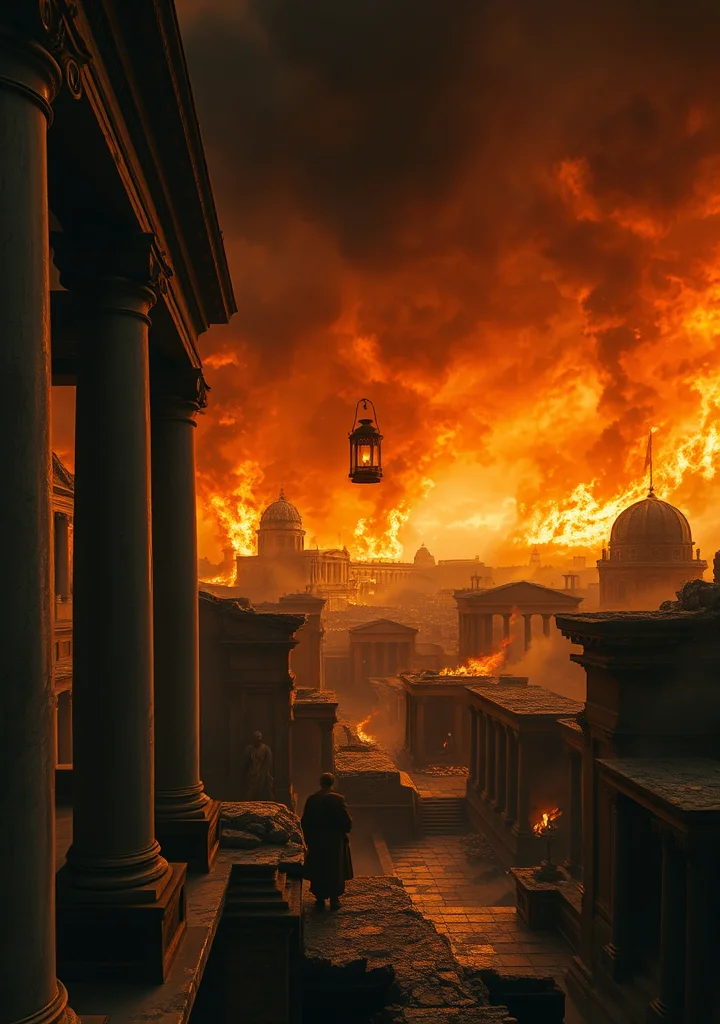
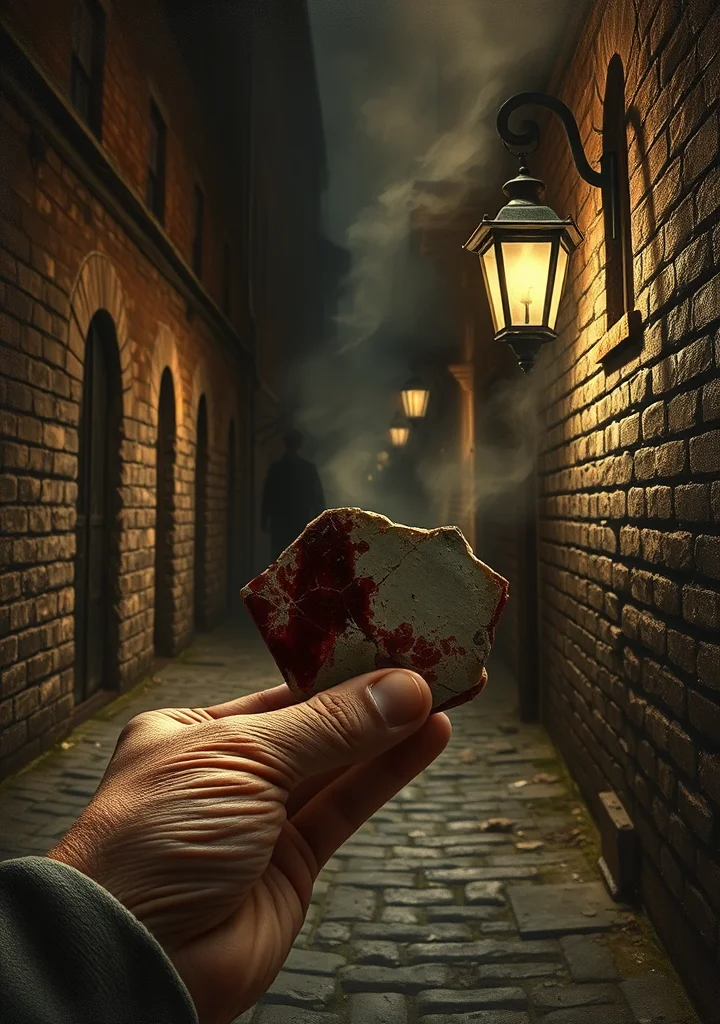
Dust motes dance in the suffocating heat of Judea, clinging to the linen-wrapped limbs of forgotten gods and the simmering resentment of a people bound by chains both literal and ancestral. The scent of frankincense and blood hangs heavy in the air, a perfume of prophecy and despair. Wallace doesn’t offer sunlight, but a slow burn beneath the skin, a fever dream of vengeance and grace. Each chariot race is not a spectacle of skill, but a spiraling descent into madness fueled by the screams of a captive audience, the rasp of sandaled feet on scorched earth.
This is a story of shadows stretched long across sun-baked stone, of whispers carried on desert winds that speak of betrayal and divine reckoning. The narrative coils like a viper in the ruins of ancient empires, its venom a relentless pursuit of justice that leaves no room for mercy. Even forgiveness is a brittle thing, cracked like the pottery shards littering the Roman roads.
The weight of empire presses down, suffocating the narrative with the stench of ambition and the metallic tang of sacrifice. It’s a world where loyalty is a phantom limb, and faith a desperate gamble against the encroaching darkness. Beneath the grandeur of the arena and the clang of legionary steel, a deeper, more agonizing silence resides – the hollow echo of a life stolen, and the desperate, echoing plea for redemption amidst the ruins of a fallen world. The very stones weep with the memory of what has been lost.
Copyright: Public Domain
This license allows anyone to use your story for any purpose, including printing, selling, or adapting it into a film freely.
This license allows anyone to use your story for any purpose, including printing, selling, or adapting it into a film freely.
Chapter List
-
« Ben Hur »📖 Continue Reading
-
« Chapter_3 »
-
« Ben Hur »
-
« I »
-
« II »
-
« III »
-
« IV »
-
« V »
-
« VI »
-
« VII »
-
« VIII »
-
« IX »
-
« X »
-
« XI »
-
« XII »
-
« XIII »
-
« XIV »
-
« I »
-
« I »
-
« II »
-
« III »
-
« IV »
-
« V »
-
« VI »
-
« VII »
-
« I »
-
« I »
-
« II »
-
« III »
-
« IV »
-
« V »
-
« VI »
-
« I »
-
« I »
-
« II »
-
« III »
-
« IV »
-
« V »
-
« VI »
-
« VII »
-
« VIII »
-
« IX »
-
« X »
-
« XI »
-
« XII »
-
« XIII »
-
« XIV »
-
« XV »
-
« XVI »
-
« XVII »
-
« I »
-
« I »
-
« II »
-
« III »
-
« IV »
-
« V »
-
« VI »
-
« VII »
-
« VIII »
-
« IX »
-
« X »
-
« XI »
-
« XII »
-
« XIII »
-
« XIV »
-
« XV »
-
« XVI »
-
« I »
-
« I »
-
« II »
-
« III »
-
« IV »
-
« V »
-
« VI »
-
« I »
-
« I »
-
« II »
-
« III »
-
« IV »
-
« V »
-
« I »
-
« I »
-
« II »
-
« III »
-
« IV »
-
« V »
-
« VI »
-
« VII »
-
« VIII »
-
« IX »
-
« X »
91
-
« Ben Hur »
-
« Chapter_3 »
-
« Ben Hur »
-
« I »
-
« II »
-
« III »
-
« IV »
-
« V »
-
« VI »
-
« VII »
-
« VIII »
-
« IX »
-
« X »
-
« XI »
-
« XII »
-
« XIII »
-
« XIV »
-
« I »
-
« I »
-
« II »
-
« III »
-
« IV »
-
« V »
-
« VI »
-
« VII »
-
« I »
-
« I »
-
« II »
-
« III »
-
« IV »
-
« V »
-
« VI »
-
« I »
-
« I »
-
« II »
-
« III »
-
« IV »
-
« V »
-
« VI »
-
« VII »
-
« VIII »
-
« IX »
-
« X »
-
« XI »
-
« XII »
-
« XIII »
-
« XIV »
-
« XV »
-
« XVI »
-
« XVII »
-
« I »
-
« I »
-
« II »
-
« III »
-
« IV »
-
« V »
-
« VI »
-
« VII »
-
« VIII »
-
« IX »
-
« X »
-
« XI »
-
« XII »
-
« XIII »
-
« XIV »
-
« XV »
-
« XVI »
-
« I »
-
« I »
-
« II »
-
« III »
-
« IV »
-
« V »
-
« VI »
-
« I »
-
« I »
-
« II »
-
« III »
-
« IV »
-
« V »
-
« I »
-
« I »
-
« II »
-
« III »
-
« IV »
-
« V »
-
« VI »
-
« VII »
-
« VIII »
-
« IX »
-
« X »
More like this