
-
Read 1.6K
-
0
-
Part 101
Completed, First published Mar 02, 2026
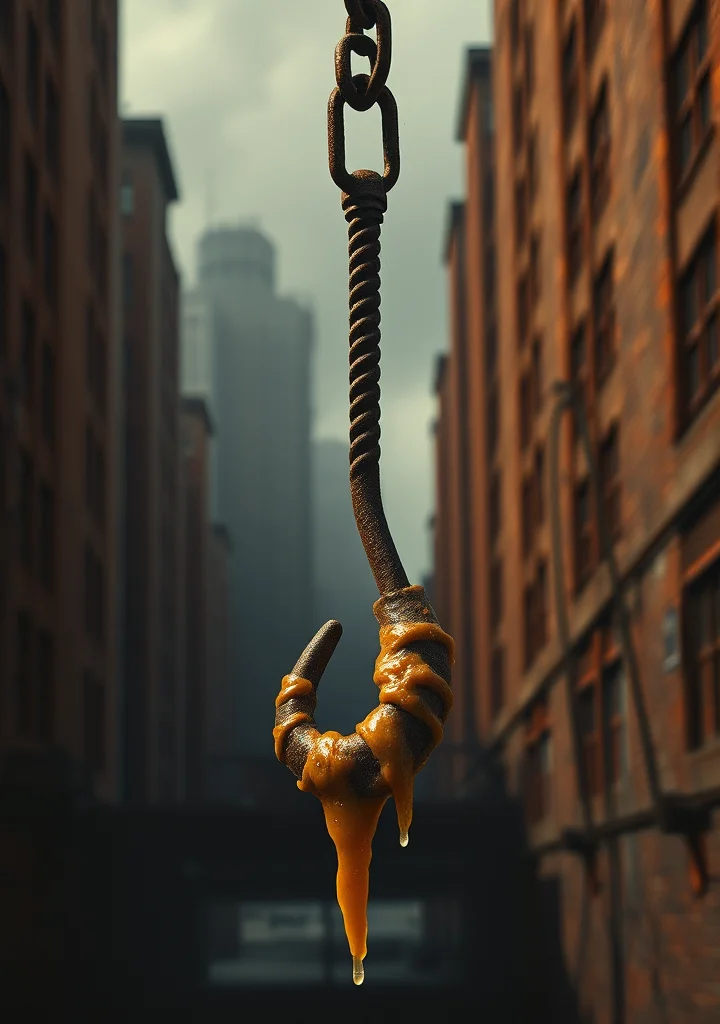
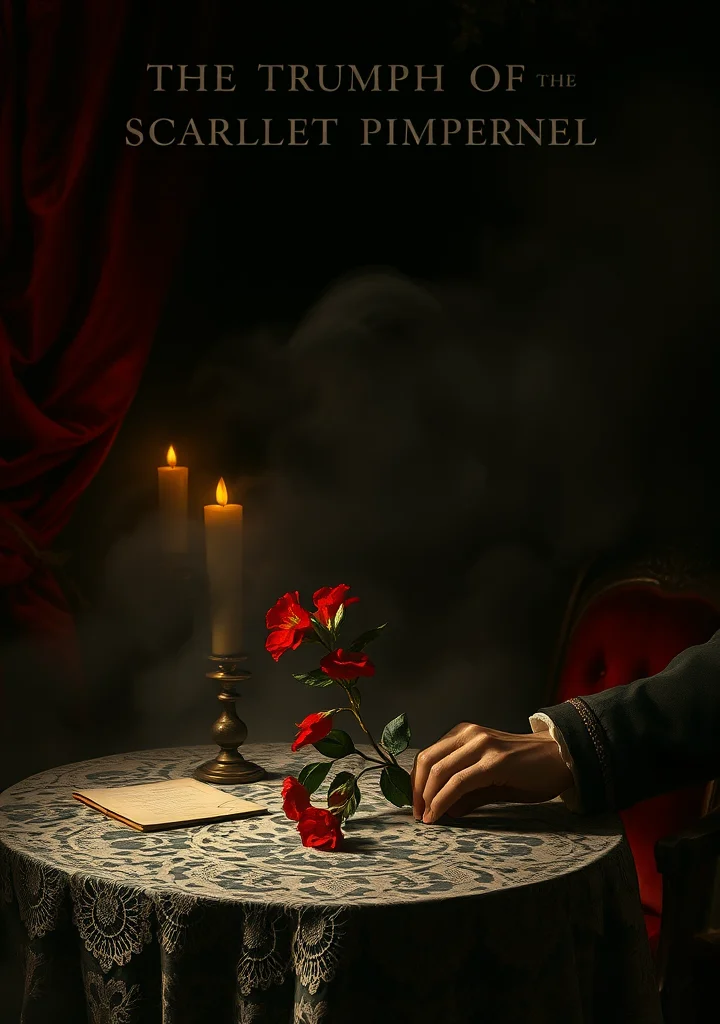
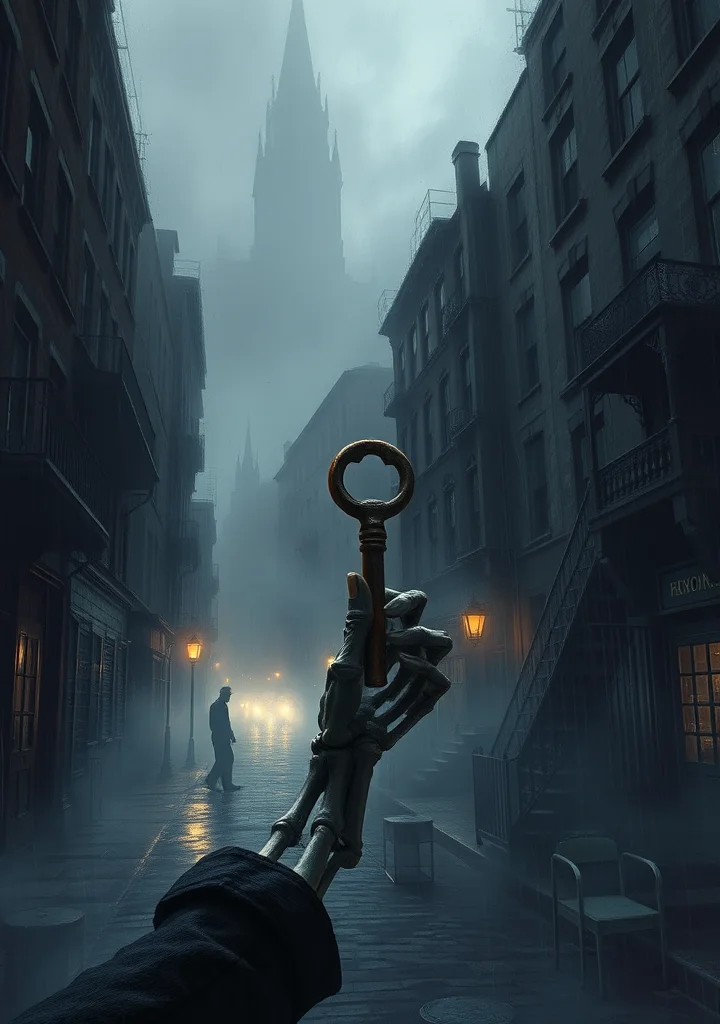
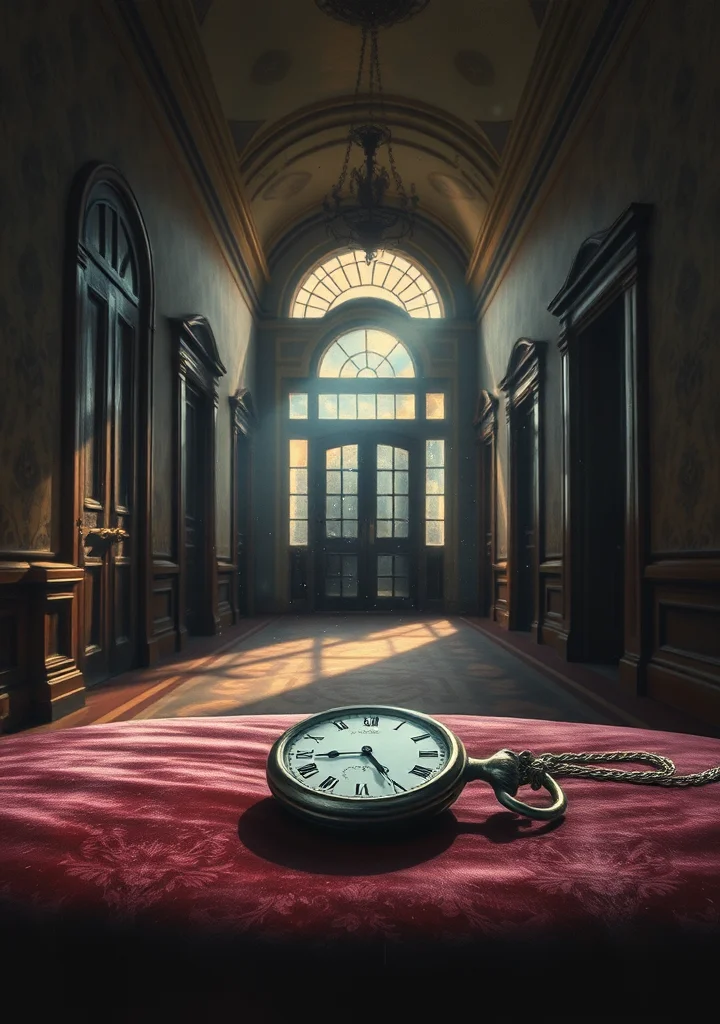
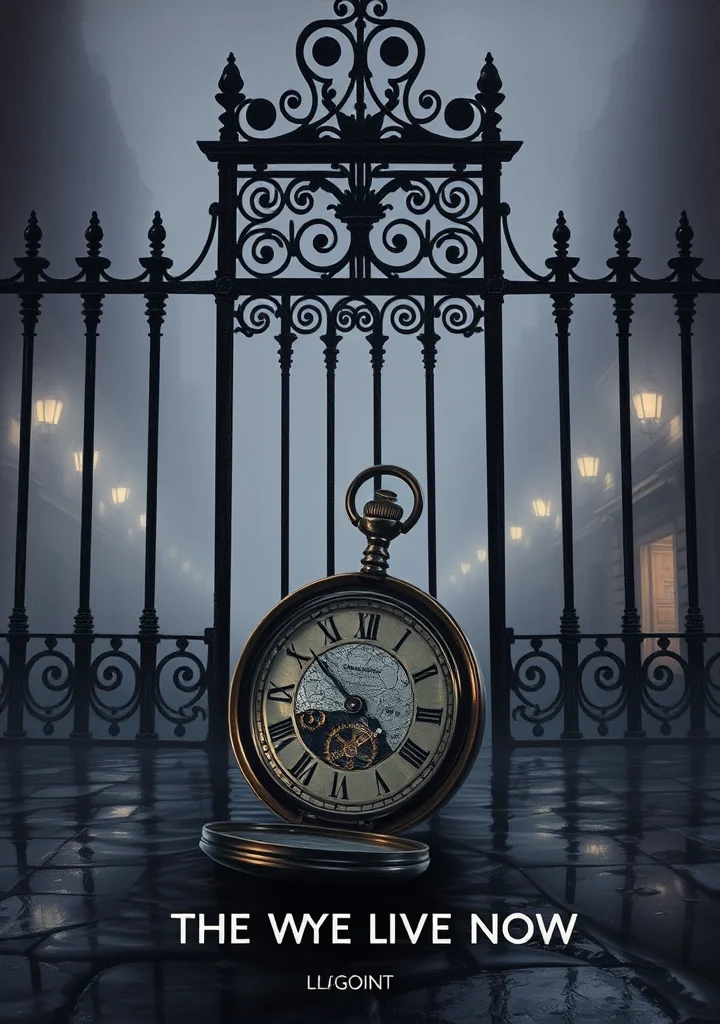
A suffocating fog of ambition and deceit clings to the London streets, mirroring the miasma within the hearts of its inhabitants. Trollope doesn’t offer grand horrors, but a creeping dread born of social machinations and the exquisite cruelty of polite society. The novel breathes with the damp chill of inherited wealth and the stifled cries of those consumed by its relentless pursuit. Every drawing-room conversation is a shadowed transaction, every smile a carefully constructed facade. A brittle elegance permeates the narrative, laced with the scent of fading fortunes and the rot of compromised ideals. The characters drift through a labyrinth of calculated affections and public betrayals, haunted by the ghosts of reputations lost and futures bartered away. The story unfolds not as a swift descent into darkness, but as a slow, insidious erosion of moral fiber, a tightening noose of expectation and disillusionment. It's a world where the most monstrous acts are committed not in hidden alleys, but within the gilded cages of the privileged, where the price of belonging is the forfeiture of the soul. A pervasive sense of stagnation hangs heavy, promising only the slow, suffocating weight of respectability and regret.
Copyright: Public Domain
This license allows anyone to use your story for any purpose, including printing, selling, or adapting it into a film freely.
This license allows anyone to use your story for any purpose, including printing, selling, or adapting it into a film freely.
Chapter List
-
« The Way We Live Now »📖 Continue Reading
-
« I »
-
« II »
-
« III »
-
« IV »
-
« V »
-
« VI »
-
« VII »
-
« VIII »
-
« IX »
-
« X »
-
« XI »
-
« XII »
-
« XIII »
-
« XIV »
-
« XV »
-
« XVI »
-
« XVII »
-
« XVIII »
-
« XIX »
-
« XX »
-
« XXI »
-
« XXII »
-
« XXIII »
-
« XXIV »
-
« XXV »
-
« XXVI »
-
« XXVII »
-
« XXVIII »
-
« XXIX »
-
« XXX »
-
« XXXI »
-
« XXXII »
-
« XXXIII »
-
« XXXIV »
-
« XXXV »
-
« XXXVI »
-
« XXXVII »
-
« XXXVIII »
-
« XXXIX »
-
« XL »
-
« XLI »
-
« XLII »
-
« XLIII »
-
« XLIV »
-
« XLV »
-
« XLVI »
-
« XLVII »
-
« XLVIII »
-
« XLIX »
-
« L »
-
« LI »
-
« LII »
-
« LIII »
-
« LIV »
-
« LV »
-
« LVI »
-
« LVII »
-
« LVIII »
-
« LIX »
-
« LX »
-
« LXI »
-
« LXII »
-
« LXIII »
-
« LXIV »
-
« LXV »
-
« LXVI »
-
« LXVII »
-
« LXVIII »
-
« LXIX »
-
« LXX »
-
« LXXI »
-
« LXXII »
-
« LXXIII »
-
« LXXIV »
-
« LXXV »
-
« LXXVI »
-
« LXXVII »
-
« LXXVIII »
-
« LXXIX »
-
« LXXX »
-
« LXXXI »
-
« LXXXII »
-
« LXXXIII »
-
« LXXXIV »
-
« LXXXV »
-
« LXXXVI »
-
« LXXXVII »
-
« LXXXVIII »
-
« LXXXIX »
-
« XC »
-
« XCI »
-
« XCII »
-
« XCIII »
-
« XCIV »
-
« XCV »
-
« XCVI »
-
« XCVII »
-
« XCVIII »
-
« XCIX »
-
« C »
101
-
« The Way We Live Now »
-
« I »
-
« II »
-
« III »
-
« IV »
-
« V »
-
« VI »
-
« VII »
-
« VIII »
-
« IX »
-
« X »
-
« XI »
-
« XII »
-
« XIII »
-
« XIV »
-
« XV »
-
« XVI »
-
« XVII »
-
« XVIII »
-
« XIX »
-
« XX »
-
« XXI »
-
« XXII »
-
« XXIII »
-
« XXIV »
-
« XXV »
-
« XXVI »
-
« XXVII »
-
« XXVIII »
-
« XXIX »
-
« XXX »
-
« XXXI »
-
« XXXII »
-
« XXXIII »
-
« XXXIV »
-
« XXXV »
-
« XXXVI »
-
« XXXVII »
-
« XXXVIII »
-
« XXXIX »
-
« XL »
-
« XLI »
-
« XLII »
-
« XLIII »
-
« XLIV »
-
« XLV »
-
« XLVI »
-
« XLVII »
-
« XLVIII »
-
« XLIX »
-
« L »
-
« LI »
-
« LII »
-
« LIII »
-
« LIV »
-
« LV »
-
« LVI »
-
« LVII »
-
« LVIII »
-
« LIX »
-
« LX »
-
« LXI »
-
« LXII »
-
« LXIII »
-
« LXIV »
-
« LXV »
-
« LXVI »
-
« LXVII »
-
« LXVIII »
-
« LXIX »
-
« LXX »
-
« LXXI »
-
« LXXII »
-
« LXXIII »
-
« LXXIV »
-
« LXXV »
-
« LXXVI »
-
« LXXVII »
-
« LXXVIII »
-
« LXXIX »
-
« LXXX »
-
« LXXXI »
-
« LXXXII »
-
« LXXXIII »
-
« LXXXIV »
-
« LXXXV »
-
« LXXXVI »
-
« LXXXVII »
-
« LXXXVIII »
-
« LXXXIX »
-
« XC »
-
« XCI »
-
« XCII »
-
« XCIII »
-
« XCIV »
-
« XCV »
-
« XCVI »
-
« XCVII »
-
« XCVIII »
-
« XCIX »
-
« C »
More like this