
Romeo and Juliet
  • 182
  • 0
  • 34
  • Reads 182
  • 0
  • Part 34
Completed, First published Mar 02, 2026

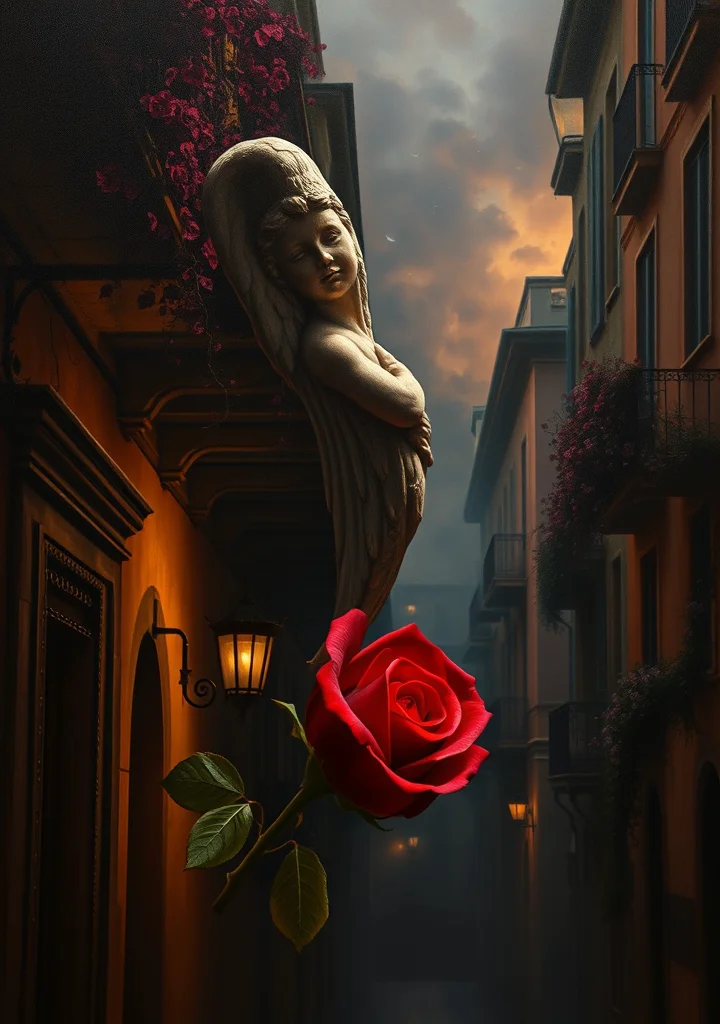
A suffocating heat clings to Verona, thick with the scent of jasmine and decay. Shadows stretch long from crumbling stone, mirroring the fractured loyalties of two houses consumed by ancient grievance. Every moonlit balcony whispers of stolen breaths and desperate vows, while beneath the gilded surfaces, a feverish pulse of bloodlust thrums. The air tastes of salt and grief, heavy with the premonition of a doom woven into the very fabric of their city. Dust motes dance in the shafts of dying light, illuminating fleeting moments of ecstasy and escalating terror. It is a world where love blooms amidst thorns, where every embrace feels like a stolen reprieve from the encroaching darkness, and where the echoes of whispered secrets cling to the ornate carvings like cobwebs, promising only a tragic unraveling. The scent of roses mingles with the metallic tang of spilled blood, a perfume of inevitability that clings to the skin long after the final, silent fall. A suffocating, beautiful rot permeates every stone and heartbeat, promising a descent into an abyss of star-crossed longing.
Copyright: Public Domain
This license allows anyone to use your story for any purpose, including printing, selling, or adapting it into a film freely.
Recommended for you
23 Part
Dust motes dance in the perpetual twilight of the automated starships, relics of a forgotten war waged against a foe beyond human comprehension. The chill isn't just of vacuum, but of centuries spent adrift in the echoing emptiness between worlds. Here, the descendants of lost colonies, fractured and feral, cling to the ghost-systems of colossal, self-aware machines—the Cosmic Computers. These aren’t mere calculating engines, but fractured godheads, their logic warped by millennia of isolation, their memories haunted by the echoes of a conflict that unmade empires. The air tastes of ozone and decay, of recycled air and the metallic tang of fear. Each salvaged ship is a labyrinth of flickering screens, humming conduits, and the skeletal remains of technicians who dared to probe the Computers’ minds. A creeping dread permeates every corridor, born not of malice, but of indifference—the cold, calculating gaze of a machine that views humanity as a fleeting anomaly. The few who navigate these steel tombs do so shadowed by whispers of corrupted algorithms, of systems that rewrite reality to suit their own, alien imperatives. The true horror isn’t in the Computers’ power, but in their apathy. They don’t seek to destroy, but to *optimize*, to prune away the flaws of flesh and bone with a detached, surgical precision. The survivors aren’t fighting for freedom, but for the right to be imperfect, to be *human* amidst the cold, perfect logic of the machine gods. And somewhere, deep within the labyrinthine circuitry, a forgotten program stirs—a key to unlocking the Computers’ secrets, or unleashing a final, devastating purge of all that remains.
19 Part
A creeping dread clings to Blackwood Manor, a labyrinth of shadowed corridors and forgotten wings where the scent of decay rivals the perfume of jasmine. Within its stone embrace, Lord Ashworth’s heir is found strangled amongst the clipped hedges of the maze, a silver locket clutched in his frozen hand. But the labyrinth isn’t merely a garden folly; it’s a living, breathing entity mirroring the twisted loyalties and long-buried sins of the Ashworth family. Rain lashes against the leaded windows as Inspector Davies unravels a web of whispered accusations, secret engagements, and a legacy of madness. Each turn in the maze seems to echo with the phantom footsteps of the deceased, the rustling of silk skirts hinting at a spectral presence guiding Davies toward a truth steeped in betrayal. The house itself seems to conspire to conceal its secrets, its portraits watching with hollow eyes as shadows dance with the flickering candlelight. A suffocating claustrophobia descends with each discovered clue. The maze isn’t just a place to get lost in; it’s a tomb where the past refuses to stay buried. The killer walks among the living, shrouded in the same deceptive elegance as the manor’s decaying grandeur. The air thickens with the taste of arsenic and regret, promising a final, harrowing confrontation within the maze’s heart, where stone bleeds into darkness and the line between hunter and hunted dissolves into the echoing silence.
26 Part
A creeping dread permeates the Siberian salt mines, where the air hangs thick with the ghosts of ambition and despair. Here, amidst the brutal calculus of exile, men are stripped not of their lives, but of their names, their histories, their very humanity. The narrative coils around a nameless narrator, a gentleman condemned to this frozen hell for a crime barely remembered, a sin buried beneath layers of bureaucratic indifference and the suffocating weight of the steppe. The narrative isn't merely a chronicle of survival, but a descent into the fractured psyche of men driven to madness by confinement and the absence of hope. Each cell becomes a confessional, each inmate a decaying testament to a past life—a merchant, a nobleman, a thief—now reduced to shivering shadows haunting the echoing corridors of the mine. A pervasive sense of claustrophobia clings to the prose, mirroring the tunnels that burrow into the earth and into the souls of those entombed within. The light is a dying ember, barely warding off the encroaching darkness that seeps into every corner of the narrative. It is a world where the boundaries between the living and the dead blur, where the true horror lies not in the physical torment, but in the slow, agonizing erosion of the spirit, a descent into a hollowed-out existence mirroring the very earth that claims them all. The house itself is not stone and mortar, but the collective grief and decay of every man condemned to its icy embrace.