
Michael Strogoff
  • 218
  • 0
  • 36
  • Reads 218
  • 0
  • Part 36
Completed, First published Mar 02, 2026

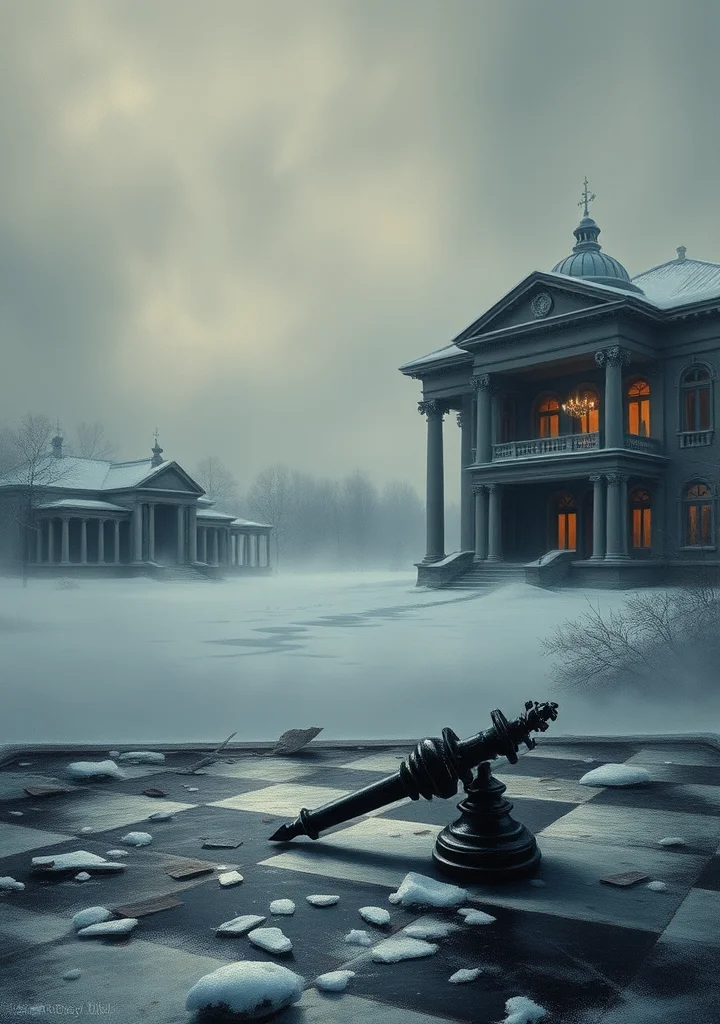
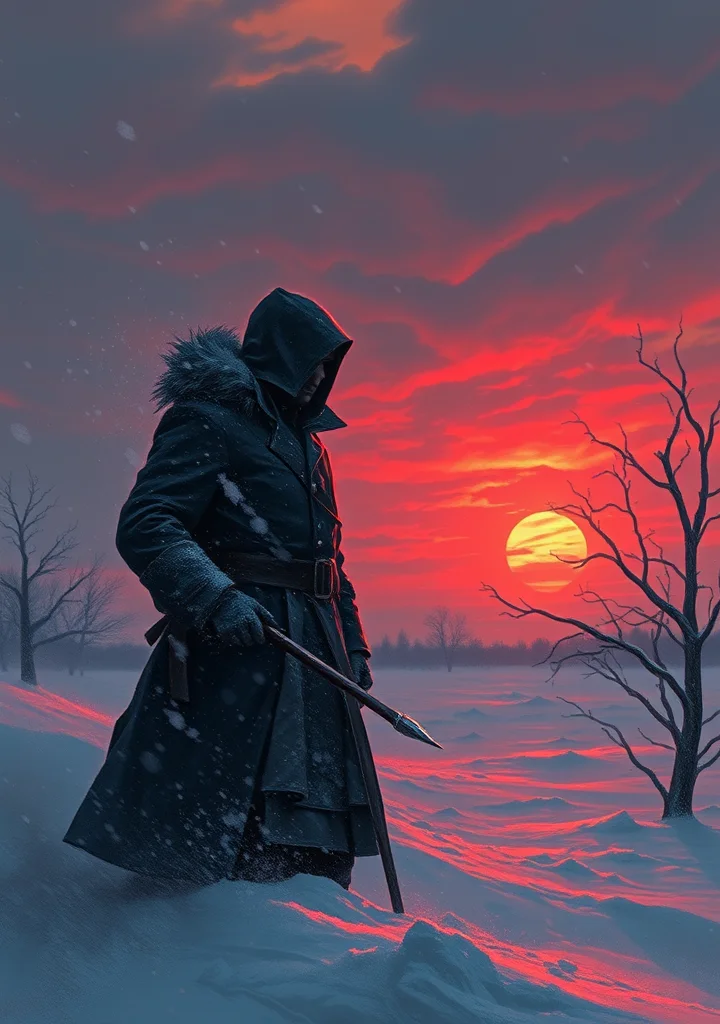
Across a Russia bleeding under the shadow of Mongol invasion, Michael Strogoff’s journey is not merely flight, but a descent into a frozen heartland mirroring the encroaching despair. Each verst traveled is marked not by distance, but by the chilling echoes of abandoned villages, the spectral silence of snow-bound forests, and the gnawing fear that clings to the throat like winter frost. The narrative unfolds within a suffocating atmosphere of imperial paranoia, where loyalty is a brittle thing, shattered by whispers and shadowed by betrayal. Strogoff’s relentless pursuit is haunted by phantom armies, the glint of sabres under a pallid moon, and the ever-present weight of a nation’s last hope. The very landscape seems to conspire against him, offering false solace in blizzard-swept plains and the suffocating darkness of Siberian prisons. His endurance is less a testament to strength than a surrender to the cold, calculating logic of survival in a world where the only warmth comes from the embers of a dying empire and the desperate, flickering flame of his own resolve. The air itself tastes of gunpowder and regret, clinging to the reader like the scent of decay in a forgotten crypt.
Copyright: Public Domain
This license allows anyone to use your story for any purpose, including printing, selling, or adapting it into a film freely.

Recommended for you
13 Part
The air hangs thick with the scent of decay and lilies, clinging to the crumbling chateau like a shroud. Here, amidst shadowed corridors and portraits whose eyes follow every trespass, resides Louise de Balzac—a creature born of ambition and shadowed lineage. Her beauty, a fragile bloom in a winter garden, masks a past steeped in whispered scandals, a legacy of clandestine debts and a mother’s ruinous pursuit of Parisian grandeur. The narrative unravels like a silken thread fraying under strain, tracing Louise’s desperate navigation through a society choked by avarice and hypocrisy. Each gilded room breathes with the ghosts of fortunes lost and reputations shattered, mirroring the rot that festers within her own heart. She is haunted by the specter of her mother, a phantom of extravagance whose downfall casts a pall over Louise’s every breath. A suffocating elegance permeates every encounter, every stolen glance. The weight of expectation, the hunger for status—these are the chains binding Louise to a life of calculated performance. Shadows lengthen with each calculated marriage proposal, each desperate act to secure her future. The novel is steeped in a sense of inevitable doom, a slow descent into the darkness where innocence is bartered for survival, and the gilded cage of wealth becomes a tomb. A creeping dread settles upon the reader, mirroring the suffocating atmosphere that clings to Louise as she navigates the treacherous currents of her own making.
13 Part
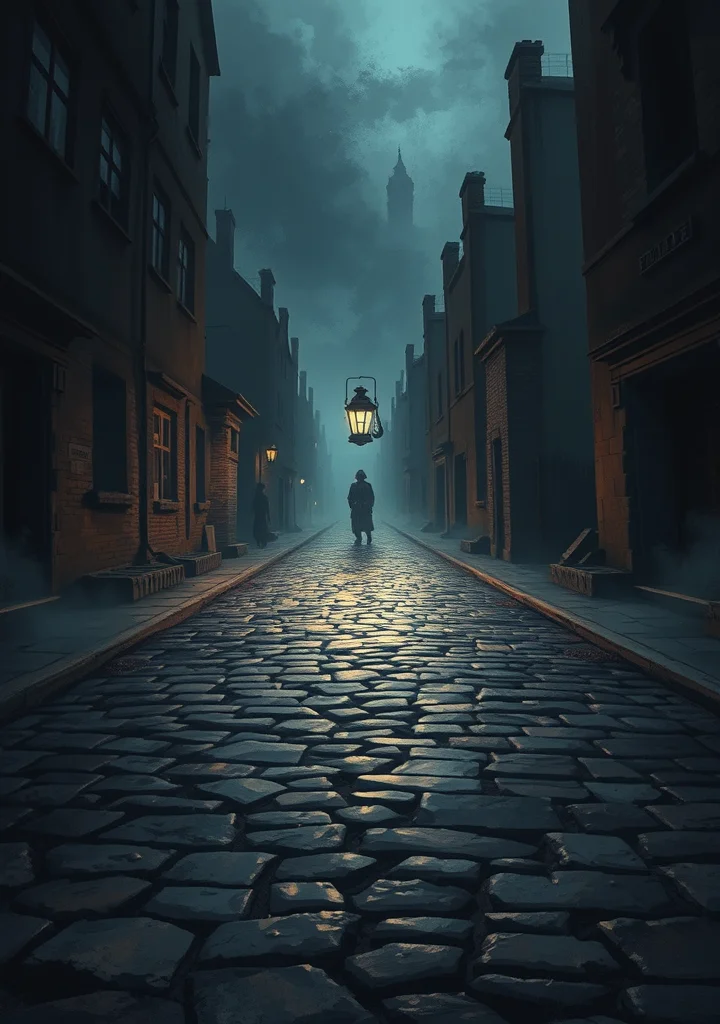
A creeping dampness clings to the cobblestones of Harrowgate, mirroring the rot within the gilded cages of its elite. Tawney’s narrative exhumes a city suffocated not by plague, but by insatiable appetite—a hunger for legacy, for possessions, for the very husks of lives consumed by ambition. Each manor house exhales secrets in the draughty hallways, whispers of fortunes built on shadowed deals and the slow, deliberate erasure of inconvenient kin. The air is thick with the scent of beeswax polish masking decay, of velvet drapes concealing dust-motes dancing in the perpetual twilight. A brittle elegance permeates everything, a performance of refinement barely masking the desperation beneath. The protagonist, a scholar of inherited debts, is drawn into a labyrinth of estates where the acquisition of wealth has birthed a monstrous lineage, each heir a parasite feeding on the dwindling inheritance of their predecessors. Shadows stretch long from the gas lamps, revealing not merely figures in the gloom, but the spectral remnants of those whose possessions were claimed—their faces etched into the very wallpaper, their voices woven into the fabric of the antique furniture. The true horror isn’t the taking of things, but the hollowness that remains when everything has been bought and sold, leaving only the echoing emptiness of a soul willingly traded for another’s gain. A creeping dread permeates every room, a sense of being watched by the objects themselves, each piece of furniture a silent judge, each portrait a veiled accusation.