
Anna of the Five Towns
  • 151
  • 0
  • 19
  • Reads 151
  • 0
  • Part 19
Completed, First published Mar 02, 2026

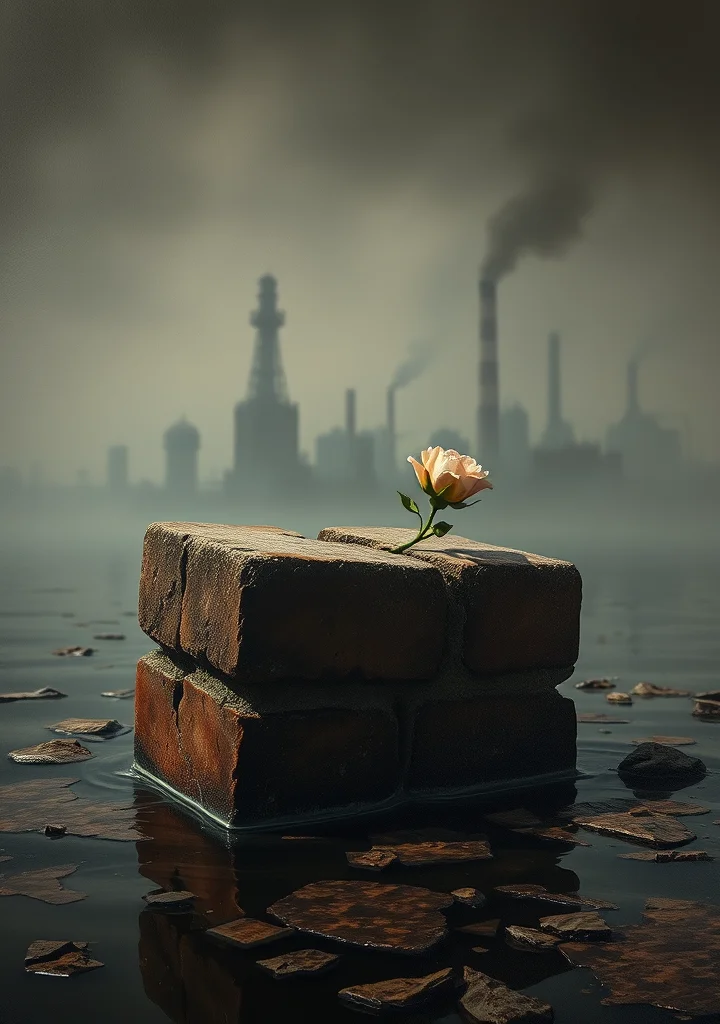
A creeping dampness clings to the cobbled streets of the Five Towns, a salt-laced melancholy rising from the clay pits and shadowed brickworks. Here, within the suffocating embrace of industrial ambition, Anna Severns navigates a life hemmed in by the rigid piety and stifled desires of provincial England. The air hangs thick with the scent of coal dust and unspoken longing, mirroring the stifled passions within her own breast. Not a tale of grand horrors, but of insidious decay – a slow erosion of spirit within a community bound by habit and the weight of inherited expectation. The narrative coils like smoke around the chimneys of Bursley, revealing a world where ambition curdles into bitterness, and the pursuit of respectability masks a hunger for something just beyond reach. A pervasive greyness seeps into every corner, staining the lives of those trapped within its borders. The shadows lengthen with each passing year, threatening to swallow the fragile hopes of Anna as she grapples with the constraints of her existence, haunted by the ghosts of what might have been. It is a story of quiet desperation, where the true terrors lie not in spectral visitations, but in the suffocating weight of unfulfilled lives, and the slow, inexorable march towards an unyielding, grey oblivion.
Copyright: Public Domain
This license allows anyone to use your story for any purpose, including printing, selling, or adapting it into a film freely.
Recommended for you
30 Part
A creeping dread settles over the fog-choked streets of London, a chill deeper than winter’s bite. Not from specters or ghouls, but from something far more insidious – a man unseen, unraveling the very fabric of reality with his absence. The narrative coils tight as a noose around the throat of normalcy, beginning with whispers of strange thefts, disrupted lodging houses, and a growing, inexplicable panic. Wells paints not a monster of claws and fangs, but a suffocating terror born of vanished form, of bandages swathing emptiness, of scientific hubris fracturing the boundaries of human perception. The air itself feels thick with paranoia as the story descends into a desperate scramble for containment, a hunt for a phantom who leaves only footprints in the snow and terror in the eyes of those who glimpse his unraveling. Each chapter bleeds into a mounting hysteria, mirroring the Invisible Man’s escalating desperation, his descent into brutal, desperate acts fueled by both scientific ambition and the crushing weight of his own invisibility. The story isn’t about *what* he does, but *how* his unseen presence poisons the very foundations of trust and order. A creeping sense of isolation permeates every shadowed corner, every locked room. The world shrinks to the perspective of those who can only guess at the shape of their fear, until even the most solid objects seem to warp and betray. The narrative becomes a labyrinth of shattered glass, broken windows, and the suffocating weight of a secret too terrible to bear, a descent into a nightmare where the only certainty is the absence of something… and the growing certainty that it’s watching *you*.

45 Part
Dust motes dance in the perpetual twilight of Howards End, a house steeped in the slow decay of England’s soul. The scent of dying roses clings to the shadowed hallways, mirroring the stifled desires and unspoken griefs of those drawn to its orbit. It is a place where the past isn’t merely remembered, but *breathes* within the walls, a weight upon the chests of its inhabitants. A chill, born not of the English climate but of fractured inheritance, permeates the very brick and mortar. The narrative unfolds as a creeping fog, obscuring the boundaries between lives intertwined by circumstance and haunted by ancestral echoes. A delicate, brittle web of connection – and possession – stretches between the Schlegel sisters and the pragmatic, self-made Wilcox family. Each encounter is shadowed by a quiet desperation, a yearning for something lost or never possessed. The atmosphere is one of elegant claustrophobia: grand rooms filled with the silence of unfulfilled longing, gardens overgrown with the thorns of regret. A sense of inevitable entanglement pervades the prose, mirroring the insidious growth of ivy across the ancient stone. It is a story told in half-tones, in the rustle of silk against the gloom, in the unspoken tension of shared meals and stolen glances. The tragedy isn’t found in dramatic outburst, but in the slow erosion of hope, the stifling of breath within the gilded cage of social expectation. A haunting, pervasive melancholy clings to the pages like the damp earth of an English autumn.
5 Part
Dust motes dance in the perpetual twilight of provincial France, clinging to the shadowed corners of Ursule Mirouët’s existence. A woman steeped in lavender and regret, she drifts through a life circumscribed by duty and the suffocating weight of inherited estates. The air hangs thick with the scent of dying blooms and the unspoken resentments of those bound to her decaying manor. This is a world where love is a slow poison, distilled in quiet rooms and whispered behind lace curtains. The narrative clings to the damp stone walls of a dying aristocracy, where fortunes are built on simmering betrayals and the inheritance of grief. Ursule’s existence is a tapestry woven with the threads of thwarted desire, shadowed by the ambition of men who see her not as a woman, but as the key to unlocking ancient wealth. A stifling atmosphere permeates every encounter – a claustrophobia of expectation, of lives lived out under the gaze of judgmental neighbours. The weight of societal obligation presses down, mirroring the oppressive greys of the landscape. Every act of kindness is laced with calculation, every glance a measure of worth. The novel breathes with the chill of damp earth, the rustle of secrets in the long grass, and the slow, inexorable decay of a world clinging to its past. It is a world where the heart is a prison, and the soul is slowly extinguished by the demands of inheritance and the suffocating demands of a life lived entirely on the surface of things.