
Toilers of the Sea
  • 424
  • 0
  • 120
  • Reads 424
  • 0
  • Part 120
Completed, First published Mar 02, 2026

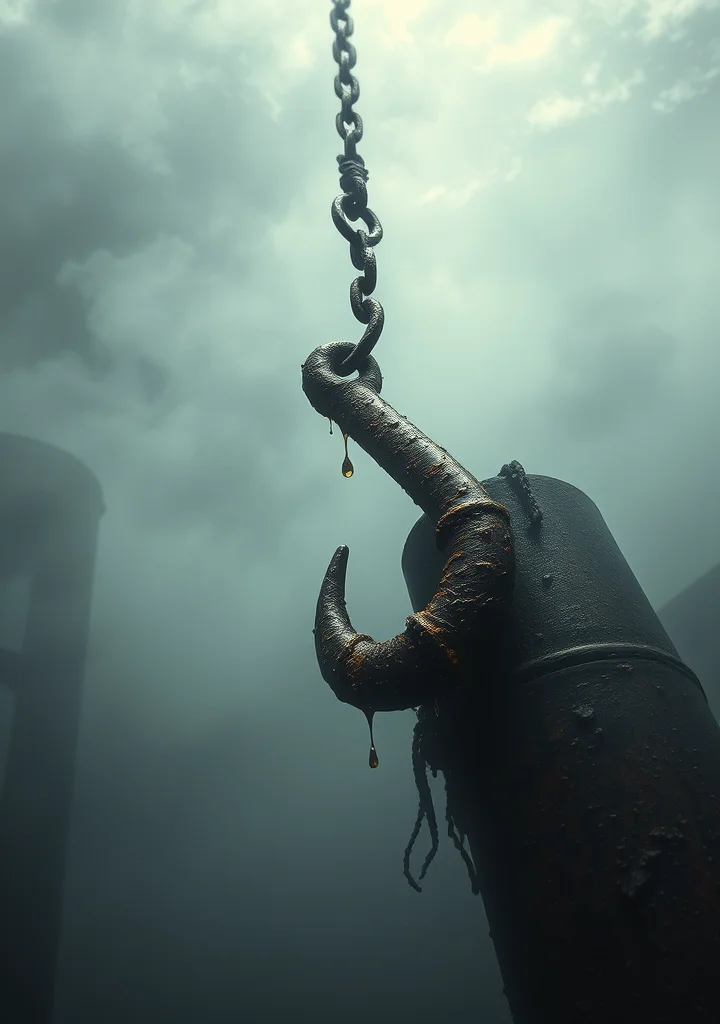
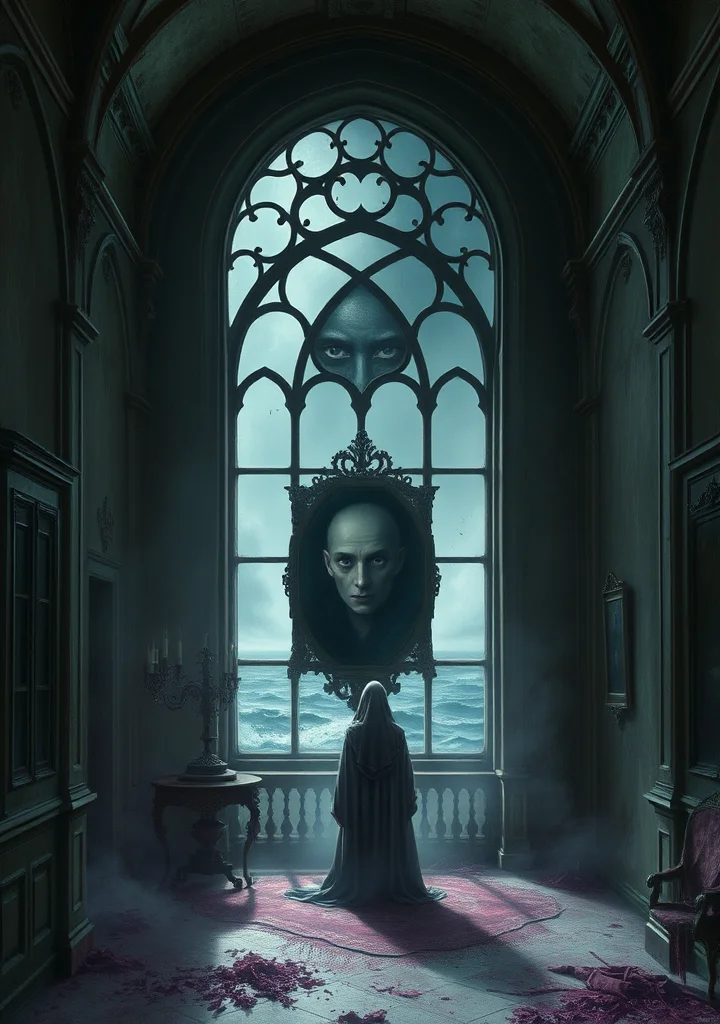
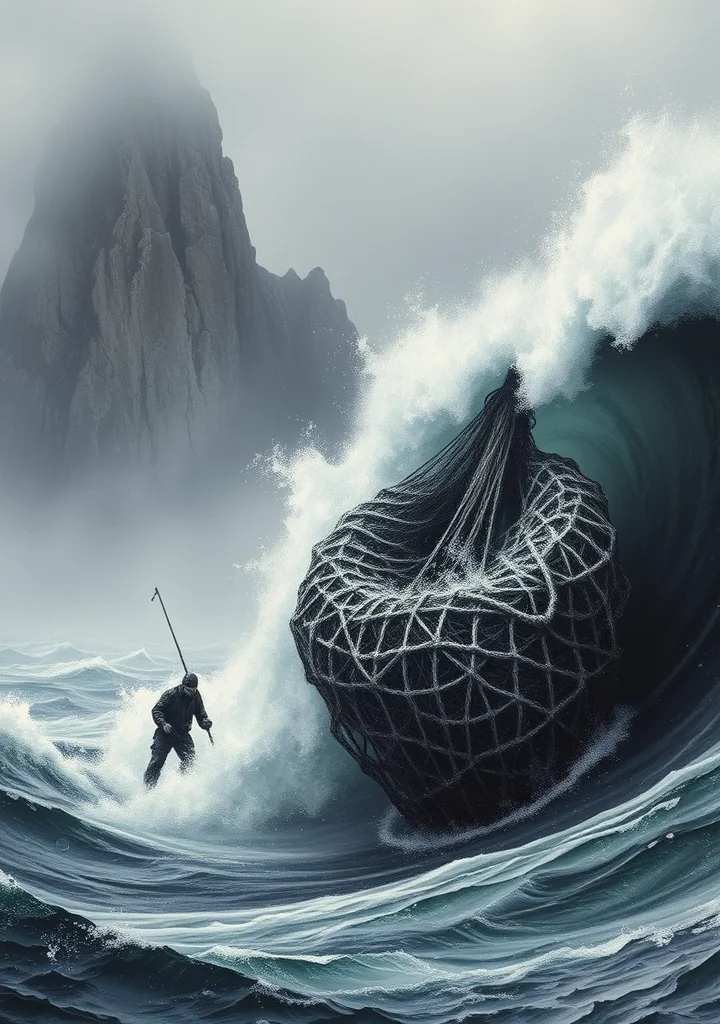
The granite breath of the coast chills to the bone. This is a story steeped in brine and shadowed by the relentless grey of the ocean’s hunger. A man forged from the very rocks he clings to – Gilliatt – wrestles not just with the sea’s fury, but with a grief that’s become as vast and unforgiving as the waters themselves. Each wave that crashes against the shore echoes with the weight of a stolen future, a lost love buried beneath the shifting sands. The air hangs thick with the scent of salt and decay, clinging to the weathered timbers of ships and the hollowed faces of those who dare to challenge the sea’s dominion. A creeping dread settles with the fog, mirroring the insidious corruption that festers within the heart of the island’s decaying aristocracy. The narrative is one of relentless struggle – a man battling not merely for survival, but for a sliver of redemption amidst a landscape that seems determined to swallow all hope. The sea is a character here, breathing, living, demanding sacrifice. It’s a world where the boundaries between man and beast blur, where the desperate acts of both are indistinguishable, and where the only certainty is the cold, indifferent gaze of the looming horizon. The darkness isn't simply *in* the sea, it *is* the sea, seeping into the very soul of every character who dares to look too closely.

Copyright: Public Domain
This license allows anyone to use your story for any purpose, including printing, selling, or adapting it into a film freely.
Chapter List

120

Recommended for you
56 Part
A creeping dread clings to the shadowed corners of Jurgen’s world, a land steeped in the melancholic decay of ancient magic. The tale unfolds as a descent into a half-remembered nightmare, where the boundaries between dream and reality blur with each echoing chime of distant bells. Jurgen himself, a man of humble origins, is swept into a labyrinth of perverse desires and forgotten gods. His journey is not one of heroism, but of insidious corruption, a slow unraveling of innocence amidst courts of spectral royalty and monstrous appetites. The air hangs thick with the scent of moldering tapestries and the rustle of unseen things. Forests breathe with a sentience both alluring and terrifying, and the laughter of faeries carries the chilling promise of stolen souls. Every encounter feels less like progress and more like a tightening coil around the heart. A pervasive sense of loneliness permeates the narrative; Jurgen is always just beyond reach, a phantom glimpsed through fogged windows. The story breathes with a morbid elegance, a decadent rot blossoming beneath a veneer of polite society. It’s a world where kindness is a curse, and every act of love is shadowed by a looming, unspeakable price. The landscapes themselves seem to weep, mirroring the slow, agonizing erosion of Jurgen’s spirit as he becomes irrevocably entangled in the web of his own making. It’s a descent into a darkness that promises not oblivion, but a twisted, eternal mockery of life.
35 Part
A creeping dread clings to the crumbling estates of the Rohmer estate, a legacy steeped in shadow and whispered blasphemies. The air hangs thick with the scent of decay and the cloying sweetness of night-blooming jasmine, mirroring the rot within the ancestral line. Here, amidst the suffocating grandeur of decaying manor houses and forgotten crypts, a lineage cursed by ancient pacts stirs. The narrative unfolds as a descent into a suffocating matriarchy—a dynasty of women who weave their power from the loam of the land, from the bones of their ancestors. Each generation births a witch-queen, her beauty a gilded cage concealing an iron will and a hunger that transcends mortality. A chilling wind howls through the skeletal branches of ancient oaks, carrying the screams of those who dared to cross the threshold of the Black Abbey—the heart of the Queen’s dominion. The shadows lengthen, twisting into monstrous shapes that writhe with the secrets of the family’s pact with the darkness. This is not a tale of mere witchcraft, but a chronicle of possession, of bodies and wills surrendered to a hunger that predates the stones themselves. It’s a suffocating atmosphere of inherited madness and the insidious corruption of bloodlines, where every kiss is a binding, every birth a sacrifice to the Queen's insatiable hunger. The very earth breathes with her malice, and the ancient stones weep with the sorrow of those consumed by her shadow. The narrative is a spiral into a darkness where the veil between worlds thins, and the boundaries between sanity and oblivion dissolve into a suffocating, sweet-rotted haze.
32 Part
The salt-laced wind howls through skeletal chaparral, mirroring the desperation clawing at the throats of men adrift in a California bleached bone-white by sun and regret. Edison Marshall doesn’t offer cowboys or gunfights, but a creeping dread born of isolation, of land that swallows men whole and spits out their ghosts to wander the canyons. Here, the ranchers—the “shepherds”—are less masters of cattle than wardens of a crumbling dominion, haunted by the specter of Spanish conquest and the whispers of native spirits driven to madness. Dust devils dance with the memories of slaughtered herds, the phantom cries of women lost to the desert’s embrace. The narrative unfolds as a slow bleed of violence, not from quick draws but from the rot within families fractured by ambition and thirst. Every cracked adobe wall breathes with the weight of inherited sins, every shadow cast by a Joshua tree seems to lengthen into the shape of a noose. The land itself is a character—a vast, indifferent god demanding sacrifice. The men who cling to it, driven by a desperate need to build something lasting from dust and decay, are shadowed by the realization that they are building their tombs, not empires. This isn't a tale of the West won, but of the West *consuming*, leaving only hollowed men and the bleached bones of a kingdom built on sand. The air is thick with the scent of sage and the metallic tang of blood, both old and freshly spilled, clinging to the canyons like a shroud.
41 Part
A creeping dread clings to the shadowed corners of Blackwood Manor, where the decaying legacy of the Festus family festers like a wound refusing to heal. The narrative unfolds not as a story *told*, but as one *breathed* from the very stones of the estate, a suffocating presence woven into the tapestry of perpetual twilight. Each chamber exhumes the scent of mildew and regret, echoing with the phantom footsteps of generations consumed by an insidious, inherited madness. The air hangs thick with the weight of unspoken sins – whispers of alchemical experiments gone awry, of pacts forged with something ancient and hungry beneath the moor. A slow rot permeates the land, mirroring the dissolution of the Festus lineage, each heir more spectral, more fractured than the last. The novel doesn’t merely depict horror; it *becomes* it – a labyrinth of suffocating hallways, choked gardens, and the unsettling stillness of portraits whose eyes follow you with a chilling, predatory intelligence. Expect a descent into a suffocating claustrophobia of the mind, where the boundaries between dream and nightmare dissolve into a single, suffocating darkness. The landscape itself is a character, a brooding, desolate expanse that feeds on the sanity of those who dare to linger within its grasp. It is a place where the past doesn’t haunt you, it *becomes* you, molding flesh and bone to the shape of Blackwood’s unending sorrow. The narrative unfolds with the slow, deliberate cadence of a coffin being lowered into the earth, each chapter a layer of dust settling upon a forgotten grave.