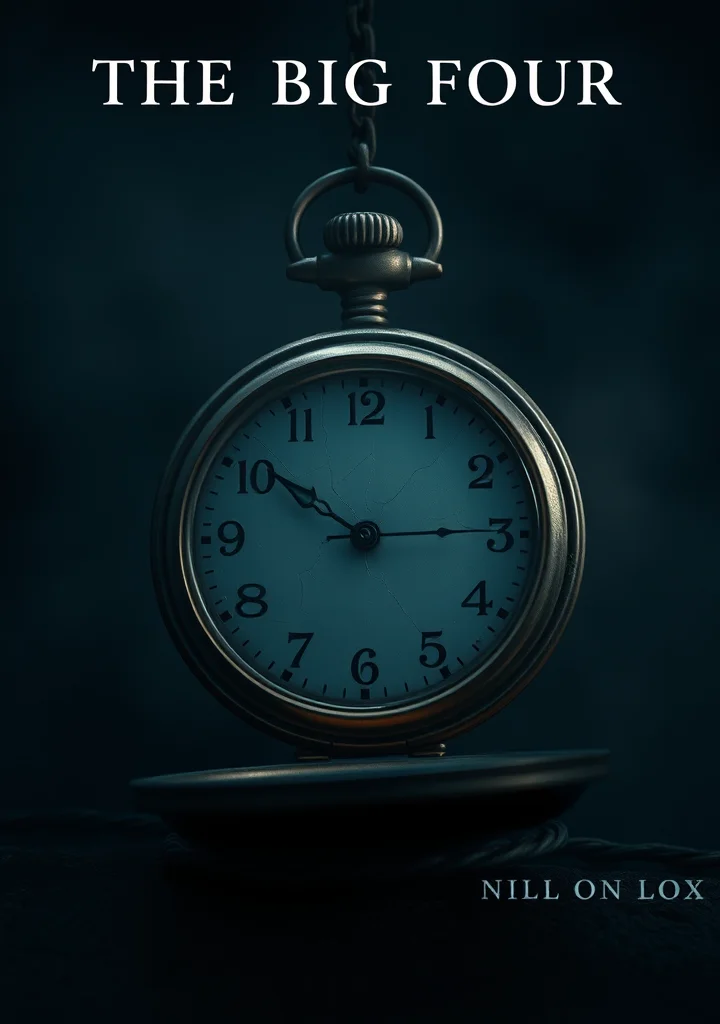

The Big Four
  • 139
  • 0
  • 19
  • Reads 139
  • 0
  • Part 19
Completed, First published Mar 02, 2026

A creeping dread settles over the reader as the shadows of WWI still cling to the damp London streets. The air tastes of coal smoke and unspoken anxieties. This is not merely a mystery, but a descent into a meticulously constructed web of fear—a suffocating atmosphere woven around the figure of Henriquet, a man haunted by a legacy of menace. The narrative unfolds like a slow poison, dripping with suspicion and punctuated by the chilling precision of a mastermind operating from the darkest corners of the Empire. Every encounter feels shadowed, every motive laced with a desperation born of something far beyond mere greed. The narrative clings to you like a fog, blurring the lines between ally and enemy, reality and illusion. A claustrophobic tension builds, not from the speed of plot, but from the suffocating sense that every breath taken is observed, every path walked leads only deeper into the labyrinth of a single, terrifying will. The scent of decay permeates the very stones of London, mirroring the rot at the heart of this conspiracy, and leaving you with a lingering unease long after the final, calculated blow is struck.
Copyright: Public Domain
This license allows anyone to use your story for any purpose, including printing, selling, or adapting it into a film freely.
Recommended for you
6 Part
Dust motes dance in the gaslight of provincial theaters, clinging to the velvet drapes and the tarnished gilt of crumbling grandeur. A fever dream of ambition, *Lost Illusions* unfolds in a Paris steeped in shadow, where the scent of stale perfume mingles with the bitterness of thwarted dreams. The novel breathes with the stifled sighs of Lucien de Rubempré, a provincial editor cast adrift in a sea of cynical brilliance. Every cobbled street echoes with whispered betrayals, every drawing room glitters with the venom of social climbing. The air thickens with the rot of compromised ideals; a suffocating perfume of decaying morality. It’s a city of mirrors, reflecting not truth but the grotesque distortions of power. The narrative clings to you like a damp shroud, revealing a world where talent is bartered for influence, and innocence is devoured by the ravenous maw of the press. The characters move through perpetual twilight, haunted by the ghosts of their own making. Each revelation is a splinter of ice in the heart, each success a further descent into a labyrinth of disillusionment. The prose itself feels aged, brittle as parchment, stained with the ink of regret. It is a slow, insidious unraveling, a descent into the suffocating darkness where hope is extinguished, and only the hollow echoes of ambition remain. The final pages leave a residue of ash and despair, a chilling testament to the price of vanity and the corrosive nature of ambition.
23 Part
Beneath a bruised, equatorial sky, where the jungle breathes with suffocating humidity, this is not the Tarzan of legend, but a descent into a fever-dream of forgotten civilizations. The familiar echoes of his apanage are warped by the discovery of a subterranean world—a hive of chitinous bodies and clicking mandibles, a kingdom carved from the earth’s decaying heart. Here, amidst phosphorescent fungi and the drip of unseen waters, the line between man and insect blurs, and the savage grace of Tarzan is tested against a horror older than the jungle itself. The air hangs thick with the scent of decay and something acridly sweet, a perfume of living rot. Ancient, cyclopean structures rise from the darkness, their surfaces crawling with a silent, insidious life. This is a realm of perpetual twilight, where shadows twist into monstrous shapes and the whispers of the ant-men carry on currents of suffocating dread. Tarzan’s strength is not enough to conquer, only to survive, as he unravels a lineage of monstrous royalty and discovers that the apes of his youth were but a pale imitation of the true masters of this green hell. A creeping paranoia blooms within him, fueled by the knowledge that every grain of sand, every drop of water, holds the potential for a million biting, stinging deaths. It is a descent into a darkness where the very soil seems to conspire against him, and where the screams of the jungle are drowned out by the relentless, chitinous chorus of the underworld.
19 Part
Beneath the sun-bleached stones of Sicily, a shadow descends. Not of bandits or political intrigue, but a creeping dread woven into the very fabric of ancient villas and crumbling chapels. The narrative unfolds within a labyrinth of sun-drenched courtyards concealing forgotten histories, and the scent of jasmine masking the rot of decaying grandeur. A young Englishwoman, adrift in a land of simmering passions and veiled secrets, finds herself drawn into a family’s fractured legacy—a legacy haunted by whispers of a tragic past. The air hangs thick with the weight of unfulfilled desires, and the heat breeds not just fever, but a suffocating claustrophobia. Each crumbling archway seems to observe, each darkened corridor to breathe with the ghosts of those who succumbed to melancholy. The landscape itself becomes a character—a brutal beauty that both lures and threatens. A slow unraveling of the heroine’s composure occurs as she navigates a treacherous dance between duty and desire, guided by a charismatic nobleman whose own shadow-self is barely contained. The romance, as it blooms, is laced with the venom of suspicion. Every stolen glance, every whispered confession, is shadowed by the possibility of deception. The story is less about the passion between two souls, and more about the suffocating atmosphere that threatens to swallow them both—a suffocating atmosphere born of isolation, ancient curses, and the slow, insidious decay of a noble line. The Sicilian soil itself seems to drink the light, leaving only an eternal twilight clinging to the heart of the story.