
-
Read 1.4K
-
0
-
Part 125
Completed, First published Mar 02, 2026
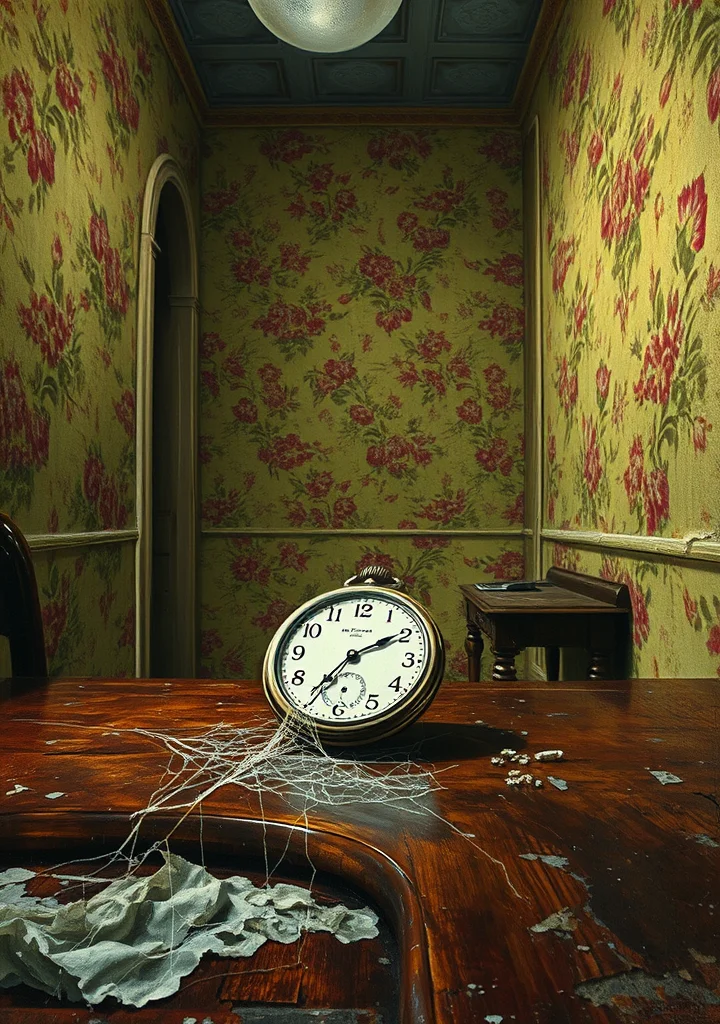
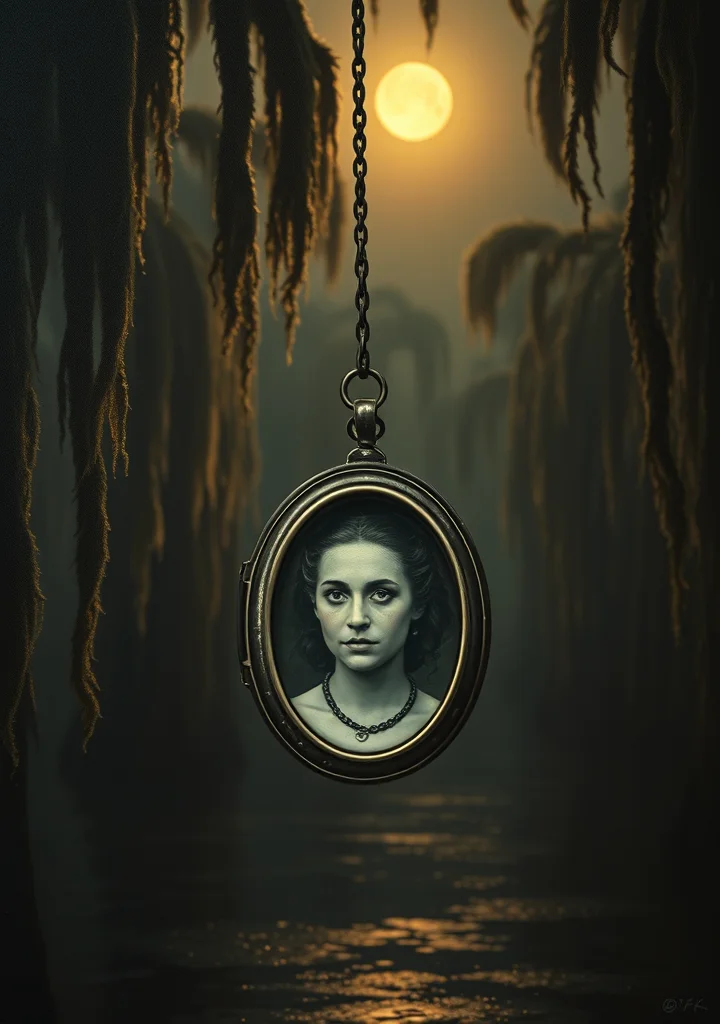
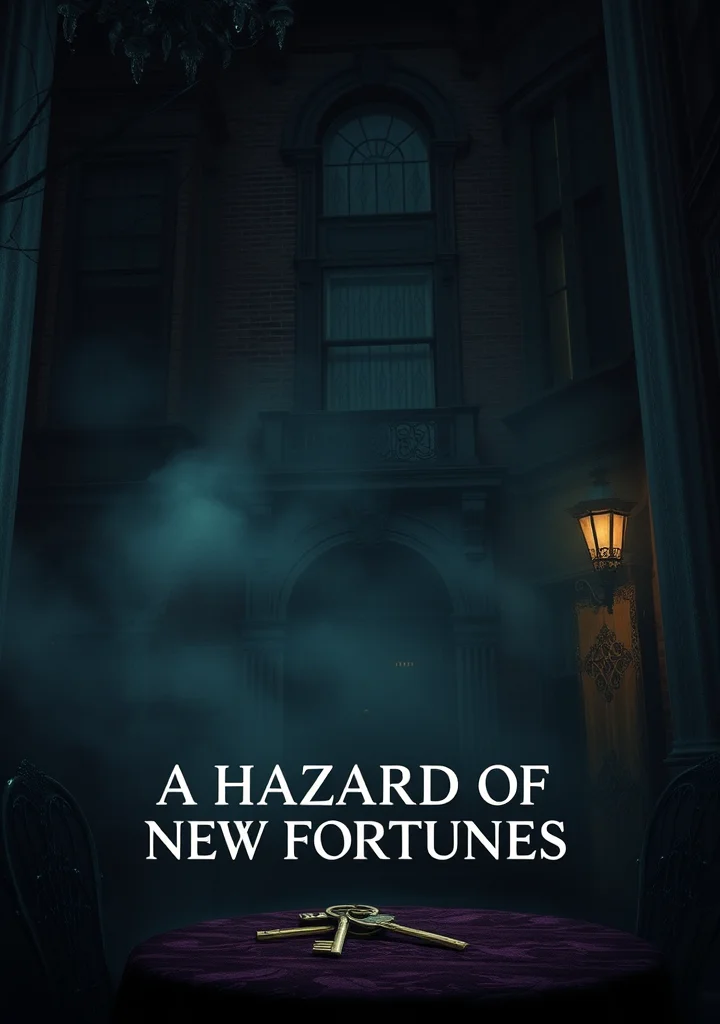
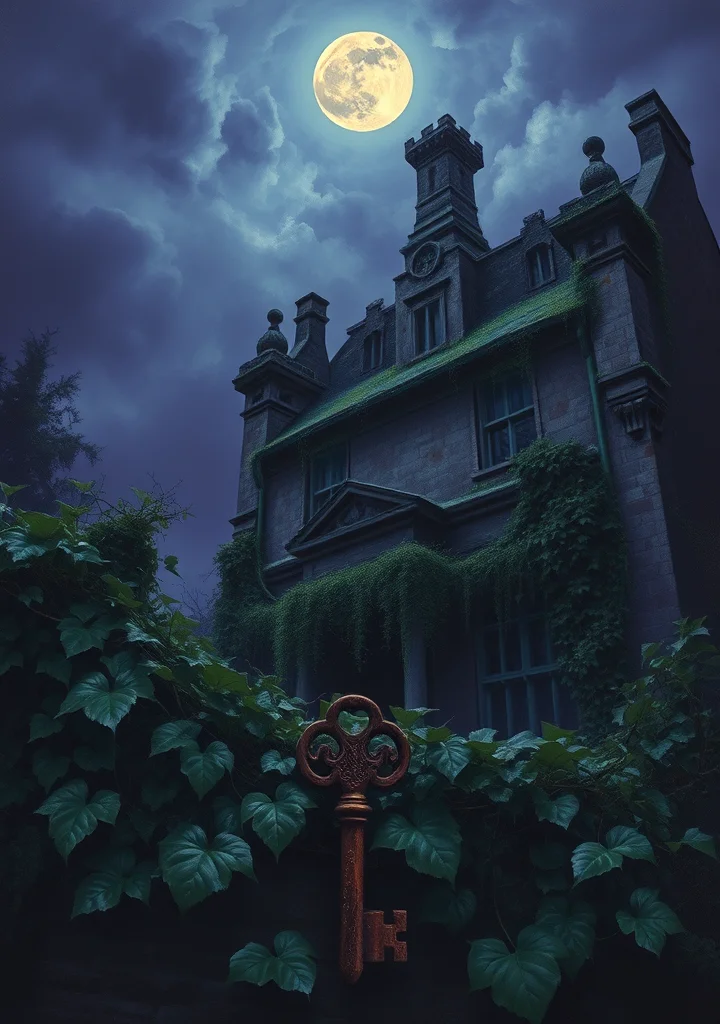
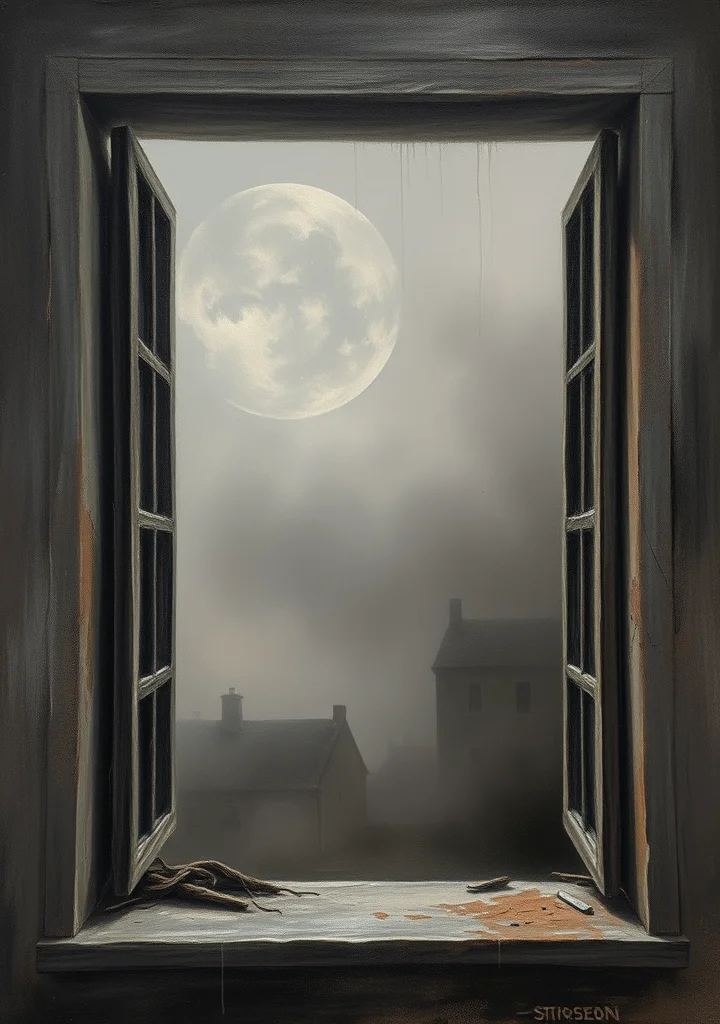
Dust motes dance in perpetual twilight within these pages, mirroring the spectral lives clinging to the shadowed corners of Ireland’s decaying estates. Le Fanu doesn’t deal in shrieks and gore, but in a creeping dread born of isolation, inherited guilt, and the insidious whispers of the unseen. Each tale unfolds like a slow poisoning, a gradual erosion of sanity witnessed through the eyes of those too keenly aware of the world’s darker currents.
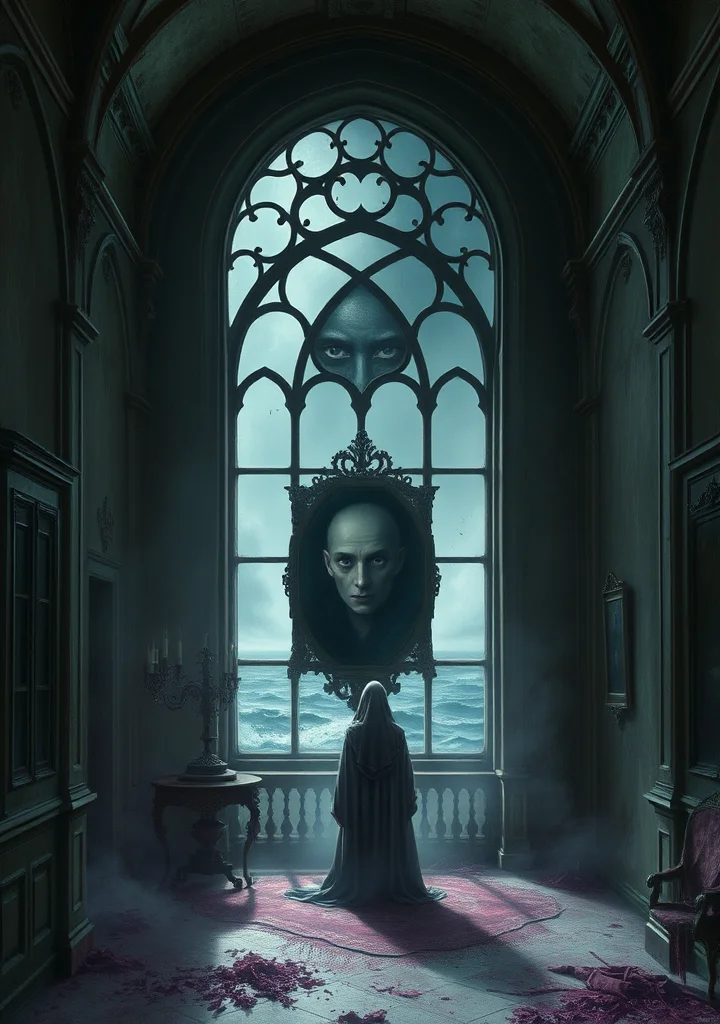
Expect damp stone hallways echoing with forgotten prayers, portraits whose eyes follow your every move, and the suffocating weight of ancestral secrets. The true horror resides not in what is revealed, but in the suffocating certainty that something *watches* from the periphery, just beyond the reach of lamplight. A pervasive melancholy hangs over every sentence, a sense of inevitability that chills the bone more effectively than any overt monster. These are stories best read with the curtains drawn, a single candle flickering against the encroaching darkness, and a prayer offered to ward off the things that stir when the wind howls through the bogs. The air itself seems to thicken with the scent of decay and regret.
Copyright: Public Domain
This license allows anyone to use your story for any purpose, including printing, selling, or adapting it into a film freely.
This license allows anyone to use your story for any purpose, including printing, selling, or adapting it into a film freely.
Chapter List
-
« Short Fiction »📖 Continue Reading
-
« The Ghost and the Bonesetter »
-
« Chapter_4 »
-
« The Last Heir of Castle Connor »
-
« Chapter_6 »
-
« Passage in the Secret History of an Irish Countess »
-
« The Bridal of Carrigvarah »
-
« Strange Event in the Life of Schalken the Painter »
-
« Scraps of Hibernian Ballads »
-
« Jim Sulivan’s Adventures in the Great Snow »
-
« A Chapter in the History of a Tyrone Family »
-
« Introduction »
-
« An Adventure of Hardress Fitzgerald, a Royalist Captain »
-
« “The Quare Gander” »
-
« Spalatro »
-
« The Fatal Bride »
-
« The Mysterious Lodger »
-
« Billy Malowney’s Taste of Love and Glory »
-
« Ghost Stories of Chapelizod »
-
« The Village Bully »
-
« The Sexton’s Adventure »
-
« The Spectre Lovers »
-
« Some Gossip About Chapelizod »
-
« An Account of Some Strange Disturbances in Aungier Street »
-
« Ultor de Lacy »
-
« I »
-
« II »
-
« III »
-
« IV »
-
« V »
-
« VI »
-
« VII »
-
« VIII »
-
« Borrhomeo the Astrologer »
-
« An Authentic Narrative of a Haunted House »
-
« My Aunt Margaret’s Adventure »
-
« I »
-
« II »
-
« III »
-
« IV »
-
« V »
-
« VI »
-
« VII »
-
« VIII »
-
« IX »
-
« X »
-
« Wicked Captain Walshawe, of Wauling »
-
« I »
-
« II »
-
« III »
-
« IV »
-
« V »
-
« VI »
-
« VII »
-
« Conclusion »
-
« Squire Toby’s Will »
-
« Green Tea »
-
« Prologue »
-
« I »
-
« II »
-
« III »
-
« IV »
-
« V »
-
« VI »
-
« VII »
-
« VIII »
-
« IX »
-
« X »
-
« Conclusion »
-
« The Child That Went with the Fairies »
-
« The White Cat of Drumgunniol »
-
« Stories of Lough Guir »
-
« The Magician Earl »
-
« Moll Rial’s Adventure »
-
« The Banshee »
-
« The Governess’s Dream »
-
« The Earl’s Hall »
-
« The Vision of Tom Chuff »
-
« Madam Crowl’s Ghost »
-
« Carmilla »
-
« Prologue »
-
« I »
-
« II »
-
« III »
-
« IV »
-
« V »
-
« VI »
-
« VII »
-
« VIII »
-
« IX »
-
« X »
-
« XI »
-
« XII »
-
« XIII »
-
« XIV »
-
« XV »
-
« XVI »
-
« The Dead Sexton »
-
« Mr.Justice Harbottle »
-
« Prologue »
-
« I »
-
« II »
-
« III »
-
« IV »
-
« V »
-
« VI »
-
« VII »
-
« VIII »
-
« IX »
-
« The Familiar »
-
« Prologue »
-
« I »
-
« II »
-
« III »
-
« IV »
-
« V »
-
« VI »
-
« VII »
-
« VIII »
-
« IX »
-
« Chapter_126 »
-
« Sir Dominick’s Bargain »
-
« Laura Silver Bell »
-
« Dickon the Devil »
-
« Hyacinth O’Toole »
125
-
« Short Fiction »
-
« The Ghost and the Bonesetter »
-
« Chapter_4 »
-
« The Last Heir of Castle Connor »
-
« Chapter_6 »
-
« Passage in the Secret History of an Irish Countess »
-
« The Bridal of Carrigvarah »
-
« Strange Event in the Life of Schalken the Painter »
-
« Scraps of Hibernian Ballads »
-
« Jim Sulivan’s Adventures in the Great Snow »
-
« A Chapter in the History of a Tyrone Family »
-
« Introduction »
-
« An Adventure of Hardress Fitzgerald, a Royalist Captain »
-
« “The Quare Gander” »
-
« Spalatro »
-
« The Fatal Bride »
-
« The Mysterious Lodger »
-
« Billy Malowney’s Taste of Love and Glory »
-
« Ghost Stories of Chapelizod »
-
« The Village Bully »
-
« The Sexton’s Adventure »
-
« The Spectre Lovers »
-
« Some Gossip About Chapelizod »
-
« An Account of Some Strange Disturbances in Aungier Street »
-
« Ultor de Lacy »
-
« I »
-
« II »
-
« III »
-
« IV »
-
« V »
-
« VI »
-
« VII »
-
« VIII »
-
« Borrhomeo the Astrologer »
-
« An Authentic Narrative of a Haunted House »
-
« My Aunt Margaret’s Adventure »
-
« I »
-
« II »
-
« III »
-
« IV »
-
« V »
-
« VI »
-
« VII »
-
« VIII »
-
« IX »
-
« X »
-
« Wicked Captain Walshawe, of Wauling »
-
« I »
-
« II »
-
« III »
-
« IV »
-
« V »
-
« VI »
-
« VII »
-
« Conclusion »
-
« Squire Toby’s Will »
-
« Green Tea »
-
« Prologue »
-
« I »
-
« II »
-
« III »
-
« IV »
-
« V »
-
« VI »
-
« VII »
-
« VIII »
-
« IX »
-
« X »
-
« Conclusion »
-
« The Child That Went with the Fairies »
-
« The White Cat of Drumgunniol »
-
« Stories of Lough Guir »
-
« The Magician Earl »
-
« Moll Rial’s Adventure »
-
« The Banshee »
-
« The Governess’s Dream »
-
« The Earl’s Hall »
-
« The Vision of Tom Chuff »
-
« Madam Crowl’s Ghost »
-
« Carmilla »
-
« Prologue »
-
« I »
-
« II »
-
« III »
-
« IV »
-
« V »
-
« VI »
-
« VII »
-
« VIII »
-
« IX »
-
« X »
-
« XI »
-
« XII »
-
« XIII »
-
« XIV »
-
« XV »
-
« XVI »
-
« The Dead Sexton »
-
« Mr.Justice Harbottle »
-
« Prologue »
-
« I »
-
« II »
-
« III »
-
« IV »
-
« V »
-
« VI »
-
« VII »
-
« VIII »
-
« IX »
-
« The Familiar »
-
« Prologue »
-
« I »
-
« II »
-
« III »
-
« IV »
-
« V »
-
« VI »
-
« VII »
-
« VIII »
-
« IX »
-
« Chapter_126 »
-
« Sir Dominick’s Bargain »
-
« Laura Silver Bell »
-
« Dickon the Devil »
-
« Hyacinth O’Toole »
More like this