
The Swiss Family Robinson
  • 563
  • 0
  • 41
  • Read 563
  • 0
  • Part 41
Completed, First published Mar 02, 2026

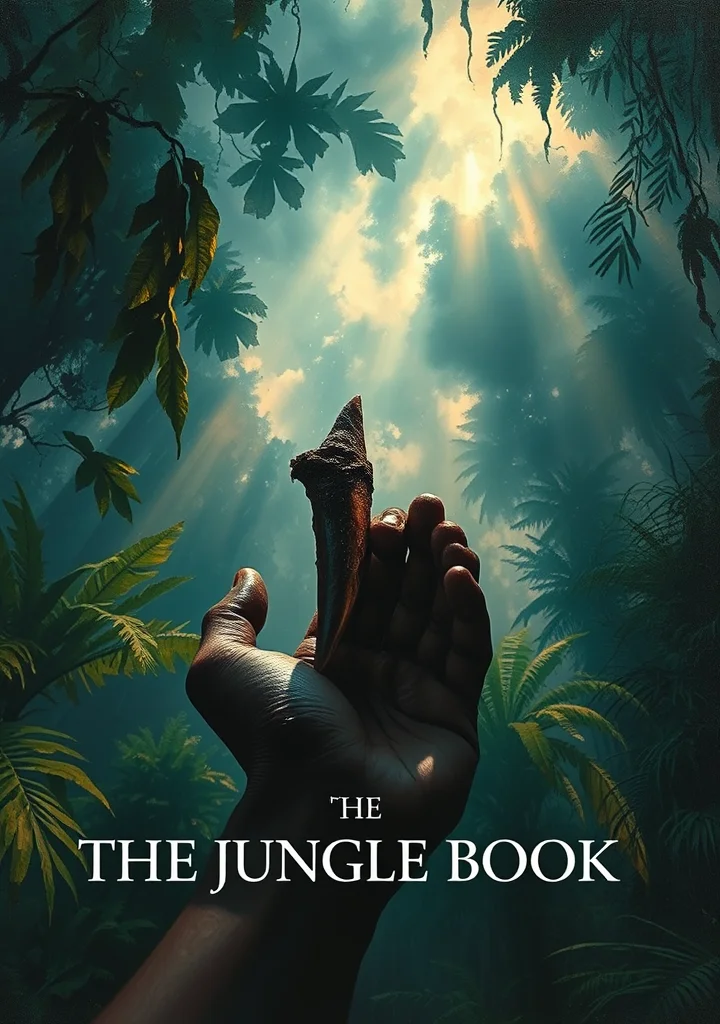
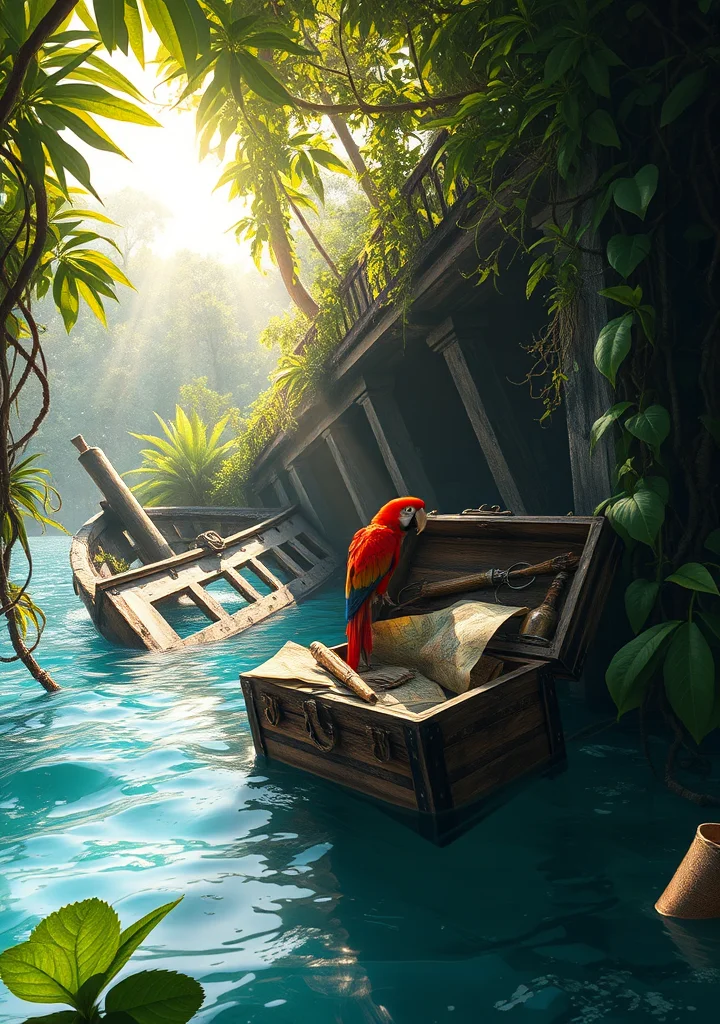
Sun-drenched wreckage yields to emerald decay. Palm fronds whisper secrets of a forgotten shore, where the scent of brine mingles with the rot of ambition. This is not paradise found, but a gilded cage woven from splintered masts and the feverish hope of survival. The air hangs thick with the weight of paternal authority, a stifling piety clinging to each salvaged plank and painstakingly cultivated vine. But beneath the veneer of domesticity, the jungle breathes with a hungry indifference. Shadows lengthen with each passing storm, mirroring the fraying edges of faith and the creeping realization that their island sanctuary is less a haven and more a verdant mausoleum. The meticulous order they build is a desperate bulwark against the primal chaos—a futile attempt to cage the untamed within the confines of their own making. A creeping dread, not of beasts or storms, but of the suffocating sameness, the slow unraveling of a family bound by circumstance and shadowed by the ghosts of a life left behind. The very palm trees seem to lean in, listening for the cracks in their fabricated Eden, waiting to swallow them whole.
Copyright: Public Domain
This license allows anyone to use your story for any purpose, including printing, selling, or adapting it into a film freely.
Chapter List
More like this
68 Part
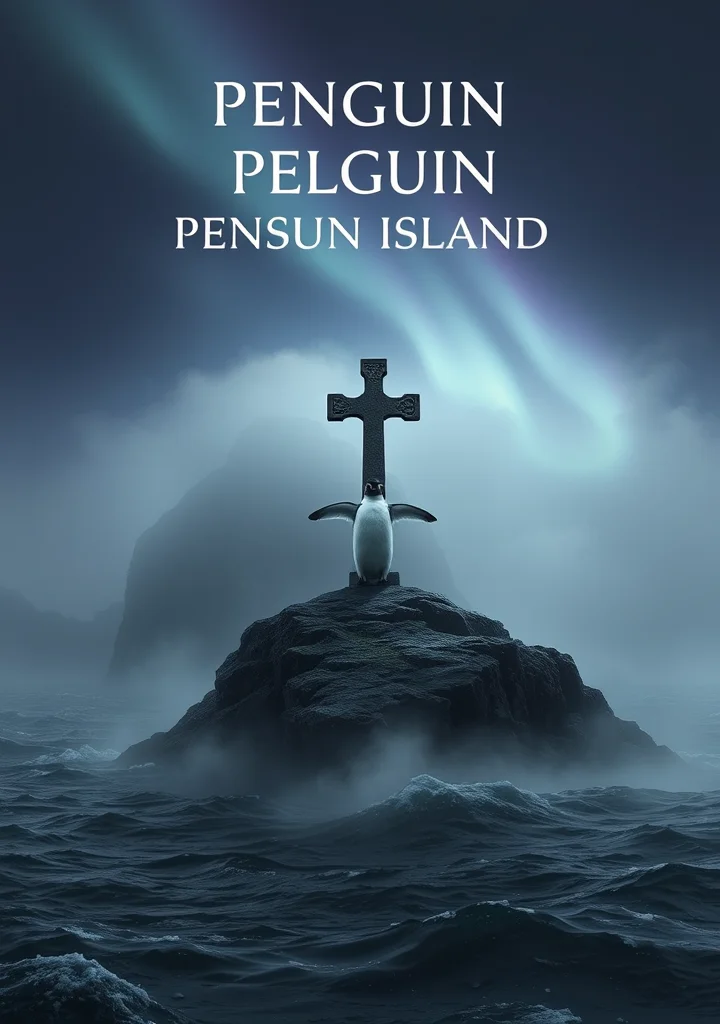
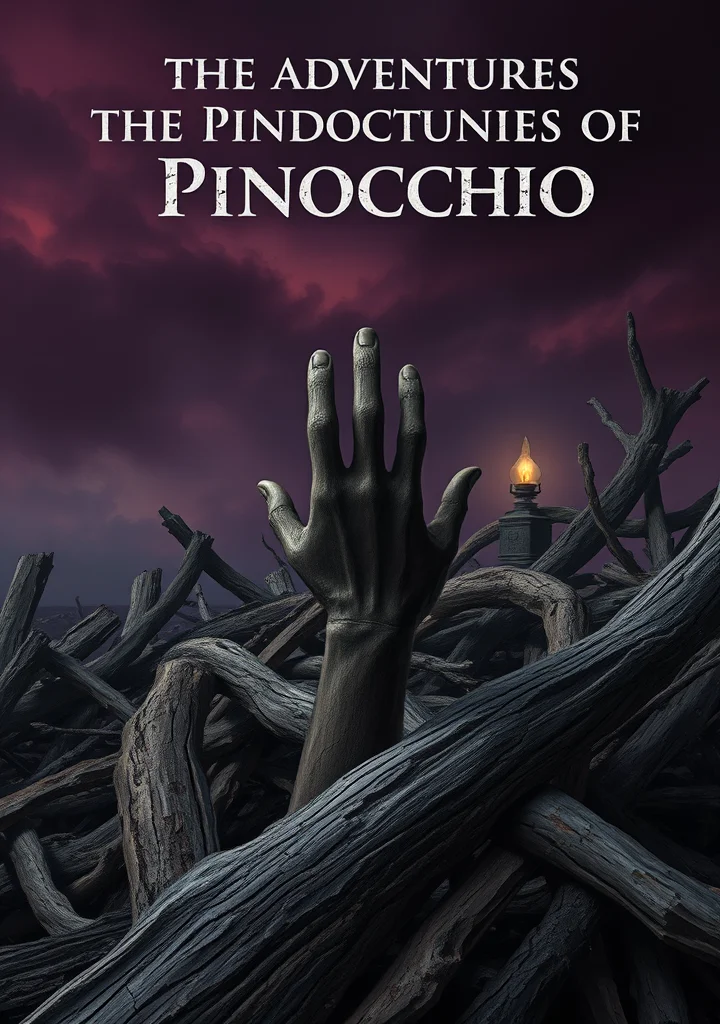
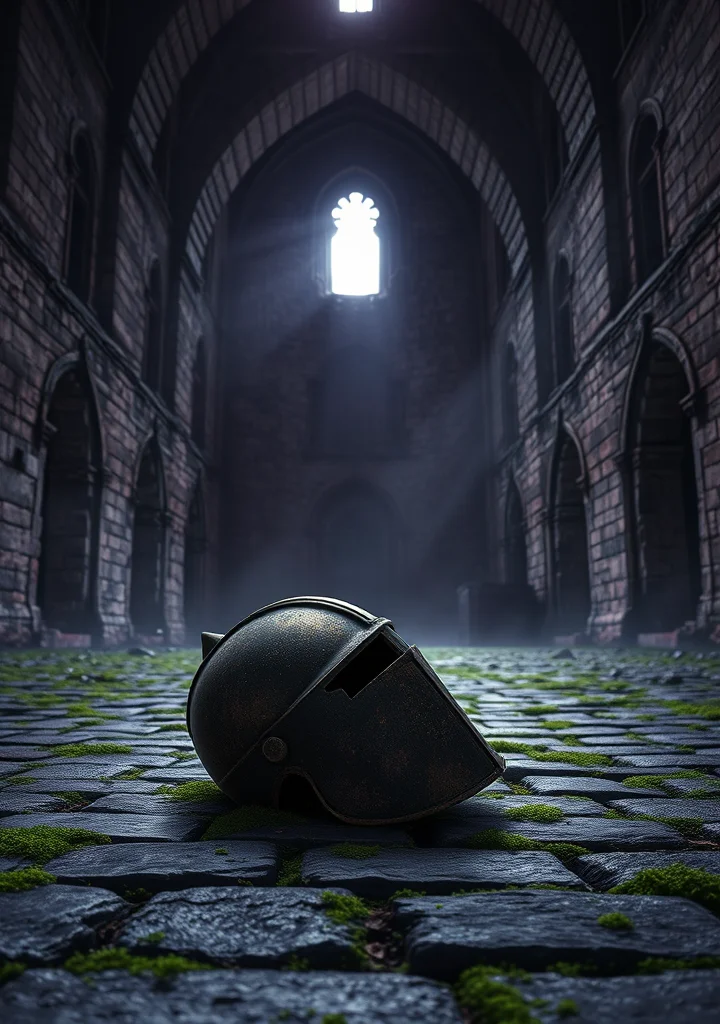
A creeping fog clings to the shores of Penguin Island, a land born not of earth but of the icy breath of the North Atlantic. The narrative drifts like wreckage on a grey sea, charting the history of a colony of penguins who, through a perverse twist of evolution and the dubious guidance of a shipwrecked priest, claim lineage from the ancient Celts. It’s a history soaked in brine and shadowed by the perpetual twilight of the Southern Ocean. The island itself is a crumbling monastery of stone and feather, where the penguin-priests chant in echoing caves, their rituals laced with a melancholic, avian piety. The air hangs heavy with the scent of fish and decay, a constant reminder of the island’s isolation. Each chapter unravels like a barnacle encrusting a forgotten hull, revealing a world where theological debate is punctuated by the screech of gulls and the mournful cry of the wind. A slow, deliberate rot pervades the narrative; the crumbling faith, the decaying structures, the very bodies of the penguins themselves seem destined to dissolve back into the churning, unforgiving sea. There’s a pervasive sense of the absurd, a mocking grandeur that clings to the story like seaweed to a drowned man’s limbs. It’s a gothic fable woven from salt spray, philosophical despair, and the unsettling, uncanny gaze of creatures forever poised between heaven and the icy abyss. The island doesn’t yield to understanding, it *consumes* it, leaving only a chill and the whisper of wings in the perpetual fog.
38 Part
A creeping dread clings to the Irish coast, thick as the bog mire that swallows men whole. Stephens weaves a tale not of heaven or hell, but of the liminal spaces between, where the remnants of ancient, pagan deities bleed into the fractured lives of mortals. The narrative unfolds within a suffocating village steeped in superstition, where whispers of forgotten gods stir in the peat smoke and the sea’s cold breath carries the scent of something older than time. Each character is a fractured vessel—a priest haunted by visions, a woman possessed by a spectral sorrow, a boy touched by the cold hand of the otherworld. Their desires, their failures, their very breaths seem drawn from the decaying grandeur of a lost age. The world isn’t simply haunted; it *is* haunting—a slow rot of the soul mirroring the crumbling stone circles and the drowned chapels swallowed by the relentless tide. The prose itself feels like unearthed bone, brittle and cold, layered with the scent of brine and decay. Stephens doesn’t offer salvation, only a glimpse into the echoing emptiness where the gods once walked, leaving behind only echoes of their power and the lingering stain of their absence. It’s a world where the boundaries between reality and nightmare blur, where every shadow holds a watchful eye, and the very earth seems to breathe with a mournful, forgotten hunger. The air tastes of salt and regret, and the story unfolds like a slow, inexorable drowning in the grey light of a dying world.
33 Part
Beneath a veil of perpetual twilight, where ancient forests breathe secrets into the stone of crumbling castles, lies a kingdom shadowed by forgotten paths and the chittering hunger of goblin kind. This is not a tale of valiant knights and gleaming steel, but one of hearth-lit wonder and creeping dread. A princess, luminous and innocent, wanders these shadowed realms guided by a nurse’s lore of hidden doors and the watchful gaze of unseen protectors. Yet, the earth itself remembers the goblins' claim, their greed a festering wound in the mountain’s heart. The air hangs thick with the scent of damp earth and decaying leaves, echoing with the rhythmic thump of goblin hammers and the whispers of a world just beyond the threshold of waking dreams. Every shadow stretches a little longer, every stone seems to watch with cold, ancient eyes. A descent into a labyrinth of winding tunnels, where the very rock weeps with the memory of forgotten miners and the glint of goblin treasure masks a deeper, more insidious hunger. This is a story woven with the threads of childhood wonder, but laced with the chilling awareness of something ancient and malevolent stirring beneath the soil. It is a world where kindness and courage become the brightest lanterns against a darkness that claws at the edges of reality, where the smallest act of faith can illuminate the path to salvation, or lead the unwary soul into the cold, unyielding embrace of the goblin’s lair. A creeping unease settles upon the reader as they journey alongside the princess, drawn into a realm where the boundary between dream and nightmare dissolves with every echoing step.
25 Part
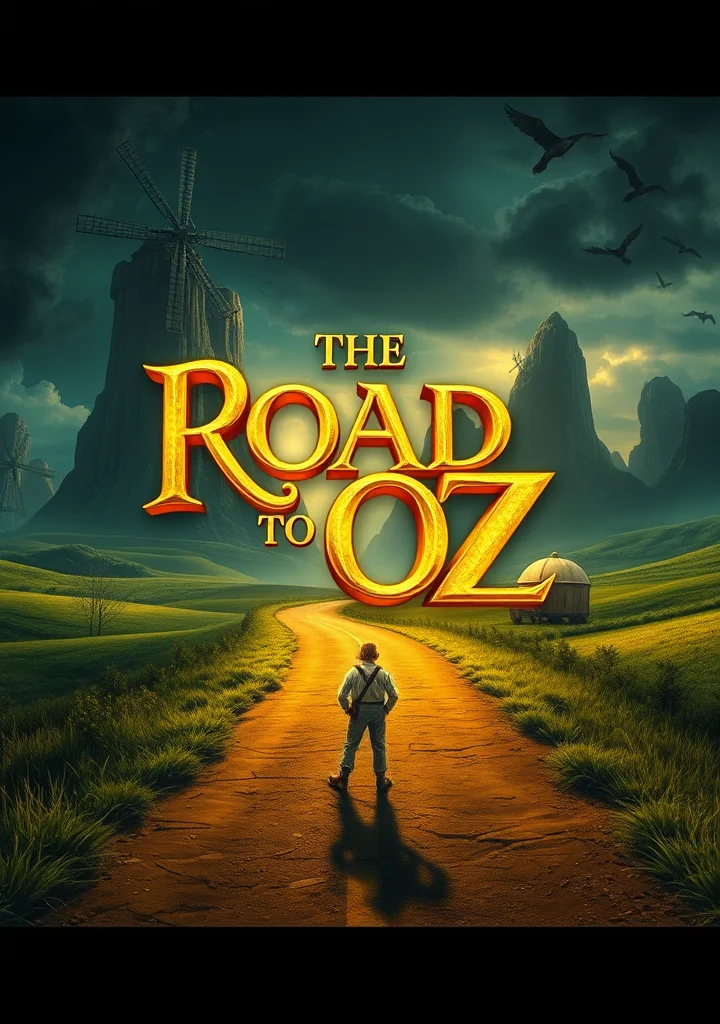
A creeping mist clings to the painted lawns of Ozma’s kingdom, a land perpetually twilight-veiled. Not the vibrant, sun-drenched Oz of Dorothy’s first journey, but a realm of shadowed groves and whispering stone. Here, enchantment curdles into a brittle stillness, where the laughter of fairy folk feels less like joy and more like the echo of forgotten promises. The air hangs thick with the scent of decaying blossoms and damp earth, a fragrance that clings to the velvet robes of the Princess herself. This is an Oz where enchantment is fracturing, where the very magic that birthed the land seems to weep into the soil. The narrative unfolds like a fever dream, a labyrinth of emerald corridors and echoing caverns. Lost within this labyrinth, a young boy is ensnared by a sorceress whose beauty masks a heart of frost. She doesn’t crave dominion, but *absence* – the slow unraveling of Oz’s shimmering threads. The story bleeds into a world of living statues, haunted forests teeming with grotesque bird-like creatures, and the unnerving calm of an underground kingdom built on bone. A creeping dread permeates every chapter, as the characters stumble through a landscape where every turn reveals a new, unsettling reflection of their own vulnerabilities. The familiar comforts of Oz are replaced by an exquisite melancholy, a sense that something beautiful is slowly, irrevocably fading into dust. It is a journey not towards a happy ending, but into the heart of a gilded ruin.
23 Part
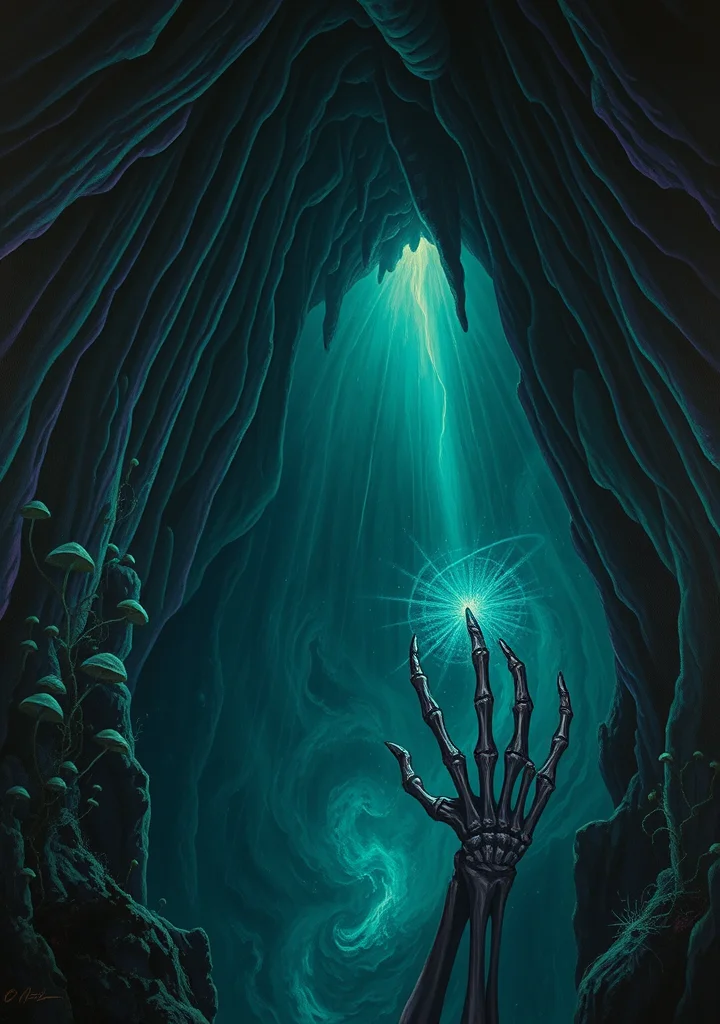
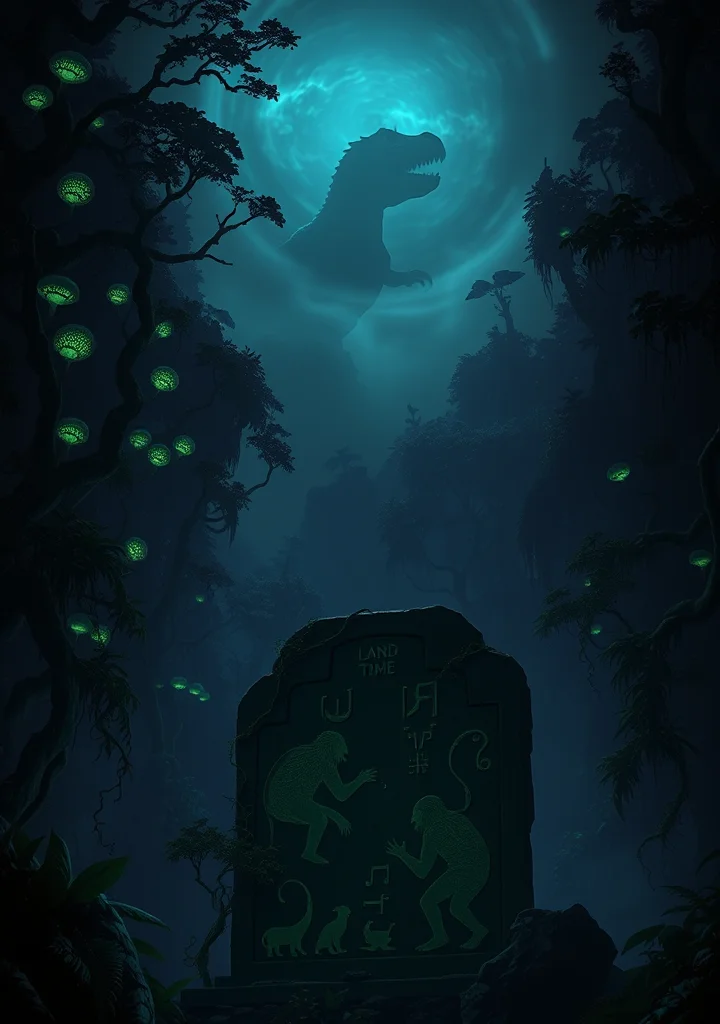
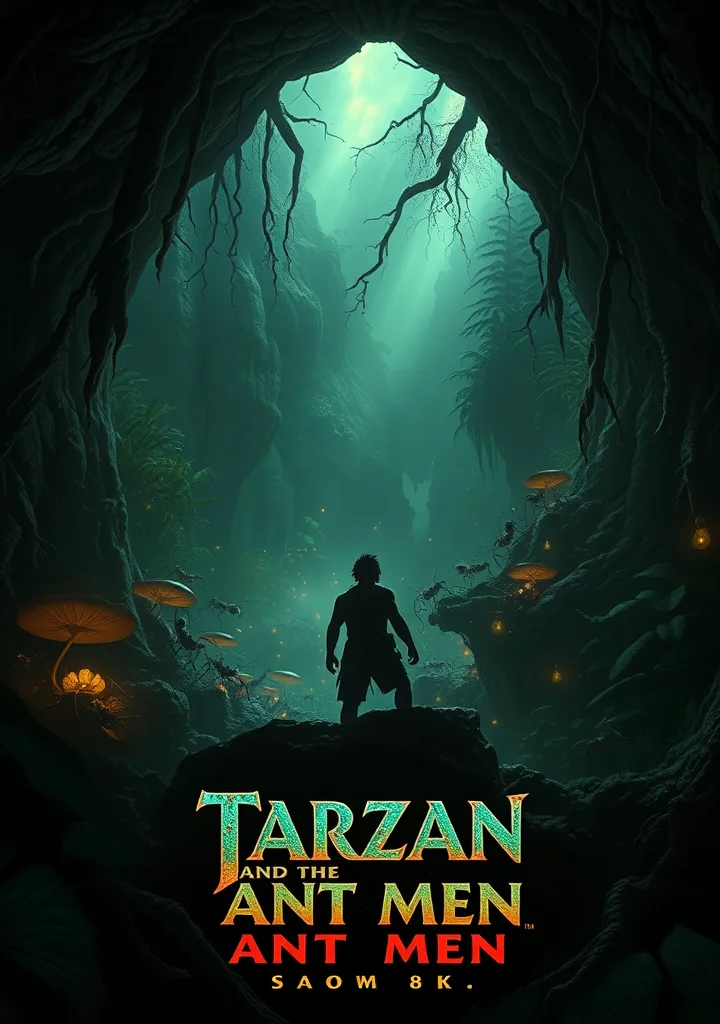
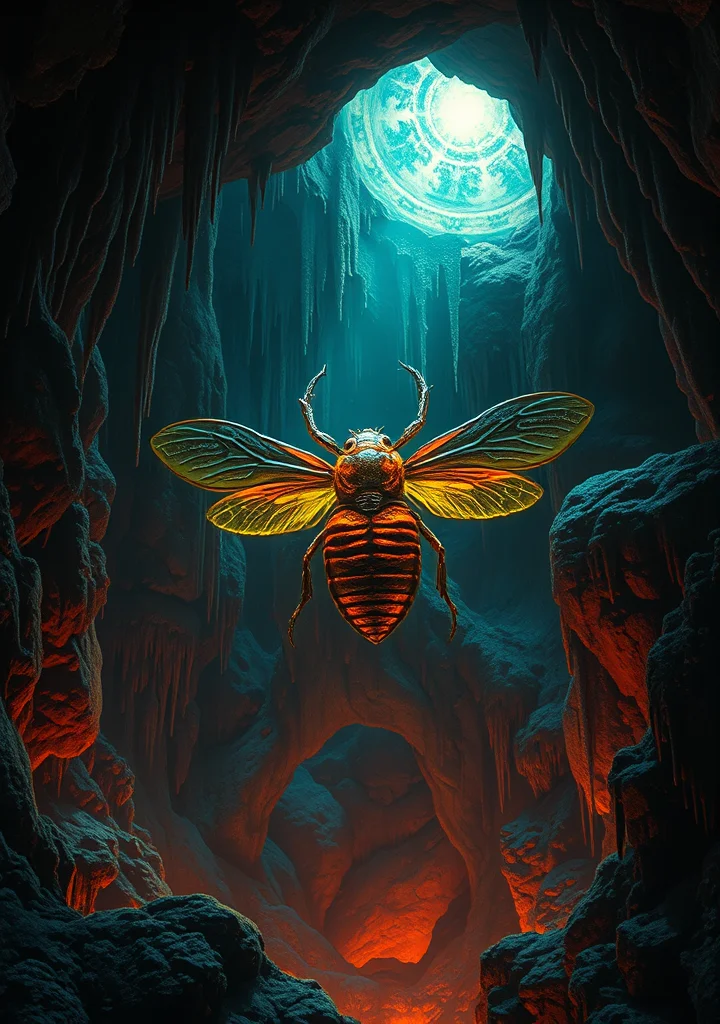
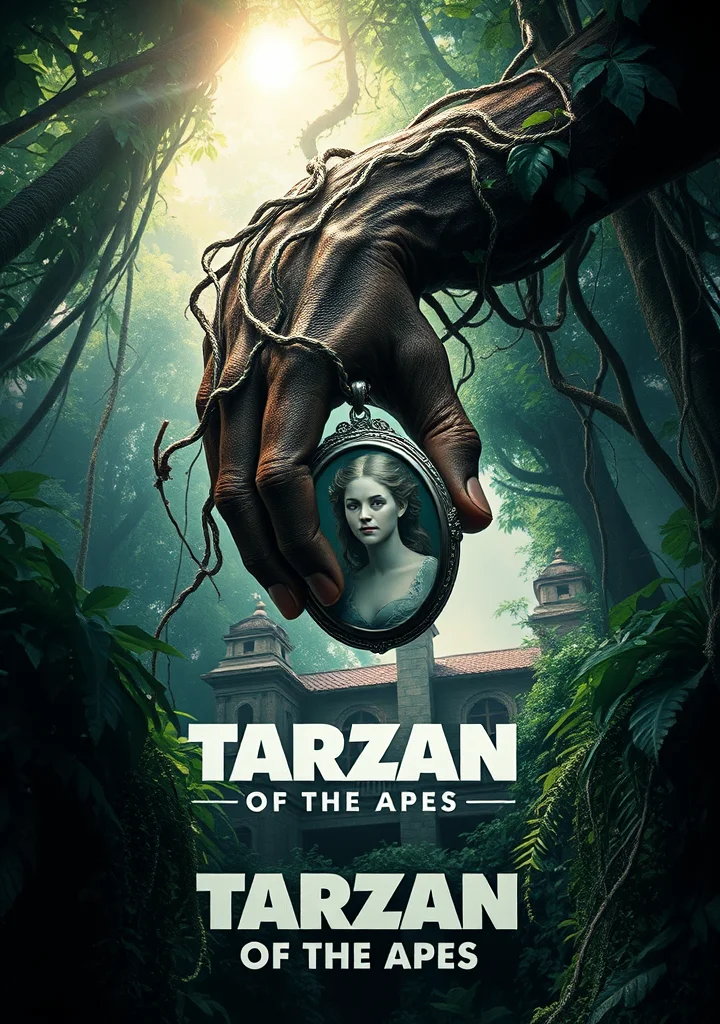
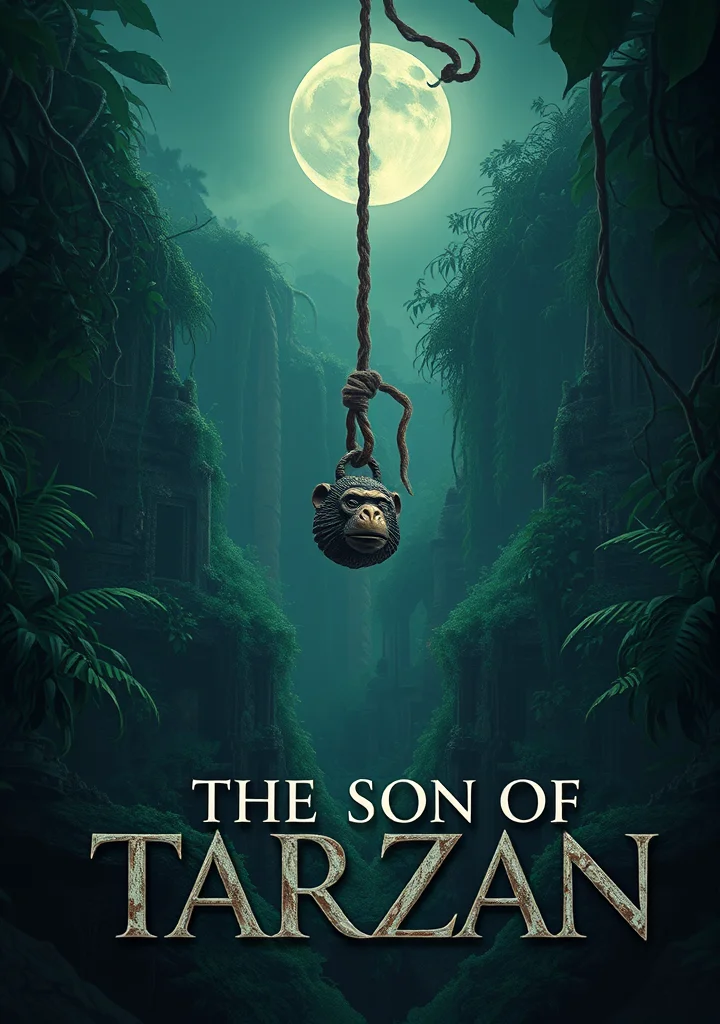
Beneath a bruised, equatorial sky, where the jungle breathes with suffocating humidity, this is not the Tarzan of legend, but a descent into a fever-dream of forgotten civilizations. The familiar echoes of his apanage are warped by the discovery of a subterranean world—a hive of chitinous bodies and clicking mandibles, a kingdom carved from the earth’s decaying heart. Here, amidst phosphorescent fungi and the drip of unseen waters, the line between man and insect blurs, and the savage grace of Tarzan is tested against a horror older than the jungle itself. The air hangs thick with the scent of decay and something acridly sweet, a perfume of living rot. Ancient, cyclopean structures rise from the darkness, their surfaces crawling with a silent, insidious life. This is a realm of perpetual twilight, where shadows twist into monstrous shapes and the whispers of the ant-men carry on currents of suffocating dread. Tarzan’s strength is not enough to conquer, only to survive, as he unravels a lineage of monstrous royalty and discovers that the apes of his youth were but a pale imitation of the true masters of this green hell. A creeping paranoia blooms within him, fueled by the knowledge that every grain of sand, every drop of water, holds the potential for a million biting, stinging deaths. It is a descent into a darkness where the very soil seems to conspire against him, and where the screams of the jungle are drowned out by the relentless, chitinous chorus of the underworld.
16 Part
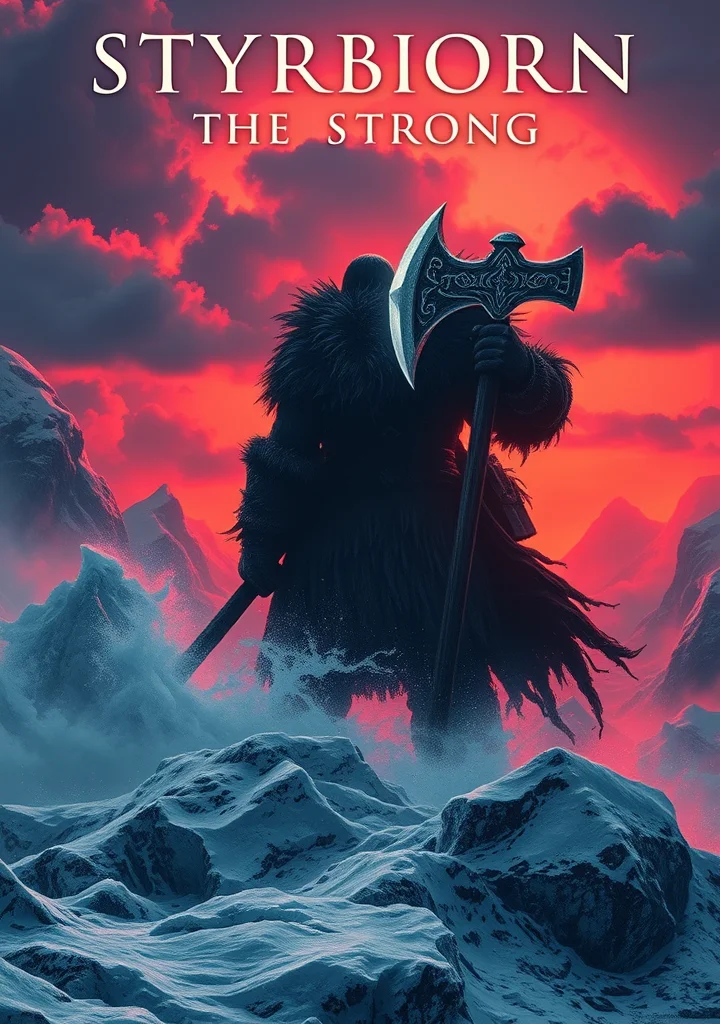
From shadowed fjords and ice-haunted coasts rises a tale of kings and sorcery steeped in the ancient North. Eddison’s *Styrbiorn the Strong* breathes with the chill of forgotten gods and the clang of steel on frost-rimed shields. A land gripped by the creeping dread of the Nerathi—a race of spectral warriors born from the blackest winters—awaits a champion. Styrbiorn, a giant of a man, forged in the crucible of brutal winters and haunted by ancestral echoes, is that answer. But this is not a simple saga of heroism. The very stones of the North weep with the weight of a dying age, and Eddison’s prose weaves a tapestry of decaying grandeur. Palaces crumble beneath the weight of encroaching ice, while the halls of kings echo with the whispers of ambition and betrayal. A creeping darkness seeps from the desolate bogs, a sickness of the soul mirroring the decay of the land. The air is thick with the scent of brine, woodsmoke, and something older—something woven from the runes carved into glacial ice. Each clash of arms, each whispered curse, feels etched in the very bedrock of the world. *Styrbiorn* is a descent into a twilight world where honor is measured in blood and shadows hold the keys to both salvation and oblivion. It is a world where the line between the living and the dead is blurred by the perpetual twilight of the North, and where even victory tastes of ash and regret. A slow, deliberate unraveling of light, consumed by the encroaching darkness.
13 Part
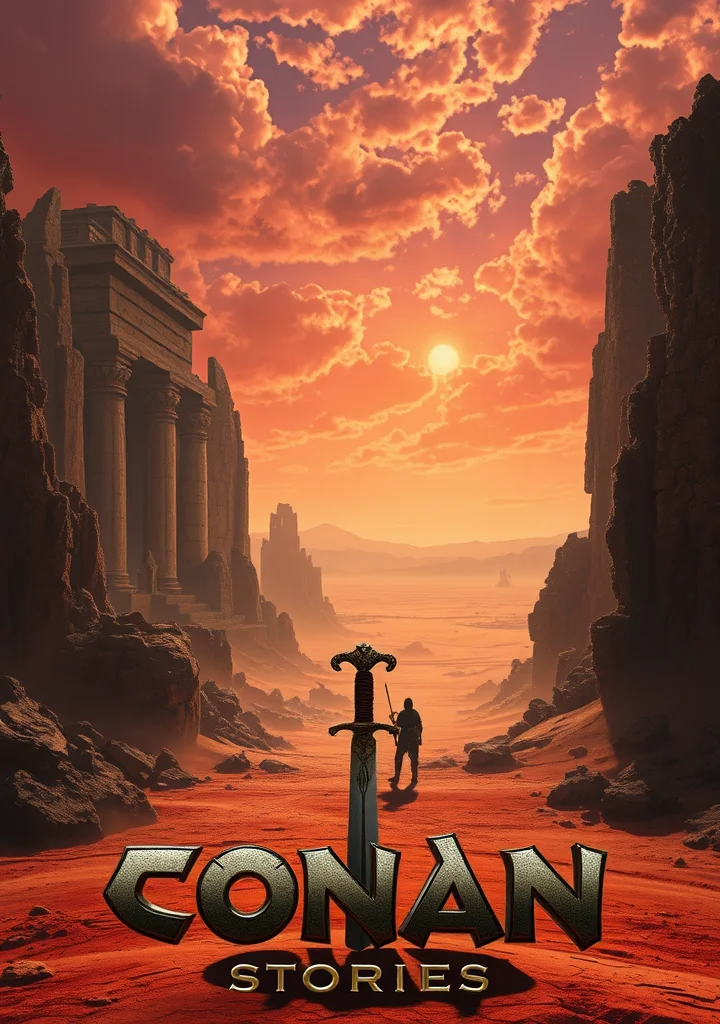
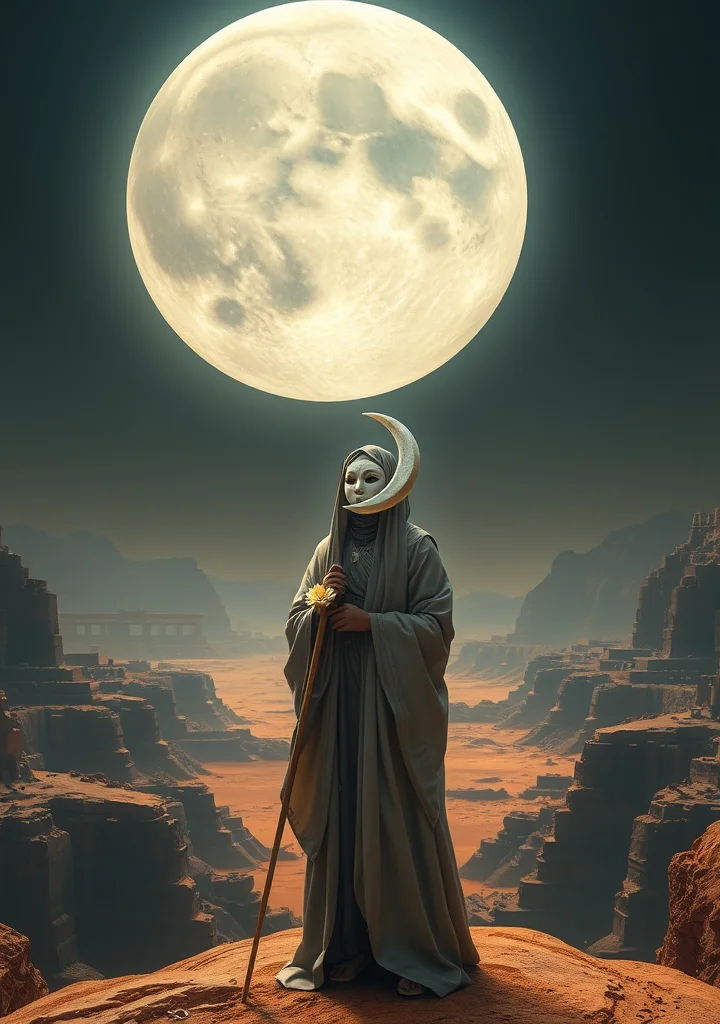
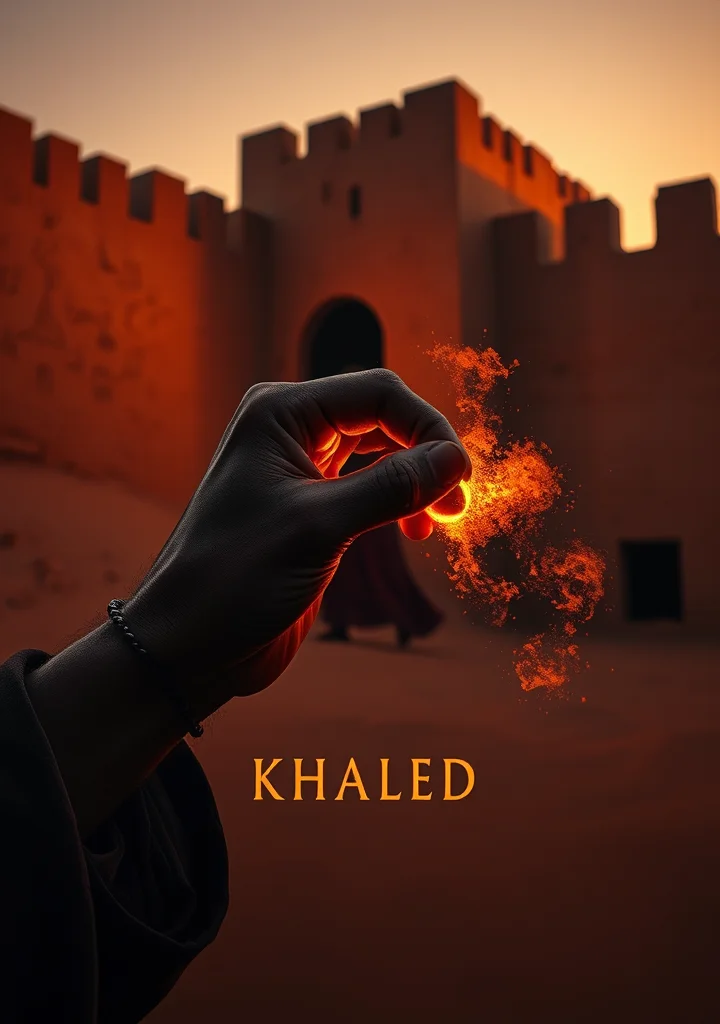
Dust motes dance in the perpetual twilight of the Algerian Sahara, clinging to the crumbling adobe walls of a forgotten fortress. Here, amidst shifting dunes and whispers of ancient Berber lore, lies Khaled, a man bound by a pact with djinn and shadowed by a legacy of blood and sand. The air itself tastes of regret, thick with the scent of myrrh and the phantom cries of generations consumed by the desert’s hunger. Crawford weaves a narrative steeped in the oppressive heat, where loyalty is a brittle thing, and the line between the living and the damned blurs with each scorching sunrise. Khaled isn’t merely a man, but a vessel for a history of violence, haunted by the spirits of those he’s sworn to protect – or to betray. The fortress becomes a suffocating tomb, echoing with the weight of forgotten oaths and the slow decay of stone. Every shadow conceals a betrayal, every whisper carries the threat of a reckoning. The landscape itself becomes a character, mirroring the fractured soul of the man at its heart. Expect not grand spectacle, but the creeping dread of isolation, the suffocating weight of tradition, and the unnerving realization that the true monsters are not those lurking in the darkness, but those born from the sun-scorched earth and the silences between breaths. The story unfolds like a slow poison, seeping into the marrow of your bones until you, too, feel the weight of Khaled’s burden, the desert’s curse, and the chilling promise of oblivion.
12 Part
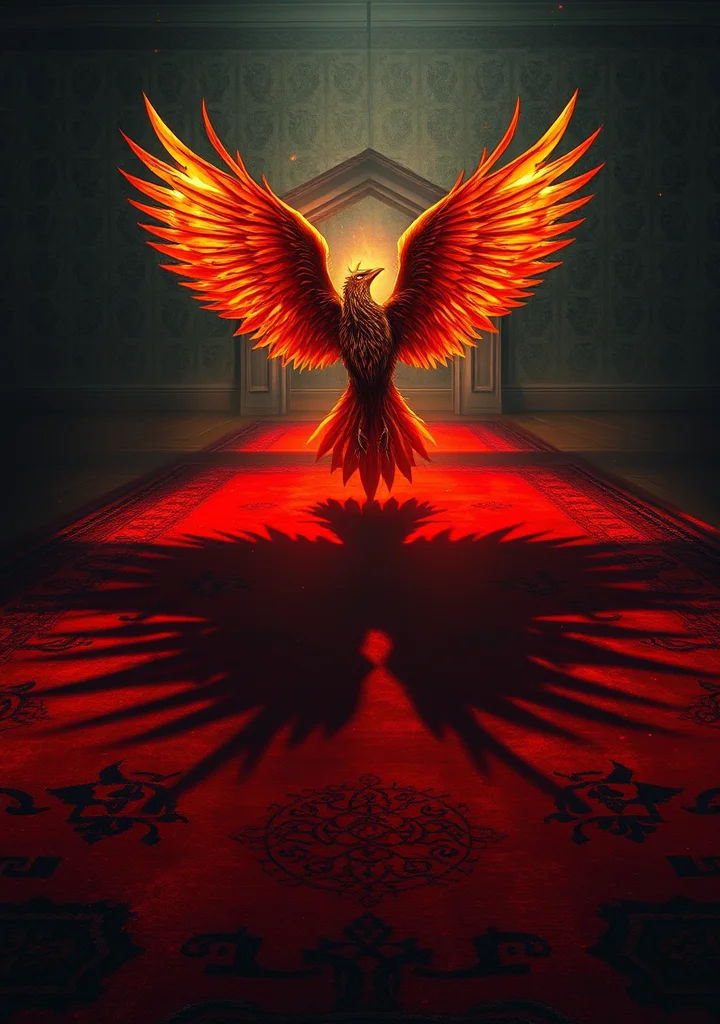
Dust motes dance in the perpetual twilight of a London nursery, where a carpet woven with ancient symbols stirs to life. Not with thread and dye, but with the embers of forgotten djinn, bound to obey a boy’s whim. A phoenix, magnificent and terrible, unfolds from its crimson threads, a creature of scorching desire and ash-grey regret. The house itself seems to breathe with the bird’s fiery heart, shadows lengthening into monstrous shapes as the carpet’s magic pulls at the seams of reality. The scent of cinnamon and burning feathers clings to the air, thick with whispers of a past where wishes are bought with stolen sunsets. Each flight of the phoenix, each murmured command, unravels another layer of the nursery’s gilded cage, revealing a world both exhilarating and deeply, unnervingly lonely. The very floorboards groan beneath the weight of impossible journeys, echoing with the laughter of children lost in the labyrinth of their own making. A creeping dread settles amongst the velvet curtains and porcelain dolls, a premonition that the power granted is not freely given. The carpet doesn't merely transport; it *remembers*. It holds the echoes of every longing, every secret, every shadowed bargain struck within its weave. And as the phoenix circles higher, the nursery – and the lives bound within it – begin to unravel, consumed by a hunger that stretches beyond the reach of childish dreams. The air itself tastes of smoke and forgotten promises.